
The heart of any home often beats strongest in the kitchen and bathroom. These spaces are not just functional; they are canvases for personal expression and the settings for countless memories. When it comes to renovating or building these essential areas, the choices for surfaces can feel overwhelming, especially when faced with seemingly similar yet distinct materials. Two popular contenders that often spark debate are acrylic and solid surface countertops. While both offer a sleek, modern aesthetic and a seamless finish, understanding their nuances is key to making an informed decision that aligns with your lifestyle, budget, and design vision.

Let’s dive into the visual appeal and inherent characteristics that set these countertop titans apart. Acrylic, often referred to by brand names like Corian (though Corian is technically a solid surface brand, the term has become somewhat generalized in popular usage, leading to a common point of confusion), is a composite material that predominantly features acrylic polymers and alumina trihydrate. This composition grants it a remarkable ability to mimic the look of natural stone, from the subtle veining of marble to the speckled patterns of granite, all while offering a non-porous surface. Visually, acrylic can achieve a truly seamless look. Seams are virtually invisible, and the material can be thermoformed into gentle curves and intricate shapes, opening up a world of design possibilities. Think of waterfall edges that cascade uninterrupted down the side of a cabinet, or integrated sinks that blend seamlessly into the countertop, creating a fluid, unbroken surface. The color palette for acrylic is vast, ranging from crisp whites and soft beiges to bold blues and vibrant reds, allowing for a high degree of personalization. Its translucency in certain formulations also allows for creative lighting effects, adding a unique luminous quality to your space.
Solid surface, on the other hand, is typically composed of a blend of acrylic and polyester resins, along with mineral fillers. While also non-porous and capable of seamless integration, its visual characteristics can differ subtly from pure acrylic. Solid surface materials often excel in replicating the appearance of natural stone with a high degree of fidelity, offering a wide array of patterns and colors that can closely resemble granite, marble, quartz, and even concrete. The seamless aspect is also a significant advantage here, allowing for integrated sinks and discreet seams that disappear with professional fabrication and installation. However, the thermoforming capabilities of solid surface, while present, might be slightly more limited compared to pure acrylic, especially for very complex curves or extreme shapes. The finish of solid surface can range from matte to high gloss, and its inherent durability makes it a popular choice for both residential and commercial applications where heavy use is anticipated.
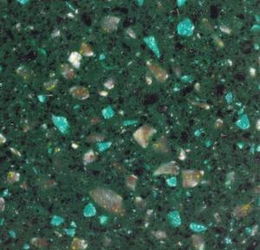
When it comes to durability and everyday performance, both acrylic and solid surface offer significant advantages over traditional materials like laminate or even some natural stones that require sealing. Their non-porous nature means they are highly resistant to staining from common kitchen spills like wine, coffee, or oil. This also translates to superior hygiene, as bacteria and mold have no place to penetrate the surface. Cleaning is generally straightforward, often requiring just soap and water. However, a key differentiator emerges when considering their susceptibility to heat and scratches. Acrylic is generally more sensitive to high heat. Placing hot pots and pans directly onto an acrylic surface can lead to scorching or melting, so the use of trivets is essential. Similarly, while durable, acrylic can be more prone to scratching than some solid surface formulations. Minor scratches can often be buffed out or repaired by a professional, restoring the surface to its original glory.
Solid surface materials, due to their composition, often exhibit slightly better resistance to heat and scratching. While not entirely impervious, they can generally tolerate slightly higher temperatures than acrylic and are more resilient to everyday wear and tear. However, it’s still a good practice to use cutting boards and trivets to protect any countertop surface from sharp knives and extreme heat. Both materials are also repairable. Chips, scratches, or burns can usually be mended by sanding and polishing, often by a certified fabricator, making them a long-term investment. The repair process for solid surface might sometimes be more involved than for acrylic, depending on the specific formulation and the extent of the damage, but the ability to restore a damaged surface is a significant benefit for both.
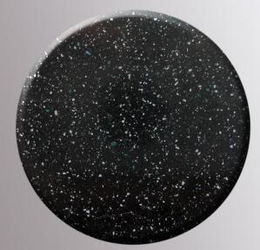
The choice between acrylic and solid surface often comes down to a delicate balance between aesthetic desires, functional needs, and, of course, the investment. Visually, both offer a clean, modern, and seamless look that elevates any kitchen or bathroom. Acrylic’s thermoforming capabilities provide unparalleled design flexibility for unique shapes and integrated features, while its potential for translucency opens up exciting lighting design avenues. Solid surface, with its wide range of stone-like patterns and robust performance, offers a classic appeal with modern advantages. When considering the practicalities of daily life, the slightly superior heat and scratch resistance of solid surface might tip the scales for busy households. However, the ease of repair for minor imperfections in acrylic is a compelling factor for many.
The decision between acrylic and solid surface countertops is rarely made in a vacuum; it’s intricately linked to how these materials perform in the real world and, crucially, how they fit into your budget. We’ve explored their aesthetic qualities and inherent durability, but now let’s delve into the practicalities of cost, installation, and long-term value. Understanding these elements will equip you to make a choice that not only looks stunning but also makes sound financial sense for your home renovation.
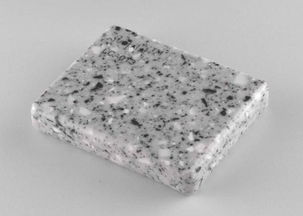
When it comes to price, both acrylic and solid surface countertops occupy a mid-to-high-end position in the market, generally falling above laminate and vinyl but below premium natural stones like granite or marble, and often comparable to quartz. However, there can be considerable variation within each category, influenced by brand, complexity of design, color, and the thickness of the material. On average, acrylic countertops can range from approximately $50 to $100 per square foot, installed. This price point can fluctuate based on the specific brand, the intricacy of the design (such as custom edge profiles or integrated sinks), and any unique features like backlighting. Simpler designs with standard edges will naturally fall at the lower end of this spectrum, while complex, custom-fabricated pieces with specialized features will command higher prices. The ease of thermoforming acrylic can sometimes contribute to its cost, especially for highly sculpted designs that require specialized tooling and skilled labor.
Solid surface countertops typically have a price range of $60 to $120 per square foot, installed. Similar to acrylic, the final cost is heavily dependent on the brand, the chosen pattern and color, and the complexity of the fabrication and installation. More intricate patterns that mimic natural stone closely, or specific designer collections from reputable brands, will often be at the higher end of this range. The labor involved in fabricating and seamlessly integrating solid surface can also be a significant factor. While seemingly more expensive on average than acrylic, the price difference can often be negligible depending on the specific products and custom features chosen. It’s important to note that these are general estimates, and obtaining quotes from multiple fabricators for your specific project is the most reliable way to ascertain accurate pricing.
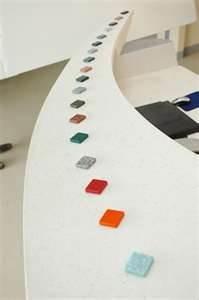
Installation is a critical aspect for both acrylic and solid surface materials, as it directly impacts the final appearance and longevity of your countertops. Both materials are typically fabricated off-site by certified professionals and then installed in your home. The seamless nature of both materials means that precise measurements and expert craftsmanship are paramount. For acrylic, the ability to thermoform means that complex shapes and integrated sinks can be created in the workshop and then seamlessly fitted into place. The installation process itself can be relatively straightforward once the custom pieces are ready.
Solid surface installation also requires a high level of skill. Seams, while virtually invisible when done correctly, require careful joining and finishing techniques to ensure they don’t become apparent over time or compromise the integrity of the surface. Integrated sinks are also a popular option with solid surface, and their seamless integration is a testament to the installer’s expertise. The repairability of both materials is a significant advantage, contributing to their long-term value. Minor scratches or chips on acrylic can often be sanded and polished out by a professional, restoring the surface to its original smooth finish. Similarly, solid surface can be repaired through sanding and refinishing, though the process might vary slightly depending on the resin composition.
When considering the long-term value, both acrylic and solid surface countertops present compelling arguments. Their durability, non-porous nature, and resistance to staining make them a practical and hygienic choice for busy homes. The ability to repair minor damage means that these countertops can maintain their aesthetic appeal for many years, potentially outlasting other surface materials. The seamless design possibilities, from integrated sinks to custom edge profiles, contribute to a clean, modern look that can enhance the overall value of your home.
The decision between acrylic and solid surface often boils down to a specific set of priorities. If your design vision is highly ambitious, requiring intricate curves, dramatic thermoformed shapes, or the possibility of subtle backlighting, acrylic might offer a slight edge in terms of creative freedom. Its slightly lower average price point, especially for simpler designs, can also be a deciding factor for budget-conscious renovations.
Conversely, if your priority is slightly greater resistance to heat and scratching, coupled with a wide array of realistic stone-like patterns, solid surface might be the more compelling choice. Its robust performance in demanding environments makes it a favorite for both residential and commercial applications. Ultimately, both materials offer a high-quality, aesthetically pleasing, and functional solution for your kitchen and bathroom countertops. The “best” choice depends on your unique needs, design preferences, and financial considerations. Consulting with experienced fabricators and installers, and viewing samples in person, will be invaluable steps in making the decision that you’ll be happy with for years to come.









