
When embarking on a kitchen or bathroom renovation, the countertop is often the star of the show. It’s a functional canvas that anchors the space, and choosing the right material is paramount. Two popular contenders that frequently find themselves in the spotlight are acrylic and solid surface. While they might appear similar at first glance, a deeper dive reveals distinct characteristics, performance profiles, and, of course, price points. Think of them as stylish siblings – related, yet each with their own unique charm and approach to life. This comprehensive guide aims to illuminate the differences, provide visual cues, and offer a clear understanding of the financial implications, ensuring you can select the perfect material to grace your home.

Let’s begin by dissecting the essence of each material. Acrylic, often referred to by brand names like Corian (though Corian is technically a type of solid surface, the term has become somewhat synonymous), is an engineered composite material. Its primary components are acrylic polymer and alumina trihydrate (ATH), a mineral derived from bauxite ore. This blend is then cast into sheets or formed into desired shapes. The result is a non-porous, homogenous material that can be molded, thermoformed, and seamlessly joined. This inherent flexibility is one of its most compelling advantages. Imagine a countertop that can curve around a corner without a visible seam, or a sink that’s molded directly into the countertop, creating a fluid, unbroken surface. Visually, acrylic can mimic the appearance of natural stone, from the subtle veining of marble to the granular texture of granite, but it also offers a vast spectrum of solid colors, from the purest white to the boldest hues. Its smooth, matte finish is typical, though some manufacturers offer gloss options.
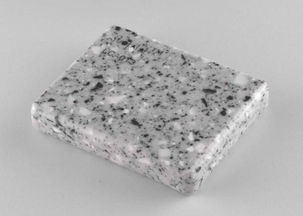
Solid surface, on the other hand, is a broader category. While acrylic is a type of solid surface, the term “solid surface” itself often refers to a broader range of composite materials. This can include those with a higher percentage of acrylic resin, but also those that incorporate polyester resins, mineral fillers, and pigments. The composition can vary significantly between manufacturers, leading to subtle differences in performance and appearance. Like acrylic, solid surface is non-porous and can be fabricated with seamless joints and integrated sinks. It also offers a wide array of colors and patterns, often designed to emulate natural stone or offer unique abstract designs. The tactile experience of solid surface can vary; some feel slightly warmer and more yielding than quartz or natural stone, while others are quite firm. The visual depth and richness can also differ, with some solid surfaces exhibiting a more layered or translucent quality.
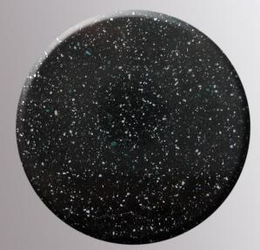
Now, let’s talk about durability and maintenance. This is where the nuances between acrylic and solid surface become particularly important for everyday living. Acrylic countertops are renowned for their repairability. Scratches, minor chips, and even deeper gouges can often be buffed out or repaired by a professional (or sometimes even a determined DIYer with the right kit). Because the color and pattern permeate the entire material, there’s no risk of a different color showing through when a scratch occurs. This makes them a forgiving choice for busy kitchens. However, acrylic is susceptible to thermal shock. Placing hot pots and pans directly from the stove onto an acrylic surface can cause scorching or warping. Therefore, trivets are an absolute must. Cleaning is generally straightforward, with mild soap and water being the go-to. Avoid abrasive cleaners, which can dull the finish over time.
Solid surface countertops, in general, share many of these maintenance advantages. They are also non-porous, resisting stains from common kitchen culprits like wine, coffee, and oil. Like acrylic, they can be fabricated with seamless joints, eliminating those pesky grout lines that harbor bacteria and grime. Repairability is also a strong suit for most solid surface materials. Minor scratches can often be buffed out, and deeper damage can typically be repaired by a qualified fabricator. However, the exact repairability and resistance to heat can vary more widely within the solid surface category due to the differing resin compositions. Some polyester-based solid surfaces might be slightly more prone to scratching than their acrylic counterparts, while others offer excellent scratch resistance. Again, the use of trivets for hot cookware is a wise precaution across the board. For daily cleaning, a soft cloth with a mild detergent is usually sufficient.
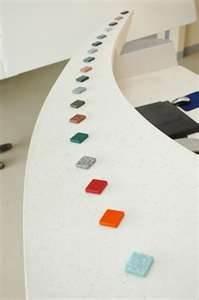
Let’s visualize these differences. Imagine a sleek, modern kitchen with a countertop that curves elegantly around a central island, with a sink seamlessly integrated into the surface. This is a prime example of what acrylic and solid surface excel at. Picture a child’s artwork smeared with paint and crayon directly on the countertop – a common scenario in a family home. With either acrylic or solid surface, a quick wipe with a damp cloth and a gentle cleaner will likely restore it to its pristine state. Now, envision a scenario where a scalding hot pan is accidentally placed directly on the countertop. While both materials would likely be affected, the extent of the damage and the ease of repair can depend on the specific formulation of the solid surface. Acrylic, due to its polymer base, might show more immediate signs of heat damage, such as discoloration or slight warping.
When considering the aesthetic appeal, both materials offer a vast palette. If you’re drawn to the look of natural stone but prefer a more uniform and consistent appearance, both acrylic and solid surface can deliver. They can mimic the subtle variations of granite or the dramatic veining of marble. However, the depth and realism of these imitations can vary. Some higher-end solid surfaces offer a remarkable likeness to natural stone, with intricate patterns and a certain luminescence. Acrylic, while capable of reproducing these looks, often shines brightest in its solid color offerings and its ability to achieve striking, custom designs. Think bold, contemporary kitchens where a vibrant countertop color makes a statement. The seamless nature of both materials also contributes to a clean, uncluttered look, which is highly desirable in modern interior design.
Finally, let’s touch upon the environmental considerations. Both acrylic and solid surface are engineered materials, meaning their production involves manufacturing processes. However, many manufacturers are increasingly focusing on sustainability. Some solid surface materials are made with recycled content, and the durability and repairability of these surfaces mean they have a long lifespan, reducing the need for frequent replacement. The ability to repair rather than replace also contributes to a lower environmental footprint over the life of the product. It’s always a good idea to inquire about the specific environmental certifications and manufacturing practices of the brands you are considering.
Moving beyond the inherent qualities of acrylic and solid surface, the financial aspect is a critical factor in any renovation decision. Understanding the price spectrum for these materials will help you align your vision with your budget. Generally speaking, both acrylic and solid surface fall into the mid-to-high price range for countertops, positioning them above laminate but below high-end natural stones like granite or marble, and often comparable to or slightly less expensive than quartz. However, “generally speaking” is the operative phrase here, as there’s a considerable amount of variation within each category.
The price of acrylic countertops is often influenced by the complexity of the design and the brand. Basic, solid-color acrylic sheets are typically more affordable. As you move towards patterns that mimic natural stone, or if you opt for a premium brand known for its exceptional finishes and durability, the price will increase. The cost of fabrication is also a significant component. Because acrylic can be seamlessly joined, thermoformed into curves, and have integrated sinks, the labor involved in a complex installation can add to the overall expense. A simple straight run of acrylic countertop will be priced differently than a custom-designed island with a waterfall edge and an integrated sink. Expect to see prices for installed acrylic countertops ranging from approximately $75 to $150 per square foot, with more intricate designs and premium brands pushing the upper limits. For very basic, uninstalled sheets, you might find prices starting around $30-$50 per square foot, but this doesn’t account for the crucial fabrication and installation costs.
Solid surface countertops present an even wider price range, primarily due to the diversity of formulations and brands available. Entry-level solid surfaces, often with simpler patterns and perhaps a higher proportion of mineral fillers, can be found at the lower end of the spectrum, sometimes starting around $60 per square foot for installation. As you ascend to more sophisticated designs that closely replicate the look and feel of natural stone, or if you choose a well-established brand with a reputation for superior quality and innovative features, the price can easily climb to $150 to $200 per square foot or even higher. Factors that drive up the cost of solid surface include the intricacy of the patterns, the depth of the color, and any special finishes or textures offered. Like acrylic, the complexity of the installation, including seamless joints, integrated sinks, and custom edge profiles, will also contribute significantly to the final price.
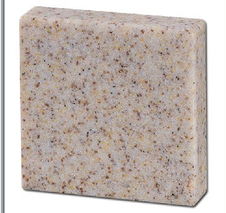
For solid surface, a straightforward kitchen countertop with a speckled pattern in a neutral tone might be priced at $70-$90 per square foot installed. However, if you opt for a premium solid surface that features dramatic, swirling patterns designed to emulate a high-end granite or quartzite, with a polished finish and a detailed edge profile, the price could easily be $150-$180 per square foot or beyond. The perceived value and visual impact of these premium solid surfaces often justify the higher cost for homeowners seeking a truly bespoke look.
When comparing the two directly, it’s often the case that a standard acrylic countertop can be more budget-friendly than a comparable high-end solid surface. However, if you’re looking for the absolute lowest entry point into the solid surface category, some basic solid surfaces might be more affordable than the upper echelon of acrylic options. It’s less about which material is inherently cheaper, and more about the specific product and its features.
Beyond the initial purchase price, consider the long-term value. Both acrylic and solid surface are durable materials that, with proper care, can last for many years. Their repairability is a significant factor in their long-term value proposition. While a scratch on a laminate countertop might necessitate replacement of the entire surface, a scratch on acrylic or solid surface can often be repaired, extending its lifespan and saving you money over time. The non-porous nature of both materials also contributes to their longevity, as they resist staining and are easy to keep hygienic, reducing the risk of premature deterioration due to neglect or damage.
Think about your lifestyle when making this financial decision. If you have young children and anticipate a fair amount of wear and tear, the superior repairability of acrylic might make it a more cost-effective choice in the long run, despite potentially higher initial costs for certain designs. If you are a meticulous homeowner who prioritizes the highest aesthetic fidelity to natural stone and are willing to invest in premium finishes, a high-end solid surface could be the better option.
It’s also worth noting that the cost of installation can be a significant differentiator. Because acrylic can be manipulated and joined seamlessly, fabricators can create highly customized and complex designs. This artistry, while beautiful, comes at a price. Solid surface installation is also skilled work, but the ability to achieve truly monolithic designs with integrated elements is a hallmark of acrylic fabrication.
In summary, when it comes to acrylic and solid surface countertops, the visual differences lie in their textures, patterns, and the unique design possibilities each offers, particularly the seamless integration and thermoforming capabilities of acrylic. Financially, both represent a significant investment, with prices generally ranging from $75 to $200 per square foot installed. The exact cost will depend on the specific brand, the complexity of the design, the chosen finish, and the intricacy of the fabrication and installation. By carefully considering your aesthetic preferences, your lifestyle, and your budget, you can confidently select the countertop material that will not only enhance the beauty of your home but also serve you faithfully for years to come.









