
The quest for the perfect countertop is a cornerstone of any kitchen or bathroom renovation. It’s a decision that impacts not only the aesthetic appeal of your space but also its daily functionality and long-term value. Among the myriad of options available, two materials frequently rise to the top of the discussion: acrylic and solid surface. While they share some common ground, particularly in their ability to create seamless, hygienic surfaces, they are distinct in their composition, properties, and price points. Understanding these differences is key to selecting the material that will best serve your needs and your vision.

Let’s first delve into the world of acrylic countertops. Often referred to by brand names like Corian (though Corian is technically a type of solid surface, it’s frequently used generically for acrylic-based materials in common parlance), these countertops are engineered from a blend of acrylic polymers and alumina trihydrate (ATH), a mineral derived from bauxite ore. This formulation results in a material that is non-porous, meaning it doesn’t absorb liquids, which makes it highly resistant to staining and bacterial growth. Visually, acrylic is a chameleon. It can be molded into virtually any shape, allowing for intricate designs, integrated sinks, and curved edges that are difficult or impossible to achieve with natural stone. The seamless nature of acrylic installations is a significant draw; seams are virtually invisible, creating a smooth, flowing surface that is both elegant and incredibly easy to clean.
The aesthetic versatility of acrylic is where it truly shines. It’s available in an astonishing array of colors, from classic whites and subtle beiges to bold reds and deep blues, and can even mimic the look of granite, marble, or quartz with remarkable fidelity. The finishes can range from matte to high-gloss, allowing for a tailored look. One of its most celebrated features is its repairability. Minor scratches or chips can often be buffed out or repaired by a professional, restoring the countertop to its original pristine condition without the need for complete replacement. This ability to heal itself is a significant advantage in high-traffic areas.
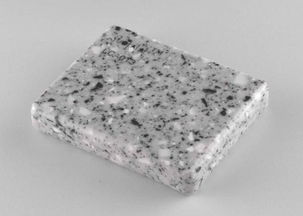
However, acrylic isn’t without its limitations. While durable, it is softer than materials like granite or quartz. This means it can be more susceptible to scratches from sharp objects or abrasive cleaning pads. High heat can also be a concern; prolonged exposure to hot pots and pans directly from the stove can cause discoloration or scorching. Therefore, using trivets and cutting boards is a non-negotiable practice with acrylic countertops. The price of acrylic countertops can vary widely depending on the brand, color complexity, and any custom features. Generally, they fall into a mid-to-high price range, often comparable to or slightly less than high-quality quartz, but typically more expensive than laminate or entry-level granite. Installation is usually a professional job, as the material requires specialized tools and techniques for fabrication and seaming.
Now, let’s pivot to solid surface countertops. The term “solid surface” is a broader category that encompasses materials like acrylic, but it also includes other composite materials. For the purpose of this comparison, when we refer to “solid surface” distinctly from acrylic, we are often talking about materials that may have a higher mineral content or a different polymer base, though they share the fundamental characteristic of being a non-porous, homogenous material throughout its thickness. DuPont’s Corian is the archetypal example of a solid surface material, and its creation revolutionized the countertop industry. Like acrylic, solid surface countertops are known for their non-porous nature, preventing stains and bacteria from penetrating the surface. This makes them an excellent choice for kitchens, bathrooms, and healthcare settings where hygiene is paramount.
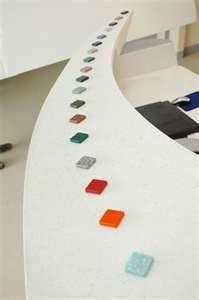
The seamless integration of sinks and backsplashes is another hallmark of solid surface materials. This creates a sleek, modern aesthetic and eliminates those hard-to-clean crevices where grime can accumulate. The ability to achieve invisible seams is a significant design advantage, allowing for expansive, uninterrupted surfaces that lend a sense of spaciousness and sophistication to any room. Furthermore, solid surface materials can be thermoformed, meaning they can be heated and bent into curved shapes, offering incredible design flexibility for custom kitchens, reception desks, and more.
When it comes to appearance, solid surface countertops are available in a vast spectrum of colors and patterns, ranging from solid, uniform hues to intricate veining and speckled designs that mimic natural stone. The repairability factor is also a major plus. Minor damage, such as scratches, burns, or chips, can typically be repaired on-site by a qualified technician, often making the surface look as good as new. This durability and ease of maintenance contribute to their long-term appeal.
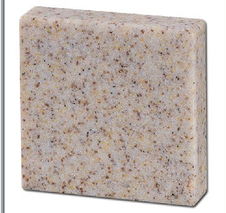
The price of solid surface countertops typically places them in a similar bracket to acrylic – a mid-to-high range investment. Again, the specific cost will depend on the manufacturer, the complexity of the design, and the chosen color or pattern. While generally more affordable than premium natural stone like granite or marble, they represent a significant step up in price from laminate or tile. The installation process for solid surface is also typically a professional undertaking, requiring specialized skills for cutting, fitting, and finishing. One key consideration for solid surface, much like acrylic, is its sensitivity to heat. While some formulations may offer slightly better heat resistance than others, it is always advisable to use heat-resistant pads to protect the surface from damage from hot cookware.
Visualizing the difference can be subtle. Often, the difference lies in the depth and realism of patterns designed to mimic natural stone. Acrylics might sometimes appear slightly more “plastic-y” in their imitation of stone, while higher-end solid surfaces can achieve a remarkable resemblance. However, both excel in solid, vibrant colors and modern, minimalist aesthetics. The decision between acrylic and solid surface often comes down to nuanced preferences in appearance, specific performance requirements, and, of course, budget.
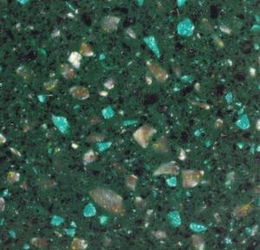
Continuing our exploration into the fascinating world of acrylic and solid surface countertops, let’s deepen our understanding by examining their performance characteristics, maintenance requirements, and, crucially, their price points in more detail. This will help us paint a clearer picture of which material might be the perfect fit for your unique project.
When we talk about durability and performance, both acrylic and solid surface materials stand out for their non-porous nature. This is a significant advantage over natural stone or wood, which can absorb liquids and harbor bacteria. For kitchens, this means spills from wine, coffee, or juice are unlikely to leave permanent stains. In bathrooms, they resist water spots and toothpaste marks. This inherent resistance to staining and bacterial growth makes both materials excellent choices for hygiene-conscious environments.
However, it’s in their resistance to heat and scratches that subtle differences can emerge. Generally speaking, acrylic countertops are softer than most solid surface formulations. This means they can be more prone to developing scratches from everyday use, such as sliding heavy pots or pans across the surface, or from abrasive cleaning agents. While these scratches can often be repaired, it requires diligent effort and potentially professional intervention. In terms of heat, placing hot items directly from the oven or stovetop onto an acrylic surface is strongly discouraged. While not instantly catastrophic, repeated exposure to high temperatures can lead to discoloration, warping, or even melting in extreme cases. This necessitates a steadfast commitment to using trivets and hot pads.
Solid surface materials, as a category, can exhibit a range of resistances depending on their specific composition. While still not as heat-resistant as materials like granite or quartz, many solid surface formulations offer a slightly better tolerance for heat than standard acrylics. This doesn’t mean you should forego your trivets, but it might offer a small degree of reassurance in a busy kitchen. Similarly, scratch resistance can vary, with some solid surfaces offering a harder, more resilient finish than others. Again, the key is understanding the specific product, but as a general rule, while both are susceptible to scratches, some solid surfaces might hold up marginally better under duress.
The maintenance of both acrylic and solid surface countertops is commendably straightforward, which is a significant part of their appeal. Because they are non-porous, cleaning is typically a simple matter of wiping them down with a damp cloth and a mild soap or an all-purpose cleaner. For tougher stains, a non-abrasive cleaner is usually sufficient. Avoid harsh chemicals, bleach, or abrasive scouring pads, as these can dull the finish or, in the case of acrylic, potentially damage the surface. For minor scratches, a gentle buffing with a soft cloth and a mild abrasive cleaner (like Bon Ami or Barkeepers Friend, used cautiously) can often make them disappear. Deeper scratches or more significant damage may require professional repair.
The repairability of both materials is a significant selling point. Unlike natural stone, which might require professional refinishing or even replacement for significant damage, both acrylic and solid surface can often be repaired on-site. A skilled fabricator can often sand out scratches, fill small chips, and even re-bond separate pieces. This ability to “heal” the surface extends the lifespan of the countertop and preserves its aesthetic appeal over time. For integrated sinks, this repairability is particularly valuable, as it ensures the entire seamless unit can be maintained.
Now, let’s talk about the elephant in the room: price. This is where a clear distinction can sometimes be drawn, although there is significant overlap. Generally, both acrylic and solid surface countertops fall into the mid-to-upper price bracket for kitchen and bathroom surfaces. They are typically more expensive than laminate or basic tile but often more affordable than premium granite, marble, or high-end quartz.
As a broad generalization, acrylic countertops can sometimes be found at a slightly lower price point than some of the more premium solid surface brands, especially for solid colors and simpler designs. However, this is not a hard and fast rule. Highly complex acrylic designs or those with specialized finishes can command prices comparable to or even exceeding mid-range solid surfaces.
Solid surface countertops, especially those from well-established brands like Corian, Hi-Macs, or Staron, tend to occupy a slightly higher average price point, particularly for patterns that mimic natural stone with greater realism or for more intricate fabrication. The price per square foot for both materials can range significantly, but you might expect to see figures anywhere from $40 to $100+ per square foot, installed, depending on the brand, the complexity of the edge profile, the inclusion of an integrated sink, and the geographic location of installation.
When considering visual appeal and design flexibility, both materials offer immense potential. Acrylic’s ability to be molded into virtually any shape and its often-brighter, more uniform color palette make it ideal for modern, minimalist designs or for creating statement pieces with dramatic curves or integrated features. Solid surfaces, while equally capable of seamless integration and custom shapes, often offer a broader spectrum of patterns that can more convincingly emulate the look of natural stone, appealing to those who desire the aesthetic of granite or marble without the inherent porosity and maintenance. The choice here often comes down to whether you prioritize a truly futuristic, moldable aesthetic (acrylic) or a versatile, stone-like appearance with excellent practical benefits (solid surface).
In conclusion, both acrylic and solid surface countertops are excellent choices for homeowners seeking a durable, hygienic, and aesthetically pleasing surface. Acrylic often excels in its sheer moldability and vibrant color options, making it a designer’s dream for unique shapes and seamless integration. Solid surface, while sharing many of these benefits, sometimes offers a slightly more nuanced visual appeal when mimicking natural stone and can, in some formulations, present marginally better resistance to heat and scratches. Your decision will likely hinge on the specific look you’re aiming for, your tolerance for using protective measures like trivets, and your budget. A thorough comparison of specific product lines and getting detailed quotes for your project will ultimately guide you to the countertop that will bring beauty and functionality to your home for years to come.









