
The world of interior design and material selection can sometimes feel like navigating a labyrinth. Among the most frequently encountered and often confused materials for countertops, tabletops, and various architectural features are acrylic and solid surface. While they share a superficial resemblance and are both frequently used in similar applications, understanding their fundamental differences is key to unlocking their full potential and ensuring the longevity and aesthetic success of your projects. This isn’t just about choosing a surface; it’s about understanding the very essence of how light interacts with them, how they age, how they can be shaped, and ultimately, how they contribute to the overall feel and functionality of a space.

Let’s begin by dissecting “acrylic.” When we refer to acrylic in the context of solid surfaces, we are generally talking about a material composed primarily of methyl methacrylate (MMA) and aluminum trihydrate (ATH), often bonded with pigments and other additives. This composition gives acrylic a unique set of properties that set it apart. Think of it as a polymer-based material, almost akin to a very advanced, high-performance plastic. The visual cues are important here. Acrylic surfaces often exhibit a particular translucence, a depth that can almost make light seem to swim within the material itself. This quality lends itself to some truly stunning design possibilities, especially when illuminated from behind. The way light plays across an acrylic surface can create a soft, inviting glow, transforming a simple countertop into a luminous focal point.
One of the most celebrated attributes of acrylic solid surface is its non-porous nature. This is a significant advantage, particularly in high-moisture or high-traffic areas like kitchens and bathrooms. Being non-porous means that liquids – be it spilled wine, coffee, or water – do not seep into the material. This inherent resistance makes it highly hygienic, as bacteria and mold find no purchase to grow within the surface. Cleaning becomes a breeze; a simple wipe-down with soap and water is usually all that’s needed to maintain its pristine appearance. This ease of maintenance is a huge draw for homeowners and commercial designers alike, promising a surface that is as practical as it is beautiful.
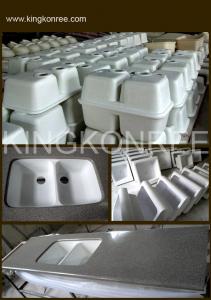
Furthermore, acrylic solid surface is renowned for its seamless fabrication capabilities. Joints and seams are virtually invisible. This is achieved through a specialized adhesive that chemically bonds the acrylic pieces, creating a monolithic appearance. Imagine a kitchen island with a waterfall edge that flows uninterrupted, or a reception desk where the countertop seamlessly integrates with the vertical panels. This ability to create large, unbroken expanses of surface area not only looks incredibly sleek and modern but also eliminates those tiny crevices where dirt and grime can accumulate. This contributes to the overall hygienic quality and simplifies cleaning even further.
The workability of acrylic is another compelling factor. It can be thermoformed, meaning it can be heated and bent into curved or complex shapes. This opens up a universe of design possibilities that are simply not achievable with more rigid materials. Think of a curved bar top that perfectly hugs a space, or a custom-molded sink that is integrated seamlessly into the countertop itself. This malleability allows designers to break free from conventional rectilinear forms and create truly bespoke pieces that are unique to each project. This is where the “art” in the art of material selection truly comes into play.
However, it’s important to acknowledge the flip side of acrylic’s incredible versatility. Its polymer-based nature, while offering flexibility, also makes it somewhat softer than some other countertop materials. This means it can be more susceptible to scratches from sharp objects or abrasive cleaning pads. While minor scratches can often be buffed out or repaired with relative ease due to its homogeneous composition (the color goes all the way through), it’s a factor to consider in its long-term care and use.
Now, let’s pivot to “solid surface.” The term “solid surface” is often used more broadly and can encompass a range of materials, but in the context of direct comparison with acrylic, we’re often looking at materials that share a similar composition but with different ratios or manufacturing processes, or sometimes, materials that are primarily mineral-based with acrylic binders. For the purpose of this discussion, let’s focus on solid surface materials that are closely related to acrylic but might have subtle differences in their resin content or filler composition. These materials are also typically non-porous, offer seamless fabrication, and can be repaired.
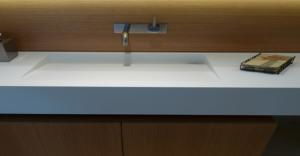
The key distinction often lies in the tactile and visual experience, as well as performance characteristics. While acrylic can sometimes have a slightly warmer, more “plastic-like” feel, traditional solid surfaces might feel a touch cooler or denser to the touch. Visually, the depth of translucence seen in some acrylics might be less pronounced in certain solid surface formulations. The pigments and fillers used can influence the overall appearance, ranging from matte finishes to those with subtle flecks or veining that mimic natural stone.
When we talk about “solid surface” in a more general sense, it’s also crucial to recognize that this category can include materials that are primarily mineral-based (like quartz composite) or even materials that are more stone-like in their appearance and durability. However, when directly contrasting with acrylic, the most relevant comparison is often with acrylic-based solid surfaces themselves, where the nuances lie in the specific brand, formulation, and intended performance characteristics.
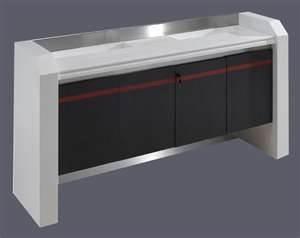
The fabrication of solid surface materials also allows for seamless integration and thermoforming, much like acrylic. However, the degree to which they can be manipulated might vary slightly depending on the specific composition. Some solid surfaces might be slightly more rigid, limiting the complexity of curves or the extent of thermoforming compared to a pure acrylic formulation.
Durability is another area where subtle differences can emerge. While both are non-porous and resistant to stains, the scratch resistance can vary. Some solid surface formulations are engineered for enhanced scratch resistance, making them a more robust choice for very high-traffic environments where rigorous use is anticipated. However, the repairability of both materials remains a significant advantage over traditional natural stones or laminates. Minor damage can often be addressed with a simple sanding and buffing process, restoring the surface to its original glory.
The aesthetic palette for solid surfaces is vast. From subtle, uniform colors to intricate patterns that mimic granite or marble, the range of options is extensive. This allows for a high degree of customization to match any design scheme. The ability to integrate sinks, backsplashes, and countertops into a single, seamless unit is a hallmark of both acrylic and solid surface materials, offering a clean, modern, and highly functional solution for any space. The choice between them often comes down to specific performance requirements, desired aesthetic nuances, and budget considerations.
Continuing our exploration into the fascinating world of acrylic and solid surface materials, we delve deeper into their practical applications, fabrication nuances, and the subtle yet significant aesthetic differences that can influence design decisions. Understanding these finer points is crucial for architects, interior designers, and homeowners aiming to select the perfect material for their specific needs, ensuring both beauty and enduring functionality.
Let’s revisit the practical implications of acrylic’s properties. Its inherent translucence, as mentioned, is a unique selling proposition. This quality isn’t just about aesthetics; it opens up functional design avenues. Imagine a kitchen island with integrated LED lighting beneath the acrylic surface, creating a soft, ambient glow that illuminates the workspace. Or consider a retail display unit where the product itself is subtly lit from within the acrylic shelving. This ability to manipulate light transforms a utilitarian surface into an interactive design element. Furthermore, acrylic solid surface is generally lightweight compared to natural stone, which can simplify installation and reduce structural load requirements, particularly in renovation projects.
The repairability of acrylic solid surface is a significant advantage. While it can be scratched, these marks are typically superficial and can be repaired by trained professionals. The process usually involves sanding the affected area to remove the scratch, followed by buffing and polishing to restore the original sheen. Because the color and pattern extend throughout the material’s thickness (a characteristic known as being “solid all the way through”), repairs are often virtually invisible, unlike laminate surfaces where a scratch might reveal a different core material. This longevity and ease of restoration contribute to the long-term value proposition of acrylic.
On the other hand, when we talk about “solid surface” in its broader sense, particularly those formulations that lean towards a more mineral-based composition, the differences become more pronounced. These materials often boast superior scratch and heat resistance compared to purely acrylic formulations. For instance, a kitchen countertop that experiences frequent encounters with hot pots and pans, or one that is subjected to heavy chopping (though cutting directly on any countertop is generally not recommended), might benefit from a solid surface engineered for greater resilience. The tactile feel can also be different, often perceived as harder and cooler, more akin to stone.
The aesthetic range of solid surfaces is truly remarkable. While acrylic can achieve a wide spectrum of colors and patterns, some solid surface manufacturers offer options that are specifically designed to mimic the veining and depth of natural stones like granite and marble with incredible fidelity. These can provide the look and feel of high-end natural materials without the associated porosity, maintenance headaches, and environmental impact. The ability to achieve these realistic stone-like appearances, combined with seamless fabrication, offers a compelling alternative for those who desire the aesthetic of natural stone but prefer the practical benefits of a manufactured surface.
However, the fabrication of these more mineral-heavy solid surfaces might have some limitations compared to pure acrylic. While thermoforming is still possible, the degree of curvature or the complexity of shapes achievable might be more restricted. The adhesive used for seams might also differ, though the goal of achieving seamless integration remains paramount. The cost can also vary significantly, with highly veined or stone-like solid surfaces sometimes commanding a higher price point than standard acrylic formulations, reflecting the complexity of their manufacturing and the desired aesthetic outcome.
Let’s consider the specific use cases where one material might distinctly outshine the other. In a high-end spa or a medical facility, the exceptional hygiene and seamless, non-porous nature of acrylic make it an ideal choice for vanity tops, reception desks, and even wall cladding. Its ability to be molded into ergonomic shapes also lends itself to specialized applications. In a busy commercial kitchen, a solid surface with superior scratch and heat resistance might be preferred for prep areas, offering a durable and easy-to-maintain surface that can withstand rigorous use. For a residential kitchen where the homeowner desires the look of marble without the upkeep, a highly realistic solid surface designed to mimic natural stone would be an excellent option, paired with an integrated sink for a clean, cohesive look.
The choice between acrylic and solid surface often boils down to a careful consideration of priorities. If the absolute priority is the ability to create complex, curved forms, or if the desire is for a subtly luminous effect through backlighting, then acrylic solid surface often takes the lead. Its inherent malleability and unique light-reactive properties offer design possibilities that are hard to replicate. If, however, the emphasis is on maximum scratch resistance, heat tolerance, or achieving a highly realistic stone aesthetic with minimal maintenance, then certain solid surface formulations might be the more pragmatic choice.
Furthermore, the environmental impact and sustainability considerations are also worth noting. Both materials are manufactured products, and their production processes have associated energy and resource inputs. However, the repairability of both acrylic and solid surface means they can have a longer lifespan, reducing the need for premature replacement. Many manufacturers are also increasingly focusing on sustainable sourcing of raw materials and more eco-friendly production methods.
Ultimately, the decision between acrylic and solid surface is not about one being definitively “better” than the other, but rather about understanding their distinct strengths and weaknesses in relation to the specific demands of a project. A visual comparison, perhaps through detailed images and videos of their fabrication and installed applications (as the theme suggests: “亚克力与人造石的区别图片对比视频讲解大全”), would provide invaluable insight. Seeing how light interacts with different finishes, how seamlessly edges can be joined, and how repairs are executed can offer a much clearer picture than words alone. The tactile experience of touching both materials, feeling their weight and texture, can also be a deciding factor. By carefully weighing the aesthetic goals, functional requirements, and maintenance expectations, one can confidently select the material that will best serve its purpose and enhance the beauty of the intended space for years to come.









