
The world of interior design is a vibrant tapestry woven with threads of innovation, aesthetics, and functionality. As we strive to create spaces that are not only beautiful but also enduring, the choice of materials becomes paramount. Among the most popular and versatile surfacing options available today are acrylic and solid surface. While often grouped together due to their similar appearances and seamless capabilities, these two materials possess distinct personalities, strengths, and weaknesses that can significantly influence the outcome of any design project. Understanding these differences is not merely an academic exercise; it’s a practical necessity for designers, homeowners, and fabricators alike who seek to achieve both visual harmony and long-term satisfaction. This exploration aims to demystify the nuances between acrylic and solid surface, offering a visual comparative lens through which to appreciate their unique contributions to modern living.

At first glance, acrylic and solid surface can appear remarkably similar. Both are non-porous, man-made materials that can be thermoformed, joined seamlessly, and offer a vast palette of colors and patterns. This inherent adaptability makes them go-to choices for a wide range of applications, from sleek kitchen countertops and sophisticated bathroom vanities to intricate architectural features and commercial displays. However, delve a little deeper, and their individual characteristics begin to emerge, like subtle variations in a finely crafted piece of art.
Acrylic, often referred to by brand names like Corian (though Corian is technically a solid surface, the term has become somewhat generalized in popular usage), is fundamentally a polymer resin, specifically polymethyl methacrylate (PMMA). This composition imbues it with a certain warmth and a unique translucency. When light interacts with acrylic, it can refract and diffuse in ways that create a subtle glow, making it an excellent choice for designs that embrace luminosity or incorporate backlighting. Think of a modern bar top that subtly illuminates from within, or a reception desk that emanates a welcoming radiance. This inherent characteristic allows for a depth and dimension that is difficult to replicate with other materials.

The manufacturing process for acrylic typically involves casting the resin into sheets or shapes. This process allows for a high degree of control over color and pattern, resulting in a consistent and uniform appearance. The colors in acrylic are often embedded throughout the material, meaning that any scratches or minor damage can, in many cases, be buffed out, restoring the surface to its original glory. This reparability is a significant advantage, contributing to the material’s longevity and reducing the need for premature replacement.
When it comes to working with acrylic, its malleability is a standout feature. Acrylic can be heated and bent into complex curves and organic shapes, opening up a world of design possibilities that rigid materials simply cannot accommodate. This thermoforming capability is what allows for those dramatic waterfall countertops, seamlessly integrated sinks that appear to sprout from the surface, and uniquely sculpted furniture pieces. The absence of visible seams is another hallmark of acrylic; when joints are properly fabricated, they become virtually invisible, creating a continuous, flowing surface that is both aesthetically pleasing and hygienic. The non-porous nature of acrylic means that it resists stains, mold, and mildew, making it a highly sanitary choice, particularly for food preparation areas and healthcare environments.
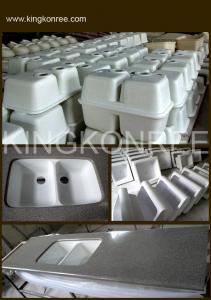
However, acrylic is not without its trade-offs. While durable, it is generally softer than some other surfacing materials and can be more susceptible to scratching from sharp objects or abrasive cleaning methods. While minor scratches can often be repaired, deep gouges can be more challenging to rectify. Additionally, extreme heat can cause damage. Placing hot pots and pans directly onto an acrylic surface is generally not recommended, as it can lead to scorching or discoloration. This necessitates the use of trivets and hot pads, a small but important consideration for everyday use. The cost of acrylic can also vary, with higher-end colors, patterns, and custom fabrications potentially placing it in a higher price bracket.
Now, let’s turn our attention to solid surface. As the name suggests, solid surface materials are composed of a blend of acrylic or polyester resins, natural minerals (often alumina trihydrate, derived from bauxite ore), and pigments. This composition results in a material that is, as the name implies, solid throughout, with a consistent composition from surface to core. This means that the color and pattern are not just a superficial layer but extend all the way through.
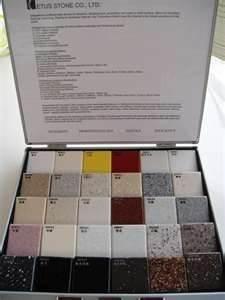
The inclusion of natural minerals in solid surface contributes to its density and a generally harder surface compared to pure acrylic. This can translate to a greater resistance to scratches in some formulations, although the exact hardness can vary between manufacturers and specific product lines. The aesthetic of solid surface often leans towards a more matte or satin finish, though high-gloss options are available. The visual texture can range from a subtle, uniform speckle to more elaborate patterns that mimic natural stone.
One of the key advantages of solid surface is its excellent stain resistance. The non-porous nature, shared with acrylic, prevents liquids from penetrating the surface, making it easy to clean and maintain. This makes it a practical choice for busy kitchens and bathrooms where spills are commonplace. Like acrylic, solid surface can also be fabricated with seamless joints, offering the same continuous, hygienic surfaces. The thermoforming capabilities are also present, allowing for the creation of curved edges and integrated sinks, though perhaps with a slightly less extreme range of flexibility compared to pure acrylic in some instances.

The repairing of solid surface is also a significant benefit. Minor scratches and blemishes can often be buffed out by a professional or even a skilled DIYer, restoring the surface’s pristine appearance. For deeper damage, solid surface can often be repaired with patching kits, making it a resilient choice for surfaces that experience heavy use. The composition of solid surface, with its mineral content, also gives it a slightly different tactile feel – often described as cooler and more substantial than acrylic.
Visually, the difference can sometimes be subtle. If you were to hold a piece of acrylic and a piece of solid surface side-by-side, you might notice that the acrylic has a slightly more luminous quality, especially in lighter colors, while the solid surface might appear more dense and opaque. When looking at patterns, solid surface often features a more granular or speckled appearance, reminiscent of quartz or granite, whereas acrylic might offer a cleaner, more uniform color or a subtler, embedded pattern.
However, it’s crucial to remember that the term “solid surface” is an umbrella category. Different manufacturers produce solid surface materials with varying compositions and properties. Some formulations are more acrylic-based, exhibiting greater translucency and flexibility, while others lean more heavily on mineral content, resulting in a harder, more robust surface. This variability means that direct comparisons should ideally be made between specific product lines from different manufacturers, rather than generalizing too broadly. The key takeaway is that both materials offer remarkable versatility and aesthetic appeal, but their underlying compositions dictate subtle yet important differences in performance, appearance, and application.
Continuing our exploration into the world of acrylic and solid surface, we now shift our focus to the practical aspects of their use, delving into their performance characteristics and the visual cues that distinguish them in real-world applications. While the initial impression might be one of similarity, a closer examination reveals how their inherent properties translate into tangible differences in durability, maintenance, aesthetic impact, and overall suitability for various design scenarios. Understanding these distinctions empowers us to move beyond superficial resemblances and make informed choices that align with our functional needs and design aspirations.
When it comes to durability, the comparison between acrylic and solid surface often sparks debate. As mentioned, acrylic, being a polymer resin, is generally softer than solid surface, which incorporates mineral fillers. This means that acrylic is more prone to scratching from everyday use – think of knives carelessly placed on a countertop, or abrasive scrub pads. However, the silver lining of this softer nature is its remarkable repairability. Minor scratches on acrylic can often be buffed out relatively easily, restoring the surface to a like-new condition. This makes it a forgiving material for households where wear and tear are anticipated. The key here is understanding the trade-off: a slightly higher propensity for superficial damage in exchange for easier cosmetic fixes.
Solid surface, with its mineral content, tends to offer a harder, more scratch-resistant surface in many formulations. This can be a significant advantage in high-traffic areas where durability is paramount. However, it’s important to note that “scratch-resistant” does not mean “scratch-proof.” While more robust, solid surface can still be scratched by sharp objects or abrasive cleaning. The repair process for solid surface scratches, while effective, can sometimes be more involved than for acrylic, potentially requiring professional intervention for deeper imperfections. The visual impact of a scratch on solid surface can also differ; depending on the pattern, a scratch might be less noticeable than on a solid, uniform color of acrylic.
Heat resistance is another critical differentiator. Acrylic has a lower heat tolerance than solid surface. Direct contact with hot pans or dishes can cause permanent scorching, discoloration, or even melting. Therefore, the use of trivets, hot pads, and cutting boards is non-negotiable when working with acrylic in a kitchen environment. Solid surface generally fares better with heat, but even then, prolonged exposure to extreme temperatures is not recommended, and the use of protective measures is still a wise practice. The mineral content in solid surface contributes to its greater heat stability, making it a more resilient choice for applications where heat exposure is a concern, though it’s never entirely impervious.
Stain resistance is a shared strength for both materials, thanks to their non-porous nature. Neither acrylic nor solid surface will absorb liquids, which means spills of wine, coffee, or oils can be wiped away without leaving permanent marks. This makes both excellent choices for kitchen countertops, bathroom vanities, and laboratory surfaces where hygiene and ease of cleaning are essential. The absence of pores also inhibits the growth of mold and bacteria, contributing to a healthier environment.
Aesthetically, the visual differences, while sometimes subtle, can be quite impactful. Acrylic, particularly in lighter or solid colors, can possess a certain depth and luminosity. It has a way of catching and diffusing light that can make a space feel more open and airy. This characteristic makes it a popular choice for minimalist designs, modern kitchens, and spaces where a clean, bright aesthetic is desired. The ability of acrylic to be formed into intricate shapes and its seamless integration capabilities further enhance its design versatility, allowing for flowing lines and a continuous visual plane. When backlighting is incorporated, acrylic can truly come alive, creating a dramatic and sophisticated ambiance.
Solid surface, on the other hand, often presents a more grounded and opaque appearance. Its patterns, which can range from fine speckles to more elaborate veining, often mimic the look of natural stone such as granite or quartz. This can lend a sense of classic elegance and solidity to a design. While solid surface can also be thermoformed and joined seamlessly, its inherent density and the presence of mineral fillers might, in some cases, limit the extreme curvature achievable compared to pure acrylic. The finish of solid surface tends to be more matte or satin, contributing to a sophisticated and understated look. For those seeking the appearance of natural stone with the added benefits of non-porosity and seamless fabrication, solid surface often hits the sweet spot.
The “seamless” aspect is a powerful selling point for both materials. In kitchens, this means no more grout lines or crevices where food particles and bacteria can hide. A seamless countertop that flows directly into an integrated sink creates a sleek, hygienic, and visually uninterrupted surface. The fabrication process for achieving these seamless joints involves special adhesives that, when applied correctly, fuse the pieces together, making the join virtually invisible. This is a testament to the advanced manufacturing techniques employed for both acrylic and solid surface.
When it comes to choosing between the two, the decision often boils down to a nuanced assessment of priorities. If your design prioritizes extreme flexibility in form, a luminous quality, and a highly repairable surface for minor cosmetic blemishes, acrylic might be the preferred choice. It excels in creating bespoke shapes and incorporating backlighting. If, however, you are looking for a generally harder, more scratch-resistant surface that mimics the look of natural stone, and you are willing to exercise a bit more caution with heat, solid surface often provides a compelling balance of aesthetics and performance.
Ultimately, both acrylic and solid surface represent significant advancements in surfacing materials, offering designers and homeowners a wealth of creative possibilities. They provide the advantage of being non-porous, hygienic, and capable of seamless fabrication, elevating both the functionality and the visual appeal of any space. The visual comparison is not about declaring one superior to the other, but rather about understanding their distinct characteristics. By appreciating the subtle differences in their composition, durability, heat resistance, and aesthetic presentation, we can make more informed decisions, selecting the material that best aligns with the specific demands and desires of our unique design projects. Whether it’s the subtle glow of acrylic or the grounded elegance of solid surface, both materials continue to shape the future of interior design with their remarkable versatility and enduring appeal.









