
The quest for the perfect countertop is a journey filled with intriguing choices, each material offering its own unique blend of beauty, durability, and practicality. Among the frontrunners in modern design, acrylic and solid surface materials stand out, often prompting a moment of thoughtful deliberation for homeowners and designers alike. While they share a certain contemporary appeal and a reputation for seamless integration, understanding their distinctions is key to making an informed decision that will grace your home for years to come. This isn’t just about selecting a surface; it’s about choosing a canvas for your daily life, a foundation for countless memories, and a statement of your personal style.

Imagine walking into a beautifully designed kitchen. The countertops gleam, seemingly one continuous expanse, free from the visual interruptions of grout lines or obvious seams. This is the magic that both acrylic and solid surface materials can bring. However, peel back the surface, and you’ll find two distinct personalities, each with its own strengths and characteristics. Let’s embark on a visual exploration, contrasting these two popular choices to illuminate their unique qualities.
Acrylic, often referred to by brand names like Corian (though Corian is technically a brand of solid surface, the term is sometimes used colloquially), is a non-porous, homogeneous material. Think of it as a high-tech plastic, engineered for exceptional performance and aesthetic versatility. Its beauty lies in its subtle translucence and the vast spectrum of colors and patterns it can embody. Visually, acrylic can mimic the look of natural stone, from the swirling veining of marble to the speckled texture of granite, but with an added luminescence that can make a space feel brighter and more open. The translucency, in particular, opens up a world of design possibilities, allowing for backlighting that creates a captivating ambiance, especially in kitchens and bathrooms. Imagine a breakfast bar softly glowing from within, or a vanity bathed in ethereal light – this is the realm of acrylic.
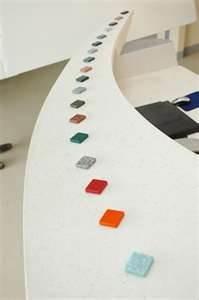
One of the most striking visual aspects of acrylic is its ability to be seamlessly joined. When fabricated by skilled professionals, the seams between two pieces of acrylic can become virtually invisible, creating the illusion of a single, monolithic slab. This not only contributes to a sleek, modern aesthetic but also offers significant practical advantages. The absence of grout lines means there are no nooks or crannies for bacteria, mold, or mildew to harbor, making acrylic an exceptionally hygienic choice, especially for food preparation areas and bathrooms. Spills and stains can be easily wiped away, and the non-porous nature means that liquids, even stubborn ones like red wine or coffee, are unlikely to penetrate the surface and cause permanent discoloration.
The visual depth and richness of acrylic are also noteworthy. While it can be manufactured to replicate the appearance of natural materials, it often possesses a cleaner, more uniform look. This uniformity can be a design advantage, offering a sense of calm and order to a space. For those who prefer a more controlled and curated aesthetic, acrylic can be the perfect fit. Furthermore, the material is thermoformable, meaning it can be heated and molded into curves, shapes, and even three-dimensional forms that are impossible with traditional materials like granite or quartz. This design flexibility allows for custom sinks that are integrated seamlessly into the countertop, unique edge profiles, and furniture-like pieces that blur the lines between functionality and art.
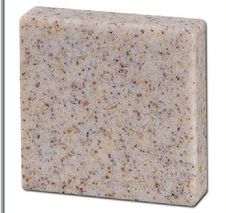
However, the visual appeal of acrylic also comes with certain considerations. While durable, it can be susceptible to scratching from sharp objects or abrasive cleaners. Minor scratches, however, are often a blessing in disguise with acrylic. Because the color and pattern run throughout the entire thickness of the material, minor surface damage can often be buffed out or repaired, restoring the countertop to its original pristine condition. This inherent repairability is a significant visual and practical advantage, contributing to the long-term beauty and functionality of the material.
Moving on to solid surface, we encounter a material that shares many of acrylic’s advantages but possesses its own distinct visual character. Solid surface is also a non-porous, homogeneous material, typically composed of acrylic or polyester resins combined with mineral fillers derived from bauxite ore. Like acrylic, it boasts seamless integration and a wide array of colors and patterns. However, the aesthetic often leans towards a more natural, stone-like appearance. While acrylic can sometimes have a hint of plastic-like sheen, solid surface materials often present a more matte or subtly textured finish, which many find more sophisticated and akin to natural stone.
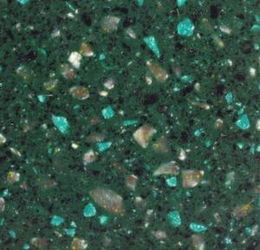
The visual palette of solid surface is incredibly diverse. It can convincingly mimic the look of granite, marble, quartz, and even concrete, offering a vast range of colors, from classic whites and beiges to bold blacks and vibrant hues. The patterns can range from subtle speckles to dramatic veining, providing a level of customization that can seamlessly blend with any interior design style, from minimalist modern to rustic farmhouse. The uniformity of the material also means consistent color and pattern throughout, eliminating the variability that can be found in natural stones.
Similar to acrylic, the ability to create inconspicuous seams is a hallmark of solid surface. This allows for expansive, uninterrupted surfaces that are both aesthetically pleasing and highly functional. The non-porous nature translates to excellent hygiene, as it resists stains, bacteria, and mold. Spills are easily managed, and the material is generally easy to clean with soap and water. This makes it a popular choice for kitchens, bathrooms, healthcare facilities, and commercial spaces where cleanliness is paramount.

The visual depth of solid surface is often described as having a certain “depth” or “character” that can be more subdued than acrylic. While acrylic might offer a brighter, more luminous quality, solid surface often provides a more grounded and earthy feel. This can be particularly appealing for those seeking a more traditional or organic aesthetic. The way light interacts with solid surface can also be different. While some solid surface materials can be backlit, it’s not as inherent a characteristic as it is with some acrylics, which are specifically designed for this purpose.
The repairability of solid surface is another key visual and practical advantage. Like acrylic, minor scratches and even some deeper damage can often be repaired on-site by a qualified technician. The surface can be sanded and refinished, restoring its original appearance and integrity. This resilience ensures that your countertop remains beautiful and functional for many years, making it a sound long-term investment.
In summary for this initial comparison, both acrylic and solid surface materials offer the allure of seamless integration, excellent hygiene, and a wide range of design possibilities. Acrylic often shines with its potential for translucency and a more luminous, contemporary feel, while solid surface frequently presents a more grounded, stone-like aesthetic with a matte finish. The choice between them often comes down to the desired visual outcome, the specific performance requirements of your space, and your personal design preferences.
Continuing our visual and functional deep dive into acrylic and solid surface countertops, we now shift our focus to the practical considerations that will shape your daily experience with these materials. Beyond their aesthetic appeal, how do they perform under the pressures of everyday life? What are their strengths and weaknesses when it comes to durability, heat resistance, maintenance, and overall value? Understanding these nuances will empower you to select the material that not only looks stunning but also stands up to the demands of your household.
Let’s revisit acrylic. Its composition, primarily acrylic polymers, lends it a certain degree of flexibility and a lower melting point compared to some other countertop materials. This translates to a notable susceptibility to heat damage. Placing hot pots or pans directly from the stove or oven onto an acrylic countertop is generally ill-advised. The intense heat can cause the material to scorch, melt, or even discolor. While minor heat marks can sometimes be buffed out, significant damage might require professional repair or even replacement of the affected section. Therefore, the use of trivets and hot pads is not merely a suggestion but a necessity for maintaining the pristine appearance of an acrylic surface. This is a critical functional difference that requires careful consideration, especially for kitchens where high-temperature cooking is frequent.
When it comes to impact resistance and scratchability, acrylic falls somewhere in the middle. It is more forgiving than glass or ceramic but less resistant to sharp objects than granite or quartz. As mentioned earlier, minor scratches are often repairable due to the material’s homogeneous nature, but deep gouges can be challenging to fully eliminate without professional intervention. The good news is that regular, non-abrasive cleaning methods will keep it looking its best. A soft cloth, mild soap, and water are usually all that’s needed. Avoid abrasive cleaners or scouring pads, as these can dull the finish and create micro-scratches that detract from its visual appeal over time.
However, acrylic’s non-porous nature is a significant functional win. This makes it inherently resistant to stains, mold, and mildew, contributing to a highly hygienic surface. This is particularly advantageous in bathrooms, where exposure to moisture and common bathroom products is constant. The seamless fabrication also means no grout lines to scrub, simplifying cleaning routines and minimizing the risk of unsanitary buildup.
Now, let’s turn our attention to solid surface. Functionally, it shares many of the same strengths as acrylic, most notably its non-porous nature and seamless fabrication capabilities. This translates to excellent stain resistance and ease of maintenance. Everyday spills, from coffee to wine, are unlikely to penetrate the surface, and cleaning is typically a simple wipe-down with a damp cloth and mild detergent. The lack of grout lines makes it a champion of hygiene, a crucial factor for any busy household or commercial setting.
In terms of heat resistance, solid surface generally performs slightly better than acrylic. While still not impervious to extreme heat, it can tolerate slightly higher temperatures before showing signs of damage. However, it is still highly recommended to use trivets and hot pads to protect the surface from direct contact with very hot items. Manufacturers often provide specific guidelines regarding heat tolerance, and adhering to these is essential for preserving the countertop’s integrity.
When it comes to impact and scratch resistance, solid surface often has a slight edge over acrylic. While it can still be scratched by sharp objects, its formulation can sometimes provide a slightly harder surface. Similar to acrylic, minor scratches can often be repaired through sanding and refinishing, restoring the countertop to its original condition. The repair process for solid surface is well-established, and skilled fabricators can often make damage virtually disappear.
A key functional consideration that can influence the visual aspect of solid surface is its ability to be fabricated with integrated sinks. This allows for a completely seamless transition from countertop to sink basin, creating a clean, uncluttered look that is both visually appealing and incredibly easy to clean. This is a feature that can be achieved with both materials but is often a defining characteristic of high-end solid surface installations.
Comparing the two directly on durability, both are considered durable materials suitable for everyday use. However, neither is completely impervious to damage. Acrylic’s potential vulnerability to heat and its slightly softer surface require more diligent use of precautions like trivets and careful handling of sharp objects. Solid surface offers a slightly more robust performance in terms of heat and scratch resistance, though the difference might be marginal depending on the specific product formulations.
When considering maintenance, both materials are relatively low-maintenance. The non-porous nature simplifies cleaning, and the repairability of minor damage adds to their long-term appeal. The key takeaway is that neither material is “maintenance-free.” Both require some level of care and attention to preserve their beauty and functionality. For acrylic, be mindful of heat and sharp objects. For solid surface, the same precautions apply, albeit with a slightly higher tolerance.
Cost is another factor that often comes into play. Generally, solid surface materials tend to be slightly more expensive than acrylics. However, prices can vary significantly based on brand, color, pattern complexity, and fabrication requirements. It’s always advisable to get detailed quotes for both materials to make an accurate comparison for your specific project.
In conclusion, both acrylic and solid surface countertops offer compelling advantages for modern homes. Acrylic presents a visually striking option with its potential for translucency and a bright, luminous aesthetic, but requires a greater degree of caution regarding heat and sharp objects. Solid surface often provides a more stone-like, matte finish with slightly enhanced durability against heat and scratches, while maintaining the same seamless, hygienic benefits. The choice between them hinges on your priorities: if a luminous, modern look with unique design possibilities (like backlighting) is paramount, acrylic might be your go-to. If a more understated, natural appearance combined with slightly greater resilience is your preference, solid surface could be the ideal fit. Ultimately, both materials represent a significant upgrade in terms of style, hygiene, and functionality, promising to enhance the beauty and usability of your home for years to come. Carefully weighing these visual and functional differences will guide you to the perfect countertop that truly complements your lifestyle and design aspirations.









