
The quest for the perfect countertop is a cornerstone of any renovation or new build. It’s a surface that bears the brunt of daily life, from hurried breakfast preparations to elaborate dinner parties, and it significantly shapes the aesthetic of a kitchen or bathroom. Among the myriad of choices, two popular contenders often emerge: acrylic and solid surface. While they share a certain visual similarity, especially at first glance, understanding their distinct characteristics is crucial for making a decision that aligns with your lifestyle, budget, and design aspirations. This guide is designed to be your visual compass, helping you navigate the nuances between these two versatile materials.

Let’s begin by immersing ourselves in the world of acrylic. Often referred to by brand names like Corian (though Corian is technically a solid surface brand, the term has become somewhat generalized in popular discourse, leading to confusion), acrylic countertops are a type of non-porous, engineered composite material. Their composition typically involves acrylic polymers and alumina trihydrate (ATH), a mineral derived from bauxite ore. This blend results in a material that is remarkably versatile, allowing for an almost limitless spectrum of colors, patterns, and translucencies.
Visually, acrylic countertops can mimic the appearance of natural stone, from the subtle veining of marble to the speckled texture of granite. However, their true strength lies in their ability to be manufactured in solid, consistent colors that are hard to achieve with natural materials. Think of a vibrant, single-hue countertop that doesn’t require sealing or special treatments to maintain its uniformity. The manufacturing process allows for seamless integration, meaning that edges can be glued together with a special adhesive that, once cured, becomes virtually invisible. This creates the illusion of a single, monolithic piece, free from the grout lines or visible seams that can plague other countertop materials. This seamlessness is not just an aesthetic advantage; it also contributes to superior hygiene, as there are no nooks or crannies for bacteria and mold to harbor.
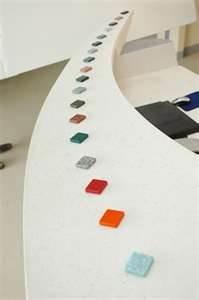
The visual appeal of acrylic extends to its design flexibility. It can be thermoformed, meaning it can be heated and bent into curved shapes, allowing for organic, flowing designs that would be impossible with rigid materials like granite or quartz. Imagine a waterfall edge that cascades smoothly down the side of an island, or a curved backsplash that seamlessly blends into the countertop. This adaptability makes acrylic a favorite among designers seeking to push creative boundaries. Furthermore, the translucency possible with some acrylic formulations opens up a world of lighting possibilities. Backlit countertops can create a soft, ambient glow, transforming a kitchen island into a captivating focal point or a bathroom vanity into a spa-like retreat. The light passing through can highlight embedded decorative elements or simply create a warm, inviting atmosphere.
The tactile quality of acrylic is also worth noting. It typically has a warmer feel to the touch compared to stone or quartz, which can be a welcome sensation in a kitchen where hands are constantly interacting with the surface. While some may prefer the cool, solid feel of natural stone, others find the slightly yielding, warmer texture of acrylic more comfortable.
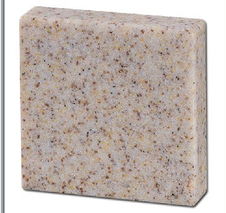
When it comes to maintenance, acrylic truly shines for its ease. Being non-porous means it resists staining from common household spills like wine, coffee, or fruit juice. A simple wipe-down with a damp cloth and mild soap is usually all that’s needed to keep it looking pristine. Unlike natural stone, it doesn’t require regular sealing to prevent stains from penetrating the surface. This inherent resistance to staining simplifies daily upkeep significantly, making it an attractive option for busy households.
However, like any material, acrylic has its considerations. While durable, it can be susceptible to scratching from sharp knives or abrasive cleaning pads. This is where its repairability becomes a significant advantage. Minor scratches and even deeper gouges can often be buffed out or repaired by a professional, restoring the surface to its original glory. This is a stark contrast to materials like granite, where a deep scratch can be a permanent blemish. The ability to refresh and renew an acrylic countertop makes it a long-term investment that can maintain its beauty for years to come.
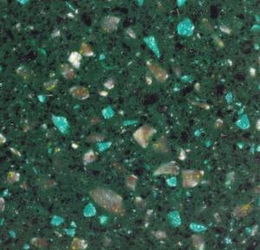
The cost of acrylic countertops can vary depending on the complexity of the design, the chosen color, and the manufacturer. Generally, it falls within a mid-to-high price range, often comparable to or slightly less expensive than high-end natural stone or quartz, but more costly than laminate. The initial investment, however, should be weighed against its longevity, ease of maintenance, and repairability, which can contribute to a lower total cost of ownership over time.
In summary, acrylic countertops offer a compelling blend of aesthetic versatility, seamless design possibilities, and practical benefits like stain resistance and ease of maintenance. Their ability to be molded into unique shapes and their potential for backlighting make them a designer’s dream, while their hygienic and repairable nature appeals to the practical homeowner.
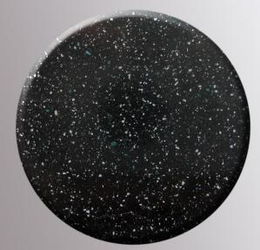
Moving on to our second contender, solid surface countertops offer another compelling option for discerning homeowners and designers. While often grouped with acrylic due to their shared non-porous nature and brand-name associations, it’s important to distinguish them. Solid surface is also an engineered composite material, but its composition typically differs from acrylic. It’s often made from a blend of acrylic or polyester resins, along with mineral fillers derived from bauxite ore (alumina trihydrate – ATH), and pigments. This formulation results in a material that is durable, hygienic, and versatile in its own right.
Visually, solid surface countertops can offer a wide array of looks. They excel at mimicking the appearance of natural stone, featuring intricate veining, flecks, and subtle color variations that can be strikingly realistic. Many solid surface options provide a matte or satin finish, which can lend a sophisticated and understated elegance to a space. Unlike some acrylics that can appear almost plastic-like in certain solid colors, solid surface often possesses a depth and richness that can fool the eye into believing it’s natural stone. The integration of different colors and patterns within the material itself allows for a broad spectrum of design possibilities, from classic marbled looks to contemporary speckled patterns.
One of the most significant visual and functional advantages of solid surface is its seamlessness. Similar to acrylic, seams in solid surface countertops are virtually invisible when properly fabricated and installed. This is achieved by using a color-matched adhesive that bonds the pieces together, creating a continuous, smooth surface. This seamless quality is highly desirable for both aesthetic and hygienic reasons. It eliminates grout lines, which can trap dirt and bacteria, and provides a clean, uninterrupted visual flow across the countertop. This makes solid surface an excellent choice for kitchens, bathrooms, healthcare facilities, and other environments where cleanliness is paramount.
The design flexibility of solid surface is also noteworthy, though perhaps with slightly different characteristics than acrylic. While it can be thermoformed into gentle curves, it generally doesn’t possess the same degree of malleability as pure acrylic. This means that while you can achieve rounded edges and subtle transitions, highly complex, organic shapes might be more challenging or costly to achieve compared to acrylic. However, its strength lies in its ability to be integrated with other design elements. Solid surface can be seamlessly integrated with sinks and backsplashes made from the same material, creating a cohesive and unified look. Imagine a kitchen sink that appears to grow directly out of the countertop, or a backsplash that is an extension of the work surface – this level of integration is a hallmark of solid surface.
The repairability of solid surface is a major selling point. Minor scratches, heat marks, and even small chips can often be repaired on-site by a trained professional using sanding and buffing techniques. The material can be sanded down to remove imperfections and then refinished to match the surrounding area, effectively restoring the countertop to its original appearance. This makes solid surface a very forgiving material for everyday use. For deeper damage, sections can sometimes be replaced, further enhancing its long-term viability. This repairability is a key factor that contributes to its longevity and value.
In terms of maintenance, solid surface is also non-porous, which makes it highly resistant to stains and moisture. Spills from common kitchen culprits like red wine, coffee, or citrus juices can be easily wiped away without fear of permanent discoloration. Regular cleaning involves mild soap and water, and for tougher marks, a non-abrasive cleaner can be used. Unlike natural stone, it does not require periodic sealing, which simplifies upkeep and reduces the need for specialized cleaning products.
However, it’s important to be aware of solid surface’s limitations. While durable, it can be susceptible to scratching and heat damage. Prolonged exposure to high temperatures from hot pots and pans placed directly on the surface can cause discoloration or warping. Therefore, using trivets and cutting boards is highly recommended to protect the surface. While repairs are possible, deep or extensive damage might require professional intervention and could be more involved than repairing minor scratches.
The cost of solid surface countertops can vary widely, influenced by the brand, the complexity of the design, and the chosen finish. It generally falls within a similar price bracket to acrylic, often considered a mid-to-high range option. When compared to natural stone like granite or marble, solid surface can sometimes be more affordable, especially for certain patterns and colors. However, premium solid surface designs can command prices comparable to or even exceeding some natural stones. The cost-effectiveness is often measured against its durability, seamless installation, and ease of repair, offering good value for its performance characteristics.
In conclusion, solid surface countertops present a strong case for homeowners seeking a blend of natural-looking aesthetics, exceptional hygiene, and practical resilience. Their ability to achieve seamless integrations, their inherent stain resistance, and their repairability make them a sound investment for many kitchens and bathrooms. When choosing between acrylic and solid surface, consider the specific visual effects you desire, the level of design flexibility required, and your priorities regarding maintenance and repair. Both materials offer compelling advantages, and a careful evaluation will lead you to the perfect surface for your space.









