
The quest for the perfect surface material is a journey many embark on when dreaming up their next renovation or design project. Whether it’s a sleek kitchen countertop, a minimalist bathroom vanity, or a bespoke reception desk, the surface material is often the silent protagonist, dictating both form and function. In this arena of material choices, two contenders frequently emerge: acrylic and solid surface. While they share a certain seamless aesthetic and a reputation for modern appeal, delving deeper reveals a nuanced landscape of differences. The question that often lingers, and one we aim to illuminate, is: are the advantages and disadvantages of acrylic and solid surface truly the same? This article is your visual guide, a deep dive into the world of these composite materials, aiming to equip you with the knowledge to make an informed decision that perfectly aligns with your vision and practical needs. We’ll be dissecting their unique characteristics, exploring their strengths and weaknesses, and ultimately, helping you understand which material might be the true star of your design.

Let’s begin by demystifying what these materials actually are. Acrylic solid surface, often simply referred to as “acrylic,” is a non-porous, homogeneous material made from acrylic polymers and alumina trihydrate. It’s engineered to mimic the look and feel of natural stone but with a more controlled and consistent finish. Its defining characteristic is its ability to be thermoformed, meaning it can be heated and bent into various shapes, allowing for incredibly creative and seamless designs. Think of curved countertops, integrated sinks that flow effortlessly from the surface, and intricate decorative elements that would be impossible with more rigid materials. This malleability is a significant advantage, opening up a world of design possibilities that are both visually stunning and functionally integrated.
On the other hand, “solid surface” is a broader term, and while acrylic is a type of solid surface, the industry often uses “solid surface” to refer to materials that are predominantly composed of polyester resins, acrylic resins, or a blend of both, along with mineral fillers. While some solid surfaces can also be thermoformed to a degree, they generally don’t offer the same level of flexibility and ease of shaping as pure acrylic. The key differentiator here lies in the resin composition and the resulting physical properties. Polyester-based solid surfaces, for instance, tend to be harder but more brittle than acrylic-based ones. Acrylic-enhanced solid surfaces aim to strike a balance, borrowing some of the flexibility of acrylic while maintaining the durability often associated with mineral fillers. The terminology can get a bit slippery, but understanding the core components helps us appreciate the subtle yet significant performance differences.
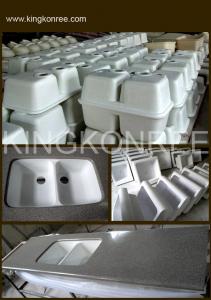
Visually, the initial impression of both materials can be remarkably similar. Both offer a vast spectrum of colors, patterns, and finishes, from pristine whites and subtle marbling to bold, contemporary hues and even translucent options that can be backlit for dramatic effect. The seamless nature of their fabrication is another shared triumph. Joints are virtually invisible, creating a monolithic appearance that is highly sought after in modern interior design. This lack of visible seams not only contributes to a clean, sophisticated aesthetic but also offers a significant hygiene advantage, as there are no crevices for bacteria and grime to accumulate. This makes both materials excellent choices for environments where cleanliness is paramount, such as kitchens, bathrooms, healthcare facilities, and food service areas.
However, when we talk about scratch resistance, a crucial consideration for any high-traffic surface, the waters get a little murkier. Pure acrylic solid surfaces, due to their inherent acrylic polymer composition, can be more susceptible to scratching than some of the denser, mineral-filled solid surfaces. While scratches on acrylic can often be buffed out and repaired relatively easily due to its homogeneous nature (meaning the color and pattern go all the way through), the initial occurrence of a scratch might be more noticeable than on a harder material. Solid surfaces, especially those with a higher mineral content, can sometimes offer a slightly more scratch-resistant surface initially. Yet, it’s important to remember that with any solid surface material, deep scratches can be challenging to repair without professional intervention. The ease of repair for acrylic, however, is a distinct advantage that often tips the scales for homeowners and designers who prioritize long-term maintainability and the ability to restore a surface to its original pristine condition.

Another area where differences emerge is in their heat resistance. Both acrylic and solid surface materials have limitations when it comes to direct, prolonged contact with high heat. Placing hot pots and pans directly onto either surface is generally not recommended, as it can lead to discoloration, scorching, or even melting. However, pure acrylic solid surfaces can sometimes exhibit slightly lower heat resistance compared to some polyester-based solid surfaces. This means that while you should always use trivets and hot pads for both materials, you might find that acrylic is a tad more sensitive to sudden temperature fluctuations or prolonged exposure to heat. For kitchens where a lot of immediate stovetop to countertop transfers happen, this is a factor worth pondering. Solid surfaces, with their denser composition, might offer a marginally better defense against heat, but again, the recommendation for protective measures remains constant for both.
The installation process also presents a subtle divergence. Due to acrylic’s superior flexibility and thermoforming capabilities, it allows for more intricate and complex installations, including integrated sinks and backsplashes that appear to be part of the main surface. This can sometimes translate to a more involved installation process for highly customized pieces. Solid surfaces, while also fabricated off-site, might offer a more straightforward installation for standard applications due to their rigidity. However, the expertise of the fabricator plays a crucial role in the success of any installation for both materials. A skilled craftsman can bring out the best in either material, transforming a raw sheet into a functional work of art.
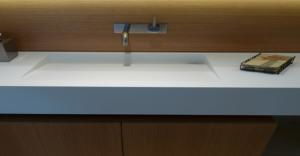
Finally, let’s touch upon the aesthetic nuances. While both offer a vast array of colors and finishes, the depth and translucency of some acrylics are simply unparalleled. The ability to create softly glowing surfaces or intricate layered effects is a hallmark of high-quality acrylic solid surfaces. Solid surfaces, while capable of impressive visual depth, might not always achieve the same level of translucency or the same subtle, natural-looking variations that some high-end acrylics can replicate. For designers aiming for a truly unique and luminous statement, acrylic often holds an edge.
Continuing our comparative journey between acrylic and solid surface materials, we delve deeper into the practicalities and long-term considerations that will ultimately guide your material selection. While the initial aesthetic appeal and basic functionality are crucial, understanding the nuances of maintenance, cost, and environmental impact can significantly influence your decision-making process. We’ve already explored their differing responses to heat and scratches, as well as their unique fabrication possibilities. Now, let’s bring these factors into sharper focus and see how they stack up in the real world.
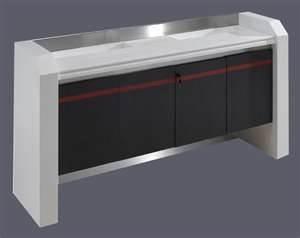
Maintenance is a cornerstone of any material’s longevity and everyday usability. One of the most celebrated attributes of both acrylic and solid surface materials is their non-porous nature. This means they do not absorb liquids, which makes them highly resistant to staining from common culprits like coffee, wine, and cooking oils. Spills can typically be wiped away with a damp cloth and mild detergent, leaving the surface clean and hygienic. This ease of cleaning is a significant advantage over natural materials like granite or marble, which require regular sealing to prevent staining and can be more porous. However, the difference in maintenance often boils down to the minor imperfections that can occur. As mentioned, acrylic’s ability to be repaired and buffed out relatively easily is a major plus. Minor scuffs, light scratches, and even deeper gouges can often be sanded and polished back to their original glory by a skilled professional, or sometimes even by a diligent DIYer with the right kit. This inherent repairability means that an acrylic surface can maintain its pristine appearance for decades, provided it receives occasional touch-ups.
Solid surfaces, while also offering excellent stain resistance, can present a slightly different maintenance challenge when it comes to scratches and deeper damage. Because some solid surfaces are harder, they may resist minor scratches better initially. However, when damage does occur, the repair process can be more complex. Deep scratches, chips, or burns on a solid surface might require the replacement of an entire section or a more involved refinishing process, often necessitating the skills of a certified fabricator. While the material itself is durable, the ability to “heal” itself through simple buffing, as is often the case with acrylic, is not always as straightforward. This means that while both are low-maintenance in terms of daily cleaning, acrylic often wins in terms of long-term aesthetic restoration.
Cost is, without a doubt, a significant factor in any project. Generally speaking, pure acrylic solid surfaces tend to be at the higher end of the price spectrum. This is often due to the quality of the acrylic polymers used and the advanced manufacturing processes involved in creating these highly malleable and visually sophisticated materials. The ability to thermoform them into complex shapes and create seamless, integrated designs also contributes to their premium positioning. Solid surfaces, as a broader category, can offer a wider range of price points. Standard solid surfaces, particularly those with a higher polyester content or more common color patterns, can be more budget-friendly. However, high-end solid surfaces that mimic natural stone very closely or feature intricate designs can approach or even exceed the cost of acrylic. When comparing like for like – for instance, a specific color and finish in both materials – the price difference might narrow, but often acrylic commands a premium for its superior thermoforming capabilities and potentially greater design flexibility. It’s worth noting that installation costs can also vary, with more complex acrylic designs potentially incurring higher labor charges.
When we consider the environmental impact, both materials have aspects to consider. Both acrylic and solid surfaces are engineered materials, meaning their production involves chemical processes and the use of petroleum-based resins. However, many manufacturers are increasingly focusing on sustainability. This can include using recycled content in their formulations, developing more energy-efficient manufacturing processes, and offering products with low volatile organic compound (VOC) emissions, which contributes to better indoor air quality. Acrylic, in particular, can sometimes be manufactured with a higher percentage of recycled materials. Furthermore, the longevity and repairability of acrylic can be seen as an environmental benefit. A surface that can be refurbished rather than replaced reduces waste over its lifespan. Solid surfaces can also be very durable, but their repairability limitations, as discussed, might lead to earlier replacement in some instances. It’s always advisable to research the specific manufacturer’s sustainability initiatives and certifications when making your choice.
Durability is a multifaceted concept. We’ve touched upon scratch resistance and heat resistance. In terms of impact resistance, both materials generally perform well. They are less prone to chipping and cracking than materials like ceramic tile or natural stone, especially at edges and corners. However, a significant impact can still cause damage to either surface. The key differentiator often lies in how that damage is addressed. Acrylic’s homogeneous nature means that even if it’s scratched or gouged, the repair process is generally less invasive and more effective at restoring the original appearance. Solid surfaces, while durable, might show repairs more readily or require more substantial intervention. So, while both are robust, acrylic often offers a more forgiving path to maintaining that robustness over time.
Aesthetics, as we’ve touched upon, can be a significant differentiator. While both offer an expansive palette, acrylic’s inherent properties allow for a greater degree of visual sophistication. The ability to achieve true translucency, to embed decorative elements within the material, or to create incredibly smooth, flowing curves that are virtually seamless, sets acrylic apart for designers seeking to push creative boundaries. Solid surfaces are excellent at mimicking natural materials and offer a wide range of contemporary looks, but they may not always achieve the same depth of luminosity or the extreme fluidity of form that pure acrylic can provide. For projects where a dramatic, sculpted, or luminous effect is desired, acrylic often presents a more compelling option.
In conclusion, while acrylic and solid surface materials share many desirable qualities – namely their non-porous nature, seamless appearance, and wide range of aesthetic options – their advantages and disadvantages are not entirely the same. Acrylic often shines in its unparalleled thermoforming capabilities, allowing for unique design complexities and integrated solutions. Its homogeneous composition also makes it highly repairable, a significant long-term advantage for maintaining its pristine appearance. On the other hand, some solid surfaces might offer slightly better initial scratch or heat resistance due to their composition and mineral content, and they can sometimes be found at a more accessible price point. However, the repairability of solid surfaces can be more challenging. Ultimately, the choice between them hinges on your project’s specific needs: the complexity of the design, the priority placed on repairability versus initial resistance, the budget, and the desired aesthetic impact. By understanding these subtle yet significant differences, you can confidently select the material that will not only meet but exceed your expectations, transforming your vision into a tangible, beautiful reality.









