
The allure of a perfectly smooth, seemingly unbroken surface is undeniable. It speaks of modern sophistication, clean lines, and a certain effortless elegance that can transform a space from ordinary to extraordinary. In the realm of interior design and material innovation, two contenders often vie for this coveted aesthetic: acrylic and solid surface. While they share a visual kinship, particularly in their ability to create seamless integrations, their fundamental compositions, properties, and applications paint a picture of distinct personalities. Understanding these differences is not just an academic exercise for design enthusiasts; it’s a crucial step for anyone embarking on a renovation, a new build, or even a simple upgrade, ensuring that the material chosen not only looks stunning but also performs beautifully for years to come.

At its core, acrylic, often referred to by trade names like Corian (though Corian is a specific brand of solid surface), is a type of polymer. Think of it as a plastic, but a highly engineered and refined one. Its primary component is methyl methacrylate (MMA), which is polymerized to create a hard, clear, and versatile material. When pigments and fillers are added, it transforms into an opaque, colored sheet that can be thermoformed, cut, and shaped with remarkable precision. This inherent plasticity is one of acrylic’s most celebrated attributes. It can be heated and molded into curves, organic shapes, and intricate designs that are simply impossible with more rigid materials. This makes it a designer’s playground, allowing for bespoke sinks seamlessly integrated into countertops, waterfall edges that cascade elegantly, and even sculptural furniture pieces. The seamlessness achieved with acrylic is truly a marvel; when two pieces are joined, the adhesive used is chemically identical to the sheet material, allowing for a bond that, once cured, is virtually indistinguishable from the original surface. This eliminates unsightly grout lines or visible seams, creating a hygienic and visually unbroken expanse.
Solid surface, on the other hand, is a composite material. While it shares acrylic resin as a binder, its composition also includes natural minerals, typically alumina trihydrate (ATH), derived from bauxite ore. This blend of acrylic resin and mineral filler gives solid surface its characteristic feel and performance. It’s not as inherently clear or as easily molded into extreme curves as pure acrylic, but it possesses a different kind of strength and resilience. Solid surface materials tend to be denser and have a slightly more substantial feel, often described as more “stone-like.” The presence of mineral fillers contributes to its fire-retardant properties and its ability to withstand a degree of impact without chipping or cracking, though this can vary between manufacturers and formulations. Similar to acrylic, solid surface can be fabricated to achieve seamless joints, allowing for integrated sinks and a clean, continuous look. However, the process of achieving these seamless bonds might involve slightly different adhesives and techniques compared to pure acrylic, though the end result is often aesthetically comparable.
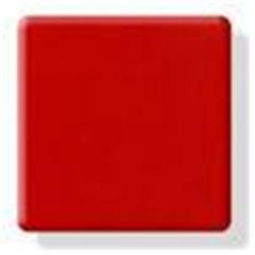
The aesthetic possibilities offered by both materials are vast, but with subtle nuances. Acrylic, with its inherent clarity, can be produced in a dazzling array of colors, including translucent options that allow light to pass through, creating stunning backlit effects. This opens up exciting possibilities for feature walls, glowing bar tops, or illuminated reception desks. The finish of acrylic can range from a high gloss that reflects light and adds a sense of spaciousness, to a more subdued matte finish. Solid surface also comes in a wide spectrum of colors and patterns, often mimicking the look of natural stone, granite, or marble with remarkable accuracy, but without the inherent porosity or maintenance challenges of natural materials. The patterns in solid surface are embedded throughout the material, meaning that if a scratch occurs, the underlying color and pattern remain consistent.
When it comes to fabrication, both materials offer a high degree of customization. Acrylic can be cut, routed, drilled, and thermoformed with relative ease, allowing for complex shapes and intricate details. Its workability makes it a popular choice for custom cabinetry, shelving, and decorative elements. Solid surface is also fabricated using specialized woodworking tools, but due to its density, it may require slightly different techniques and tooling compared to acrylic. Both can be shaped into countertops, integrated sinks, wall cladding, and furniture. The key differentiator here often lies in the complexity of the shapes desired. For highly complex curves and organic forms, acrylic might offer a slight edge due to its greater plasticity. For more geometric or stone-mimicking designs, solid surface excels.

The “seamless” aspect is a crucial selling point for both. Imagine a kitchen countertop that flows uninterrupted into a perfectly integrated sink, with no caulking or grout lines to trap dirt and grime. This is achievable with both acrylic and solid surface. The fabrication process involves cutting the material to size, shaping it, and then using a specialized adhesive that chemically bonds the pieces together. Once cured, the joint is incredibly strong and, when done skillfully, virtually invisible. This seamless design contributes to a more hygienic surface, as there are fewer places for bacteria to accumulate. It also offers a cleaner, more modern aesthetic that is highly sought after in contemporary interior design. However, the depth of this seamlessness and the ease with which it’s achieved can sometimes depend on the specific formulation of the material and the skill of the fabricator.
Durability is a paramount concern for most homeowners and designers. Both acrylic and solid surface are engineered to be durable, but their resilience manifests in slightly different ways. Acrylic, while tough, can be more susceptible to scratching than solid surface. Its smooth, often glossy finish can show minor abrasions more readily. However, the beauty of acrylic is its reparability. Minor scratches can often be buffed out with a fine-grit abrasive pad or polishing compound, restoring the surface to its former glory. Deeper scratches or damage can be repaired by a professional, often to the point where the repair is undetectable. Solid surface, with its mineral content, generally offers better resistance to scratches and impact. It’s a robust material that can withstand the rigors of daily use in busy kitchens and bathrooms. While it can still be scratched, the repairs are often similar to acrylic, involving sanding and polishing, and the embedded patterns ensure that the repair blends seamlessly.
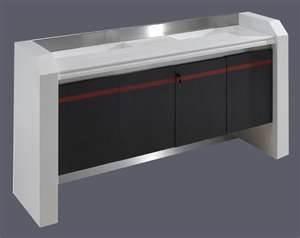
In summary, while both acrylic and solid surface offer a path to seamless, sophisticated surfaces, their fundamental compositions lead to distinct characteristics. Acrylic leans into its plastic nature, offering unparalleled formability and a vibrant spectrum of colors, including translucent options. Solid surface, with its mineral reinforcement, provides a denser, more stone-like feel with enhanced scratch resistance. This initial exploration sets the stage for a deeper dive into how these differences translate into practical considerations like maintenance, cost, and the ultimate impact on your design vision.
Continuing our exploration into the world of acrylic and solid surface, we now delve deeper into the practical considerations that influence material selection. Beyond the initial aesthetic appeal and fabrication possibilities, how do these materials hold up under the daily demands of a home or commercial space? What are the ongoing commitments required to keep them looking their best? And crucially, how do their price points align with various project budgets? Understanding these aspects is key to making a well-informed decision that balances form, function, and finances.
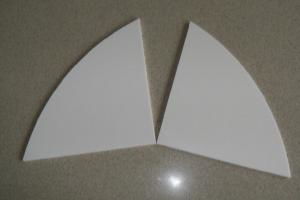
Maintenance is a vital aspect of any material choice, and here, both acrylic and solid surface offer significant advantages over traditional materials like natural stone or laminate. Their non-porous nature is a game-changer for hygiene. Unlike granite or marble, which have microscopic pores that can absorb liquids, leading to staining and harboring bacteria, both acrylic and solid surface resist absorption. This means spills of wine, coffee, or juice are less likely to leave a permanent mark. For everyday cleaning, a soft cloth with mild soap and water is typically all that’s needed. Regular wiping down prevents the buildup of grime and maintains the surface’s pristine appearance.
However, there are subtle differences in how they handle more aggressive cleaning or accidental damage. Acrylic, due to its softer nature, requires a gentler approach. Harsh abrasive cleaners or scouring pads can dull its finish or create fine scratches that, while repairable, are best avoided. For tougher stains on acrylic, specialized acrylic cleaners or a paste of baking soda and water can often do the trick. The key is to work with the material’s properties. If a scratch does occur, the good news is that acrylic is remarkably repairable. Minor scuffs can be buffed out with a fine-grit abrasive pad (like those used for automotive detailing) and a polishing compound. For deeper damage, a professional can often sand down the affected area and then re-polish it, making the repair virtually invisible. This reparability is a significant long-term benefit, allowing the material to maintain its beauty for many years.
Solid surface, while still non-porous and easy to clean, generally offers a bit more resilience against scratching. Its denser composition means it can withstand more vigorous cleaning. For stubborn stains on solid surface, you can often use a slightly more abrasive cleaner or a nylon scrubbing pad without fear of damaging the surface, provided you follow the manufacturer’s recommendations. However, it’s still advisable to avoid extremely harsh chemicals or prolonged exposure to direct heat, as these can potentially damage the resin binder. Like acrylic, solid surface can also be repaired. Scratches can be sanded out and the surface re-polished. Because the color and pattern are consistent throughout the material, the repair blends seamlessly. The ability to repair both materials effectively means that minor mishaps don’t have to spell the end of your surface’s aesthetic appeal.
When it comes to heat resistance, both materials have limitations, and this is an important consideration for kitchen countertops. Neither acrylic nor solid surface should be treated as a direct replacement for trivets or hot pads. While they can tolerate moderate heat for short periods, prolonged exposure to high temperatures from hot pans or ovens can cause discoloration, warping, or even cracking. Acrylic, being a plastic, is generally more susceptible to heat damage than solid surface. It can soften and deform more easily. Solid surface, with its mineral fillers, tends to have a slightly higher heat tolerance, but it’s still not impervious. Always use trivets for hot pots and pans to protect your investment and maintain the integrity of the surface.
The cost of acrylic and solid surface can vary significantly, influenced by brand, color, thickness, and complexity of fabrication. Generally speaking, solid surface materials can sometimes be more expensive than standard acrylic sheets, particularly for premium brands or those with intricate patterns that mimic natural stone. However, this is not a universal rule, and high-end acrylics with special effects or complex designs can certainly rival or exceed the cost of solid surface. The cost of fabrication also plays a major role. Intricate curves, integrated sinks, and custom edge profiles will increase the overall price for both materials. It’s essential to obtain quotes from reputable fabricators for specific designs and materials to get an accurate understanding of the investment involved. When comparing costs, it’s also worth considering the long-term value. The reparability of both acrylic and solid surface can extend their lifespan and reduce the need for premature replacement, potentially offering better value over time compared to materials that are harder to repair.
The range of applications for both materials is incredibly broad, highlighting their versatility. Acrylic is a favorite for contemporary and modern designs. Its ability to be molded into unique shapes makes it ideal for custom furniture, avant-garde countertops, reception desks, display cases, and even artistic installations. Its translucency opens up possibilities for dramatic lighting effects. Solid surface, while also capable of modern designs, often finds a comfortable home in spaces that aim for a sophisticated, natural-stone look without the associated maintenance. It’s a popular choice for kitchen countertops, bathroom vanities, shower walls, and commercial applications where durability and hygiene are paramount. Both materials are frequently used for integrated sinks, creating a seamless transition from countertop to basin that is both aesthetically pleasing and easy to clean.
When it comes to environmental considerations, both acrylic and solid surface have evolving profiles. Many manufacturers are increasingly focusing on sustainability, offering products with recycled content or those that are manufactured using more energy-efficient processes. Acrylics can be recycled, though the process might be more complex than recycling some other plastics. Solid surfaces, particularly those with high mineral content, are often seen as durable and long-lasting, reducing the need for replacement and thus their overall environmental footprint. It’s always a good idea to inquire about the specific environmental certifications or initiatives of the brands you are considering.
In conclusion, the choice between acrylic and solid surface often boils down to a nuanced understanding of your priorities. If your design vision calls for fluid, organic shapes, dramatic curves, or the possibility of backlighting, acrylic might be your preferred material, offering unparalleled formability and a vibrant palette. If you prioritize a more robust, stone-like feel with enhanced scratch resistance and a material that stands up exceptionally well to daily wear and tear, solid surface often emerges as the stronger contender. Both offer the coveted seamless aesthetic, exceptional hygiene, and the significant advantage of repairability. By carefully considering their distinct properties, maintenance requirements, cost implications, and the specific demands of your project, you can confidently select the material that will not only enhance the beauty of your space but also provide enduring functionality for years to come.









