
Choosing the right material for your countertops, vanities, or decorative surfaces is a decision that can significantly impact the look, feel, and functionality of your space. In the realm of modern interior design, two popular contenders often rise to the forefront: acrylic and solid surface. While they share some similarities in their seamless appearance and versatility, understanding their distinct characteristics is paramount to selecting the material that best aligns with your aesthetic aspirations and practical needs. This exploration aims to demystify the world of acrylic and solid surface, shedding light on their individual strengths and weaknesses to help you navigate this crucial choice with confidence.

Let’s begin by dissecting acrylic, a material that has carved a niche for itself through its remarkable adaptability and vibrant possibilities. At its core, acrylic is a type of thermoplastic polymer, often referred to by brand names like Corian (though Corian is technically a solid surface, the confusion is understandable given its widespread recognition). What sets acrylic apart is its inherent beauty and the sheer range of aesthetic treatments it can undergo. Imagine a surface that can be molded into virtually any shape, imbued with translucent qualities that allow light to play and dance, or even embedded with textures and particles to create truly bespoke designs. This malleability is one of acrylic’s most compelling selling points.
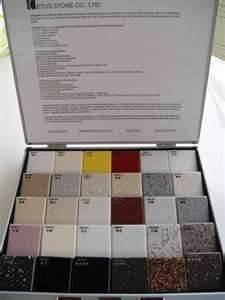
The visual appeal of acrylic is undeniable. It can mimic the look of natural stone with astonishing accuracy, offering a consistent and predictable pattern that many designers find advantageous. Unlike natural stone, which can have inherent variations, acrylic offers a controlled and uniform appearance, making it ideal for projects where precise color matching and pattern repetition are essential. Furthermore, acrylic can be manufactured in an extensive palette of colors, from the deepest, richest hues to the palest, most ethereal pastels. Its surface can be finished in various sheens, from a high gloss that reflects light and amplifies the sense of space, to a more subdued matte finish that exudes understated elegance. The ability to achieve such a diverse range of looks makes acrylic a chameleon in the design world, capable of seamlessly integrating into both contemporary and traditional settings.

Beyond its aesthetic prowess, acrylic boasts a number of practical advantages. Its non-porous nature is a significant benefit, particularly in high-traffic areas like kitchens and bathrooms. This means that spills, stains, and moisture have little to no ability to penetrate the surface, making it exceptionally hygienic and easy to clean. For households with young children or individuals prone to spills, this low-maintenance characteristic is a godsend. Regular cleaning typically involves a simple wipe-down with soap and water, and for more stubborn marks, a mild abrasive cleaner can often do the trick. The lack of porosity also means that acrylic is resistant to mold and mildew growth, contributing to a healthier indoor environment.
Another key advantage of acrylic lies in its repairability. While it is durable, if scratches or minor chips do occur, they can often be buffed out or repaired seamlessly. This is a stark contrast to some other countertop materials where damage can be permanent or require costly replacement. For minor imperfections, a skilled technician can often restore the surface to its original pristine condition, extending the lifespan of your investment and maintaining its aesthetic integrity. This ease of repair adds a layer of resilience and long-term value to acrylic surfaces.
However, no material is without its limitations, and acrylic is no exception. While it is scratch-resistant to a degree, it is not entirely impervious to damage. Sharp objects, abrasive cleaners, and excessive force can lead to scratches or gouges. While these can often be repaired, it does require a degree of care and attention during everyday use. For instance, using a cutting board when preparing food is highly recommended to prevent damage to the surface. Similarly, avoiding harsh chemicals and abrasive scouring pads will help maintain its smooth finish.
Heat resistance is another area where acrylic has a specific limitation. While it can tolerate moderate heat, placing extremely hot pots or pans directly onto an acrylic surface can cause discoloration or even warping. Trivets and hot pads are essential accessories for any kitchen featuring acrylic countertops to protect against thermal shock. This is a crucial consideration for those who frequently engage in high-heat cooking activities.
The cost of acrylic can also be a factor to consider. While it generally offers a more budget-friendly option compared to some natural stones or high-end quartz, it is typically more expensive than laminate or some other composite materials. The price can vary depending on the brand, complexity of the design, and installation costs, so obtaining quotes from reputable suppliers is always advisable.
In terms of environmental impact, the production of acrylic, like most synthetic materials, does involve energy consumption and the use of chemicals. However, many manufacturers are increasingly focusing on sustainable production methods and the recyclability of acrylic materials, which can mitigate some of these concerns. It’s worth investigating the eco-credentials of specific brands if environmental responsibility is a high priority for your project.
Ultimately, acrylic presents a compelling package of aesthetic flexibility, hygienic properties, and repairability. Its ability to be shaped, colored, and finished in a myriad of ways makes it a designer’s dream, capable of bringing unique visions to life. While it requires mindful use regarding sharp objects and extreme heat, its ease of maintenance and the potential for seamless repairs make it a practical and enduring choice for a wide range of applications.
Moving on from the versatile world of acrylic, we delve into the realm of solid surface, a material that shares some common ground with acrylic but possesses its own distinct set of characteristics and advantages. Solid surface is a composite material, typically made from acrylic or polyester resins combined with mineral fillers, such as bauxite. This unique composition results in a non-porous, homogenous material that is both durable and aesthetically pleasing, offering a sophisticated alternative for various interior applications.
One of the most significant hallmarks of solid surface is its seamless integration. Unlike natural stone or tile, solid surface slabs can be joined together with special adhesives that, when cured, create invisible seams. This means that countertops can extend across vast expanses without any visible breaks, resulting in a sleek, unbroken expanse that is both visually stunning and exceptionally hygienic. This seamless quality is particularly beneficial in kitchens and bathrooms, where grout lines in tile or seams in other materials can harbor bacteria and be difficult to clean. The continuous surface of solid surface minimizes these areas of potential contamination, contributing to a cleaner and healthier living environment.
The aesthetic possibilities with solid surface are also quite broad, though perhaps not as infinitely customizable as some acrylic formulations. Solid surface materials are available in a vast array of colors and patterns, designed to mimic the appearance of natural stone, granite, marble, or even abstract designs. Many solid surface options offer a more subtle and naturalistic look compared to some of the bolder or more translucent finishes achievable with acrylic. This makes them a popular choice for those who desire the elegance of natural stone without the inherent porosity, maintenance, and cost associated with it. The consistent patterns and colors ensure uniformity, which can be a significant advantage in large-scale installations or when trying to achieve a specific, cohesive design.
Durability is another strong suit of solid surface. Its robust composition makes it resistant to impacts, scratches, and stains. While it is not entirely impervious to damage, it offers a high level of resilience for everyday use. Minor scratches and scuffs can often be buffed out by a professional, restoring the surface to its original luster. This repairability is a key factor that contributes to the longevity of solid surface installations, making it a worthwhile investment for both residential and commercial spaces.
In terms of maintenance, solid surface is exceptionally user-friendly. Due to its non-porous nature, it resists stains from common household substances like coffee, wine, and food. Cleaning is typically a straightforward affair, requiring only mild soap and water. For tougher stains or dried-on residue, a non-abrasive cleaner can be employed. The absence of pores means that liquids cannot seep into the material, preventing the growth of mold and mildew, which is a considerable advantage in humid environments like bathrooms.
The thermoformability of solid surface is another impressive feature. This means that it can be heated and molded into curved shapes, allowing for unique design elements such as integrated sinks, waterfall edges, or custom-designed furniture. This ability to create complex and flowing forms opens up a world of creative possibilities for designers and homeowners alike, enabling them to achieve truly bespoke and visually striking features.
However, just as with acrylic, solid surface has its own set of considerations. While durable, it is not invincible. Deep scratches or chips can be more challenging to repair seamlessly than with some acrylics, and may require professional intervention to achieve a truly invisible fix. It’s crucial to use cutting boards and avoid dragging heavy or abrasive objects across the surface to minimize the risk of damage.
Heat resistance is also a factor to be mindful of. While solid surface can withstand moderate heat, prolonged exposure to very hot objects, such as directly placed hot pans from the stove, can lead to discoloration or scorching. The use of trivets and hot pads is highly recommended to protect the surface. The resins used in its composition can be susceptible to thermal degradation if not properly protected.
The cost of solid surface can vary widely depending on the brand, color, and complexity of the design. It generally falls into a mid-to-high price range, often comparable to or slightly more expensive than acrylic, but generally less than premium natural stones like granite or marble. The initial investment reflects the material’s durability, seamless appearance, and the skilled labor involved in its fabrication and installation.
When considering the environmental impact, the production of solid surface materials does involve manufacturing processes that consume energy and resources. However, many manufacturers are committed to sustainability, offering products with recycled content and utilizing eco-friendly production methods. Researching specific brands can help you make a more environmentally conscious choice.
In summary, solid surface offers a compelling blend of seamless aesthetics, hygienic properties, and robust durability. Its ability to create unbroken surfaces, its resistance to stains and moisture, and its repairability make it an excellent choice for a wide range of applications. While it requires careful handling to avoid scratches and extreme heat, its overall performance and sophisticated appearance make it a highly sought-after material for kitchens, bathrooms, and commercial spaces where both style and function are paramount.
The decision between acrylic and solid surface ultimately hinges on your specific priorities and design vision. If unparalleled aesthetic customization, translucency, and potentially a slightly more accessible price point for intricate designs are your focus, acrylic might be the preferred choice. If you prioritize seamless integration, a classic and naturalistic aesthetic, and robust, easily maintained surfaces for high-traffic areas, solid surface presents a strong case. Both materials offer a sophisticated and practical alternative to traditional options, allowing you to create spaces that are both beautiful and functional for years to come.









