Sure, I can help you with that! Here are two parts of a soft article on the topic “亚克力与人造石优缺点一样吗图片” (Are the Pros and Cons of Acrylic and Artificial Stone the Same? Images included).

The allure of a beautifully renovated kitchen or bathroom is undeniable. From sleek countertops that gleam under the light to seamless sinks that blend effortlessly with the surrounding surfaces, these spaces are often the heart of our homes. When embarking on such a transformation, the choice of materials plays a pivotal role in both the aesthetic appeal and the long-term functionality of your design. Two popular contenders that frequently emerge in these discussions are acrylic (often referred to as solid surface or cultured marble in certain contexts) and artificial stone, which can encompass a broader category including quartz and engineered stone. While they might appear similar at first glance, a closer inspection reveals that their strengths and weaknesses are anything but uniform. This article aims to demystify these materials, helping you navigate their unique characteristics so you can select the perfect fit for your vision.
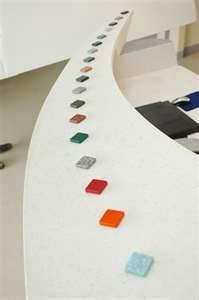
Let’s begin by delving into the world of acrylic, a material that has carved a significant niche in the design world due to its remarkable versatility and seamless aesthetic. Acrylic solid surface, a non-porous composite material, is typically made from a blend of acrylic polymer and alumina trihydrate (ATH). This unique composition lends itself to a host of desirable qualities. One of the most striking advantages of acrylic is its ability to be thermoformed. This means that under heat, it can be bent and shaped into virtually any form imaginable. Think of dramatic curves, integrated sinks that appear to sprout organically from the countertop, or even intricate decorative elements. This unparalleled design flexibility is a major draw for homeowners and designers seeking to push the boundaries of conventional aesthetics. The seamless nature of acrylic is another significant benefit. Joints and seams, often a weak point for hygiene and visual disruption in other materials, can be virtually eliminated with acrylic. Fabricators can bond pieces together using specialized adhesives, creating a smooth, unbroken surface that is not only visually appealing but also incredibly hygienic. This lack of pores means that spills and stains have nowhere to hide, making cleaning a breeze and preventing the growth of bacteria and mold. This makes acrylic an excellent choice for high-moisture areas like bathrooms and kitchens, or for applications where hygiene is paramount, such as healthcare settings.
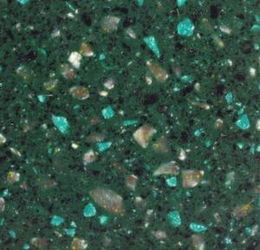
Furthermore, acrylic solid surface is known for its durability and repairability. While not as scratch-resistant as some of its artificial stone counterparts, minor scratches and scuffs can often be buffed out or repaired by a professional, breathing new life into the surface. This repairability contributes to its longevity and can be a cost-effective advantage over time. The material also offers a vast spectrum of colors and patterns, ranging from solid, vibrant hues to intricate veining that mimics natural stone. This extensive palette allows for a high degree of customization, ensuring that the material can complement any design scheme. The tactile quality of acrylic is also worth noting; it often feels warm and smooth to the touch, adding a sense of comfort and luxury to the space.
However, acrylic is not without its limitations. Its relative softness compared to materials like quartz means it can be more susceptible to scratching and chipping, especially under heavy use or with sharp objects. While repairable, preventing damage in the first place is always preferable. High heat can also be an issue. Direct contact with very hot pots and pans, without the use of trivets, can lead to scorching or discoloration. This is a crucial consideration for busy kitchens where quick transitions from stovetop to countertop are common. Another aspect to consider is its cost. While it can be more budget-friendly than high-end natural stones, premium acrylic solid surfaces can be comparable in price to some engineered stones, particularly when intricate fabrication or thermoforming is involved. The installation process also requires skilled professionals to ensure seamless joints and proper finishing, which can add to the overall expense. Finally, while its repairability is a plus, it’s important to understand that significant damage, such as deep gouges or burns, may require professional resurfacing or even replacement of the affected section, which can be more complex and costly than a simple buff. Understanding these nuances of acrylic is the first step in making an informed decision.
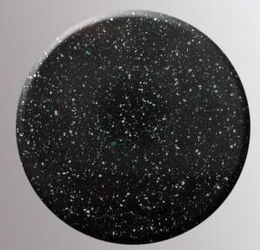
Now, let’s pivot to the realm of artificial stone. This is a broad category, but for the purpose of this comparison, we will primarily focus on engineered quartz and similar composite materials, as these are often the direct competitors to acrylic solid surfaces in terms of application and aesthetic. Artificial stone, particularly engineered quartz, is a marvel of modern material science. It is typically composed of around 90-95% natural quartz crystals, bound together with polymers and pigments. This composition results in a material that boasts exceptional strength, durability, and a consistent, sophisticated appearance. The primary advantage of engineered quartz lies in its incredible hardness and resistance to scratches and stains. The high concentration of quartz crystals makes it one of the most robust countertop materials available, able to withstand the rigors of daily kitchen use with minimal concern for damage. This makes it an ideal choice for those who prioritize low maintenance and high performance. Spills, from red wine to cooking oils, tend to bead up on the surface and can be easily wiped away without leaving a trace, thanks to its non-porous nature.
The consistency of engineered quartz is another significant benefit. Unlike natural stone, which can have significant variations in pattern and color from slab to slab, engineered quartz offers a predictable and uniform aesthetic. This makes it easier to match seams and achieve a cohesive look across large surfaces or multiple installations. The range of colors and patterns available is vast, from classic marble and granite imitations to bold, contemporary designs and solid colors, offering a wide array of choices to suit any interior style. The heat resistance of engineered quartz is also generally superior to acrylic. While it’s still advisable to use trivets for extremely hot items, it can tolerate higher temperatures than acrylic without showing signs of scorching or discoloration. This provides a greater sense of security in a bustling kitchen environment. Furthermore, engineered quartz is highly resistant to UV light, meaning its color will not fade over time, even in areas exposed to direct sunlight. This makes it a reliable choice for both indoor and outdoor applications where color stability is important. The installation of engineered quartz typically involves precise cutting and fitting, with seams being more visible than with acrylic due to the material’s hardness and the need for specialized tools. However, advancements in fabrication techniques have minimized the prominence of these seams, and professional installation ensures a high-quality finish.
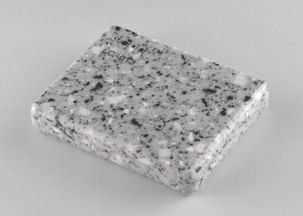
Despite its numerous advantages, engineered quartz also presents certain considerations. Its rigidity, while a strength in terms of durability, also means it is less forgiving than acrylic when it comes to impact. Heavy objects dropped on the edge of a countertop can potentially chip or crack it. While repairable, these repairs might be more noticeable than those on acrylic. The “cold” feel of engineered quartz, compared to the warmer touch of acrylic, is a subjective point but can influence the overall ambiance of a space. For some, it may feel less inviting or comfortable. The cost of engineered quartz can also be a factor. While it offers excellent value for its durability and low maintenance, high-end quartz designs can be more expensive than some acrylic options, especially when considering the complexity of fabrication and installation. Moreover, while it’s resistant to stains, certain highly acidic substances, if left for extended periods, could potentially etch the surface, though this is rare and often preventable with prompt cleanup. Finally, the manufacturing process of engineered quartz does involve the use of resins, which are polymers. While these are generally considered safe and stable once cured, some consumers are increasingly mindful of the material composition and seek out alternatives with more natural ingredients.
In conclusion, the decision between acrylic and artificial stone (like engineered quartz) hinges on your priorities. If unparalleled design flexibility, seamless integration, and a warm, inviting feel are paramount, acrylic solid surface might be your ideal choice, provided you are mindful of its scratch and heat sensitivity. If exceptional durability, extreme scratch and stain resistance, and a consistent, low-maintenance finish are your top requirements, then engineered quartz stands out as a superior option. Both materials offer stunning aesthetics and can elevate your home, but understanding their distinct pros and cons is the key to unlocking the perfect renovation that will serve you beautifully for years to come.