
The quest for the perfect surface is a cornerstone of any successful home renovation. Whether you’re dreaming of a culinary haven that gleams with modern efficiency or a serene bathroom sanctuary, the material you choose for your countertops and vanities plays a starring role. In the ever-expanding universe of surfacing options, two contenders consistently emerge: acrylic and solid surface. While often grouped together due to their similar appearances and seamless capabilities, these materials are distinct entities, each possessing its own unique set of strengths and weaknesses. Understanding these nuances is key to unlocking the full potential of your design vision and ensuring a long-lasting, beautiful result.

Let’s begin by dissecting acrylic, often referred to by brand names like Corian (though Corian is technically a solid surface, the term has become somewhat generalized). At its core, acrylic solid surface is a non-porous, man-made material composed primarily of acrylic polymers and alumina trihydrate (ATH). This unique blend results in a material that is incredibly versatile, visually appealing, and surprisingly forgiving. One of acrylic’s most celebrated advantages is its virtually seamless appearance. Unlike natural stone or laminate, acrylic sheets can be expertly joined with special adhesives that, once cured, become indistinguishable from the rest of the surface. This means no unsightly grout lines or seams to trap dirt and bacteria, making it an exceptionally hygienic choice, particularly for kitchens and bathrooms where cleanliness is paramount. The non-porous nature of acrylic also means it resists staining from common household culprits like wine, coffee, and grease. Spills can typically be wiped away with ease, leaving no trace behind.
Beyond its practical benefits, acrylic boasts an impressive range of design possibilities. It is available in an extensive palette of colors, patterns, and textures, from subtle earth tones and vibrant hues to those mimicking the look of natural stone. This design flexibility allows it to seamlessly integrate into any aesthetic, whether you’re aiming for a minimalist modern look, a classic traditional feel, or something entirely bespoke. Furthermore, acrylic’s inherent warmth to the touch, compared to the often-chilly feel of granite or quartz, adds a touch of comfort and luxury to your living spaces.
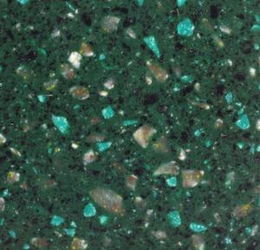
However, like any material, acrylic isn’t without its drawbacks. While it’s durable, it’s not indestructible. Its softer composition makes it more susceptible to scratches and heat damage than some other countertop materials. While minor scratches can often be buffed out or repaired by a professional, deeper gouges or significant heat exposure can be more challenging to rectify. This means that while you don’t need to baby an acrylic surface, a certain degree of mindfulness is required. Using trivets for hot pots and pans and a cutting board for chopping will go a long way in preserving its pristine appearance. Another consideration is its cost. While generally more affordable than natural stone, acrylic can be a significant investment, especially for larger projects or custom designs. The installation process, which requires skilled fabricators to achieve those seamless joints, also contributes to the overall price.
The repairability of acrylic, however, is a significant redeeming feature. Minor scratches and even small chips can often be professionally repaired, restoring the surface to its original glory. This contrasts with materials like laminate, where damage is often permanent and requires replacement. The ability to refresh and rejuvenate an acrylic surface over time adds to its long-term value and appeal. When considering acrylic, think of it as a sophisticated, adaptable material that offers a beautiful and hygienic solution for a wide range of applications. It’s a material that prioritizes seamless integration, color versatility, and a user-friendly experience, making it a compelling choice for homeowners seeking both style and substance. Its ability to be thermoformed into curved shapes also opens up a world of creative design possibilities, allowing for integrated sinks, backsplashes, and unique architectural features that are simply not achievable with more rigid materials.
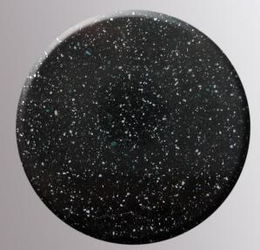
The translucency of certain acrylic colors also opens up unique lighting design opportunities, allowing for backlighting that creates a warm and inviting ambiance. This is a feature rarely found in other solid surface materials. In summary, acrylic excels in areas of hygiene, design flexibility, seamless aesthetics, and repairability. It’s a material that invites creativity and offers a practical, elegant solution for modern living. While it demands a mindful approach to heat and sharp objects, its overall performance and aesthetic appeal make it a worthy contender for any discerning homeowner.
Now, let’s pivot to the realm of solid surface materials, which, while sharing some common ground with acrylic, also carve out their own distinct identity. Solid surface is a composite material consisting of a blend of natural minerals (often bauxite-derived alumina trihydrate), pigments, and acrylic or polyester resins. The exact composition can vary between manufacturers, leading to subtle differences in performance and characteristics. Like acrylic, solid surface is non-porous, which translates to excellent stain resistance and ease of cleaning. This shared attribute makes both materials superb choices for kitchens, bathrooms, and healthcare environments where hygiene is a top priority. The ability to achieve seamless joints is another hallmark of solid surface, contributing to its sleek, contemporary look and preventing the proliferation of bacteria and mold.
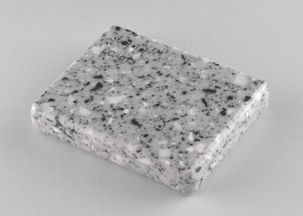
The aesthetic appeal of solid surface is undeniable. It offers a vast array of colors and patterns, from classic whites and neutral tones to bold, vibrant shades and intricate veining that mimics natural stone. This broad spectrum of choices ensures that solid surface can complement virtually any interior design style. The material’s inherent uniformity also means that any repairs or replacements will blend in seamlessly, maintaining the integrity of the overall design. This consistency is a significant advantage, especially when compared to natural stone, where variations in pattern and color can be pronounced.
When it comes to durability, solid surface generally holds its own, offering good resistance to impacts and daily wear and tear. However, it’s important to note that its resilience can vary depending on the specific resin used in its composition. Polyester-based solid surfaces, for instance, might be slightly more prone to scratching than their acrylic counterparts. Again, the use of cutting boards and trivets is advisable to prolong the life and beauty of your solid surface countertops. One of the key differentiating factors that often comes up when comparing acrylic and solid surface is their perceived rigidity and temperature resistance. While both can be damaged by extreme heat, solid surface is often considered to have a slightly higher tolerance. However, it’s still not recommended to place scorching hot cookware directly onto the surface.
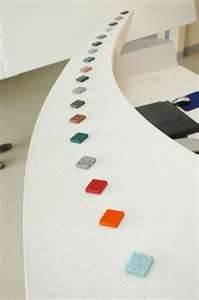
The cost of solid surface is typically competitive with acrylic. It can be more budget-friendly than high-end natural stones like granite or marble, but it’s generally a more significant investment than laminate or tile. The price will fluctuate based on the brand, complexity of the design, and the intricacy of the fabrication and installation process. Like acrylic, the expertise of the fabricator is crucial for achieving those flawless seams and a professional finish.
One of the most compelling advantages of solid surface is its repairability. Minor scratches, chips, and even burn marks can often be sanded out and buffed to a like-new condition. This makes it a practical and long-term investment, as the surface can be rejuvenated over time, extending its lifespan and preserving its aesthetic appeal. For homeowners who appreciate the ability to refresh and maintain their surfaces, solid surface offers a significant benefit.
When we consider the practicalities of everyday life, solid surface truly shines. Its non-porous nature means that even stubborn stains are unlikely to penetrate, making cleanup a breeze. This is particularly valuable in busy kitchens where spills are a common occurrence. The seamless installation also means that maintenance is simplified, as there are no crevices for dirt and grime to accumulate. This contributes to a more hygienic living environment, which is especially important for families with young children or individuals with allergies.
In comparing the two materials directly, the choice between acrylic and solid surface often boils down to subtle preferences and specific project needs. Acrylic might have a slight edge in terms of its inherent warmth and its unique ability to be thermoformed into complex curves and shapes, offering unparalleled design freedom for integrated sinks and artistic features. Solid surface, on the other hand, might be perceived by some as slightly more robust in certain formulations and can offer a broader range of finishes that closely mimic natural stone. Ultimately, both materials offer a compelling blend of beauty, functionality, and low maintenance. They are materials that speak to a desire for clean lines, hygienic surfaces, and a design that feels both modern and timeless. Whether you opt for the soft elegance of acrylic or the versatile robustness of solid surface, you’re investing in a surface that promises to enhance your home’s beauty and functionality for years to come. The decision hinges on weighing the specific advantages each offers against your personal priorities, budget, and the overall aesthetic you wish to achieve.









