
The allure of a beautifully crafted countertop is undeniable. It’s the centerpiece of many kitchens, a functional workhorse in bathrooms, and a statement piece in commercial spaces. For years, homeowners and designers have been captivated by materials that offer both aesthetic appeal and practical resilience. Two contenders that consistently vie for the spotlight in this arena are acrylic and solid surface. While they may appear similar at first glance, these materials possess distinct characteristics that cater to different needs and preferences. Understanding their individual strengths and weaknesses is key to unlocking the perfect fit for your next project.

Acrylic, often referred to by brand names like Corian® (though Corian® is technically a solid surface, the term is sometimes used colloquially for similar materials), is a manufactured, non-porous material composed primarily of acrylic polymers and alumina trihydrate (ATH), a derivative of bauxite ore. This unique composition lends it a host of desirable properties. One of its most celebrated attributes is its remarkable versatility in design. Acrylic can be thermoformed, meaning it can be heated and bent into curves, organic shapes, and even complex three-dimensional forms. This opens up a world of creative possibilities, allowing for seamless integration of sinks and backsplashes, the creation of flowing waterfall edges, and the incorporation of intricate decorative elements. The absence of visible seams is another significant advantage. Because acrylic can be fabricated and joined with special adhesives that melt the material together, the resulting bonds are virtually invisible. This not only contributes to a sleek, modern aesthetic but also eliminates grout lines where dirt and grime can accumulate, making cleaning and maintenance a breeze.
The non-porous nature of acrylic is a major selling point, particularly in kitchens and bathrooms. This means that liquids, stains, and bacteria cannot penetrate the surface. This inherent resistance makes it highly hygienic and ideal for food preparation areas or environments where cleanliness is paramount. Spills of wine, coffee, or juice can typically be wiped away with ease, leaving no lingering marks or odors. Furthermore, acrylic is relatively lightweight compared to natural stone options like granite or quartz, which can simplify installation and potentially reduce structural requirements for cabinetry. Its repairability is another considerable benefit. Minor scratches or chips can often be buffed out or repaired on-site by a professional, restoring the countertop to its original luster without the need for complete replacement. This longevity and ease of restoration can translate into significant cost savings over the lifespan of the material.
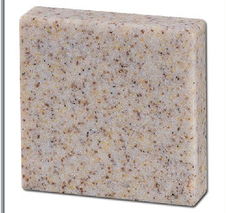
However, acrylic is not without its drawbacks. Perhaps its most significant limitation is its susceptibility to heat. While it can withstand moderate temperatures, prolonged exposure to high heat, such as from hot pots or pans placed directly on the surface, can cause scorching, discoloration, or even melting. This necessitates the diligent use of trivets and hot pads, a practice that, while sensible for any countertop material, is particularly critical with acrylic. Its surface hardness is also a consideration. While durable against everyday wear and tear, acrylic can be scratched by sharp objects or abrasive cleaning tools. While repairs are possible, deep scratches can be more challenging and costly to rectify. The cost of acrylic can also be a factor. It typically falls in the mid to high price range for countertops, comparable to or sometimes exceeding the cost of granite, depending on the brand, color, and complexity of the fabrication. While the initial investment may be higher than some laminate options, its durability, repairability, and aesthetic advantages often justify the expense for many.
The range of colors and patterns available in acrylic is extensive, offering a spectrum from solid, vibrant hues to more subtle, marbled or speckled designs. This allows for significant personalization to match any interior design scheme. Its ability to be translucent in certain formulations also opens up possibilities for unique lighting effects and artistic installations. When considering acrylic, it’s important to work with reputable fabricators who have experience with the material. Proper templating, fabrication, and installation are crucial to achieving the seamless, custom look that acrylic is known for. The quality of the adhesive used for joining pieces also plays a vital role in the overall integrity and appearance of the finished product. The tactile experience of acrylic is also worth noting; it typically has a smooth, warm-to-the-touch feel, which can be more inviting than the often-cold surfaces of stone or quartz. This subtle difference can contribute to the overall ambiance of a space. When it comes to maintenance, a soft cloth with mild soap and water is usually sufficient for daily cleaning. Avoiding abrasive cleaners and harsh chemicals is key to preserving the surface’s integrity and finish. For tougher stains or minor scratches, specialized acrylic cleaning and polishing compounds are available and highly recommended.
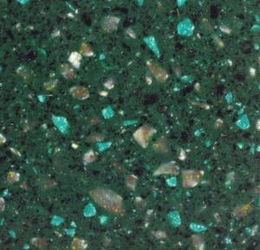
In the ongoing quest for the ideal countertop material, solid surface countertops have carved out a significant niche, offering a compelling alternative to acrylic and other popular choices. Solid surface, in essence, is a composite material made from a blend of acrylic or polyester resins, pigments, and mineral fillers. This composition results in a material that shares many of the desirable traits of acrylic, such as its non-porous nature and seamless appearance, while possessing some distinct differences in its performance and application. The term “solid surface” itself is indicative of its construction – it is homogenous throughout, meaning the color and pattern extend through the entire thickness of the material. This is a crucial distinction from materials like laminate, which have a decorative layer on top of a core substrate.
One of the most celebrated aspects of solid surface countertops is their remarkable ability to be fabricated and installed with virtually invisible seams. Similar to acrylic, solid surface materials can be bonded together using specialized adhesives that chemically fuse the material, creating a continuous, unbroken surface. This seamless quality not only enhances the aesthetic appeal, lending a clean and modern look to kitchens and bathrooms, but also contributes significantly to hygiene. The absence of grout lines or cracks means there are fewer places for bacteria, mold, and mildew to harbor, making solid surface an excellent choice for healthcare settings, laboratories, and busy family kitchens where cleanliness is a top priority. The non-porous nature of solid surface means that spills, stains, and liquids are unable to penetrate the surface. This makes it highly resistant to staining from common culprits like wine, coffee, and food dyes. Cleaning is typically straightforward, requiring only mild soap and water for most everyday messes.
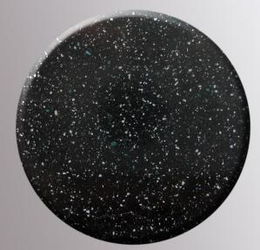
The repairability of solid surface countertops is another significant advantage. Minor scratches, scuffs, or even small chips can often be repaired on-site by a qualified professional. The process typically involves sanding down the affected area and then buffing it to restore the original finish. This ability to “refresh” the surface over time can extend the lifespan of the countertop considerably and help maintain its pristine appearance without the need for costly replacements. In terms of design flexibility, solid surface offers a wide array of colors, patterns, and textures, ranging from solid, vibrant hues to realistic stone-like veining. Many manufacturers also offer custom color matching services, allowing for a truly bespoke look. Furthermore, solid surface can be thermoformed, similar to acrylic, enabling the creation of curved edges, integrated sinks, and other unique design elements. This adaptability makes it a popular choice for custom cabinetry and intricate architectural details.
However, like any material, solid surface countertops have their limitations. One of the primary considerations is their susceptibility to heat. While they can tolerate moderate temperatures, prolonged exposure to direct heat from hot pots, pans, or appliances can cause discoloration, scorching, or even damage to the surface. Therefore, the use of trivets, hot pads, and cutting boards is essential to protect the countertop from high temperatures. Another point of comparison with acrylic is surface hardness. While solid surface is durable for everyday use, it can be scratched by sharp knives or abrasive cleaning materials. While repairs are generally feasible for minor scratches, deeper or more extensive damage may require professional intervention and can be more challenging to rectify seamlessly. The cost of solid surface countertops typically falls within the mid to high price range, often comparable to granite or quartz, depending on the brand, complexity of the design, and fabrication requirements. While the initial investment may be higher than some laminate or tile options, its durability, seamlessness, and repairability often present a strong value proposition over the long term.
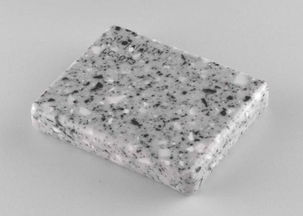
When choosing between acrylic and solid surface, it’s important to consider the specific demands of your space and your aesthetic preferences. While both materials offer non-porous, seamless, and repairable surfaces, their precise compositions and manufacturing processes can lead to subtle differences in performance and feel. For instance, some designers note that acrylic can feel slightly warmer to the touch than solid surface, a minor but sometimes noticeable difference in tactile experience. The specific formulations of resins and fillers can also influence the overall durability and resistance to certain types of wear and tear. Ultimately, the decision between acrylic and solid surface often comes down to a nuanced evaluation of factors such as budget, desired aesthetic, required level of heat resistance, and the importance of specific design features like thermoforming capabilities. Consulting with experienced fabricators and designers can provide invaluable insights, helping you navigate the technical specifications and aesthetic possibilities of each material to make a choice that you will cherish for years to come. The longevity and satisfaction derived from a well-chosen countertop are paramount, and a thorough understanding of these modern materials is the first step towards achieving that goal.









