
The quest for the perfect countertop material is a journey filled with choices, each promising beauty, durability, and a touch of luxury. Among the frontrunners, acrylic and solid surface materials often emerge as top contenders, each boasting a compelling set of features. But how do they truly stack up against each other? The differences, while sometimes subtle, can significantly impact your decision, influencing everything from aesthetics and maintenance to long-term value. Let’s embark on an exploration of these two popular materials, dissecting their pros and cons to empower you in making an informed choice for your home.

Acrylic, often marketed under brand names like Corian (though Corian is technically a solid surface, the term has become somewhat generalized in popular discourse, leading to common confusion), is a non-porous, man-made material composed primarily of acrylic polymers and alumina trihydrate (ATH). This composition lends it a unique set of characteristics that make it a versatile choice for a variety of applications, from kitchen countertops and bathroom vanities to seamless sinks and even decorative elements.
One of acrylic’s most celebrated advantages is its non-porous nature. This means it doesn’t absorb liquids, making it highly resistant to stains from common culprits like wine, coffee, and oil. For busy kitchens and active bathrooms, this is a significant plus, as it translates to easier cleaning and a more hygienic surface. Spills can simply be wiped away, leaving no trace. Furthermore, this non-porous quality also makes acrylic inherently resistant to mold, mildew, and bacteria growth, contributing to a healthier living environment.
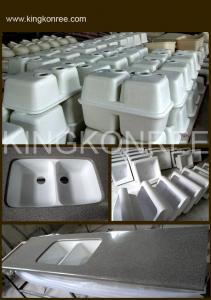
Seamless integration is another hallmark of acrylic. Because it can be thermoformed and joined with special adhesives that create invisible seams, designers and homeowners can achieve a sleek, continuous look. This is particularly desirable for large kitchen islands or integrated sinks, where traditional seams can be unsightly and potential collection points for grime. The ability to create custom shapes and curves also opens up a world of design possibilities, allowing for truly unique and personalized spaces.
When it comes to repairability, acrylic shines. Minor scratches and scuffs, which are almost inevitable with daily use, can often be buffed out or repaired relatively easily. For deeper damage, a skilled fabricator can often resurface the material, restoring it to its original glory. This extends the lifespan of acrylic surfaces and can save you money on costly replacements down the line.
However, acrylic isn’t without its drawbacks. Its resistance to heat is a significant concern. While it can withstand moderate temperatures, prolonged exposure to very hot items, such as a directly placed hot pot or pan, can cause scorching, discoloration, or even permanent damage. Trivets and hot pads are not just recommended; they are essential for protecting your acrylic surfaces. This is a crucial point to consider, especially if you’re a frequent cook who often places hot cookware directly on countertops.
Scratch resistance is another area where acrylic can fall short compared to some other materials. While it can be repaired, the fact that it can scratch more easily than, say, granite or quartz, means that a degree of caution is necessary. Dropping sharp objects or dragging heavily abrasive items across the surface can lead to visible marks that may require attention.

The cost of acrylic can also be a factor. While not as expensive as some high-end natural stones, it typically falls into a mid-to-high price range, especially when factoring in professional installation and custom fabrication. The specialized adhesives and fabrication techniques required for seamless integration and thermoforming can contribute to a higher overall investment.
Now, let’s turn our attention to solid surface materials. Often used interchangeably with acrylic due to some overlapping characteristics, true solid surface is also a man-made composite material. It typically consists of a blend of natural minerals (like bauxite ore), acrylic polymers, and pigments. This composition gives it a different feel and performance profile compared to pure acrylic.
A major advantage of solid surface is its durability and resilience. While still non-porous and stain-resistant, many solid surface formulations offer superior resistance to heat and scratches compared to acrylic. This makes it a more forgiving option in high-traffic areas and for those who may be less diligent with heat protection. The ability to withstand a broader range of temperatures makes it a more practical choice for kitchens where culinary activities can involve significant heat.
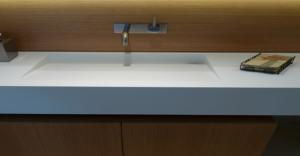
Similar to acrylic, solid surface materials also boast seamless installation. The same adhesives and fabrication techniques can be employed to create a monolithic appearance, eliminating unsightly grout lines and enhancing hygiene. This uniformity contributes to a clean, modern aesthetic that is highly sought after in contemporary design.
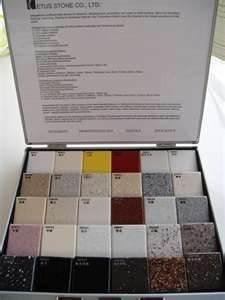
The variety of colors and patterns available in solid surface is another compelling aspect. Manufacturers offer an extensive palette, ranging from solid, vibrant hues to intricate patterns that mimic the look of natural stone, quartz, or even concrete. This wide selection allows for greater design flexibility, enabling homeowners to find a material that perfectly complements their existing décor or achieves a specific aesthetic vision.
Repairability is also a strong suit for solid surface. Like acrylic, minor scratches and chips can often be sanded out and polished, restoring the surface. For more significant damage, skilled professionals can often repair and blend the area, making it virtually indistinguishable from the original. This inherent repairability contributes to the longevity of the material and its value over time.
However, solid surface materials also have their considerations. While generally more resistant than acrylic, they are not entirely impervious to damage. Extreme heat can still cause issues, although the threshold is typically higher. Similarly, while more scratch-resistant than acrylic, aggressive use of abrasive cleaners or sharp objects can still lead to marks.
The cost of solid surface can be comparable to or slightly higher than acrylic, depending on the brand, specific product line, and complexity of the installation. Premium solid surface options with advanced performance characteristics or intricate aesthetic designs can command a higher price point.
When comparing these two materials, it’s clear that while they share some common ground, their distinct compositions lead to notable differences in performance and application. The decision between acrylic and solid surface often boils down to prioritizing specific attributes. If ease of cleaning, seamless design, and a slightly softer feel are paramount, and you are committed to using trivets religiously, acrylic might be your ideal choice. If you seek a more robust material that offers a greater degree of resilience against heat and scratches, with an equally impressive range of aesthetic options, solid surface could be the winner. Understanding these nuances is the first step towards making a choice that you’ll be delighted with for years to come.
Continuing our deep dive into the world of acrylic and solid surface materials, let’s refine our understanding by looking at specific scenarios and practical considerations that might tip the scales in favor of one over the other. While the broad strokes of their advantages and disadvantages have been laid out, the devil, as they say, is often in the details, and these details can significantly influence the long-term satisfaction with your chosen surface.
Consider the lifestyle and usage patterns in your home. If your kitchen is a high-volume hub of culinary activity, with frequent boiling, sautéing, and baking, the heat resistance of solid surface might offer a crucial advantage. While even solid surface isn’t indestructible and shouldn’t be treated as a trivet substitute for extremely hot cookware, its higher tolerance for moderate heat can provide peace of mind. Conversely, if your primary use for the surface is in a bathroom vanity, where heat exposure is generally minimal, the excellent stain resistance and seamless aesthetic of acrylic might be more than sufficient.
Aesthetics and Design Flexibility deserve a closer look. Both materials offer a vast array of colors and patterns, but the way they achieve these looks can differ. Acrylic, with its inherent translucency and ability to be molded into complex shapes, is often favored for more contemporary and avant-garde designs. It can create a luminous effect, and its seamless nature allows for truly sculptural elements that might be more challenging or expensive to achieve with solid surface. Solid surface, on the other hand, often excels at mimicking the look and feel of natural materials. If you desire the appearance of marble or granite without the porosity and maintenance demands, a high-quality solid surface can be an incredibly convincing option. The pigment integration in solid surface can also lead to richer, deeper colors that are less prone to fading over time, especially in areas with direct sunlight.
When it comes to maintenance and cleaning, both materials are generally low-maintenance due to their non-porous nature. However, the method of cleaning can be critical. For acrylic, mild dish soap and water or a non-abrasive household cleaner are usually sufficient. For tougher stains, specific acrylic cleaners are available. It’s vital to avoid abrasive scouring pads or harsh chemicals, which can dull the finish or even damage the surface. For solid surface, the same gentle approach is recommended. While more resilient, using abrasive materials can still dull the finish over time, and it’s always best to err on the side of caution. If you are someone who prefers a more robust approach to cleaning, or perhaps has young children who are prone to using crayons or markers on every available surface, understanding the repairability of each material becomes even more important.
Let’s talk about cost and value. The initial purchase price is only one part of the equation. The cost of fabrication and installation can also vary significantly. Seamless integration, complex edge profiles, and the need for specialized tools and techniques can drive up the price for both materials. However, if you are opting for a simple, straightforward installation in a standard size, the costs might be more closely aligned. When considering long-term value, the repairability of both acrylic and solid surface is a major contributor. The ability to fix scratches and minor damage can significantly extend the life of the surface, potentially saving you money on replacements over the years. The perceived value also comes into play – does the aesthetic appeal and performance justify the investment for your specific needs?
Environmental considerations are increasingly important for many homeowners. Both acrylic and solid surface are manufactured products. The production of acrylic polymers can be energy-intensive. However, many manufacturers are now focusing on more sustainable production methods and incorporating recycled content into their products. Solid surface materials, which often contain natural minerals, might have a different environmental footprint depending on the sourcing and processing of those minerals. It’s worth investigating the specific manufacturer’s environmental policies and certifications if this is a primary concern for you.
Installation and Fabrication Nuances are also worth noting. While both materials can be fabricated into custom shapes, acrylic’s ability to be thermoformed at higher temperatures allows for more extreme curves and complex three-dimensional forms. This makes it a favorite for designers pushing the boundaries of form and function. Solid surface fabrication, while still versatile, might have more limitations in terms of extreme shaping compared to acrylic. The skill of the fabricator is paramount for both materials; a poorly executed seam or an improperly repaired scratch can detract significantly from the overall appearance and performance.
Ultimately, the choice between acrylic and solid surface is a personal one, dictated by your priorities, your lifestyle, and your aesthetic vision.
If your top priorities are:
Ultimate seamlessness and modern design: Acrylic’s ability to create flowing lines and integrated sinks may be unmatched. Budget-conscious yet high-performance: Both can be competitive, but research specific product lines and installation costs. A softer, warmer feel underfoot (for flooring applications): Acrylic can sometimes feel warmer than denser solid surfaces. A focus on unique, sculptural forms: Acrylic’s thermoforming capabilities offer more design freedom in this regard.
If your top priorities are:
Superior heat and scratch resistance for a busy kitchen: Solid surface generally offers a higher tolerance. A more convincing imitation of natural stone or concrete: Solid surface often excels in replicating these aesthetics. A slightly more robust and forgiving material for everyday use: Solid surface can be more resilient to minor impacts and thermal fluctuations. A wide spectrum of colors and patterns, including deep, rich hues: Solid surface manufacturers offer an extensive and often vibrant range.
It’s highly recommended to get samples of both materials and see them in your own lighting, next to your cabinetry and flooring. Feel the texture, test their resistance to common spills (with appropriate caution!), and visualize how they would integrate into your space. Consulting with experienced fabricators and designers can also provide invaluable insights, helping you navigate the technical specifications and aesthetic possibilities of each material. By understanding the subtle yet significant differences between acrylic and solid surface, you can confidently select the material that not only enhances the beauty of your home but also meets the demands of your daily life, ensuring a decision you’ll cherish for years to come.









