
In the realm of contemporary interior design, the selection of surfacing materials plays a pivotal role in shaping both the visual appeal and the functional integrity of a space. Among the frontrunners, acrylic and solid surface materials have garnered significant attention, each boasting a unique set of characteristics that cater to diverse aesthetic preferences and practical demands. While they might appear similar at first glance, a closer examination reveals distinct differences in their composition, performance, and ultimately, their suitability for various applications. This article embarks on a comprehensive exploration of acrylic and solid surface, dissecting their individual strengths and weaknesses to empower you with the knowledge to make an informed decision for your next design endeavor.
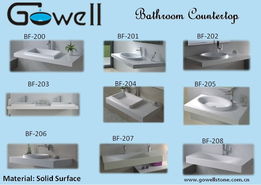
Acrylic, often referred to by brand names like Corian (though Corian is technically a solid surface, the term is sometimes used colloquially to describe acrylic-based materials), is a polymer-based composite. Its defining characteristic is its non-porous nature, which contributes significantly to its hygienic properties. This lack of porosity means that liquids, bacteria, and stains are less likely to penetrate the surface, making it an attractive option for environments where cleanliness is paramount, such as kitchens, bathrooms, and healthcare facilities. The manufacturing process allows for a wide spectrum of colors, patterns, and even translucency, offering designers immense creative freedom. Acrylic can be thermoformed, meaning it can be heated and molded into complex curves and shapes, enabling seamless integration into intricate designs that might be impossible with more rigid materials. This adaptability extends to its repairability; minor scratches or chips can often be buffed out or repaired relatively easily, restoring the surface to its original pristine condition.
However, acrylic is not without its limitations. Its primary drawback lies in its susceptibility to heat. While it can withstand moderate temperatures, prolonged exposure to excessive heat, such as from hot pots and pans placed directly on the surface, can lead to scorching, discoloration, or even melting. This necessitates the diligent use of trivets and heat-resistant mats, a consideration that can impact the user experience. Furthermore, while generally durable, acrylic can be more prone to scratching than some other surfacing materials. While minor abrasions can be repaired, deeper scratches can be more challenging to rectify and may require professional intervention. The cost of acrylic can also be a factor; while it offers a premium look and feel, it often comes with a higher price tag compared to some laminate or natural stone options. Installation can also be more specialized due to its unique properties, potentially adding to the overall project cost.

Solid surface materials, on the other hand, are typically composed of a blend of natural minerals (such as bauxite ore), acrylic or polyester resins, and pigments. This composition results in a material that is both durable and aesthetically versatile. Like acrylic, solid surface is non-porous, offering the same excellent resistance to stains, moisture, and bacteria. This makes it an ideal choice for high-traffic areas and demanding environments. One of the most celebrated features of solid surface is its ability to be fabricated with inconspicuous seams. When installed by skilled professionals, joints can be virtually invisible, creating a monolithic appearance that enhances the visual flow of countertops, backsplashes, and integrated sinks. This seamlessness not only contributes to a sleek aesthetic but also eliminates potential crevices where dirt and bacteria can accumulate, further bolstering its hygienic credentials.
The design possibilities with solid surface are extensive. It is available in an impressive array of colors, patterns, and textures, mimicking the appearance of natural stone or offering entirely unique visual effects. Its ability to be thermoformed also allows for the creation of custom shapes and curves, though perhaps to a slightly lesser degree of malleability than pure acrylic. For repairs, solid surface is highly regarded. Minor scratches can be buffed out, and even more significant damage can often be repaired seamlessly by trained technicians, making it a long-term investment. Its resistance to impact is generally good, and it can withstand everyday wear and tear effectively.
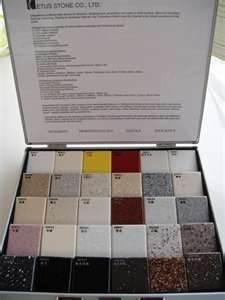
However, solid surface materials also have considerations. While more heat-resistant than some plastics, they are still susceptible to damage from extreme heat. Placing very hot items directly on the surface without protection can lead to scorching or discoloration. Therefore, the use of trivets is still recommended. Scratching can also be a concern, although the quality and specific formulation of the solid surface can influence its scratch resistance. Deeper scratches may require professional refinishing. The cost of solid surface can vary widely depending on the brand, color, and complexity of the fabrication, but it generally falls within a mid-to-high price range, comparable to or sometimes exceeding acrylic, depending on the specific product chosen.
When comparing the two directly, the choice often hinges on specific project requirements and priorities. If the absolute highest degree of malleability for complex, flowing designs is a priority, and budget allows for careful heat management, pure acrylic might edge out solid surface. Its ability to be shaped into almost any form is a significant advantage for avant-garde designs. However, for a balance of durability, seamless aesthetics, ease of maintenance, and a wide range of design options, solid surface often presents a more compelling proposition for many homeowners and designers. The virtually invisible seams in solid surface installations contribute to a sophisticated and clean look that is hard to replicate with other materials, making it a perennial favorite for kitchen countertops and bathroom vanities.
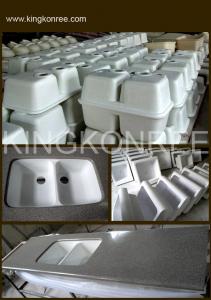
Delving deeper into the practical implications of choosing between acrylic and solid surface materials reveals nuances that can significantly influence the long-term satisfaction with your chosen surfacing. While both offer a non-porous surface that champions hygiene, the subtle differences in their composition and manufacturing processes translate into distinct performance characteristics that are worth considering.
Let’s revisit the aspect of heat resistance. Acrylic, being a thermoplastic, softens when exposed to heat. While this property is what allows for its exceptional thermoforming capabilities, it also means that direct contact with hot cookware can cause irreversible damage. The melting point of acrylic is lower than that of solid surface. This is not to say that solid surface is impervious to heat; extremely high temperatures will still cause discoloration or scorching. However, solid surface generally exhibits a higher tolerance for brief exposures to moderate heat compared to acrylic. For busy kitchens where the immediate placement of hot dishes from the oven or stovetop is a common occurrence, this distinction can be critical. A solid surface countertop might offer a slightly more forgiving experience in such scenarios, although the consistent use of trivets remains the safest practice for both materials to ensure their longevity and pristine appearance.
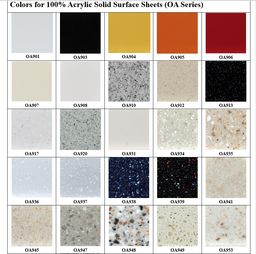
Scratch resistance is another area where subtle differences emerge. Both materials can be scratched, but the depth and visibility of these scratches can vary. Acrylic, due to its softer nature, can be more susceptible to surface scratches from everyday use, such as sliding ceramic mugs or abrasive cleaning pads. However, the beauty of acrylic lies in its repairability. Minor scratches can often be buffed out with a fine-grit sandpaper or a specialized acrylic polishing compound, effectively restoring the surface to its original smoothness. This DIY-friendly repair aspect is a significant advantage for many homeowners. Solid surface, while also repairable, might present a slightly tougher exterior initially. Deeper scratches on solid surface typically require professional refinishing, which involves sanding down the damaged area and reapplying a protective sealant. While this process can yield excellent results, it is generally more involved and costly than the simple buffing that might suffice for acrylic. The choice here might depend on your comfort level with DIY repairs versus engaging professional services.
The aesthetic versatility of both materials is undeniably a major draw. Acrylic offers an unparalleled ability to achieve seamless, flowing forms. Its inherent flexibility when heated allows for the creation of intricate curves, rounded edges, and even integrated sinks that appear to be one continuous piece. This makes it a favored choice for designers seeking a futuristic or organic aesthetic. Furthermore, certain acrylic formulations can be translucent, allowing for creative backlighting effects that can transform a space. Solid surface also offers excellent design flexibility. Its ability to be fabricated with nearly invisible seams is a significant advantage, creating a clean, monolithic look that is highly desirable for minimalist and contemporary designs. The range of colors and patterns in solid surface is vast, offering options that can mimic natural stone, quartz, or introduce unique veining and particulate effects. The decision between the two on aesthetic grounds might come down to whether the emphasis is on extreme formability and potential translucency (acrylic) or on seamless integration and a broad palette of solid colors and stone-like patterns (solid surface).
Cost is a practical consideration that cannot be overlooked. Generally, both acrylic and solid surface are considered premium surfacing materials, positioned above laminate and below high-end natural stone like granite or marble in terms of price. However, the cost can fluctuate significantly based on brand, color complexity, and fabrication requirements. Some high-end solid surface collections can be more expensive than standard acrylic options, and vice-versa. For example, intricate thermoforming of acrylic into complex shapes will undoubtedly increase its cost. Similarly, exotic colors or patterns in solid surface will command a higher price. Installation costs are also a factor. Both materials require skilled fabricators and installers to achieve optimal results, particularly when it comes to achieving seamless joints or complex shapes. It’s always advisable to obtain detailed quotes that include material, fabrication, and installation for a comprehensive comparison.
In terms of maintenance and longevity, both materials excel in providing a hygienic and easy-to-clean surface. Their non-porous nature means that spills can be wiped away without fear of staining, and regular cleaning with mild soap and water is usually sufficient. For tougher grime, a non-abrasive cleaner can be used. The key to longevity for both lies in proper care and avoiding extreme conditions. While solid surface might offer a slight edge in heat tolerance and initial scratch resistance, the ease of minor scratch repair in acrylic is a compelling counterpoint. Ultimately, the “better” material is subjective and depends on the specific priorities of the project. If cutting-edge design, fluid forms, and the potential for DIY scratch repair are paramount, acrylic shines. If a seamless, monolithic look with excellent durability and a broad spectrum of sophisticated finishes, with a slightly higher tolerance for incidental heat, is desired, solid surface emerges as a strong contender. By understanding these distinctions, you can confidently select the surfacing material that best aligns with your vision, lifestyle, and budget, ensuring a beautiful and functional addition to your space for years to come.









