
The quest for the perfect countertop can feel like an epic journey, a voyage through a sea of materials, each boasting its own allure and promising to transform your space. Among the most popular contenders for modern interiors are acrylic and solid surface. Often grouped together due to their similar seamless aesthetics and non-porous nature, these two materials, while sharing some common ground, possess distinct characteristics that can significantly impact their performance, look, and longevity. Understanding these differences is not just a matter of aesthetic preference; it’s about making an informed decision that aligns with your lifestyle, budget, and design vision.

Let’s begin by unmasking acrylic, a material that often evokes images of sleek, contemporary design. At its core, acrylic is a thermoplastic polymer, meaning it can be heated and molded into virtually any shape. This inherent malleability is one of its most compelling advantages, offering unparalleled design flexibility. Think curved countertops, integrated sinks that flow seamlessly from the surface, and intricate decorative elements – acrylic can bring these ambitious visions to life. Its surface is non-porous, a significant boon for hygiene-conscious individuals and busy households. Spills, whether it’s red wine, coffee, or yesterday’s pasta sauce, tend to sit on the surface, making them easy to wipe away without the fear of staining or deep-seated odors. This non-porous nature also means that bacteria and mold have a tough time finding a foothold, contributing to a healthier living or working environment.
Furthermore, acrylic boasts a visually appealing uniformity. Its color and pattern are consistent throughout its thickness, which is a double-edged sword, as we’ll explore later. For now, let’s focus on the positives. This consistency means that minor scratches or dings can often be repaired with relative ease, sometimes through simple buffing or sanding techniques. The material can also be a more budget-friendly option compared to some other premium surfaces, making it an attractive choice for those seeking high-end aesthetics without a stratospheric price tag. The range of colors and patterns available is vast, from crisp whites and deep blacks to vibrant hues and subtle, stone-like textures, allowing for a high degree of personalization.
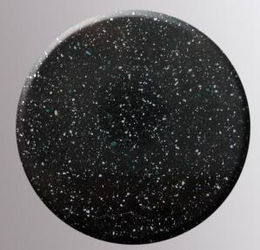
However, like any material, acrylic comes with its own set of drawbacks. Its thermoplastic nature, while offering design freedom, also makes it more susceptible to heat damage. Leaving a hot pot directly from the stove onto an acrylic surface is a recipe for disaster, as it can cause permanent scorching, discoloration, or even melting. Trivets and hot pads are not just recommended; they are essential companions for any acrylic countertop. Similarly, while acrylic is generally resistant to scratches, it’s not immune. Aggressive scrubbing or cutting directly on the surface can lead to visible marks. While repairs are possible, they might not always be as invisible as one would hope, depending on the depth of the damage and the skill of the repair person.
Another consideration is its susceptibility to certain chemicals. Harsh cleaning agents or solvents can potentially dull or damage the surface. It’s always advisable to stick to mild soaps and water or specialized acrylic cleaners. While the uniformity of color is beneficial for repairs, it can also mean that a scratch that penetrates deeply will reveal the same color beneath, potentially making the scratch more noticeable than on a material with a more varied, natural-looking pattern.
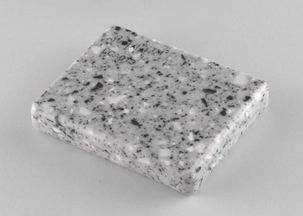
Now, let’s turn our attention to solid surface. Often confused with acrylic, solid surface is a composite material typically made from acrylic polymers and a natural mineral filler, such as alumina trihydrate (ATH). This combination results in a material that shares many of acrylic’s desirable traits while possessing its own unique advantages and disadvantages. One of the most celebrated aspects of solid surface is its unparalleled ability to create seamless installations. Because it can be cut, shaped, and thermoformed like acrylic, and then joined with special adhesives that render the seams virtually invisible, it’s the go-to material for achieving a monolithic, sculpted look. This seamlessness is not only aesthetically pleasing but also incredibly practical. Without grout lines or seams, there are no hiding places for dirt, grime, or bacteria, making it exceptionally hygienic – a major plus for kitchens, bathrooms, and healthcare settings.
Solid surface is also non-porous, just like acrylic, meaning it resists stains, moisture, and bacterial growth. This makes it a durable and low-maintenance choice for busy households. The material is also repairable. Minor scratches and scuffs can often be buffed out with fine-grit sandpaper or abrasive pads, restoring the surface to its original glory. For deeper damage, professional repair is usually possible, and due to the uniform composition of the material, these repairs can often be blended in quite effectively. The aesthetic possibilities are vast, with a wide array of colors, patterns, and textures available, including options that mimic the look of natural stone with remarkable fidelity.
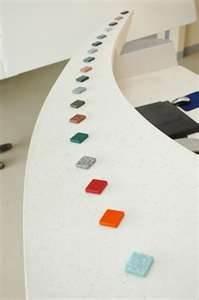
However, solid surface also has its Achilles’ heel. While more resistant to heat than some other materials, it’s not entirely impervious. Prolonged exposure to high temperatures can still cause damage, so the use of trivets is still a wise precaution. Its scratch resistance is also comparable to acrylic; while durable for everyday use, it’s not completely immune to sharp objects or abrasive cleaning. The repair process, while effective, can sometimes be noticeable, particularly if the color or pattern is complex. Unlike natural stone, which has inherent variations that can mask repairs, the uniform nature of solid surface means that a perfectly matched repair is key.
Another point to consider is its susceptibility to certain chemicals. While generally robust, strong solvents and abrasive cleaners should be avoided to prevent surface damage. The cost of solid surface can also be a factor. While it often falls into the mid-to-high range of countertop materials, it can sometimes be more expensive than basic acrylic options, especially for more intricate designs or premium colors. The installation process for solid surface can also be more labor-intensive due to the need for precise cutting, shaping, and seamless joining, which can contribute to higher installation costs.
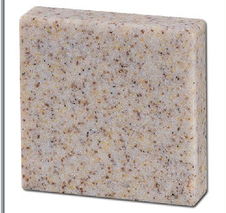
When we juxtapose these two materials, it becomes clear that while they share a common lineage of being engineered, non-porous surfaces with design flexibility, their nuances are what truly set them apart. Acrylic, in its purest form, often offers a slightly greater degree of malleability and a broader spectrum of vibrant, less naturalistic colors, often at a more accessible price point. Solid surface, with its mineral filler, often offers a touch more rigidity and can sometimes be engineered to mimic natural materials with greater success, alongside its celebrated seamlessness and repairability.
The comparison between acrylic and solid surface countertops often boils down to a nuanced understanding of their strengths and weaknesses, and how these align with the specific demands of your environment. When we talk about “acrylic,” we’re generally referring to pure acrylic resins, sometimes known as cultured acrylic or resin countertops. These are highly versatile and can be molded into some truly innovative shapes. Imagine a waterfall edge that cascades all the way to the floor, a perfectly integrated sink that looks like it grew out of the countertop itself, or even complex, sculptural forms that serve as a statement piece in a modern kitchen or bathroom. This level of design freedom is arguably acrylic’s strongest suit. Its non-porous nature, as previously mentioned, makes it a champion of hygiene. In environments where cleanliness is paramount, such as commercial kitchens, healthcare facilities, or even just a family home with young children, the ease with which spills are wiped away and bacteria are prevented from taking root is a significant advantage.
However, this pristine surface has a sensitive side. Its thermoplastic nature means it’s more prone to heat damage than many other countertop materials. A dropped hot pan, a forgotten trivet for a steaming casserole, or even prolonged exposure to direct, intense sunlight can lead to permanent marring. This is not to say acrylic can’t handle warmth, but rather that it requires a conscious effort from the user to protect it. Think of it as a beautiful, but delicate, piece of art that needs a bit of care. Scratching is another concern. While it can be buffed out, deep gouges can be problematic. The uniformity of color, while great for repairs in some ways, means that a scratch that goes deep will reveal the same color underneath, potentially making it more visible than on a material with inherent variations, like granite or quartz.
The cost factor for acrylic can be quite attractive. For many applications, it offers a high-end, modern aesthetic at a more accessible price point than some of its counterparts, making it a popular choice for budget-conscious renovations or commercial projects where consistent aesthetics and hygiene are key. The wide array of colors, from bold, opaque shades to translucent options that can be back-lit for dramatic effect, adds to its appeal.
On the other hand, solid surface, which incorporates mineral fillers like alumina trihydrate alongside acrylic polymers, often presents a slightly different profile of benefits and drawbacks. Its key differentiator is its ability to achieve truly seamless installations. The specialized adhesives used to join pieces of solid surface essentially melt the material together, creating a bond that is both incredibly strong and visually undetectable. This means no grout lines in your shower walls, no visible seams in a long kitchen island, and integrated sinks that truly appear to be part of the countertop itself. This seamlessness is a major win for both aesthetics and hygiene, eliminating nooks and crannies where dirt and bacteria can accumulate.
Solid surface is also non-porous, inheriting this crucial characteristic from its acrylic components. This translates to excellent stain and moisture resistance, making it a practical choice for busy kitchens and bathrooms. Repairs are generally quite effective. Minor scratches and scuffs can be sanded out, and deeper damage can often be professionally repaired, with the uniform composition of the material allowing for good color matching. The range of designs available is extensive, with many solid surface products designed to mimic the look of natural stone, offering a sophisticated alternative for those who love the aesthetic of granite or marble but want the practical benefits of a non-porous material.
However, solid surface is not invincible. While generally more heat resistant than pure acrylic, it can still be damaged by extreme temperatures. The use of trivets is still highly recommended for hot pots and pans. Scratching is also a possibility, and while repairs are feasible, they might be more noticeable on highly polished or patterned surfaces. The cost of solid surface can vary, but it often sits in the mid-to-high price range, and its installation can be more labor-intensive than some other materials due to the precision required for seamless joints and complex fabrication, which can add to the overall expense.
So, how do you choose between these two compelling options? Consider your priorities. If absolute design freedom, including complex curves, integrated elements, and perhaps a slightly lower entry price point, is paramount, and you are diligent about heat protection and avoiding abrasive cleaning, then pure acrylic might be your ideal material. Its ability to be molded into unique shapes and its vibrant color options can make it a standout choice for modern, avant-garde designs.
If, however, your focus is on achieving the most seamless, monolithic look possible, particularly for large installations or where a truly integrated sink is desired, and you value robust repairability with a material that often mimics natural stone convincingly, then solid surface could be the better fit. Its slightly increased rigidity might also offer a touch more confidence in higher-traffic areas, though the need for heat and scratch protection remains.
Ultimately, the “big difference” between acrylic and solid surface lies in their subtle distinctions in composition and manufacturing, which translate into varying degrees of design flexibility, heat and scratch resistance, and the ultimate aesthetic achievable, particularly concerning seamlessness. Both offer the significant advantage of being non-porous, hygienic, and repairable, making them excellent modern alternatives to traditional materials. The decision hinges on a careful evaluation of your specific needs, your tolerance for maintenance, your design aspirations, and your budget. Whichever you choose, understanding these nuances will help ensure your chosen material not only looks stunning but also performs beautifully for years to come.









