
The allure of a seamless, modern countertop is undeniable. In the realm of interior design and home renovation, two materials often emerge as strong contenders, frequently lumped together due to their shared aesthetic: acrylic and solid surface. The phrase “亚克力与人造石优缺点一样吗图片大全” (Are Acrylic and Solid Surface Pros and Cons the Same? Picture Collection) itself hints at a common perception – that these materials are virtually identical in their performance and properties. But is this truly the case? As we embark on a journey to unravel the complexities of these contemporary surfaces, we’ll discover that while they share some superficial similarities, their underlying compositions, manufacturing processes, and ultimately, their strengths and weaknesses, paint a more nuanced picture. Understanding these differences is paramount for anyone looking to invest in a countertop that not only looks stunning but also stands the test of time and daily wear.

Let’s begin by dissecting “acrylic” in the context of countertops. When we refer to acrylic solid surface, we’re generally talking about a material composed primarily of acrylic polymers and mineral fillers. This composition allows for a high degree of design flexibility, including seamless joints, thermoforming capabilities, and a non-porous surface. The manufacturing process involves casting liquid acrylic resins and fillers into sheets or molds. This method contributes to its ability to be shaped into intricate designs, curved edges, and even integrated sinks, offering a truly bespoke feel. The non-porous nature is a significant advantage, meaning it doesn’t absorb liquids, preventing stains and inhibiting the growth of bacteria and mold. This makes it an excellent choice for hygiene-conscious areas like kitchens and bathrooms.
The “pros” of acrylic solid surface often shine brightly in design discussions. Its primary selling point is its seamless appearance. Unlike natural stone or even some other engineered materials, seams in acrylic countertops can be virtually invisible. This not only enhances the aesthetic appeal, creating a sleek and uninterrupted surface, but also eliminates grout lines where dirt and bacteria can accumulate. Furthermore, acrylic’s thermoforming capabilities are a game-changer. It can be heated and bent into various shapes, allowing for truly custom designs that might be impossible with other materials. Think waterfall edges that flow seamlessly to the floor, or intricate curves that complement a modern kitchen layout. The material is also repairable. Minor scratches and chips can often be buffed out or repaired by a professional, breathing new life into the surface. Its lightweight nature can also be an advantage during installation.
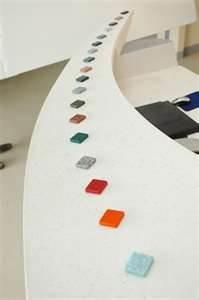
However, no material is without its drawbacks, and acrylic solid surface is no exception. One of the most significant “cons” is its susceptibility to scratching and heat damage. While durable for everyday use, sharp objects can leave marks, and prolonged exposure to high temperatures can cause scorching or even melting. This means that using trivets and cutting boards is non-negotiable when working with an acrylic countertop. Its price point can also be a consideration. While not as expensive as some premium natural stones, it generally falls into a higher bracket than laminate or some basic quartz options. Another potential issue is its tendency to show wear over time, especially in high-traffic areas. While repairable, the need for such maintenance can be a deterrent for some. Moreover, while available in a wide array of colors and patterns, some consumers might find that the aesthetic of acrylic doesn’t quite replicate the unique, organic beauty of natural stone. The uniformity, which is a strength in terms of seamlessness, can sometimes be perceived as less “natural” or luxurious by certain tastes.
Now, let’s turn our attention to “solid surface.” The term “solid surface” is often used interchangeably with “acrylic solid surface,” and indeed, many solid surface materials are acrylic-based. However, the broader category of solid surface can also encompass materials made from polyester resins or a combination of acrylic and polyester. This distinction, while subtle, can influence performance. Typically, solid surface materials are also composed of mineral fillers, and they share many of the same manufacturing processes and aesthetic qualities as acrylic solid surface. The primary difference often lies in the specific resin used and the proprietary formulations developed by different manufacturers. This means that while the general characteristics are similar, there can be variations in hardness, heat resistance, and UV stability between different brands and types of solid surface.
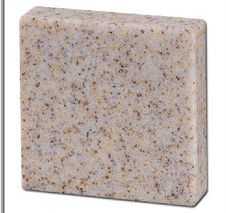
The advantages of solid surface countertops mirror those of acrylic in many ways. The seamless installation, the non-porous nature leading to excellent hygiene, and the ability to repair minor damage are all significant draws. The thermoforming capabilities, while perhaps slightly less pronounced in some polyester-based solid surfaces compared to pure acrylic, are still a key feature, allowing for creative design possibilities. The wide range of colors and patterns, often mimicking the look of natural stone or offering bold, contemporary hues, makes solid surface a versatile choice for diverse interior styles. Its ease of maintenance, requiring just soap and water for daily cleaning, is another strong point that appeals to busy homeowners.
However, the weaknesses of solid surface also echo those of acrylic, with some subtle nuances. Scratching is still a concern, and while many solid surfaces are formulated to be more scratch-resistant than older versions, it’s still a material that requires careful handling. Heat resistance can vary, with some solid surfaces being more susceptible to thermal shock than others. This reinforces the importance of using protective measures under hot pots and pans. The cost, while competitive within the premium countertop market, is generally higher than more budget-friendly options. It’s also worth noting that the “solid” aspect refers to the fact that the color and pattern run throughout the entire thickness of the material, meaning that even if it’s scratched, the underlying material is the same, which aids in repair. However, this also means that the material is less dense than natural stone, which contributes to its susceptibility to damage from impact or sharp objects.
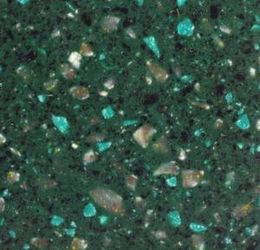
In essence, the initial question of whether acrylic and solid surface have the same pros and cons is complex. While they share a great deal of common ground due to their similar composition and manufacturing, the nuances in resin types and specific formulations can lead to variations in performance. Think of it like different brands of the same type of car – they might have the same core engine and chassis, but subtle differences in tuning, materials, and features can result in slightly different driving experiences. Understanding these distinctions is key to making the right choice for your home, ensuring that the material you select not only meets your aesthetic desires but also aligns with your lifestyle and expectations for durability and maintenance.
Continuing our exploration into the world of acrylic and solid surface countertops, we delve deeper into the practicalities and considerations that truly differentiate these seemingly similar materials. While the initial overview highlighted shared strengths like seamlessness and hygiene, and common weaknesses such as susceptibility to scratches and heat, a closer examination of their inherent properties and the nuances in their applications reveals a more intricate comparison. This isn’t just about listing pros and cons; it’s about understanding how these characteristics translate into real-world performance and long-term satisfaction for homeowners.
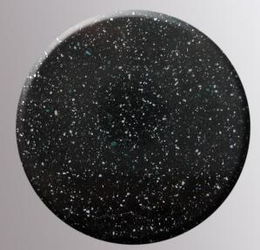
One of the most significant distinguishing factors lies in the specific composition and manufacturing processes. As mentioned, acrylic solid surface is predominantly composed of acrylic polymers and mineral fillers, often alumina trihydrate (ATH). This formulation allows for exceptional clarity, vibrant color options, and a high degree of flexibility in shaping through thermoforming. The thermoforming process, where the material is heated and molded into curves, waves, and other complex shapes, is a hallmark of high-quality acrylic solid surfaces. This capability opens up a world of design possibilities, enabling designers and homeowners to create truly unique and integrated features, such as seamless sinks that appear to grow organically from the countertop itself, or intricate inlays and accents. The inherent non-porosity of acrylic solid surface is also a significant advantage, making it highly resistant to stains from common household substances like wine, coffee, and grease. This, combined with its smooth, pore-free surface, makes it incredibly hygienic and easy to clean, a crucial factor in kitchens and bathrooms where cleanliness is paramount.
However, the very flexibility that makes acrylic so appealing can also be its Achilles’ heel. The acrylic polymers, while excellent for shaping and achieving seamlessness, can be softer than some other countertop materials. This means that acrylic solid surfaces are generally more prone to scratching and can be damaged by sharp objects. While minor scratches can often be repaired through sanding and polishing, deeper gouges or significant abrasions can be more challenging to rectify seamlessly. Furthermore, acrylic has a lower heat resistance compared to some other solid surface materials, particularly those with a higher polyester content. Exposure to direct heat from hot pots, pans, or even certain kitchen appliances can lead to scorching, discoloration, or even melting. This necessitates a diligent use of trivets, cutting boards, and a conscious effort to avoid placing hot items directly on the surface. The cost of acrylic solid surface is also typically in the mid-to-high range, reflecting its advanced manufacturing processes and design versatility. While it offers a premium look and feel, it’s an investment that requires a commitment to its specific care and maintenance requirements.
Now, let’s pivot to the broader category of “solid surface.” While many solid surface products are indeed acrylic-based, the term also encompasses materials that might use polyester resins or a hybrid blend of acrylic and polyester. This subtle difference in resin composition can lead to variations in the material’s properties. For instance, some polyester-based solid surfaces might offer slightly enhanced hardness and scratch resistance compared to pure acrylic. However, they might also have limitations in terms of thermoforming capabilities or color vibrancy. The manufacturing process for solid surface materials generally involves mixing resins with mineral fillers and casting them into sheets or shapes. The resulting material is non-porous, homogeneous (meaning the color and pattern run throughout the entire thickness), and can be fabricated with seamless joints, much like acrylic. This homogeneity is a key benefit for repairability; even if the surface is scratched, the underlying material is the same, allowing for professional refinishing to restore its original appearance.
The advantages of solid surface materials are largely consistent with those of acrylic: seamless integration, non-porous hygiene, and ease of repair for minor damages. The wide spectrum of available colors, patterns, and finishes allows for immense design flexibility, from replicating the look of natural stone to offering bold, contemporary aesthetics. The ability to thermoform, while potentially varying in degree depending on the specific resin blend, still allows for the creation of curved edges, integrated sinks, and other custom design elements. The maintenance is also straightforward, typically requiring only mild detergents and a soft cloth for daily cleaning. However, similar to acrylic, solid surface materials are not impervious to damage. They can scratch and can be susceptible to heat, though the degree of resistance can vary between different formulations. Some polyester-based solid surfaces might offer a slightly better resistance to scratching than their acrylic counterparts, but this is not a universal rule and depends heavily on the specific product and its formulation. The cost of solid surface countertops also generally falls within a similar mid-to-high price range as acrylic, again reflecting the quality of the materials and the manufacturing processes involved.
When making a choice between the two, it’s crucial to consider the specific application and lifestyle. For a kitchen that sees heavy culinary action, with frequent chopping, hot pan placements, and potential for spills, a material with superior scratch and heat resistance might be preferable. While both acrylic and solid surface require careful handling, some formulations might offer a slight edge. If a highly intricate, custom-designed shape is a central element of the design, then a material with excellent thermoforming capabilities, like a high-quality acrylic solid surface, would be ideal. For bathrooms, where the primary concerns are hygiene and resistance to moisture and common bathroom products, both materials excel due to their non-porous nature.
It’s also important to look beyond the generic terms “acrylic” and “solid surface” and investigate the specific products offered by reputable manufacturers. Brands often have proprietary formulations that enhance certain properties, such as improved scratch resistance or increased heat tolerance. Reading reviews, consulting with fabricators, and even requesting samples to test can provide invaluable insights. Understanding the warranty offered by the manufacturer is also a critical step. A comprehensive warranty can offer peace of mind regarding potential defects or premature wear.
In conclusion, while the phrase “亚克力与人造石优缺点一样吗图片大全” suggests a shared identity between acrylic and solid surface, the reality is far more nuanced. They are indeed closely related, sharing many of the same core advantages, particularly their seamless aesthetic, non-porous hygiene, and repairability. However, subtle differences in their composition, primarily the type of resin used, can lead to variations in their performance characteristics, such as scratch and heat resistance. The true strength of acrylic often lies in its superior thermoforming capabilities for highly complex designs, while certain solid surface formulations might offer a slight edge in scratch resistance. Ultimately, the decision hinges on a detailed understanding of your specific needs, design aspirations, and willingness to commit to the care and maintenance required for these beautiful, modern materials. The “picture collection” of their pros and cons reveals not an identical twin, but rather a close relative with its own distinct personality and set of strengths.









