
The quest for the perfect surface – whether it’s for a sleek kitchen countertop, a chic bathroom vanity, or a seamless reception desk – often leads us down a rabbit hole of material choices. Among the contenders, acrylic and what’s commonly referred to as “artificial stone” (often meaning solid surface or engineered quartz) frequently emerge as popular options. But here’s the burning question that often sparks debate: are their advantages and disadvantages really the same? The short answer, much like a perfectly mixed cocktail, is that they share some common ground but also possess distinct flavors. To truly understand them, we need to peel back the layers and examine what makes each tick.

Let’s begin by demystifying “artificial stone.” This broad term often encompasses materials like engineered quartz and solid surface. Engineered quartz, a composite material, is made from about 90-95% ground natural quartz crystals mixed with polymer resins and pigments. This fusion results in a material that’s incredibly hard, non-porous, and exceptionally resistant to stains, heat, and scratches. Think of it as the resilient athlete of the countertop world, built for endurance and unwavering performance. Its appearance often mimics natural stone, offering a dazzling array of colors and patterns that can range from subtle veining to bold, dramatic swirls.
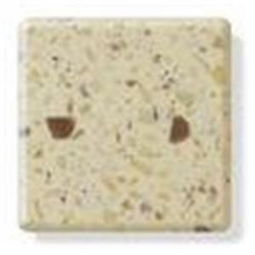
Solid surface, on the other hand, is typically composed of acrylic or polyester resins blended with mineral fillers, pigments, and binders. While also artificial, its composition lends it a different set of properties. Brands like Corian are often what people envision when they hear “solid surface.” It offers a more homogenous appearance than quartz, meaning the color and pattern are consistent throughout the material. This uniformity is a key differentiator, allowing for seamless fabrication and the ability to create integrated sinks and elaborate designs that appear to flow effortlessly from the countertop itself.
Now, let’s bring acrylic into the conversation, but not just as a component of solid surface. When we talk about “pure” acrylic, we’re often referring to materials like cultured marble or solid acrylic sheets used for specific applications, though the lines can blur. Cultured marble, for instance, is a man-made product created by mixing polyester resin with marble dust and pigments, then casting it into molds. This process allows for intricate designs and a glossy finish. Solid acrylic sheets, on the other hand, are thermoplastic polymers that can be thermoformed, shaped, and polished to a high sheen.
The allure of acrylic, whether as a standalone material or as a primary component of solid surface, lies in its inherent beauty and remarkable versatility. One of its standout advantages is its non-porous nature. This means it doesn’t absorb liquids, making it highly resistant to stains and bacteria. This is a huge win for kitchens and bathrooms, where spills are an everyday occurrence. Imagine red wine meeting your countertop – with acrylic, a quick wipe is usually all that’s needed to banish the stain. This also translates to excellent hygiene, as there are no tiny pores for unwelcome microbes to hide.
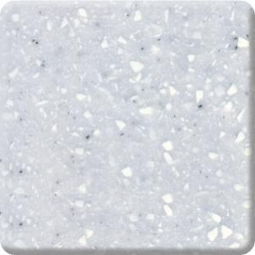
Furthermore, acrylic and solid surface materials boast a remarkable ability to be repaired. Unlike natural stone or even engineered quartz, minor scratches, chips, or burns can often be sanded out and polished to restore the surface to its original glory. This reparability is a significant advantage, extending the lifespan of your surfaces and offering peace of mind. Think of it as a material that can heal its own wounds, a testament to its thoughtful design.
Aesthetically, acrylic and solid surface offer a spectrum of possibilities. The seamless nature of solid surface fabrication is particularly compelling. Seams are virtually invisible, allowing for expansive, flowing designs that create a sense of uninterrupted elegance. This is perfect for creating waterfall countertops, integrated sinks that blend harmoniously with the countertop, or even curved and sculpted elements that would be difficult or impossible to achieve with other materials. The color palettes are also vast, ranging from crisp whites and subtle neutrals to vibrant hues and intricate patterns that can mimic the look of natural stone, but with a more consistent and predictable outcome.
However, no material is without its drawbacks, and acrylic and its solid surface cousins are no exception. While durable, they are not invincible. Their primary weakness lies in their susceptibility to heat and scratches, especially when compared to engineered quartz. High temperatures from hot pots and pans can cause permanent scorching or discoloration. This means diligent use of trivets and hot pads is not just recommended, but essential for preserving their pristine appearance. Similarly, while they can be repaired, deep scratches or gouges can be more challenging to fix and may require professional intervention. It’s a bit like a beautiful silk dress – stunning to behold, but requiring a gentle touch and careful handling.
Another consideration is their susceptibility to certain chemicals. Harsh cleaning agents or solvents can sometimes damage the surface, leading to dullness or discoloration. This necessitates a mindful approach to cleaning, opting for mild soaps and water or manufacturer-recommended cleaning solutions. It’s a trade-off for that beautiful, non-porous surface – you get the stain resistance, but you have to be a bit more discerning with your cleaning arsenal.
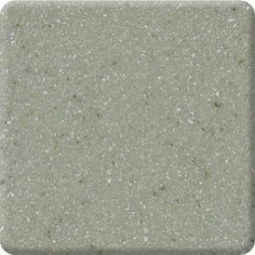
The cost factor also plays a role. While often more affordable than high-end natural stone or premium engineered quartz, acrylic and solid surface materials can still represent a significant investment. The price can vary depending on the brand, the complexity of the design, and the fabrication process. However, when you factor in the seamless integration possibilities and the long-term reparability, the cost can often be justified by the unique benefits they bring to a space.
So, to circle back to our initial question: are the advantages and disadvantages of acrylic and artificial stone the same? They share the common ground of being engineered, offering a degree of customization and a departure from the natural variability of stone. Both can provide a sleek, modern aesthetic and are generally easier to maintain than porous natural materials. However, the subtle but significant differences in their composition lead to distinct strengths and weaknesses. Engineered quartz often wins the battle for heat and scratch resistance, while solid surface, often acrylic-based, shines in its seamless fabrication capabilities and reparability. Understanding these nuances is the key to making an informed decision that aligns with your design vision and lifestyle.
Continuing our deep dive into the world of acrylic and artificial stone, let’s further explore the intricacies of their advantages and disadvantages, and how these factors influence their suitability for various applications. While we touched upon the general characteristics in the first part, a more granular examination will reveal why one might be a better fit than the other for your specific needs.
When we talk about “artificial stone,” it’s crucial to remember the distinction between engineered quartz and solid surface. Engineered quartz, with its high quartz content, offers unparalleled hardness. This translates into exceptional resistance to daily wear and tear. Think of carving vegetables directly on your countertop – engineered quartz can generally handle this without showing significant signs of damage. Its non-porous nature, as mentioned, means it’s also highly resistant to staining from common kitchen culprits like coffee, wine, and oil. Furthermore, engineered quartz is generally more heat-resistant than solid surface materials. While prolonged exposure to extreme heat can still cause damage, it can typically withstand hot pans placed on it for a short period without immediate adverse effects. This robustness makes it a favorite for busy kitchens where functionality and resilience are paramount.
However, this very hardness can also be a double-edged sword. While resistant to scratching, if a diamond or a very sharp object is dragged across engineered quartz with significant force, it can still leave a mark. More importantly, engineered quartz is a brittle material. This means it can chip or crack if subjected to a sharp impact, particularly at the edges or corners. While repairs are possible, they are often more complex and less seamless than those for solid surface. Imagine a dropped heavy pot – engineered quartz might sustain a chip that’s difficult to make disappear entirely.
The aesthetic of engineered quartz is another significant advantage for many. Its ability to meticulously mimic the look of natural stones like marble and granite, often with greater consistency than their natural counterparts, is a major draw. This means you can achieve the luxurious appearance of a prized granite slab without the inherent imperfections or the need for extensive sealing and maintenance that natural stone demands. The vast range of patterns and colors allows designers and homeowners to create a truly bespoke look, from understated elegance to show-stopping statements.
Now, let’s re-examine acrylic and solid surface through this lens of practical application and performance. The inherent flexibility of acrylic resins in solid surface formulations allows for that remarkable seam-less integration. This isn’t just about aesthetics; it’s about creating a hygienic, easy-to-clean surface where food particles and bacteria have nowhere to hide. For healthcare settings, laboratories, or even busy family kitchens, this continuous surface is a significant advantage. The ability to thermoform solid surface into curves and shapes opens up a world of design possibilities that are simply not achievable with the rigidity of engineered quartz. Think of integrated drainboards that flow seamlessly into the countertop, or curved reception desks that invite interaction.
The reparability of solid surface is arguably its most compelling advantage for long-term ownership. Minor scratches and scuffs, common in high-traffic areas, can be buffed out with fine-grit sandpaper and polishing compounds, restoring the surface to its original luster. Even deeper damage, like a chip or a burn mark, can often be repaired by a skilled fabricator, filling the imperfection with matching material and then sanding and polishing it to blend seamlessly. This makes solid surface a very forgiving material, allowing for a longer lifespan and reducing the need for costly replacements over time. It’s like having a built-in touch-up kit for your surfaces.
However, as we’ve noted, heat is the Achilles’ heel of acrylic-based solid surfaces. While engineered quartz can tolerate some heat, solid surface is far more vulnerable. Direct contact with hot cookware will almost certainly result in scorching or discoloration, which can be difficult and expensive to repair. This necessitates a strict adherence to using trivets and hot pads, a habit that some homeowners find difficult to maintain consistently. Similarly, while generally resistant to stains, certain harsh chemicals or abrasive cleaners can damage the surface, leading to dullness or etching. This requires a more gentle approach to cleaning and a careful selection of cleaning products.
The aesthetic of solid surface, while versatile, is often more uniform than engineered quartz or natural stone. While this uniformity is a strength for seamless fabrication, some may find it lacks the depth and natural variation that characterizes genuine stone. The patterns, while often attractive, can sometimes appear more manufactured, a characteristic that might not appeal to those seeking the organic beauty of natural materials.
Let’s consider specific use cases. In a high-end, professional kitchen where extreme heat resistance and scratch resilience are paramount, engineered quartz often takes the lead. Its ability to withstand the rigors of constant use without showing wear and tear makes it a practical choice for those who prioritize performance above all else. The ability to mimic exotic natural stones also appeals to those looking for a dramatic and luxurious aesthetic.
On the other hand, for a bathroom vanity where seamless integrated sinks are desired, or for a commercial reception desk that needs to be both visually appealing and exceptionally hygienic, solid surface often emerges as the superior choice. Its ability to be fabricated into complex shapes and its inherent antibacterial properties make it ideal for environments where hygiene and unique design are key considerations. The ease of repair also makes it a wise choice for areas that might experience more minor wear and tear.
Cost-wise, the comparison can be nuanced. High-end engineered quartz can be very expensive, often rivaling or exceeding the cost of some solid surface options. However, entry-level engineered quartz might be comparable in price to mid-range solid surface. The cost of fabrication also plays a significant role. Intricate solid surface designs requiring specialized thermoforming can increase the overall cost, while simpler engineered quartz installations might be more straightforward.
Ultimately, the question of whether acrylic and artificial stone have the same advantages and disadvantages is answered by looking at their core compositions and manufacturing processes. While both are man-made materials offering alternatives to natural stone, their distinct makeup leads to different strengths and weaknesses. Engineered quartz excels in hardness, heat resistance, and the ability to mimic natural stone with consistency. Solid surface, often acrylic-based, shines in its seamless fabrication, reparability, and design flexibility. Neither is universally “better”; the ideal choice hinges entirely on the specific demands of the application, the desired aesthetic, and the owner’s tolerance for maintenance and potential for repair. Understanding these differences allows you to navigate the landscape of surfacing materials with confidence, ensuring you select the option that best complements your vision and stands the test of time.









