Cracks on Countertops: Understanding the Causes and Early Signs
When it comes to home maintenance, few issues are as concerning as discovering cracks on your kitchen countertop. Over time, these seemingly minor imperfections can lead to significant problems if left unaddressed. Let’s first explore the root causes of these cracks and how they can gradually impact your kitchen’s functionality and appearance.
Factors Contributing to Cracks
Countertops, whether made from granite, quartz, concrete, or any other material, are subjected to constant wear and tear. Several factors contribute to the formation of cracks over time:
Material Stress: Every countertop material has a breaking point. When subjected to continuous stress—such as heavy pots, pans, or even routine impacts from knives—micro-cracks can form and expand.
Thermal Stress: Significant temperature changes can cause cracks. For instance, placing a hot pot or pan directly on a cooler surface can create stress points that lead to cracking.

Chemical Exposure: Chemicals, especially acidic ones like lemon juice or vinegar, can weaken the surface of some countertops over time. Repeated exposure to these substances can lead to surface erosion and cracking.
Improper Installation: If the countertop wasn’t installed correctly, it might not be adequately supported, leading to stress points where cracks can form.
Early Signs and Detection
Catching cracks early is crucial to prevent them from worsening. Here are some signs to watch for:
Small Hairline Cracks: Often the first sign, these tiny cracks may be barely visible but can indicate the start of more significant issues.
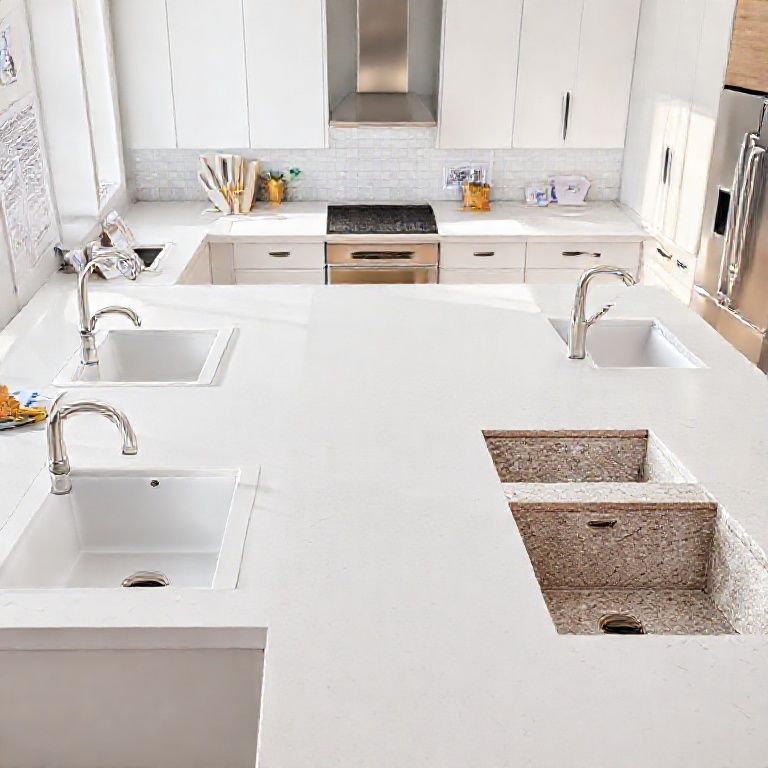
Surface Imperfections: Discoloration or pitting on the surface can be an early indicator that the material is starting to degrade.
Uneven Surfaces: If your countertop appears uneven or has small depressions, it might be a sign of underlying cracks that are not yet visible.
The Gradual Impact of Cracks
As time progresses, cracks can have a more pronounced impact:
Functionality Issues: Cracks can create weak points that compromise the structural integrity of your countertop. This could lead to uneven surfaces that are difficult to work with and may cause spills and messes.

Aesthetic Concerns: Cracks can significantly affect the visual appeal of your kitchen. Even small cracks can become more pronounced over time, leading to an unsightly and untidy appearance.
Health and Safety: Cracks can harbor bacteria and other contaminants. If they reach the underlying support structure, they might create spaces where dirt and grime can accumulate, posing health risks.
Preventive Measures and Maintenance
To avoid the gradual impact of cracks, it’s essential to implement preventive measures and regular maintenance:
Regular Cleaning: Use appropriate cleaning solutions that are safe for your countertop material. Avoid abrasive cleaners that can scratch and weaken the surface.
Heat Management: Avoid placing hot items directly on cooler surfaces to minimize thermal stress. Use trivets or heat-resistant pads when necessary.
Proper Installation: Ensure that your countertop is installed correctly by a professional. Proper support and installation can prevent stress points and cracks from forming.
Timely Repairs: If you do notice any cracks, address them promptly. Small cracks can often be repaired with specialized products or professional services, preventing them from expanding.
Conclusion
Cracks on countertops are a common issue that can have significant impacts over time if not addressed early. Understanding the causes and recognizing the early signs can help you take preventive measures and maintain the functionality and aesthetics of your kitchen. In the next part of this article, we’ll delve deeper into the long-term consequences of unaddressed cracks and how to restore your countertop to its former glory.
Long-Term Consequences of Unaddressed Cracks and Restoration Solutions
In the previous part of our article, we explored the initial causes and early signs of cracks on countertops. Now, we’ll delve into the long-term consequences of neglecting these imperfections and discuss the various repair and restoration options available to bring your countertop back to its former glory.
The Long-Term Impact of Cracks
Ignoring cracks on your countertops can lead to several severe issues over time:
Structural Integrity: As cracks expand, they can compromise the structural integrity of your countertop. This can lead to larger, more dangerous cracks and, in severe cases, sections of the countertop detaching or falling off.
Aesthetic Degradation: Over time, cracks can become more pronounced, leading to a significant degradation in the appearance of your countertop. This can make your kitchen look outdated and unkempt.
Health Risks: Larger cracks can create spaces where bacteria, mold, and other contaminants can accumulate. This poses health risks, especially in a kitchen where food preparation takes place.
Functionality Issues: Cracks can create uneven surfaces, making it difficult to use the countertop effectively. This can lead to spills, messes, and even accidents in the kitchen.
Professional Repair and Restoration
When cracks have become too severe to ignore, professional repair and restoration services become necessary. Here’s how professionals can help:
Crack Filling and Sealing: For smaller cracks, professionals can use specialized fillers and sealing products to repair the surface. This method restores the countertop’s appearance and prevents further damage.
Epoxy Resin: For larger cracks, epoxy resin is often used. This strong, durable material fills the cracks and reinforces the surface, ensuring that the countertop is restored to its original strength.
Surface Refinishing: In cases where the entire surface is affected, refinishing the countertop can be an option. This process involves sanding down the surface and applying a new protective coating to restore its appearance and functionality.
Replacement: In extreme cases, where the countertop’s structural integrity is compromised, replacement might be the best solution. Professional installers can ensure a seamless transition, maintaining the aesthetic and functional aspects of your kitchen.
Importance of Timely Repair
Timely repair is crucial to prevent the long-term consequences of cracks. Here’s why:
Preventing Expansion: Addressing cracks early prevents them from expanding, which can be much more challenging and costly to repair later on.
Maintaining Aesthetics: Timely repairs help maintain the visual appeal of your countertop, ensuring that it remains a beautiful focal point in your kitchen.
Ensuring Safety: Regular maintenance and repair reduce the risk of health hazards associated with cracks, ensuring a safe kitchen environment.
Cost-Effectiveness: Addressing minor cracks promptly can save you from the expense of extensive repairs or even replacement in the future.
DIY Repair Options
For minor cracks, there are DIY repair options available. Here’s how you can tackle small cracks on your own:
Crack Filler Kits: These kits contain fillers that can be used to fill small cracks. Follow the manufacturer’s instructions carefully to achieve the best results.
Epoxy Resin: For larger cracks, you can use epoxy resin. Mix the resin according to the instructions, apply it to the crack, and let it cure. This method can restore both the appearance and functionality of the countertop.
Homemade Remedies: Some people use homemade remedies like a mixture of vinegar and baking soda or toothpaste to fill small cracks. While these may not be as effective as professional solutions, they can provide a temporary fix.
Preventive Maintenance
To avoid the long-term impact of cracks, regular preventive maintenance is essential. Here are some tips:
Routine Cleaning: Clean your countertop regularly with appropriate cleaning products to prevent surface degradation.
Heat Management: Avoid placing hot items directly on the surface to minimize thermal stress.
Protective Pads: Use trivets and heat-resistant pads when necessary to protect the surface from thermal damage.
Avoiding Sharp Objects: Use cutting boards and avoid placing sharp objects directly on the surface to prevent scratches and cracks.
Conclusion
Cracks on countertops,当然,继续讨论如何预防和处理台面上的裂缝,我们可以更加深入探讨一些具体的方法和建议,以确保你的台面保持长久的美观和功能性。
预防措施
1. 选择合适的台面材料
选择耐用且易于维护的材料非常重要。例如,石英石台面非常耐用且易于清洁,而天然花岗岩台面虽然美观但需要更多的保养。
2. 正确的安装
确保台面由专业人员安装,以避免由于不当安装导致的应力集中和裂缝。
3. 使用垫圈和腿
在台面和桌子之间使用垫圈和桌腿,这样可以避免直接接触地面,从而减少热和机械应力。
4. 避免使用钢制或其他硬物
在台面上使用钢制或其他硬物时,建议使用中间垫或切割器来防止划伤。
5. 适当的清洁和保养
定期清洁台面,并使用推荐的清洁剂。某些材料对于某些化学品非常敏感,因此要遵循制造商的建议。
处理和修复
1. 小裂缝的处理
对于小的裂缝,可以使用专门的裂缝填充剂进行修复。步骤如下:
清洁裂缝区域,确保没有灰尘和污垢。 使用细砂纸轻轻打磨裂缝边缘,以便填充剂更好地粘附。 根据产品说明使用裂缝填充剂填充裂缝。 等待填充剂干燥后,用干净的布轻轻擦拭多余的填充剂。
2. 大裂缝和破损的处理
对于较大的裂缝或破损,可能需要专业修复服务。步骤包括:
联系专业的台面修复服务提供商,他们可以使用高级材料和技术进行修复。 根据修复商的建议,可能需要部分或全部更换台面。
3. 使用表面修复剂
有些现代台面材料,如石英石,可以使用专门的修复剂来恢复其表面。步骤如下:
清洁受损区域,确保没有污垢和油脂。 根据说明使用修复剂涂抹在受损区域。 等待修复剂干燥并抛光,以恢复台面的光泽。
长期维护
1. 定期检查
定期检查台面,以早期发现小裂缝或其他问题。这可以防止问题恶化。
2. 避免过度使用强力清洁剂
强力清洁剂可能会损害台面材质,尤其是天然石材。选择温和的清洁剂并遵循制造商的建议。
3. 保持湿度
某些材料,如花岗岩,在极端干燥环境中可能会开裂。因此,保持室内适当的湿度是有益的。
总结
台面上的裂缝虽然可能会引起担忧,但通过选择合适的材料、正确的安装和维护,以及及时的修复,可以有效延长台面的使用寿命。无论是小裂缝还是大破损,适当的处理都可以使台面恢复如新。如果不确定如何处理,建议寻求专业人员的帮助。