Advanced Techniques for Surface Crack Repair: A Comprehensive Guide
When it comes to maintaining the beauty and functionality of your surfaces, cracks can be a significant problem. Whether it’s a kitchen countertop, bathroom sink, or any other surface that requires constant use and durability, cracks can not only look unsightly but can also lead to more significant damage if not addressed promptly. In this part of our comprehensive guide on “台面断裂修复方法,” we will explore advanced techniques for surface crack repair that are both effective and easy to follow.

Understanding the Nature of Surface Cracks
Before diving into repair methods, it’s essential to understand the different types of surface cracks and their causes. Cracks can occur due to various reasons such as:
Thermal Stress: Sudden changes in temperature can cause cracks, especially in materials like granite and quartz. Mechanical Impact: Dropping heavy objects or impacts can create cracks in surfaces. Material Fatigue: Over time, even with proper use, materials can develop stress fractures.
Understanding the root cause will help in selecting the most appropriate repair technique.
Non-Invasive Repair Techniques
For minor cracks, non-invasive methods can often suffice. These techniques are less complex and typically involve the use of sealants and adhesives.
Crack Sealant
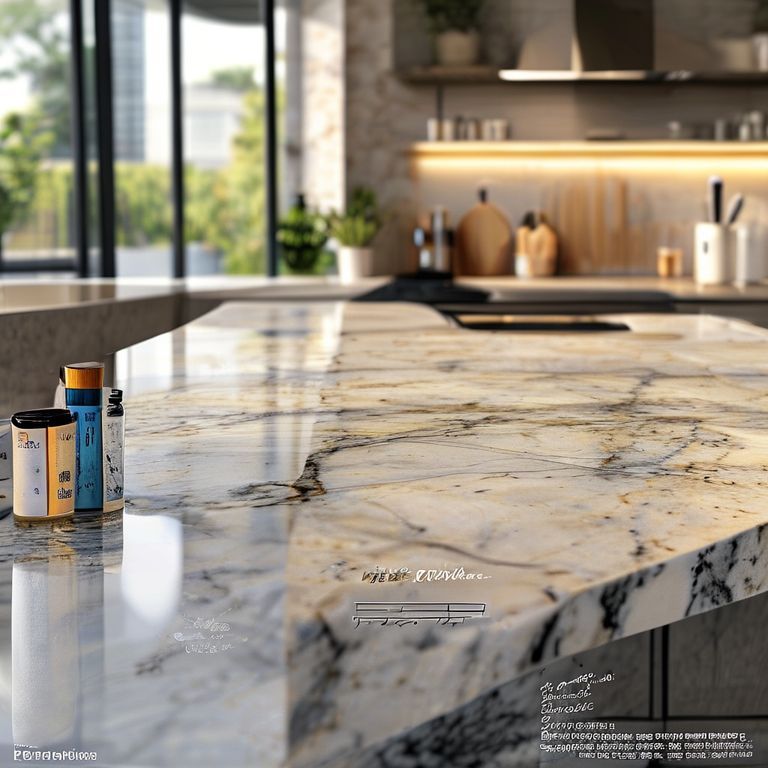
One of the most popular non-invasive methods is using a crack sealant. This involves filling the crack with a specialized adhesive that bonds to the surface material.
Clean the Area: Ensure the crack and surrounding area are clean and dry. Use a suitable cleaner to remove any debris or residue. Select the Right Sealant: Choose a crack sealant compatible with your surface material. Epoxy and polyurethane sealants are commonly used. Apply the Sealant: Using a syringe or caulking gun, apply the sealant into the crack. Fill it completely to ensure a strong bond. Smooth the Sealant: Use a spatula or a damp cloth to smooth the sealant, ensuring it fills the crack entirely. Cure the Sealant: Allow the sealant to cure as per the manufacturer’s instructions. This typically takes several hours.
Advanced Repair Techniques
For more significant cracks, advanced techniques may be required. These methods involve more in-depth procedures to restore the surface to its original state.
Epoxy Repair
Epoxy is a popular choice for repairing deeper cracks due to its strong bonding properties.
Prepare the Surface: Clean the cracked area thoroughly. Remove any loose fragments and ensure the surface is dry. Mix the Epoxy: Follow the manufacturer’s instructions to mix the epoxy resin and hardener. The ratio is typically 2:1. Apply the Epoxy: Using a putty knife or a syringe, apply the epoxy into the crack. Ensure it penetrates deeply. Smooth the Epoxy: Once the epoxy is in place, smooth it out to fill the crack completely. Cure the Epoxy: Allow the epoxy to cure completely. This may take up to 24 hours depending on the product.
Welding for Metal Surfaces
For metal surfaces, welding can be an effective repair method.
Clean the Crack Area: Thoroughly clean the crack and surrounding area to remove any rust or oxidation. Apply Flux: Apply a flux to the crack to ensure proper welding. Weld the Crack: Use a welding machine to melt the metal at the crack site, filling it with molten metal. Cool and Finish: Allow the welded area to cool completely. Then, grind and polish the surface to restore its appearance.
Preventive Measures
Prevention is always better than cure. Here are some tips to prevent surface cracks:
Use Coasters and Trivets: Protect surfaces from hot objects by using coasters and trivets. Avoid Sharp Objects: Do not use sharp objects to scratch or pry open surfaces. Regular Maintenance: Perform regular maintenance to identify and address minor issues before they become severe.
Conclusion
Repairing surface cracks can restore the beauty and functionality of your surfaces, ensuring they last longer. Whether you choose non-invasive methods like crack sealants or advanced techniques like epoxy repair and welding, the key is to address the issue promptly and correctly. With the right tools and techniques, even the most significant cracks can be effectively repaired.
Advanced Techniques for Surface Crack Repair: A Comprehensive Guide (Continued)
In the second part of our comprehensive guide on “台面断裂修复方法,” we will delve deeper into advanced techniques for surface crack repair. From understanding the materials and tools required to step-by-step instructions, this part will provide you with detailed insights to ensure your repair job is a success.
Professional Tools and Materials
When it comes to advanced repair techniques, having the right tools and materials is crucial. Here’s a list of essential tools and materials you’ll need:
Essential Tools
Caulking Gun: For applying sealants and epoxy with precision. Putty Knife: Useful for applying and smoothing epoxy. Dremel or Rotary Tool: For grinding and smoothing surfaces post-repair. Welding Machine: Required for welding metal surfaces. Safety Gear: Always use gloves, goggles, and a dust mask to protect yourself during repairs.
Essential Materials
Crack Sealant: Epoxy and polyurethane are popular choices. Epoxy Resin and Hardener: For deep crack repairs. Welding Rods and Flux: For metal surface repairs. Sandpaper: For smoothing surfaces after repairs. Polishing Compound: To restore the finish of the surface.
Detailed Repair Techniques
Let’s explore the detailed steps for advanced repair techniques:
Epoxy Repair
As mentioned earlier, epoxy is highly effective for deep cracks.
Surface Preparation: Clean the crack thoroughly. Remove any debris, dust, or old repair material. Ensure the surface is completely dry. Mixing Epoxy: Mix the epoxy resin and hardener according to the manufacturer’s instructions. Typically, the ratio is 2:1. Applying Epoxy: Using a putty knife or caulking gun, apply the epoxy into the crack. Make sure it fills the crack completely and extends slightly beyond the crack edges. Smoothing Epoxy: Once the epoxy is in place, use a putty knife or a damp cloth to smooth it out. Ensure it fills the crack entirely and is level with the surrounding surface. Cure Time: Allow the epoxy to cure completely. This can take several hours to a day depending on the product used.
Welding for Metal Surfaces
Welding is a powerful method for repairing cracks in metal surfaces.
Surface Preparation: Clean the crack and surrounding area thoroughly. Remove any rust, oxidation, or debris. Applying Flux: Apply flux to the crack to ensure proper welding. Welding Process: Using a welding machine, melt the metal at the crack site. Fill the crack with molten metal to restore the integrity of the surface. Cooling and Finishing: Allow the welded area to cool completely. Then, use a Dremel or rotary tool to grind the surface smooth. Finally, polish the area to restore its original finish.
Chemical Repair
For certain types of surfaces like epoxy resin or composite materials, chemical repair can be an effective method.
Surface Preparation: Clean the area around the crack to remove any contaminants. Applying Resin: Use a specialized resin designed for chemical repair. Apply it into the crack and around the edges. Curing: Allow the resin to cure as per the manufacturer’s instructions. This may involve heat or UV light. Smoothing and Finishing: Once cured, smooth the surface and apply a finishing agent to restore the finish.
Repairing Composite Surfaces
Composite surfaces like Corian or Formica can also develop cracks, and special techniques are required to repair them.
Surface Preparation: Clean the crack and surrounding area thoroughly. Applying Repair Resin: Use a repair resin specifically designed for composite surfaces. Apply it into the crack and blend it with the surrounding material. Curing: Allow the repair resin to cure completely. Smoothing and Finishing: Use a Dremel or rotary tool to smooth the surface. Apply a finishing agent to restore the appearance.
Repairing Stone Countertops
Stone countertops like granite and quartz can develop hairline cracks, and specific repair techniques are necessary.
Surface Preparation: Clean the area around the crack to remove any debris. Crack Sealant Application: For minor cracks, use a crack sealant. For deeper cracks, use epoxy. Cure Time: Allow the sealant or epoxy to cure completely.
Repairing Porcelain and Ceramic Surfaces
Porcelain and ceramic surfaces can crack due to impacts or thermal stress.
1.Repairing Porcelain and Ceramic Surfaces (Continued)
Surface Preparation: Clean the area around the crack thoroughly to remove any dirt, dust, or old repair material. Ensure the surface is completely dry. Crack Sealant Application: For minor hairline cracks, use a specialized porcelain or ceramic crack sealant. Apply the sealant into the crack using a caulking gun. Epoxy for Deeper Cracks: For deeper cracks, use an epoxy resin specifically formulated for ceramics. Mix the epoxy according to the manufacturer’s instructions and apply it into the crack. Smoothing: Once the epoxy is in place, use a putty knife or a damp cloth to smooth it out, ensuring it fills the crack completely. Curing: Allow the sealant or epoxy to cure completely, following the manufacturer’s recommended time. This can take several hours to a day.
Tips for Successful Surface Crack Repair
Patience: Allow adequate curing time for the repair materials to ensure a strong bond. Precision: Use the right tools to apply the repair material precisely into the crack. Safety: Always use appropriate safety gear, such as gloves, goggles, and masks, to protect yourself from chemicals and dust. Professional Help: For extensive or complex repairs, consider hiring a professional who specializes in surface crack repair.
Conclusion
Surface crack repair is a crucial aspect of maintaining the longevity and appearance of various materials used in daily life. By understanding the nature of the cracks and using the appropriate repair techniques, you can effectively restore your surfaces to their original state. Whether it’s a kitchen countertop, bathroom sink, or any other surface, the methods discussed in this guide provide a comprehensive approach to ensure successful repairs. With the right tools, materials, and a bit of patience, even the most challenging cracks can be effectively repaired, ensuring your surfaces remain functional and aesthetically pleasing for years to come.
In this second part of our comprehensive guide on “台面断裂修复方法,” we have explored detailed steps and techniques for advanced surface crack repair. From using professional tools and materials to specific repair methods for different materials, this guide provides you with the knowledge needed to tackle various types of cracks effectively. Remember, the key to successful repair lies in preparation, precision, and patience. With these insights, you’re well-equipped to handle surface cracks and restore the beauty and functionality of your surfaces.