
Sure, here’s a soft article about cleaning stains on artificial quartz countertops.
The allure of artificial quartz countertops lies in their undeniable beauty and remarkable durability. With their seamless surfaces, captivating patterns, and a spectrum of colors, they effortlessly elevate any kitchen or bathroom space. However, even the most resilient materials are not immune to the occasional mishap. Spills, drips, and everyday use can inevitably lead to stains, threatening to mar the exquisite finish of your beloved countertops. But fret not, for with the right knowledge and a touch of gentle care, those unwelcome blemishes can be banished, restoring your quartz surfaces to their former glory.

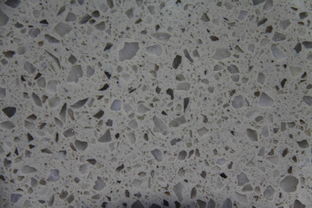
Understanding your artificial quartz countertops is the first step towards effective stain management. Unlike natural stone, quartz is engineered by combining natural quartz crystals with resins and polymers. This manufacturing process results in a non-porous surface, making it inherently resistant to stains and easier to clean than many other countertop materials. However, it’s this very non-porosity that can sometimes make stubborn stains a bit more challenging to lift if left unaddressed for too long. The key is prompt action and employing the right cleaning agents.
Let’s delve into the common culprits that often leave their mark on our beautiful quartz surfaces. Wine, coffee, tea, and fruit juices are frequent offenders, their vibrant pigments having the potential to seep into any microscopic imperfection if left to linger. Grease and oil, splattered from cooking or seeping from food, can also leave behind unsightly marks. Ink from pens, permanent markers, and even some food coloring can prove to be tenacious. And then there are the less common but equally frustrating stains, such as rust marks from metal cans or appliances, or residues from harsh chemicals that might have come into contact with the surface.
The golden rule in stain removal from artificial quartz is to act fast. The longer a spill remains on the surface, the greater the chance it has to penetrate and bond with the material, making it harder to remove. So, the moment you notice a spill, grab a soft cloth or paper towel and gently wipe it up. For most fresh spills, this simple action will be enough to prevent any staining.
When a quick wipe isn’t sufficient, a mild, pH-neutral detergent is your best friend. Mix a few drops of dish soap with warm water. Dampen a soft microfiber cloth with this solution and gently wipe the stained area. Avoid scrubbing aggressively, as this can potentially dull the surface or even damage the resin binder over time. After cleaning, rinse the area thoroughly with clean water to remove any soap residue, and then dry it with a clean, dry microfiber cloth. This prevents water spots and ensures a streak-free finish.
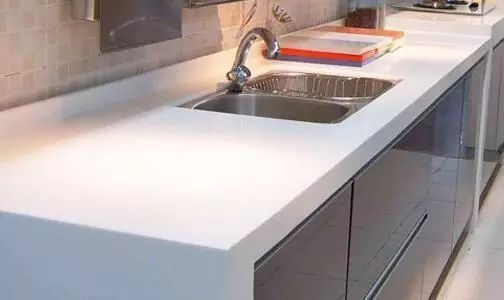
For those slightly more stubborn marks, a non-abrasive household cleaner can be employed. Look for cleaners specifically designed for non-porous surfaces or countertops. Always test any new cleaner on an inconspicuous area of your countertop first to ensure it doesn’t cause any adverse reactions. Apply the cleaner to your cloth, not directly onto the countertop, and then gently rub the stain. Again, rinse thoroughly and dry to prevent residue buildup.
One of the most effective, and surprisingly gentle, solutions for many common stains is baking soda. Create a paste by mixing baking soda with a small amount of water. Apply this paste to the stain and let it sit for a few minutes. The mild abrasive quality of baking soda can help lift the stain without scratching the surface. After the paste has worked its magic, gently wipe it away with a damp cloth, rinse, and dry. This method is particularly effective for coffee, tea, and some food-related stains.
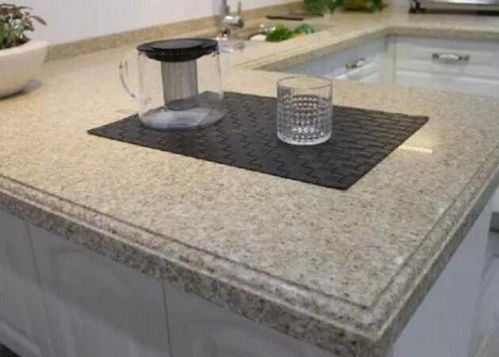
When dealing with particularly greasy marks, a degreaser can be a lifesaver. Again, opt for a mild, pH-neutral degreaser and use it sparingly. Apply it to a cloth and gently work on the greasy stain. Rinse thoroughly with water and dry.
For ink or permanent marker stains, rubbing alcohol (isopropyl alcohol) can be surprisingly effective. Apply a small amount of rubbing alcohol to a cotton ball or soft cloth and gently dab at the ink mark. Work from the outside of the stain inwards to avoid spreading it. Rinse the area well with water and dry. For very stubborn ink, you might need to repeat this process a few times.
Rust stains, often appearing from metal items left on the counter, can be a bit trickier. A paste made of lemon juice and baking soda can sometimes help. Apply the paste, let it sit for a short while, then gently scrub and rinse. For more persistent rust, a specialized rust remover designed for engineered stone might be necessary, but always use these with extreme caution and follow the manufacturer’s instructions precisely.
It’s also important to address what not to do when cleaning your artificial quartz countertops. Harsh chemicals like bleach, oven cleaners, drain cleaners, and highly acidic or alkaline products should be avoided at all costs. These can break down the resin binder in the quartz, leading to discoloration, dullness, and even permanent damage. Similarly, avoid abrasive scouring pads, steel wool, or abrasive cleaning powders, as these can scratch the surface, creating tiny fissures where stains can more easily take hold. Never use wax-based polishes, as these can build up over time, leaving a dull, hazy finish that is difficult to remove.
The beauty of artificial quartz countertops is that they are designed for everyday life. While stains can happen, with a little knowledge and prompt action, you can keep them looking immaculate for years to come. The next part of this guide will delve into some more advanced techniques, preventative measures, and troubleshooting for those particularly stubborn challenges.
Continuing our journey into the pristine world of artificial quartz countertops, we’ve explored the fundamentals of stain identification and the gentle yet effective methods for tackling common blemishes. Now, let’s elevate our cleaning prowess and equip ourselves with strategies for those more persistent challenges and proactive measures to keep our countertops looking their absolute best.
Sometimes, despite our best efforts, a stain seems stubbornly embedded in the very fabric of the quartz. For these more tenacious marks, such as those from nail polish or certain dyes, a specialized cleaner might be your next port of call. Products specifically formulated for removing tough stains from engineered stone can be highly effective. These cleaners are often designed to break down specific types of stains without harming the quartz. When using any specialized cleaner, remember to always read and follow the manufacturer’s instructions meticulously. Patch testing in an inconspicuous area is crucial to ensure compatibility with your specific countertop brand and color.
For those moments when you encounter a particularly challenging stain, think of it as a puzzle to be solved. Patience is key. Instead of resorting to aggressive scrubbing or harsh chemicals, which can do more harm than good, consider a more methodical approach. Sometimes, repeated applications of a mild cleaning solution, with adequate drying time in between, can gradually lift even the most stubborn marks.
Beyond the immediate aftermath of a spill, establishing a routine cleaning and maintenance regimen will significantly reduce the likelihood of stains becoming permanent. A daily wipe-down with a soft, damp cloth and a mild detergent is a simple yet incredibly effective habit. This prevents the accumulation of everyday grime and food particles that can, over time, become ingrained and lead to dullness or minor discoloration. After wiping, always dry your countertops with a clean microfiber cloth to prevent water spots and maintain that brilliant shine.
Protecting your countertops is as important as cleaning them. While quartz is heat-resistant to a degree, prolonged exposure to high temperatures can cause damage, including discoloration and cracking. Always use trivets or hot pads under hot pots, pans, and serving dishes straight from the oven or stovetop. This is a simple preventative measure that safeguards the integrity of your countertops.
Similarly, while quartz is stain-resistant, it’s not entirely stain-proof. Avoiding prolonged contact with highly pigmented or acidic substances is a wise practice. For instance, if you’re preparing a meal with ingredients like beets or berries, consider placing a cutting board directly underneath them, especially if you tend to be a bit splash-prone. Wiping up spills immediately, as we’ve emphasized, remains the most critical preventative step.
When it comes to minor scratches or dull spots that might appear over time, it’s important to understand that artificial quartz is not typically a material that can be polished or refinished like natural stone. If you notice a slight dullness, it’s often due to a buildup of residue from cleaning products or even mineral deposits from hard water. A thorough cleaning with a pH-neutral cleaner, followed by a meticulous rinse and dry, should address this. If the dullness persists and seems more widespread, it might be worth consulting the manufacturer of your countertops or a professional stone care specialist. They can offer advice tailored to your specific product.
For those truly challenging situations, where a stain simply won’t budge, or if you’ve inadvertently used a harsh chemical that has caused damage, professional intervention might be the best course of action. Many companies that specialize in countertop fabrication and installation also offer repair and restoration services. They have the tools and expertise to assess the damage and recommend the most appropriate solution, which could range from specialized cleaning treatments to more complex repairs.
It’s also worth noting that different brands and manufacturers of artificial quartz may have specific care and maintenance recommendations. Always refer to the warranty information and care guide provided by your countertop supplier. This documentation often contains invaluable advice tailored to the unique properties of their product, including recommended cleaning agents and any substances to avoid.
In essence, maintaining the pristine beauty of your artificial quartz countertops is a blend of proactive care and responsive cleaning. By understanding the material’s properties, acting swiftly to address spills, employing gentle yet effective cleaning techniques, and taking preventative measures, you can ensure your countertops remain a gleaming testament to your home’s elegance and your dedication to its upkeep. Embrace the ease of care that quartz offers, and enjoy the enduring beauty it brings to your living spaces for years to come.









