
Beyond Natures Canvas: Exploring the Versatile World of Artificial Stone
Sure, I can help you with that! Here’s a soft article about artificial stones, formatted as you requested.

The allure of natural stone has captivated humanity for millennia. From the majestic marble columns of ancient Greece to the rugged granite foundations of modern skyscrapers, stone has been a symbol of permanence, beauty, and strength. However, the earth’s bounty, while wondrous, is finite and often comes with practical limitations – variability in pattern, susceptibility to staining, and the sheer effort of extraction and transport. Enter the fascinating world of artificial stone, a testament to human ingenuity and a sophisticated response to the call for both aesthetic excellence and enhanced performance.
Artificial stone isn’t a single entity but rather an umbrella term for a diverse range of materials engineered to mimic or even surpass the visual and functional appeal of their natural counterparts. These materials offer designers, architects, and homeowners a palette of possibilities that are both predictable and exceptionally versatile. Forget the days when “artificial” implied a lesser substitute. Today’s engineered stones are sophisticated creations, born from advanced manufacturing processes that allow for unparalleled control over their composition, appearance, and performance.
One of the most prominent stars in the artificial stone universe is engineered quartz. Often referred to by brand names, this material is a triumph of material science. It’s composed of approximately 90-95% natural quartz crystals, which are then bound together with polymer resins and pigments. This fusion creates a non-porous, incredibly hard surface that is both beautiful and remarkably resilient. The beauty of engineered quartz lies in its uniformity and the ability to replicate, and in some cases, enhance, the patterns of natural stones like granite and marble. Imagine the classic veining of Calacatta marble, but without the inherent porosity that makes natural marble prone to etching and staining. Engineered quartz offers this dream, often with a more consistent and predictable pattern, making it a favorite for kitchen countertops, bathroom vanities, and high-traffic areas.
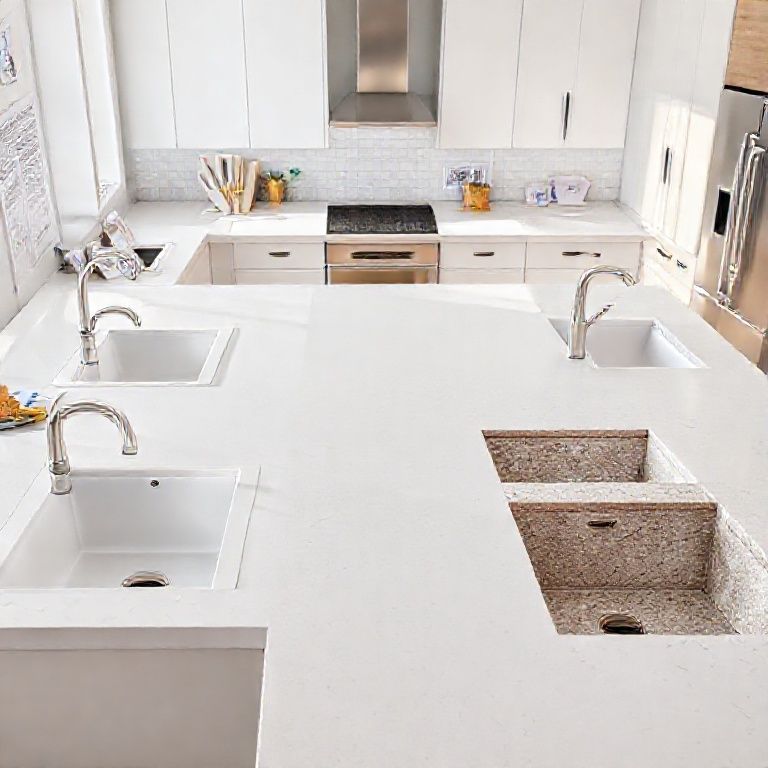
The manufacturing process for engineered quartz involves crushing natural quartz into small pieces, mixing them with resin binders and pigments, and then compacting and heating this mixture under immense pressure. This process creates a solid, homogenous slab with no hidden voids or fissures. The result is a material that is not only stunning to look at but also exceptionally durable. Its non-porous nature means it resists stains from common household substances like wine, coffee, and oil, making it a low-maintenance choice for busy kitchens. Furthermore, engineered quartz is highly resistant to scratches and heat, though it’s always wise to use trivets for extremely hot pans. The color palette for engineered quartz is virtually limitless, ranging from pure whites and deep blacks to an array of earthy tones, vibrant hues, and intricate patterns that can mimic natural stones with uncanny accuracy or forge entirely new aesthetic paths.
Another significant player is solid surface, a material that has carved out its niche by offering seamless integration and repairability. Typically made from acrylic or polyester polymers and mineral fillers, solid surface materials are thermosetting plastics that are shaped and formed. Their defining characteristic is their ability to be thermoformed – heated and bent into curved shapes – and their non-porous nature. This makes them ideal for creating intricate designs, seamless countertops that flow into integrated sinks, and unique architectural features.
The appeal of solid surface lies in its smooth, matte finish and its inherent ability to be repaired. Scratches and minor damage can often be sanded out, restoring the surface to its original condition, a significant advantage over many other materials. This repairability, combined with its non-porous quality, makes it a hygienic choice for healthcare settings and laboratories, as well as a practical one for residential kitchens and bathrooms. The visual possibilities are broad, though often with a more contemporary feel than the classic looks of engineered quartz. Solid surface can be translucent, allowing for creative lighting designs, and it comes in a vast spectrum of colors and patterns, from subtle textures to bold, artistic statements.
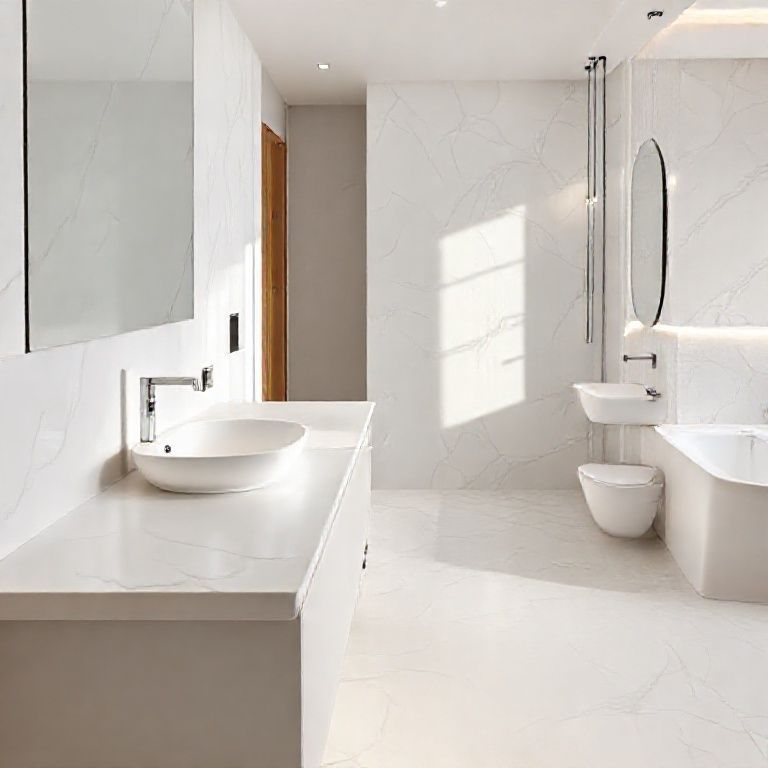
Beyond these prominent examples, the realm of artificial stone expands to include porcelain slabs. These are a relatively newer, yet rapidly growing, contender in the surfacing market. Porcelain, fundamentally a ceramic material, is made from a blend of clay, feldspar, and other minerals that are fired at extremely high temperatures. This intense firing process vitrifies the material, making it exceptionally dense, hard, and non-porous. Modern manufacturing techniques allow for the creation of large-format porcelain slabs that can mimic natural stones, concrete, wood, and even textiles with remarkable realism.
The advantage of porcelain slabs lies in their extraordinary durability and resistance to almost everything. They are virtually impervious to heat, stains, scratches, and UV rays, making them suitable for both indoor and outdoor applications. Think of outdoor kitchens, patio flooring, or even building facades that need to withstand the elements. The large format of these slabs also means fewer grout lines in flooring or wall installations, contributing to a cleaner, more expansive aesthetic. The digital printing technology used to create the surface patterns on porcelain is so advanced that it can replicate the finest details of natural materials, often surpassing the authenticity of other artificial stones. The potential for design is immense, offering a sleek, contemporary look that is also incredibly robust. These materials are not just surfaces; they are the building blocks of a more durable and aesthetically refined future, challenging our perceptions of what stone can be.
Continuing our exploration into the captivating world of artificial stone, we delve deeper into the practical applications and innovative possibilities that these engineered materials unlock for our living spaces. The appeal of artificial stone extends far beyond mere aesthetics; it encompasses enhanced functionality, sustainability considerations, and a level of design freedom that natural materials simply cannot match.
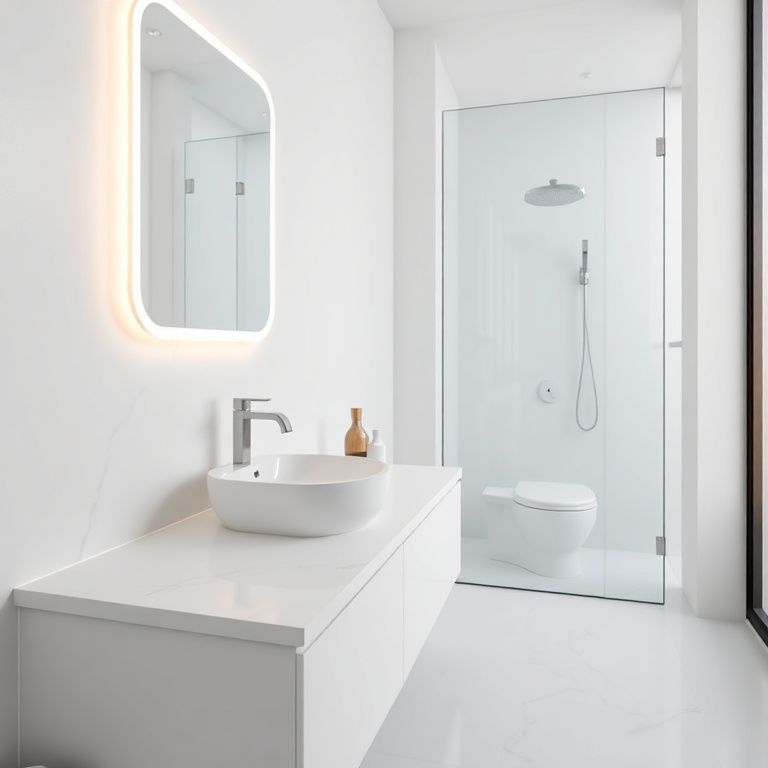
The kitchen, often considered the heart of the home, is a prime canvas for artificial stone. For engineered quartz, its non-porous nature makes it a hygienic and practical choice for countertops and backsplashes. Imagine preparing meals without the constant worry of spills from red wine, tomato sauce, or oil seeping into the stone and leaving permanent marks. Engineered quartz shrugs these off with a simple wipe, a significant stress reliever for any home cook. Its resistance to heat also means that a hot pan can be placed on it (though using trivets is always a good practice for longevity) without causing damage, a considerable advantage over many natural stones. The consistent patterns mean you can be confident that the slab you choose will look exactly as you envisioned, eliminating the guesswork often associated with the unique, sometimes unpredictable, variations found in natural granite or marble. This predictability is a boon for designers and homeowners alike, ensuring a cohesive and polished look throughout the kitchen. Furthermore, the sheer variety of colors and patterns available in engineered quartz allows for endless design possibilities, from replicating the subtle elegance of Carrara marble to embracing bold, contemporary aesthetics with unique veining and color combinations.
Solid surface materials offer a different yet equally compelling set of advantages, particularly in areas where seamlessness and hygiene are paramount. In kitchens, this often translates to integrated sinks, where the countertop material flows directly into the sink basin without any visible seams. This creates a sleek, easy-to-clean surface where dirt and grime have no crevices to hide. For those who entertain frequently or have young children, the ease of cleaning and the durability of solid surface are invaluable. Beyond kitchens, solid surface shines in bathrooms, where it can be molded into custom vanity tops with integrated basins, shower walls that are entirely seamless, and even bathtubs. Its ability to be repaired also means that if a scratch or chip does occur, it can often be buffed out or filled, restoring the surface to its pristine condition, extending its lifespan and maintaining its aesthetic appeal. The translucency of some solid surface materials also opens up exciting design avenues, allowing for illuminated countertops or feature walls that add a unique ambiance to a space.
Porcelain slabs are the rising stars when it comes to versatility and extreme durability, making them suitable for a much broader range of applications, both indoors and out. In kitchens and bathrooms, their imperviousness to stains and scratches makes them an excellent choice for countertops, backsplashes, and even flooring. Imagine a floor that can withstand the daily wear and tear of a busy household, spills from pets, and the constant movement of furniture, all while maintaining its beauty. Porcelain’s resistance to extreme temperatures also makes it ideal for outdoor kitchens and barbecue areas, where it can endure sun, rain, and heat without degrading. Furthermore, the large-format nature of porcelain slabs minimizes grout lines, creating a more expansive and visually cohesive look, especially in large spaces. This is particularly appealing for flooring and wall cladding, offering a minimalist and contemporary aesthetic. Architects and designers are increasingly turning to porcelain for facade cladding, realizing its ability to withstand harsh weather conditions and UV exposure while offering a sophisticated finish that can mimic natural stone, wood, or metal.
The sustainability aspect of artificial stone is also becoming increasingly important. While natural stone is an earth-given resource, its extraction can have significant environmental impacts, including habitat destruction and energy-intensive quarrying and transportation. Many artificial stone manufacturers are focusing on sustainable practices. For engineered quartz, the use of natural quartz crystals, a widely available mineral, is a key factor. Some manufacturers incorporate recycled content into their formulations, further enhancing their environmental credentials. Solid surface materials can also be made with recycled components and are known for their longevity, reducing the need for frequent replacement. Porcelain, being made from natural clays and minerals, is also an inherently durable and long-lasting material, and many producers are investing in energy-efficient manufacturing processes and responsible sourcing of raw materials. The longer lifespan of these materials, compared to some alternatives, contributes to a reduction in waste over time.
When considering artificial stone for a project, several factors come into play. Durability is paramount, and here, engineered quartz and porcelain slabs generally lead the pack for high-traffic areas. For maintenance, the non-porous nature of all these materials simplifies cleaning significantly. Aesthetics are, of course, a primary driver, and the vast array of colors, patterns, and finishes available ensures there’s a perfect match for almost any design vision. Cost is also a consideration, and while high-end engineered quartz and porcelain slabs can be a significant investment, their durability and low maintenance can offer excellent long-term value. Solid surface materials often fall into a more moderate price range, offering a good balance of performance and affordability.
Ultimately, artificial stone represents a triumph of material science and design. It offers a compelling alternative to natural stone, providing enhanced performance, unparalleled design flexibility, and often, a more predictable and sustainable choice. Whether you’re embarking on a full kitchen renovation, a bathroom update, or a large-scale architectural project, exploring the diverse and evolving world of artificial stone is sure to inspire and deliver exceptional results, proving that sometimes, human innovation can indeed create something as beautiful, if not more so, than nature itself.









