
The gleam of an artificial marble countertop is a hallmark of modern kitchens, offering a seamless blend of durability and sophisticated aesthetics. These surfaces, crafted from a composite of mineral fillers and acrylic binders, boast impressive resistance to stains and heat. However, even the most resilient materials aren’t entirely immune to the occasional mishap. A dropped pot, a sharp knife, or even the relentless march of time can leave its mark in the form of chips, scratches, or dull patches. For many, this damage signals the beginning of an expensive countertop replacement. But what if there was a way to rewind the clock on your countertop’s wear and tear, to bring back its pristine luster without breaking the bank? The answer lies in the world of artificial marble countertop repair, a surprisingly accessible and effective approach that’s gaining traction, thanks to a wealth of detailed video tutorials.
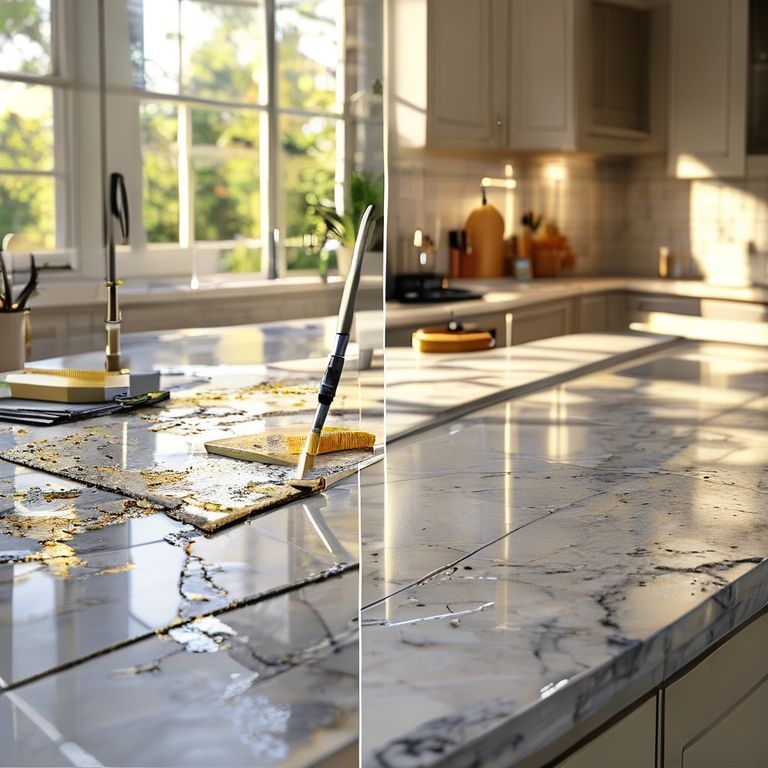
The allure of these “how-to” videos is undeniable. They demystify complex repair processes, transforming what might seem like an insurmountable DIY project into a manageable, even rewarding, undertaking. Imagine watching a skilled hand meticulously fill a chip with a color-matched resin, sand it to an invisible transition, and then polish it to a mirror finish – all within the comfort of your own home. These visual guides are invaluable, offering step-by-step instructions that cater to a range of damage types and skill levels. They highlight the essential tools and materials, from specialized repair kits and epoxies to fine-grit sandpaper and polishing compounds. The sheer volume of available content, often presented in clear, concise language, empowers homeowners to tackle issues they might have previously thought required professional intervention.
Understanding the nature of artificial marble is the first step in mastering its repair. Unlike natural stone, artificial marble is a manufactured product. This uniformity is a significant advantage when it comes to repairs. The color and pattern are consistent throughout the material, meaning that when you fill a chip or scratch, you’re not dealing with unpredictable veining or mineral inclusions. The repair material can be blended more precisely, creating a seamless integration with the surrounding surface. This uniformity is precisely what makes the video tutorials so effective. They can demonstrate how to achieve a perfect color match, how to feather the edges of a repair, and how to achieve a consistent sheen, all because the material itself behaves predictably.
One of the most common types of damage encountered on artificial marble countertops is chipping. This typically occurs at edges or corners where the material is most vulnerable. A sharp impact can cause a small piece of the countertop to break away. The good news is that chips are often the easiest type of damage to repair. Video tutorials commonly showcase the use of specialized countertop repair kits. These kits usually contain a two-part epoxy or resin filler, a hardening agent, and a coloring agent. The process, as demonstrated in countless videos, begins with thoroughly cleaning the damaged area to remove any loose debris. Then, the filler is mixed according to the manufacturer’s instructions, often with a small amount of the colorant to achieve a hue that closely matches the countertop.

The careful application of the filler is crucial. It needs to be pressed firmly into the chip, ensuring there are no air bubbles. Many tutorials emphasize using a small spatula or putty knife for this task, building up the filler slightly above the surface to account for any shrinkage during the curing process. Once the filler has set, typically within a few hours, the magic of sanding begins. This is where patience and precision pay off. Videos often demonstrate starting with a coarser grit sandpaper to level the filler with the countertop surface, gradually moving to finer grits to smooth out any imperfections and create a seamless transition. The goal is to make the repaired area indistinguishable from the original material.
Scratches are another frequent adversary. While artificial marble is relatively scratch-resistant, deep gouges can still occur, marring the otherwise flawless surface. Repairing scratches can be a bit more nuanced than fixing chips, as it involves not just filling but also restoring the surface finish. For minor surface scratches, a polishing compound, often demonstrated in videos, can work wonders. These compounds contain fine abrasives that gently abrade the surface, effectively buffing out shallow scratches and restoring the shine. The application is usually straightforward: apply a small amount of compound to a soft cloth and rub the scratched area in a circular motion, gradually increasing pressure.
For deeper scratches, a more involved approach might be necessary, often mirroring the chip repair process. This could involve filling the scratch with a color-matched resin, followed by sanding and polishing. The key here, as highlighted in many video guides, is to feather the edges of the repair meticulously. This means gradually blending the repaired area into the surrounding countertop, ensuring no distinct lines or edges are visible. The final polishing step is paramount, bringing the entire area back to a uniform gloss. The visual element of the tutorials is indispensable in these instances, allowing viewers to observe the subtle techniques employed by experienced individuals to achieve an invisible repair.
Beyond the immediate aesthetics, successful repairs also contribute to the longevity of your countertops. A chip or deep scratch, if left unattended, can become a site for bacteria to accumulate or for moisture to seep in, potentially causing further damage over time. By addressing these imperfections promptly and effectively, you’re not only enhancing the visual appeal of your kitchen but also safeguarding your investment. The confidence gained from watching and executing these repairs can be immense. It’s about empowerment – taking control of your home’s maintenance and realizing that many seemingly daunting tasks are within reach with the right guidance and a bit of determination. The comprehensive nature of these video tutorials, covering everything from material selection to the final buff, truly democratizes countertop restoration.
The process of repairing artificial marble countertops, as vividly illustrated in numerous online video tutorials, extends beyond simple cosmetic fixes. It’s a craft that requires understanding the nuances of the material, the specific types of damage, and the appropriate techniques to achieve a durable and aesthetically pleasing result. One common challenge, particularly in busy kitchens, is the dulling of the surface due to everyday use. Sunlight, harsh cleaning agents, or abrasive scrubbing can gradually erode the protective top layer, leaving the countertop looking lackluster. Fortunately, this is a problem that many video tutorials address with practical, home-based solutions.
For minor dullness or light scuff marks, the go-to solution often involves a polishing compound specifically designed for solid surfaces. These tutorials meticulously demonstrate the application process: typically, a small amount of compound is applied to a soft, lint-free cloth. The user then gently rubs the affected area in a circular motion, applying consistent pressure. The visual progression shown in these videos is key – you can see the dull patch gradually regain its shine as the fine abrasives in the compound work their magic. Some tutorials even suggest using a power polisher with a foam pad for larger areas, emphasizing the importance of starting with a low speed and gradually increasing it to avoid overheating the surface. This methodical approach, broken down into digestible visual steps, makes a significant difference in achieving professional-looking results.
When dealing with more significant damage, such as deeper scratches or even small cracks, the repair process becomes more akin to filling and resurfacing. This is where the skill demonstrated in video tutorials truly shines. Many guides focus on using a two-part acrylic adhesive or a specialized resin filler. The key to a successful repair, as consistently emphasized, is achieving a perfect color match. This often involves mixing the filler with a colorant provided in repair kits or purchasing a custom-mixed color if the manufacturer offers it. The tutorials are invaluable in showing viewers how to mix small batches, test the color on an inconspicuous area, and make fine adjustments to achieve the closest possible match to the existing countertop.
The application of the filler is another area where visual guidance is paramount. Videos often show how to use a small spatula or a palette knife to carefully fill the damaged area, ensuring the filler is pressed in firmly to eliminate any air bubbles. The goal is to slightly overfill the imperfection, creating a small mound that can be leveled off later. This slight overfill compensates for any potential shrinkage as the filler cures. The curing time, which varies depending on the product used, is usually clearly stated, and many tutorials advise on how to keep the area protected during this period.
Once the filler has fully cured, the real artistry of the repair begins: sanding and polishing. This is perhaps the most critical stage, and the video tutorials excel at demonstrating the techniques required for a seamless finish. They emphasize starting with a relatively coarse grit sandpaper, perhaps around 220 or 320, to level the overfilled filler with the countertop surface. The sanding should be done with light, even pressure, working in a consistent direction. The tutorials then guide the viewer through a progression of increasingly finer grits – 400, 600, 800, and sometimes even up to 1500 or 2000 grit. Each stage of sanding is crucial for removing the scratches left by the previous grit and progressively smoothing the surface.
The visual transformation during the sanding process is remarkable. What might initially look like a distinct patch gradually blends into the surrounding material. Many videos provide close-up shots, allowing viewers to see the surface change from matte to progressively smoother. The final stages of sanding often involve wet sanding, where water is used as a lubricant to reduce friction and heat, and to create a slurry that helps to polish the surface. This technique, often demonstrated with care and precision, prevents the sandpaper from clogging and ensures a finer finish.
Following the final sanding stage, the surface is typically ready for polishing. This is where the countertop regains its characteristic shine. Video tutorials often recommend using a specialized polishing compound, sometimes accompanied by a buffing pad or a soft cloth. The application is similar to the initial polishing for dullness, but with more focus on achieving a high-gloss finish. The tutorials show how to work the compound into the surface, gradually increasing the buffing speed or pressure until the desired sheen is achieved. The ultimate goal is for the repaired area to be indistinguishable from the original countertop, both in texture and in its reflective quality.
Beyond chips and scratches, some tutorials also address more complex issues like heat marks or discoloration. These often require a more aggressive sanding approach, potentially starting with coarser grits and carefully working up to finer ones. The key, as always, is to remove only the damaged layer and then restore the surface finish. Some advanced techniques might even involve the application of a clear top coat or a specialized sealer to further protect the repaired area and blend it seamlessly with the rest of the countertop.
The value of these comprehensive video tutorials cannot be overstated. They democratize a skill that was once considered the domain of specialized tradespeople. They provide accessible, step-by-step instructions that empower homeowners to undertake repairs themselves, saving significant costs associated with professional services or premature countertop replacement. The visual nature of the medium allows for a level of detail and clarity that written instructions often struggle to convey. From understanding the properties of artificial marble to mastering the art of color matching, sanding, and polishing, these resources offer a complete educational experience. By following these guides, individuals can not only mend minor imperfections but also gain the confidence and knowledge to maintain the beauty and integrity of their artificial marble countertops for years to come, transforming a potential headache into a satisfying DIY triumph.









