
The humble window ledge. Often an afterthought, it’s a sliver of space that silently witnesses the changing seasons, the ebb and flow of daily life, and the very character of a room. Yet, this unassuming architectural feature holds immense potential. It’s a stage for your favorite plants, a perch for curious pets, a convenient spot for a cup of tea, or even a functional extension of your workspace. But its true magic is unlocked when its material is thoughtfully chosen. Moving beyond the standard builder-grade options, selecting the right material for your window ledge can elevate your interior design from merely pleasant to truly captivating. It’s about harmonizing aesthetics with practicality, creating a surface that not only looks stunning but also stands the test of time and daily use.

When we talk about window ledge materials, we’re essentially discussing a form of interior countertop. The same principles that guide kitchen or bathroom vanity choices often apply here, with a few unique considerations. Durability is paramount, of course. A window ledge is exposed to sunlight, potential moisture from condensation or watering plants, and the inevitable bumps and scrapes of everyday living. Beyond toughness, the material needs to complement your existing decor. Is your style minimalist and modern, or do you lean towards rustic charm? The texture, color, and sheen of the material will play a significant role in defining the room’s atmosphere. And let’s not forget maintenance. Some materials are forgiving and require little more than a quick wipe-down, while others demand a more attentive approach. Finally, budget is always a factor, and happily, there’s a spectrum of options to suit various financial plans.
Let’s begin our exploration with the timeless allure of natural stone. Granite, a perennial favorite for countertops, brings an unparalleled sense of luxury and durability to a window ledge. Each slab of granite is a unique masterpiece, with variations in color, pattern, and veining that add depth and character. Its inherent hardness makes it exceptionally resistant to scratches, heat, and stains, ensuring it will retain its beauty for decades. Imagine a deep, rich black granite framing a view of a winter wonderland, or a light, speckled granite bringing a touch of airy elegance to a sun-drenched breakfast nook. The cooling properties of natural stone also make it a wonderful surface for placing drinks or even as a temporary resting spot for baked goods. However, granite, like all natural stones, is porous and requires sealing to prevent staining. Regular sealing, typically once a year, is a small price to pay for its enduring elegance.
Marble, with its ethereal beauty and classic appeal, offers a more delicate yet equally sophisticated option. Its distinctive veining, often in shades of grey, black, or even soft blues and greens against a creamy white background, evokes a sense of timeless grandeur. A marble window ledge can transform a simple window into a focal point, lending an air of understated opulence. It’s particularly suited for rooms where a touch of refined elegance is desired, such as a formal living room or a dressing area. However, marble is softer and more porous than granite, making it more susceptible to etching from acidic substances like lemon juice or vinegar, and to staining. While its inherent beauty is undeniable, a marble window ledge demands a more conscientious approach to cleaning and maintenance. Careful wiping after any spills and regular sealing are essential to preserve its pristine appearance.

Quartzite, a natural stone that has gained significant popularity in recent years, strikes an impressive balance between the beauty of marble and the durability of granite. Formed from sandstone that has been metamorphosed under heat and pressure, quartzite boasts a hardness that rivals granite, making it highly resistant to scratches and heat. Its appearance can range from subtle, milky whites with soft veining to dramatic, colorful patterns that rival the most exquisite marble. This makes it an incredibly versatile choice, capable of fitting into a wide array of design schemes. Like granite, it is porous and requires sealing, but its superior hardness generally makes it less prone to damage than marble. If you’re seeking the sophisticated look of natural stone without the high maintenance of marble, quartzite is a compelling contender.
Moving into the realm of engineered materials, we encounter options that often blend aesthetic appeal with enhanced performance. Quartz, also known as engineered stone, is a popular choice that offers a remarkably uniform and consistent appearance. Composed of approximately 90% crushed quartz crystals mixed with polymer resins and pigments, quartz is non-porous, meaning it’s highly resistant to staining, bacteria, and moisture. This makes it an incredibly low-maintenance option for a window ledge, ideal for busy households or areas prone to spills. The range of colors and patterns available in quartz is vast, from solid, minimalist hues to realistic imitations of natural stone like marble or granite. This consistency can be a boon for designers seeking a perfectly coordinated look. Its durability is excellent, offering good resistance to scratches and impact, though it’s not entirely impervious. Extreme heat can potentially damage the resin binder, so caution with hot items is advised.
Another excellent engineered option is solid surface material, most famously exemplified by brands like Corian. Solid surface is a composite material made from acrylic polymers and alumina trihydrate. Its key advantage lies in its non-porous nature and its ability to be seamlessly fabricated. This means that a solid surface window ledge can be created with integrated coving or without visible seams, offering a sleek, modern, and highly hygienic solution. It’s resistant to stains and easy to clean, making it a practical choice for any room. The range of colors and patterns is extensive, offering everything from subtle textures to vibrant, bold hues. While it’s generally resistant to scratches, deeper scratches can often be buffed out, a unique advantage over many other materials. Its resistance to heat is moderate, so caution with hot objects is still recommended. The seamless nature of solid surface makes it particularly appealing for contemporary designs or for creating a cohesive look with existing solid surface countertops.
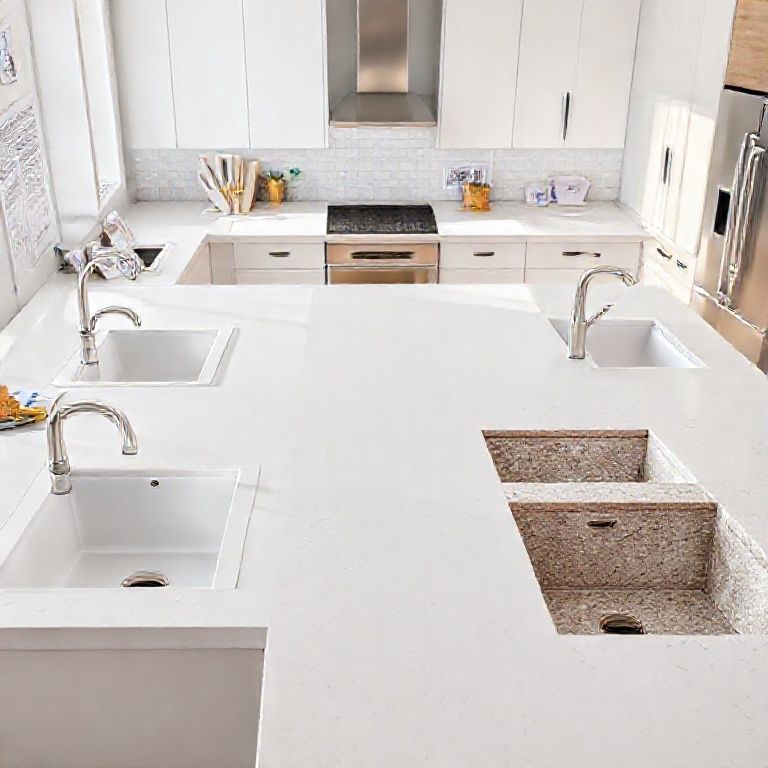
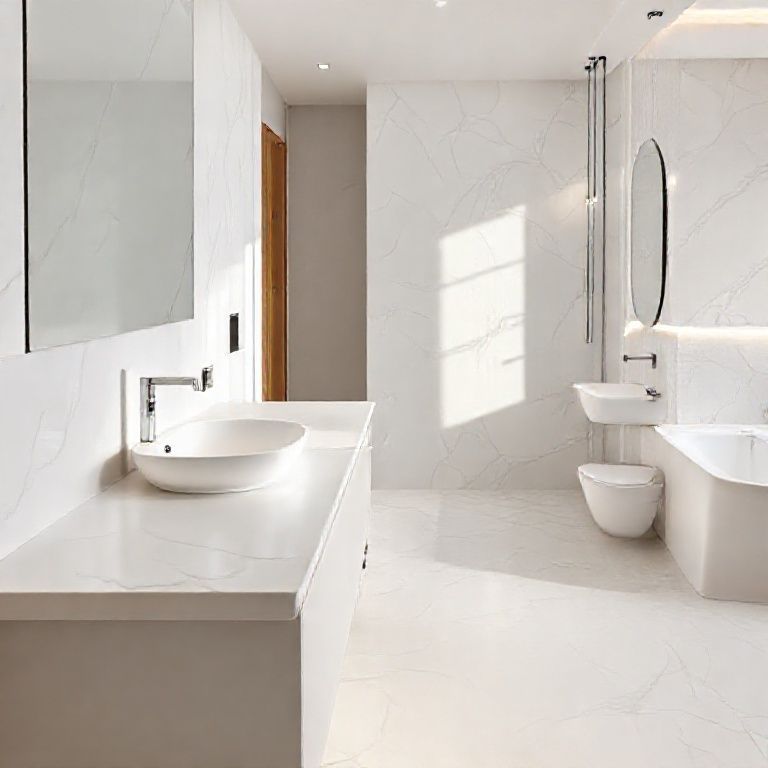
Finally, let’s briefly touch upon porcelain. While perhaps less common for traditional window ledges, large-format porcelain slabs are increasingly being used for surfaces like countertops and backsplashes, and they translate beautifully to window ledges. Porcelain is incredibly dense, non-porous, and highly resistant to stains, scratches, and heat. Its durability is exceptional, making it an almost maintenance-free option. The aesthetic possibilities are also vast, with porcelain now capable of mimicking the look of natural stone, wood, or concrete with remarkable realism. This offers the advantage of achieving a desired look without the associated maintenance requirements of the natural material. A porcelain window ledge can provide a sleek, modern, and incredibly robust surface that will stand up to the rigors of daily life with minimal fuss.
Continuing our journey into the world of window ledge materials, we now turn our attention to options that often bring a touch of warmth, character, and perhaps a more budget-friendly approach to your design. While natural and engineered stones offer undeniable durability and a certain gravitas, materials like wood, laminate, and tile bring their own unique set of advantages and aesthetic possibilities to the table, each with its own considerations for beauty and longevity.
Wood, in its myriad forms, has been a staple in home design for centuries, and for good reason. Its natural warmth, rich grain patterns, and ability to be stained or finished in countless ways make it an incredibly versatile and inviting material for a window ledge. Think of the cozy charm a solid wood sill can bring to a rustic farmhouse kitchen, or the sleek sophistication a dark-stained hardwood can add to a modern study. Hardwoods like oak, maple, or cherry are generally more durable and less prone to scratching than softer woods. However, wood does have its vulnerabilities. It is susceptible to moisture damage, which can lead to warping, cracking, or rot if not properly sealed and maintained, especially in areas prone to condensation or where plants are frequently watered. Regular application of a protective sealant or finish is crucial to protect the wood from moisture and UV exposure, which can cause fading. Despite these considerations, the inherent beauty and warmth of wood often outweigh its maintenance requirements for many homeowners seeking a classic, inviting aesthetic.
Laminate, often perceived as a more budget-friendly alternative, has come a long way in terms of appearance and durability. Modern laminates are designed to mimic the look of natural materials like wood, stone, or even metal with surprising realism. They consist of layers of composite wood pressed together, topped with a decorative layer and a clear protective overlay. This construction makes laminate relatively durable and resistant to scratches and stains, often more so than some natural woods. For a window ledge, laminate can be an excellent choice if you’re looking to achieve a specific aesthetic without the associated cost or maintenance of the material it emulates. Its non-porous surface makes it easy to wipe clean, and it’s generally resistant to fading from sunlight. However, it’s important to note that laminate is not impervious to damage. Deep scratches can be difficult to repair, and prolonged exposure to excessive moisture can cause the composite wood core to swell or delaminate. Therefore, while a good option for drier areas, it might not be the first choice for a window ledge in a humid bathroom or a very damp environment.
Tile offers an incredibly diverse and adaptable solution for window ledges, providing a vast array of design possibilities. From the classic elegance of ceramic and porcelain tiles to the organic beauty of natural stone tiles, the options are virtually limitless. Ceramic and porcelain tiles, in particular, are highly durable, non-porous, and exceptionally easy to clean, making them a practical and low-maintenance choice. They are also resistant to heat and fading, ensuring they’ll maintain their appearance for years to come. The sheer variety of colors, patterns, shapes, and sizes available in tile means you can create a truly custom look, whether you envision a mosaic of intricate patterns, a clean and minimalist subway tile, or the rustic charm of terracotta. For a window ledge, tiles can be laid with grout, which does require occasional cleaning and sealing to prevent staining, but the tiles themselves are very forgiving. The key to a successful tiled window ledge lies in the quality of the installation and the choice of grout, which can significantly impact both the look and the longevity of the surface.
When considering materials, it’s also worth thinking about the practicalities specific to a window ledge environment. Sunlight can be a significant factor. Materials that are prone to fading or degradation under UV exposure might not be the best choice for a sunny south-facing window. Similarly, condensation is common, especially in colder climates or with houseplants. This means materials that are highly resistant to moisture or that can be easily protected against it are generally preferable. The depth and thickness of the ledge also play a role. A deeper ledge might be suitable for a more substantial material like a thick slab of granite, while a thinner profile might lend itself better to materials like tile or laminate.
The installation process itself is another consideration. Some materials, like solid surface or large slabs of natural stone, require professional fabrication and installation, which adds to the overall cost. Others, like tile or even some types of wood, can be more of a DIY-friendly project for those with the right skills and tools. Understanding the installation requirements and associated labor costs is an integral part of the decision-making process.
Ultimately, the best material for your window ledge is a personal choice, guided by your individual style, functional needs, and budget. Do you dream of the cool, sophisticated touch of marble in your reading nook, or the practical, easy-to-clean surface of quartz in your plant-filled sunroom? Perhaps the timeless warmth of a custom-stained wood sill perfectly complements your existing decor. Each material offers a unique blend of advantages and potential drawbacks, and by understanding these nuances, you can transform your window ledge from a simple architectural detail into a beautiful, functional, and cherished element of your home’s design. It’s an opportunity to infuse personality, add a touch of luxury, or simply enhance the everyday usability of a space you interact with constantly. So, take a closer look at your window sills – they’re waiting to be discovered as a canvas for creativity and a testament to thoughtful design.









