
The quest for the perfect countertop is a journey that often leads us down a rabbit hole of materials, finishes, and functionalities. In today’s design landscape, two contenders frequently vie for the top spot: acrylic and solid surface. While they share certain similarities – both offering a modern, often seamless aesthetic – their fundamental differences can significantly impact their performance, appearance, and suitability for your specific needs. This article aims to demystify these distinctions, offering a comprehensive comparison that goes beyond mere aesthetics. We’ll delve into their compositions, physical properties, and how these translate into everyday use, empowering you to make a choice that resonates with both your style and practicality.

At their core, acrylic and solid surface materials are both engineered products, meaning they are manufactured rather than mined. This allows for a high degree of control over their properties and a vast spectrum of design possibilities. However, the building blocks and manufacturing processes diverge, leading to their unique characteristics.
Acrylic, often referred to by brand names like Corian (though Corian is technically a solid surface, the term is sometimes used colloquially for acrylic-based materials), is primarily composed of methyl methacrylate (MMA) and alumina trihydrate (ATH), along with pigments. It’s essentially a type of plastic, but a highly refined and durable one. This acrylic resin base gives it a certain inherent flexibility and a distinct feel. It’s known for its non-porous nature, meaning it doesn’t absorb liquids, which makes it exceptionally hygienic and resistant to stains. The manufacturing process allows for the creation of incredibly consistent colors and patterns, and the material can be thermoformed into curves and shapes that would be impossible with natural stone. This malleability is a significant advantage in intricate designs or spaces with non-standard dimensions.

Solid surface, on the other hand, is a composite material that typically consists of a blend of acrylic or polyester resins and mineral fillers, most commonly ATH. While many solid surface materials incorporate acrylic resins, the presence of a higher proportion of mineral filler and sometimes different binding agents distinguishes them from pure acrylic. This formulation results in a material that is harder and often more brittle than pure acrylic. Like acrylic, solid surface is non-porous, offering the same benefits of stain resistance and hygiene. Its composition allows for a wide range of colors and patterns, and it can also be fabricated into seamless designs, a hallmark of both materials.
The visual appeal of both acrylic and solid surface is a significant draw. Both can mimic the look of natural stone, from the subtle veining of marble to the granular texture of granite, all without the inherent flaws or maintenance headaches of their natural counterparts. They also come in a spectrum of solid colors, from crisp whites and deep blacks to vibrant hues, offering designers and homeowners unparalleled creative freedom. The seamless fabrication is a game-changer for aesthetics. Seams, where two pieces of material meet, are virtually invisible, creating a continuous, flowing surface that is both visually striking and easier to clean. This eliminates the grout lines common in tile or the visible seams found in some natural stone installations.
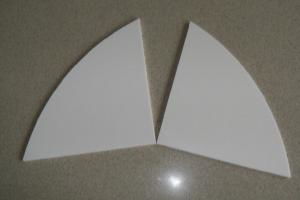
When it comes to durability, both materials perform admirably, but with subtle differences. Acrylic is known for its resilience and ability to withstand everyday wear and tear. Its slightly softer nature, compared to some solid surfaces, means it might be more susceptible to scratching if subjected to abrasive forces or sharp objects. However, a key advantage of acrylic is its repairability. Minor scratches and scuffs can often be buffed out or repaired by a professional, restoring the surface to its original pristine condition. This makes it an excellent choice for high-traffic areas where wear is inevitable.
Solid surface, with its higher mineral content, tends to be harder and more resistant to scratches than pure acrylic. This can be a significant advantage for those who are particularly concerned about preserving a flawless finish. However, because it is harder, deep scratches or chips can be more challenging to repair than with acrylic. While still repairable, the process might be more involved and potentially more costly depending on the depth of the damage. Both materials are generally resistant to heat, but neither is a substitute for a trivet. Prolonged exposure to very high temperatures can cause damage, such as scorching or discoloration. Understanding these nuances in durability allows for a more informed choice based on lifestyle and expected usage.
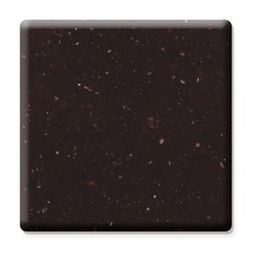
The non-porous nature of both materials is a major selling point, particularly in kitchens and bathrooms. This means they do not absorb liquids, oils, or other common kitchen substances. The implications are significant: excellent stain resistance and superior hygiene. Spills from red wine, coffee, or cooking oils are less likely to leave a permanent mark. Cleaning is generally straightforward, often requiring just soap and water or a mild household cleaner. The lack of pores also prevents bacteria and mold from taking root, making both acrylic and solid surface excellent choices for environments where cleanliness is paramount.
In terms of installation, both materials are relatively user-friendly for experienced fabricators. Their lighter weight compared to natural stone can sometimes simplify handling and installation, potentially reducing labor costs. The ability to create seamless joints is a major advantage for both, transforming the overall look and feel of a space. The fabrication process for both involves cutting, shaping, and bonding. For acrylic, the thermoforming capability opens up a world of design possibilities, allowing for curved countertops, integrated sinks, and custom-molded backsplashes. Solid surface also offers flexibility in design, but the thermoforming capabilities might be more limited or require specialized techniques depending on the specific product.
Environmental considerations are also increasingly important for consumers. Both acrylic and solid surface materials are manufactured products, and their environmental footprint is largely determined by their production processes, the origin of their raw materials, and their end-of-life disposal. Acrylic is a type of plastic, and like many plastics, its production can be energy-intensive. However, advancements in manufacturing are aiming to improve sustainability. Many solid surface products are manufactured using recycled content, and some also incorporate natural mineral fillers that are abundant. Both materials are generally considered durable and long-lasting, which contributes to sustainability by reducing the need for frequent replacement.
When it comes to cost, the pricing of acrylic and solid surface can vary widely depending on the brand, complexity of the design, thickness of the material, and chosen color or pattern. Generally, both fall into a mid-to-high price range, often comparable to or slightly less than some natural stones like granite or quartz. Pure acrylic materials might sometimes be at the lower end of this spectrum compared to premium solid surface options. However, it’s crucial to get detailed quotes that include fabrication and installation, as these costs can significantly influence the final price. The long-term value proposition of both materials, considering their durability, low maintenance, and aesthetic appeal, often justifies the initial investment.
Continuing our exploration of acrylic and solid surface, let’s delve deeper into the practical aspects that influence their suitability for your home. Beyond their composition and initial appearance, how do they truly perform in the dynamic environment of a kitchen or bathroom? We’ll examine their resistance to common household challenges, the ease of maintenance and repair, and the overall impact they can have on your living space.
One of the most frequently asked questions regarding kitchen and bathroom surfaces revolves around stain resistance. As we’ve touched upon, both acrylic and solid surface excel in this area due to their non-porous nature. This means that liquids, oils, and acidic substances are unlikely to penetrate the surface and cause permanent discoloration. Think about those inevitable coffee spills, wine splashes, or accidental encounters with tomato sauce – with these materials, a quick wipe-down is usually all that’s needed to restore the surface to its original glory. This is a stark contrast to porous materials like unsealed natural stone or even some laminates, where stains can become a persistent problem. The peace of mind that comes with a stain-resistant countertop is a significant benefit for busy households.
When it comes to cleaning and maintenance, both acrylic and solid surface offer a relatively effortless experience. The lack of pores means that everyday grime, bacteria, and mold have nowhere to adhere. A soft cloth with mild soap and water is typically sufficient for daily cleaning. For tougher messes, a non-abrasive household cleaner can be used. It’s important to avoid harsh chemicals or abrasive scouring pads, as these can potentially dull the finish or cause micro-scratches, especially on acrylic. Over time, even with careful use, some surfaces can develop a slight dullness from microscopic scratches. However, the repairability of both materials comes into play here.
The repairability of acrylic and solid surface is a crucial differentiator, offering a significant advantage over many other countertop materials. If a minor scratch appears on an acrylic countertop, it can often be buffed out using a fine-grit abrasive pad or a specialized repair kit. For more significant damage, such as deeper scratches or small chips, professional refinishing can often restore the surface to like-new condition. Solid surface also offers excellent repair capabilities. While it might be slightly harder to repair than acrylic due to its increased density, professional technicians can effectively sand down and re-finish damaged areas, making chips, scratches, and even burns virtually disappear. This ability to repair, rather than replace, enhances the longevity and sustainability of these surfaces, making them a wise long-term investment.
Heat resistance is another factor to consider, particularly in a kitchen setting. Both acrylic and solid surface are generally heat-resistant to a degree, but neither is impervious to damage from extreme heat. It’s advisable to always use trivets or hot pads when placing hot pots, pans, or baking sheets on the surface. Prolonged exposure to high temperatures can cause discoloration, scorching, or even cracking. While some solid surface formulations might offer slightly better thermal stability than pure acrylic, it’s best practice to err on the side of caution with both. Understanding these limitations ensures that you can enjoy your countertops for years to come without accidental damage.
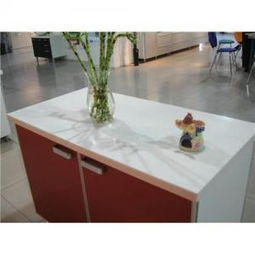
The aesthetic versatility of these materials is truly remarkable. The ability to create seamless joints is a design feature that elevates the entire look and feel of a kitchen or bathroom. Whether you envision a sleek, minimalist aesthetic with a single, continuous surface, or a more complex design incorporating curves and integrated elements, both acrylic and solid surface can deliver. The options for color and pattern are virtually endless, allowing for perfect integration with any design scheme. From mimicking the organic beauty of natural stone to offering bold, contemporary hues, these materials provide a canvas for your creativity. The ability to integrate sinks and backsplashes seamlessly further enhances this design freedom, creating a cohesive and sophisticated appearance.
When it comes to integrating sinks, both acrylic and solid surface offer an exceptional advantage: the ability to create an integrated sink. This means the sink is fabricated from the same material as the countertop and seamlessly joined to it, creating a single, continuous surface. This not only looks incredibly sleek and modern but also eliminates the collection of grime and bacteria that can accumulate in the seam between a separate sink and countertop. The cleaning is dramatically simplified, and the overall aesthetic is far more refined. While undermount sinks are also a popular choice with these materials, the integrated sink option is a true game-changer for hygiene and design.
The feel and sound of these surfaces also contribute to their overall appeal. Acrylic often has a slightly warmer, more tactile feel than some harder materials. When you tap on it, it might produce a slightly softer sound compared to stone. Solid surface, with its higher mineral content, can feel a bit more substantial and solid. These are subtle qualities, but they contribute to the overall sensory experience of interacting with your countertops.
Considering the environmental impact, it’s worth noting that both materials are manufactured products. The production of acrylic resins can be energy-intensive. However, many solid surface manufacturers are increasingly incorporating recycled content into their products, and some also utilize abundant natural mineral fillers, which can contribute to a more sustainable profile. Both materials are also known for their longevity and durability, meaning they are less likely to need replacement, which in itself is an environmentally conscious choice. When contemplating the end-of-life of these products, responsible disposal or recycling options should be considered where available.
In terms of value, both acrylic and solid surface offer a compelling proposition. While the initial cost may be higher than some laminate options, their durability, low maintenance, repairability, and aesthetic appeal contribute to a long-term value that often outweighs the initial investment. The ability to repair minor damage rather than replace the entire countertop saves money and reduces waste over time. When comparing them to natural stone, they often provide a more consistent appearance and can be more cost-effective for intricate designs or when seamless integration is desired.
Ultimately, the choice between acrylic and solid surface often comes down to a nuanced consideration of priorities. If supreme scratch resistance and a very hard surface are paramount, a high-quality solid surface might be the preferred option. If flexibility in design, thermoforming capabilities, and a slightly warmer tactile feel are more important, pure acrylic could be the better fit. Both materials offer a hygienic, low-maintenance, and aesthetically pleasing solution for modern kitchens and bathrooms, providing a durable and beautiful surface that can enhance the enjoyment of your home for years to come. The decision is a personal one, guided by your specific lifestyle, design aspirations, and practical considerations, but armed with this knowledge, you’re well on your way to making an informed and confident choice.









