
Sure, I can help you with that! Here’s a soft article comparing acrylic solid surface and engineered stone, focusing on visual differences and characteristics.

When embarking on a home renovation or design project, the choices for surfacing materials can feel endless. From countertops to wall panels, the decision often boils down to aesthetics, durability, and budget. Two popular contenders that frequently surface in these discussions are acrylic solid surface and engineered stone. While both offer a modern and sophisticated alternative to traditional materials like granite or marble, they possess distinct visual qualities and performance characteristics that set them apart. Understanding these differences, particularly at a visual level, is key to selecting the material that best complements your vision and practical needs.
Let’s begin by dissecting acrylic solid surface. Often referred to by brand names like Corian, this material is a composite substance made from acrylic polymers and alumina trihydrate (ATH), a derivative of bauxite ore. Visually, acrylic solid surface is renowned for its seamless appearance. One of its most striking features is its ability to be thermoformed, meaning it can be heated and bent into curves and complex shapes. This inherent flexibility allows for truly bespoke designs, from flowing waterfall countertops to intricate molded sinks that integrate seamlessly into the surface itself. This seamlessness extends to its joints; when installed by skilled fabricators, the seams between pieces of acrylic solid surface can be virtually invisible, creating a monolithic and unbroken expanse. This visual purity is a significant draw for those seeking a minimalist or ultra-modern aesthetic.
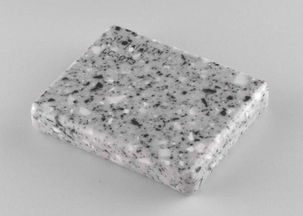
The color palette and patterns available for acrylic solid surface are incredibly diverse. You’ll find everything from pure, solid whites and deep, matte blacks to vibrant hues and subtle, speckled designs that mimic natural stone. Many acrylic solid surfaces feature fine, uniform particulate patterns, giving them a consistent look across the entire slab. This consistency can be a major advantage, especially for larger installations where batch-to-batch variation in natural stone can be a concern. For those who desire a stone-like appearance without the inherent unpredictability of natural materials, acrylic solid surfaces offer a controlled and predictable aesthetic. Furthermore, the translucency of some acrylic solid surface formulations opens up exciting design possibilities. When backlit, these materials can create a soft, ethereal glow, making them ideal for statement feature walls, reception desks, or bar areas. The ability to embed objects or create custom patterns within the material itself further enhances its design versatility, allowing for truly personalized and artistic applications.
Now, let’s turn our attention to engineered stone, more commonly known as quartz. This material is a composite made from approximately 90-95% natural quartz crystals, bound together with polymer resins and pigments. The visual characteristics of engineered stone are distinct and often more akin to natural stone, yet with enhanced consistency. The most noticeable visual difference lies in the texture and depth of its patterns. While acrylic solid surface often presents a more uniform, particulate look, engineered stone typically boasts more dynamic and varied patterns. You’ll find designs that strikingly replicate the veining of marble, the granular texture of granite, or the complex crystalline structures of other natural stones. These patterns often possess a depth and dimensionality that draws the eye, creating a sense of natural beauty.
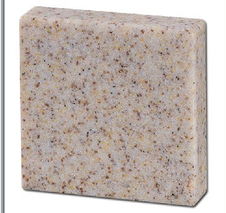
The patterns in engineered stone are created during the manufacturing process, where the quartz particles and resins are mixed and pressed under high pressure. This results in a material that can exhibit bold veins, dramatic swirls, and intricate speckling that closely mimics the most sought-after natural stone looks. Unlike natural stone, however, engineered stone offers a much higher degree of predictability. While natural granite or marble can vary significantly from slab to slab, engineered stone ensures that the pattern and color you choose will be consistent throughout the entire batch. This is a significant advantage for designers and homeowners who want a specific look without the risk of encountering unexpected flaws or color variations. The resin binders also contribute to the visual finish, often providing a lustrous sheen that enhances the depth of the patterns. While some acrylic solid surfaces can be polished to a high gloss, the inherent reflective quality of the quartz crystals in engineered stone often results in a naturally vibrant and luminous surface.
The finish of engineered stone is typically a polished or honed look, offering a smooth, luxurious feel. The color palette for engineered stone also spans a wide range, from classic whites and grays to deep blacks and earthy browns, often infused with metallic flecks for added sparkle. The presence of natural quartz crystals is often visible, contributing to the material’s characteristic sparkle and perceived richness. This crystalline structure gives engineered stone a unique visual appeal that is both sophisticated and grounded in the beauty of natural mineral formations.

When considering the visual impact of these two materials, it’s helpful to think about the overall impression they create. Acrylic solid surface excels in creating a clean, seamless, and modern aesthetic. Its ability to be molded into unique shapes and its invisible seams make it ideal for spaces where a continuous, uninterrupted look is desired. It can feel almost ethereal, especially when backlighting is incorporated. Engineered stone, on the other hand, leans into the timeless appeal of natural stone but with the advantages of modern manufacturing. Its intricate patterns, depth, and subtle sparkle offer a sense of richness and organic beauty. It’s the material of choice when you want the visual drama of marble or granite but with the assurance of uniformity and enhanced durability. The choice between them, from a purely visual standpoint, often comes down to whether you prioritize seamless, sculpted modernity or the intricate, naturally inspired beauty of stone.
Continuing our exploration of acrylic solid surface and engineered stone, let’s delve deeper into their visual characteristics and how they translate into practical applications. While the previous section focused on the overarching differences, this part will highlight specific visual cues and considerations that can influence your decision for particular design scenarios.
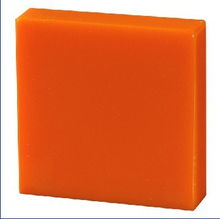
One of the most significant visual distinctions lies in how light interacts with each material. Acrylic solid surface, due to its composition and the presence of acrylic polymers, can have varying degrees of translucency. As mentioned earlier, some formulations are designed to be almost entirely opaque, offering a solid, consistent color. However, others are specifically engineered to allow light to pass through. This property is a game-changer for interior design. Imagine a kitchen island with a countertop that glows softly from beneath, or a bathroom vanity where integrated lighting creates a spa-like ambiance. This backlit effect is difficult, if not impossible, to achieve with most engineered stones, which are designed to be opaque and dense. The ability to embed patterns, logos, or even decorative elements within the acrylic solid surface and have them illuminated from behind further amplifies its creative potential, turning a functional surface into a dynamic design feature.
Engineered stone, by contrast, generally has a uniform opacity. The beauty of engineered stone lies in the depth and complexity of its patterns, which are often achieved through the careful distribution of quartz crystals and colored resins. When light hits an engineered stone surface, it tends to reflect off the polished surface and the crystalline structure of the quartz. This can result in a beautiful sparkle or “glitter” effect, particularly in darker colors or those with metallic flecks. The veining and patterns in engineered stone often have a layered appearance, with subtle shifts in color and texture that mimic the organic flow of natural stone. This depth is what gives engineered stone its luxurious and substantial feel. While it doesn’t offer the same translucency as some acrylic solid surfaces, its inherent visual richness and the way it plays with ambient light contribute to its sophisticated appeal.
When we talk about edges and profiles, the visual possibilities also diverge. Acrylic solid surface, being a softer material, can be easily shaped and finished. This means you can achieve a wide range of edge profiles, from simple eased edges to more elaborate bullnose or ogee designs. Because it can be seamlessly joined, even complex edge details can appear as a single, continuous piece. This seamlessness contributes to a clean and refined look, particularly in modern or minimalist interiors. Furthermore, the ability to thermoform allows for integrated sink bowls that blend perfectly with the countertop, eliminating the visual break of a separate sink fixture. This creates a very streamlined and hygienic appearance.
Engineered stone also offers a variety of edge profiles, and thanks to modern fabrication techniques, these can be quite intricate. However, the inherent hardness of quartz means that the fabrication process is more specialized. The visual impact of an edge on an engineered stone countertop often emphasizes its solidity and weight. While seamless integration of sinks is possible with undermount or integrated sinks, the joint between the countertop and the sink will typically be visible, though often expertly sealed. The visual statement of an engineered stone edge is one of robust elegance, often complementing the material’s substantial feel.
The repairability of each material also has a subtle visual implication. Acrylic solid surface is known for its ability to be repaired relatively easily, making scratches or minor damage less of a long-term visual concern. For instance, a scratched acrylic solid surface countertop can often be sanded and polished to restore its original finish, making it look as good as new. This inherent renewability means that its pristine visual appeal can be maintained over time. Engineered stone, while highly durable, is more resistant to scratches but can be more challenging to repair if chipped or deeply scratched. While minor chips can sometimes be filled, deep damage might require replacement of the affected section or the entire slab. This means that a visual flaw on an engineered stone surface may be more permanent.
In terms of maintenance, both materials are generally low-maintenance, but their visual cues during use differ. Acrylic solid surface is non-porous, which means stains don’t typically penetrate the surface. This contributes to its consistently clean appearance. Engineered stone is also non-porous and highly resistant to staining, making it ideal for busy kitchens. However, certain strong chemicals or abrasive cleaners can dull the finish of engineered stone over time, subtly altering its visual luster. Regular cleaning with mild soap and water is recommended for both to preserve their intended appearance.
Ultimately, the choice between acrylic solid surface and engineered stone often comes down to a nuanced understanding of the visual statement you wish to make. If you are drawn to the idea of a flowing, seamless, and potentially illuminated surface, with the flexibility for unique shapes and integrated features, acrylic solid surface is a compelling choice. Its visual purity and modern adaptability lend themselves to minimalist, contemporary, or even futuristic designs. If, however, your heart is set on the rich, varied patterns and the classic, sophisticated look of natural stone, but with the benefits of consistency and enhanced durability, engineered stone is likely the perfect fit. Its visual depth, sparkle, and resemblance to high-end natural materials offer a timeless elegance that endures. By carefully considering these visual differences, you can confidently select the material that will not only perform exceptionally but also elevate the aesthetic of your space.









