
The allure of a perfectly crafted countertop or a seamlessly integrated sink is undeniable. For homeowners and designers alike, the quest for materials that marry beauty with brawn is a perpetual one. In this pursuit, artificial stone has emerged as a prominent contender, sparking conversations and, at times, a fair bit of confusion. If you’ve found yourself scrolling through forums, particularly the treasure trove of information that is Zhihu, pondering “人造石质量怎么样” (how is the quality of artificial stone?), you’re in the right place. This isn’t just about slapping a pretty veneer on your kitchen; it’s about understanding the substance behind the style.

Let’s begin by demystifying what “artificial stone” actually encompasses. It’s a broad term, a bit like calling all vehicles “cars.” In reality, it refers to a range of composite materials engineered to mimic the appearance and, in many cases, the performance of natural stone. The most common players in this arena are quartz surfaces (often referred to as engineered quartz) and solid surfaces. While both fall under the artificial umbrella, their composition, manufacturing processes, and ultimately, their qualities, can be quite distinct.
Engineered quartz, for instance, is a powerhouse of durability. It’s typically composed of around 90-95% ground natural quartz crystals, mixed with polymer resins and pigments. This fusion results in a material that’s incredibly hard, non-porous, and resistant to stains, scratches, and heat. Think of it as natural quartz that’s been put through a rigorous, high-pressure, high-temperature industrial spa treatment. The process involves vibrocompression under vacuum, which eliminates voids and creates an exceptionally dense and uniform product. This density is key to its superior performance. Spills, whether it’s red wine, coffee, or olive oil, are unlikely to penetrate the surface, making cleanup a breeze and eliminating the need for frequent sealing, a common maintenance task with many natural stones like granite or marble.
On the other hand, solid surfaces, often made from acrylic or polyester resins combined with mineral fillers like bauxite, offer a different set of advantages. Their defining characteristic is their ability to be thermoformed – heated and bent into seamless curves and shapes. This allows for truly bespoke designs, from integrated sinks and backsplashes that flow directly from the countertop to dramatic, sculptural elements. While generally less scratch-resistant than engineered quartz, solid surfaces are repairable. Minor scratches or scuffs can often be buffed out, and deeper damage can be repaired by a professional, restoring the surface to its original glory. Their non-porous nature is also a significant plus, contributing to their hygienic properties.
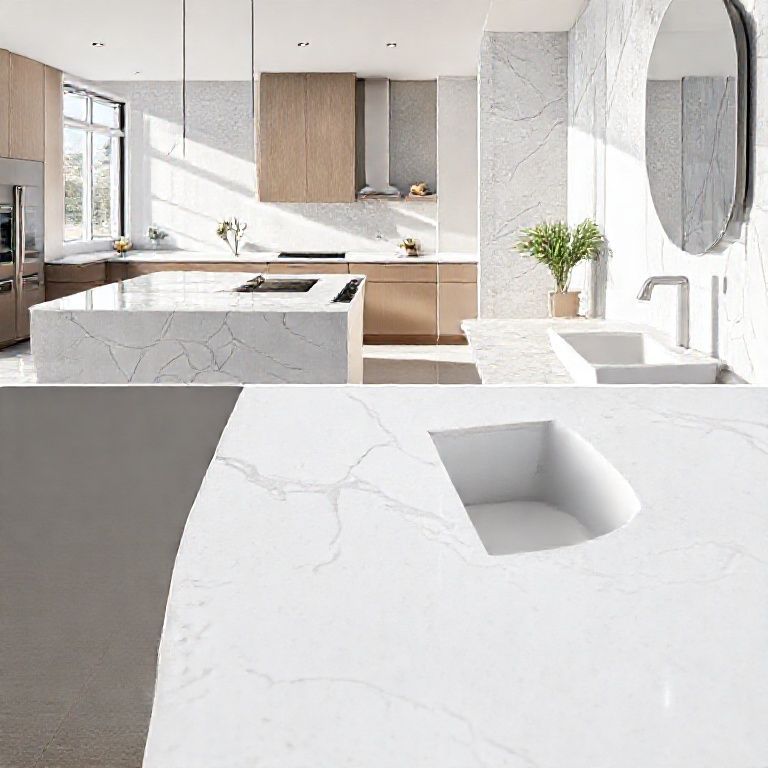
When considering the quality of artificial stone, one of the first aspects that comes to mind is durability. As touched upon, engineered quartz excels here. Its hardness means it can withstand the rigors of a busy kitchen without showing significant wear and tear. Dropping a pan or placing a hot pot directly on the surface (though always use trivets for best practice) is less likely to cause catastrophic damage compared to some natural stones. However, it’s not indestructible. Extreme thermal shock – like exposing a cold surface to a very hot object – can still potentially cause cracking. Similarly, while highly stain-resistant, certain aggressive chemicals or prolonged exposure to very strong dyes could, in rare instances, leave a mark.
Solid surfaces, while not as hard as quartz, offer excellent durability in their own right, particularly in terms of seamlessness and repairability. The absence of grout lines in integrated designs means fewer places for bacteria to hide and no grout to discolour or crumble. This makes them a popular choice for kitchens, bathrooms, and even healthcare settings where hygiene is paramount. The ease of repair is a compelling factor for many, offering peace of mind that minor accidents won’t spell the end of a beautiful countertop.
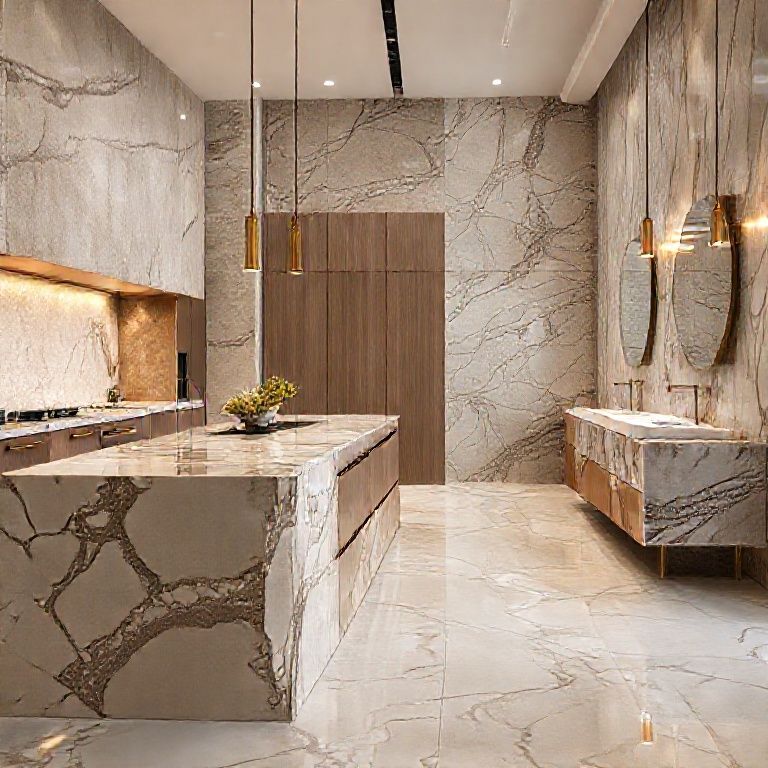
Beyond sheer resilience, the aesthetic quality of artificial stone is a major draw. The manufacturing process allows for an unparalleled degree of control over colour and pattern. Want a pristine white countertop with absolutely no veining? Engineered quartz can deliver. Fancy a dramatic marble look without the inherent porousness and maintenance headaches of natural marble? Engineered quartz manufacturers have perfected these replications, offering a spectrum of colours and patterns that can rival and, in some cases, surpass the visual appeal of their natural counterparts. The consistency in colour and pattern is a double-edged sword; it ensures uniformity, which is often desired, but some may miss the unique, organic variations found in natural stone. Solid surfaces also offer a vast palette of colours, from solid, vibrant hues to subtle textures, providing immense design flexibility.
When exploring the “quality” of artificial stone, it’s also prudent to consider the environmental aspect. This is where the conversation gets nuanced. Engineered quartz, being a composite of natural quartz and resins, requires energy-intensive manufacturing processes. However, its durability translates to a longer lifespan, reducing the need for replacement and thus the associated environmental impact over time. Furthermore, many manufacturers are incorporating recycled content into their products and employing sustainable practices in their production.
Solid surfaces, particularly those made with acrylic resins, can have a larger environmental footprint due to the nature of plastic production. However, their repairability extends their lifespan, and some manufacturers are focusing on developing more eco-friendly formulations and processes. It’s worth investigating specific brands and their environmental certifications to make a more informed choice. The sourcing of raw materials also plays a role. While engineered quartz uses natural quartz, it often utilizes ground or waste quartz, which is a more sustainable use of resources.
Finally, let’s touch upon the crucial aspect of cost-effectiveness. Artificial stones generally offer a compelling value proposition. Engineered quartz is often priced competitively with mid-range to high-end natural stones like granite. While it might be more expensive than some basic laminate options, its longevity, low maintenance, and superior aesthetics often make it a more cost-effective choice in the long run. The reduced need for sealing, the resistance to damage, and the ease of cleaning all contribute to lower ongoing costs. Solid surfaces can range in price, often falling into a similar bracket as engineered quartz, depending on the brand, complexity of the design, and thickness of the material. Their repairability also adds to their long-term value, potentially saving significant costs associated with replacing damaged countertops.
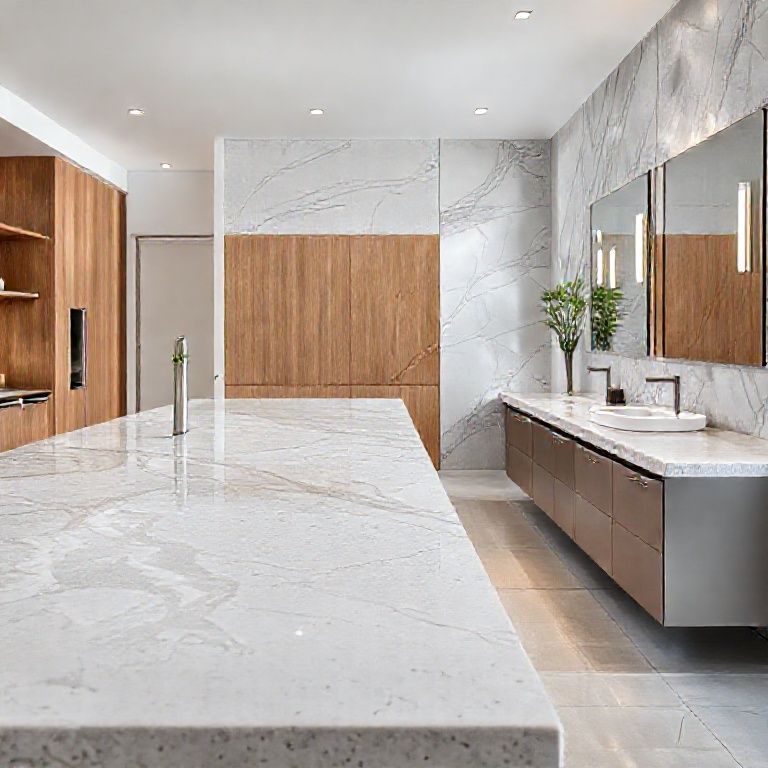
As we delve deeper into the world of artificial stone, it becomes clear that “quality” is not a monolithic concept. It’s a tapestry woven from durability, aesthetics, environmental considerations, and economic value. The initial question “人造石质量怎么样” opens up a complex but rewarding exploration, guiding us towards materials that can truly transform our living spaces.
Continuing our exploration into the quality of artificial stone, we now shift our focus to practical considerations and how these materials perform in the real world. The initial assessment revealed the fundamental differences between engineered quartz and solid surfaces, highlighting their respective strengths in durability and aesthetics. But what does this translate to when the slabs are installed and subjected to the daily grind of life? This is where nuanced insights, often shared in detailed discussions on platforms like Zhihu, become invaluable.
One significant aspect of quality, particularly for kitchen and bathroom surfaces, is hygiene and ease of maintenance. As established, engineered quartz is non-porous. This is a game-changer. Unlike natural stones like granite or marble, which often require regular sealing to prevent stains and bacterial growth, quartz surfaces provide a virtually impenetrable barrier. This means that spills are less likely to seep into the material, and cleaning is straightforward – a simple wipe with soap and water is usually sufficient. This inherent resistance to moisture and stains makes it an excellent choice for areas prone to spills, like around sinks and stovetops, and for families with young children or pets. The lack of porosity also means it’s less likely to harbor bacteria or mold, contributing to a healthier home environment.
Solid surfaces also boast non-porous properties, offering similar benefits in terms of hygiene. Their seamless installation capabilities further enhance this aspect. When a sink is integrated into a solid surface countertop, or a backsplash is formed from the same material, there are no seams or grout lines where dirt, grime, and bacteria can accumulate. This continuous surface is incredibly easy to clean and maintain, making it a popular choice in environments where sanitation is a high priority, such as laboratories or commercial kitchens. While generally easy to clean, the resins used in their composition can be susceptible to damage from harsh abrasive cleaners or scouring pads, which could dull the finish over time. Gentle, non-abrasive cleaning solutions are recommended to preserve their appearance.
When discussing the quality of artificial stone, the topic of heat resistance often surfaces. Engineered quartz is generally quite heat-resistant, capable of withstanding temperatures up to around 300°F (150°C) without significant damage. However, this doesn’t mean it’s impervious to heat. Direct and prolonged exposure to high temperatures, or sudden temperature fluctuations (thermal shock), can cause the resins to discolor or even crack. Therefore, using trivets and hot pads is still a wise practice, even with engineered quartz. The key here is understanding the material’s limits. It’s robust, but not invincible.
Solid surfaces, on the other hand, have a lower heat tolerance than engineered quartz. While they can withstand moderate heat, placing hot pots and pans directly on the surface is more likely to result in damage, such as scorching or discoloration. Manufacturers typically advise against placing anything hotter than a warm plate directly on a solid surface countertop. This is a crucial point for those who frequently cook and use hot pans directly from the stove or oven. However, because solid surfaces are repairable, minor heat marks might be salvageable.
The installation process is another element that speaks to the overall quality and longevity of artificial stone. Engineered quartz slabs are heavy and dense, requiring professional installation to ensure they are properly supported and secured. Improper installation can lead to cracking or uneven surfaces. Due to its rigidity, engineered quartz is typically fabricated into flat panels and installed as such.
Solid surfaces, while also requiring professional installation, offer greater flexibility. Their ability to be thermoformed means they can be shaped into complex curves and seamless transitions, which can simplify installation in unique architectural spaces. The fabrication process for solid surfaces often involves cutting, routing, and joining pieces with a specialized adhesive that fuses them together, creating a bond that is as strong as the material itself and virtually invisible. This seamless integration is a hallmark of quality craftsmanship in solid surface applications.
Considering the long-term investment, the warranty offered by manufacturers is a significant indicator of perceived quality and durability. Reputable manufacturers of engineered quartz typically offer lengthy warranties, often 10 years or even lifetime, covering manufacturing defects. This long warranty period reflects the confidence manufacturers have in the product’s performance and longevity when properly installed and maintained.
Solid surface manufacturers also provide warranties, which can vary but are generally substantial, often in the 10-year range. These warranties typically cover defects in material and workmanship. The repairability of solid surfaces also contributes to their long-term value proposition, as minor issues can often be resolved without voiding the warranty or incurring significant costs.
When comparing artificial stones to natural stones, it’s important to acknowledge the unique character that natural materials bring. Natural stone possesses an inherent beauty, with variations in color, veining, and texture that are the result of geological processes over millennia. This individuality is something that artificial stones, by their very nature, cannot replicate. However, for those who prioritize consistency, predictability, and a high degree of resilience against stains and etching, artificial stone offers a compelling alternative.
The discussions on Zhihu often highlight specific brands and their proprietary technologies. For instance, when looking at engineered quartz, the quality can vary between manufacturers based on the type and quality of quartz used, the resins employed, and the precision of the manufacturing process. Similarly, for solid surfaces, the resin composition and filler materials can influence properties like scratch resistance, UV stability, and overall durability. Therefore, researching specific brands and their product lines is crucial for making an informed decision.
In conclusion, the quality of artificial stone, whether it’s engineered quartz or solid surface, is a multifaceted subject. It’s not a simple matter of “good” or “bad.” Rather, it’s about understanding the material’s composition, its intended use, and how it aligns with your personal preferences and lifestyle. Engineered quartz shines in areas of extreme durability, heat resistance, and stain-proof performance, making it a robust choice for high-traffic areas. Solid surfaces offer unparalleled design flexibility, seamless integration, and repairability, making them ideal for creating bespoke and hygienic spaces. By delving into these details, and by engaging with the wealth of shared experiences and expert opinions found on platforms like Zhihu, you can confidently navigate the world of artificial stone and select a material that not only enhances the beauty of your home but also stands the test of time.









