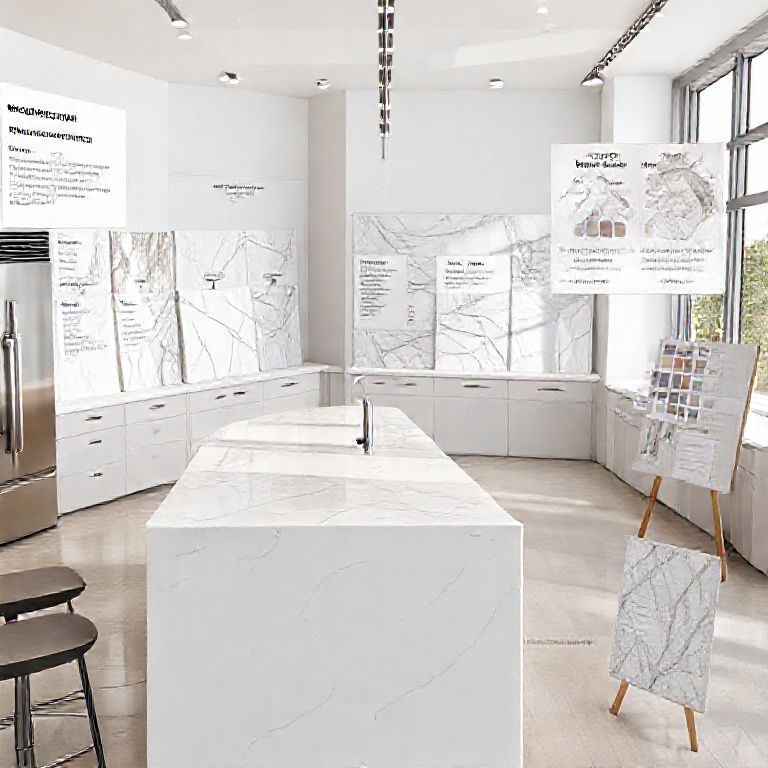
The world of interior design is a fascinating tapestry woven with threads of both form and function. When it comes to surfaces, particularly those that grace our kitchens and bathrooms, the choices can feel overwhelming. Two materials that frequently appear at the forefront of these discussions are solid surface and engineered stone. While both offer a modern, sleek alternative to traditional materials like granite or marble, they are far from interchangeable. Understanding the subtle yet significant differences between them is key to selecting the perfect material that not only elevates your space aesthetically but also meets the demands of your daily life. Let’s peel back the layers and delve into the heart of what makes these materials unique, starting with their fundamental composition.

Solid surface, a term that often conjures images of seamless countertops and integrated sinks, is a composite material primarily composed of acrylic polymers or polyester resins, blended with natural minerals like bauxite (aluminum trihydrate). This unique blend is then cast into sheets or molded into specific shapes. The magic of solid surface lies in its homogeneity. Because the color and pattern run all the way through the material, any scratches or minor damage can be easily repaired by sanding and buffing, effectively making the surface look as good as new. This inherent reparability is a significant selling point, promising longevity and a consistently pristine appearance. The manufacturing process allows for incredible versatility in terms of design. It can be thermoformed – heated and bent into curves and custom shapes – which opens up a world of design possibilities, from flowing countertops to intricate architectural features. Furthermore, solid surface is non-porous, meaning it doesn’t absorb liquids. This makes it highly resistant to staining from common household spills like wine, coffee, or juice. Its non-porous nature also contributes to its hygienic properties, as it doesn’t harbor bacteria or mold, a crucial consideration for kitchens and bathrooms. The seamless nature of its installation is another hallmark. Seams can be glued together using a special adhesive that, once cured, becomes as strong as the material itself and can be sanded down to be virtually invisible. This creates a continuous, uninterrupted surface, which not only looks elegant but also eliminates grout lines where dirt and grime can accumulate, simplifying cleaning and maintenance. Common brand names you might encounter include Corian, Hi-Macs, and Staron. The palette of solid surface is vast, ranging from solid, vibrant colors to subtle, marble-like veining and granite-inspired flecks, offering a broad spectrum of aesthetic choices to complement any décor style.
Engineered stone, on the other hand, is a manufactured product that aims to replicate the beauty and performance of natural stone, particularly granite and marble, but with enhanced consistency and durability. It’s predominantly made from quartz crystals, which constitute about 90-95% of the material, bound together by a polymer resin (typically polyester or epoxy) and pigment. The manufacturing process involves crushing natural quartz, mixing it with resins and pigments, and then compressing and vibrating this mixture under intense pressure and heat. This process creates a dense, non-porous slab that is exceptionally hard and durable. The use of natural quartz as the primary component is what gives engineered stone its signature strength and resilience. Unlike solid surface, which is manufactured in sheets and can be thermoformed, engineered stone is typically produced in larger slabs, similar to natural stone. The high quartz content means that engineered stone is significantly harder than solid surface. This translates to superior resistance to scratches, chips, and heat. While solid surface can be scratched and may require careful handling around hot pots, engineered stone can generally withstand more robust use. The resin binders, while crucial for holding the quartz particles together and providing its non-porous characteristic, are also its Achilles’ heel in terms of heat resistance. While it can tolerate moderate heat, direct contact with very hot pans can cause discoloration or scorching. The non-porous nature of engineered stone is another major advantage, mirroring solid surface in its stain resistance and hygienic properties. Because it doesn’t absorb liquids, it’s highly resistant to staining from everyday kitchen mishaps, and like solid surface, it won’t harbor bacteria. This makes it a very low-maintenance option, as it doesn’t require sealing, a common practice for natural stone. The aesthetic appeal of engineered stone often lies in its ability to mimic natural stone with remarkable accuracy. Manufacturers can precisely control the color, pattern, and veining, ensuring consistency across batches. This means that the slab you choose will look exactly like the sample, and you won’t encounter the natural variations that can sometimes occur with granite or marble. You can find engineered stone that replicates the dramatic swirls of Calacatta marble, the speckled elegance of granite, or entirely new, contemporary designs with unique color combinations and finishes. Popular brand names in this category include Caesarstone, Silestone, and Cambria. The consistency in appearance, coupled with its robust performance characteristics, makes engineered stone a highly sought-after material for countertops, backsplashes, and even flooring.
In essence, the foundational difference between solid surface and engineered stone lies in their core composition and manufacturing. Solid surface is an acrylic or resin-based composite with mineral fillers, prized for its seamlessness, thermoformability, and reparability. Engineered stone is primarily quartz crystals bound by resins, celebrated for its exceptional hardness, durability, and natural stone-like appearance. These fundamental distinctions pave the way for a cascade of performance and aesthetic differences that are critical to consider when choosing a material for your home.
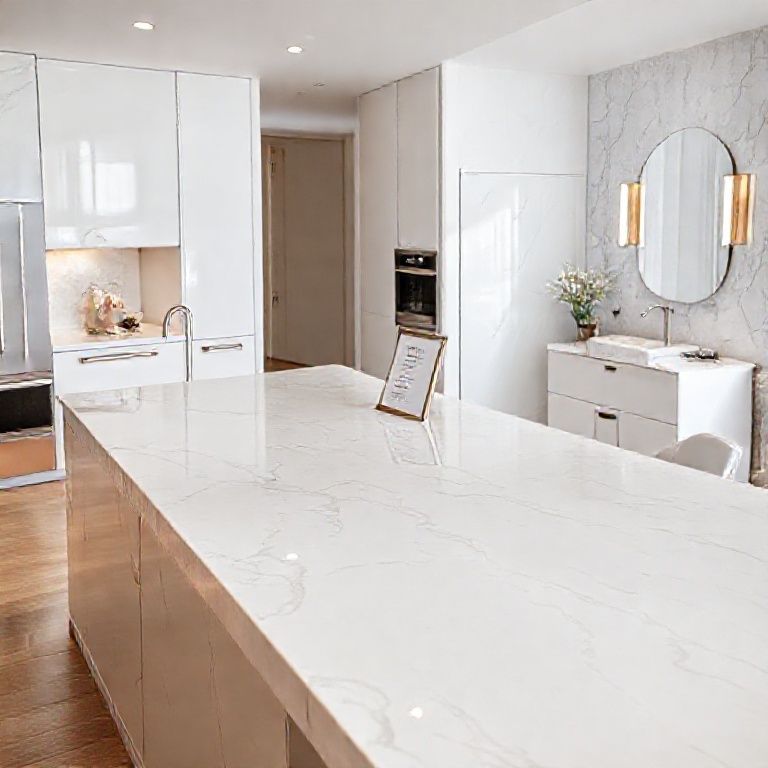
The distinctions in composition and manufacturing between solid surface and engineered stone translate directly into tangible differences in their performance characteristics and aesthetic potential, profoundly influencing their suitability for various applications and environments. When considering countertops, the heart of many kitchens and a canvas for daily life, these nuances become paramount.
Durability and resistance are often top priorities. Engineered stone, with its high quartz content, generally boasts superior hardness and scratch resistance compared to solid surface. This means that while a knife might lightly scratch a solid surface countertop if used carelessly, an engineered stone surface is much more likely to resist such minor abrasions. Similarly, engineered stone typically has a higher heat tolerance. While neither material is impervious to extreme heat, engineered stone can usually withstand placing a warm pan on it for a short period without immediate damage. Solid surface, being more resin-based, can be more susceptible to heat marks or discoloration from hot items. However, the reparability of solid surface offers a unique advantage. If a scratch or minor burn does occur on solid surface, it can often be sanded out and buffed to a like-new finish by a professional, or even a skilled DIYer. Engineered stone, due to its hardness, is much more difficult, if not impossible, to repair in this manner. Deep scratches or chips in engineered stone are usually permanent and may require section replacement or a full countertop replacement, which can be a significant drawback.
The aesthetic possibilities also diverge. Solid surface offers unparalleled design flexibility due to its thermoformability. This allows for the creation of complex curves, integrated sinks that blend seamlessly into the countertop, and unique, sculptural elements that are simply not achievable with engineered stone. The seamless installation of solid surface also contributes to a very clean, minimalist look, free from visible grout lines or joins, which can be particularly appealing in modern or transitional designs. Its color palette can range from completely opaque, bold colors to very subtle patterns. Engineered stone, while not thermoformable, excels in its ability to mimic natural stone with stunning accuracy. The consistent veining and coloration create a look that is often indistinguishable from granite or marble, offering a sophisticated and luxurious appeal. This consistency is a major draw for those who desire the look of natural stone without the inherent variations or the maintenance required for porous natural materials. The range of finishes for engineered stone is also extensive, from polished to matte, and manufacturers continuously innovate with new textures and patterns.
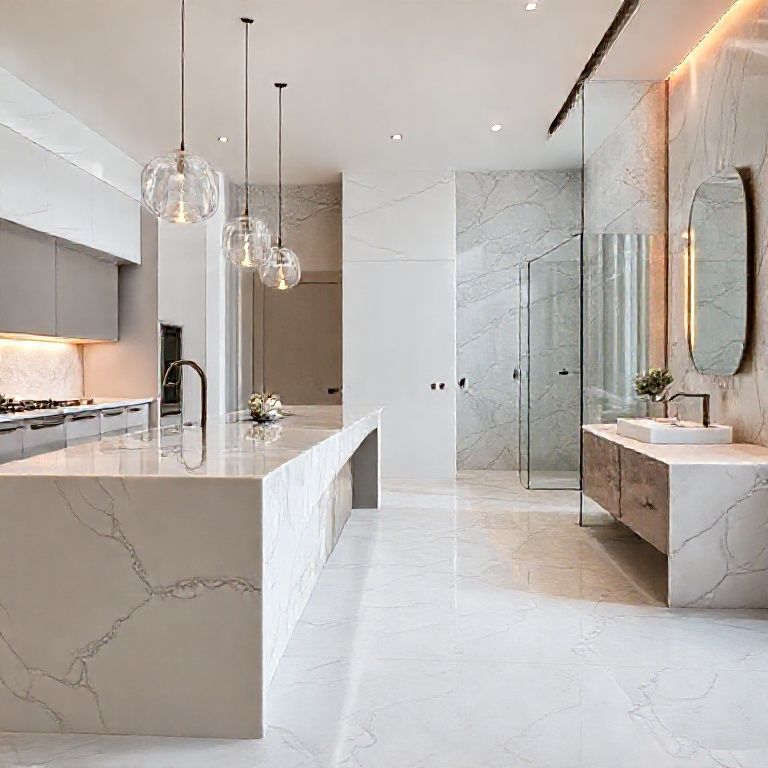
Maintenance and hygiene are areas where both materials perform exceptionally well, but with subtle differences. Both are non-porous, which means they resist staining and are easy to clean. They do not require sealing, unlike natural stone, which simplifies upkeep. For everyday cleaning, a damp cloth with mild soap is usually sufficient for both. However, the non-porous nature of solid surface makes it inherently more resistant to bacterial growth, which is a significant benefit in kitchens and bathrooms. While engineered stone is also non-porous and highly hygienic, some argue that the resin binder, if exposed to extreme conditions (though rare), could theoretically be more susceptible than the all-acrylic or acrylic-mineral composition of solid surface. The ease of repair for solid surface also contributes to its long-term hygiene, as any minor surface damage that could potentially harbor bacteria can be easily rectified.
Cost is another factor, and it can vary widely within both categories depending on brand, color, thickness, and complexity of fabrication. Generally, mid-range solid surface and engineered stone fall into a similar price bracket, often positioned as more affordable than high-end natural stones like premium granite or marble, but more expensive than laminate or basic tile. However, more elaborate solid surface designs, such as intricate curves or integrated sinks, can increase the cost significantly. Similarly, exotic colors or patterns in engineered stone can also command a higher price. Installation costs can also differ. Solid surface installation can sometimes be more labor-intensive due to the need for precise seam gluing and finishing, especially for complex designs. Engineered stone installation, while requiring skilled fabricators, might be more straightforward for standard slab installations.
In summary, the choice between solid surface and engineered stone hinges on your priorities. If seamless design, unparalleled color options, and the ability to repair surface damage are paramount, solid surface is an excellent choice. Its thermoformability opens up unique design avenues, and its hygienic, non-porous nature makes it a practical option for busy households. On the other hand, if you prioritize extreme hardness, superior scratch and heat resistance, and the authentic look of natural stone with consistent beauty, engineered stone is likely the better fit. Its durability makes it ideal for high-traffic areas, and its low-maintenance, non-porous surface ensures ease of care. Ultimately, both materials represent a significant upgrade in terms of aesthetics and functionality over many traditional countertop options, offering beautiful and practical surfaces that can transform your living spaces. Understanding their individual strengths and weaknesses allows you to make a confident decision that aligns perfectly with your lifestyle and design vision.