
In the realm of interior design, where form and function dance in a perpetual waltz, certain materials emerge that redefine the very landscape of our living and working spaces. Corian, a name that has become synonymous with innovation and elegance, is undoubtedly one such material. It’s more than just a countertop or a wall panel; it’s a testament to the power of material science, a canvas for creativity, and a durable companion for the demands of modern life. But what exactly is Corian? The question, “可丽耐人造石是什么材质做的” (What is Corian solid surface made of?), whispers through design studios and renovation projects, seeking to unravel the mystery behind its seamless beauty and remarkable performance.

At its core, Corian solid surface is a composite material, a carefully engineered blend that draws strength from its components and synergy from their combination. The primary ingredients are a sophisticated interplay of acrylic polymer and a mineral filler. The acrylic polymer, specifically polymethyl methacrylate (PMMA), acts as the binder, providing the material’s inherent plasticity, resilience, and translucent qualities. Think of it as the flexible skeleton that holds everything together, allowing Corian to be thermoformed into gentle curves and intricate shapes, a feat not easily achieved with traditional materials like granite or quartz. This inherent pliability is a cornerstone of Corian’s design versatility, enabling architects and designers to break free from rigid geometries and embrace fluid, organic forms.
The other key player in this alchemical blend is alumina trihydrate (ATH). This is a naturally occurring mineral, derived from bauxite ore, the same source as aluminum. In its processed form, ATH is a fine white powder that lends Corian its impressive durability, fire resistance, and a subtle, matte finish. It’s this mineral component that gives Corian its “solid” nature, contributing to its density and resistance to impact. The combination of the acrylic binder and ATH results in a material that is remarkably uniform throughout its entire thickness. Unlike natural stones or engineered quartz, where patterns and colors are often confined to the surface layer, Corian’s composition is consistent from top to bottom. This means that any scratches or minor damage can often be buffed out or repaired, restoring the surface to its original pristine condition without compromising the integrity of the material. This is a significant advantage for high-traffic areas where wear and tear are inevitable.
The magic of Corian truly lies in the precise proportions and the meticulous manufacturing process. DuPont, the originator of Corian, has perfected a method that involves mixing these raw ingredients into a slurry, which is then poured into molds. This liquid mixture is cast into large sheets, which are then cured under controlled conditions. During this curing process, the acrylic polymer hardens, creating a strong, homogeneous matrix that encapsulates the alumina trihydrate particles. The result is a non-porous, solid sheet that is both beautiful and incredibly functional. The non-porous nature is a critical attribute, as it means Corian will not absorb liquids, stains, or odors. This makes it an exceptionally hygienic material, ideal for kitchens and bathrooms where cleanliness is paramount. Bacteria and mold have no place to hide within the dense structure of Corian, contributing to a healthier indoor environment.
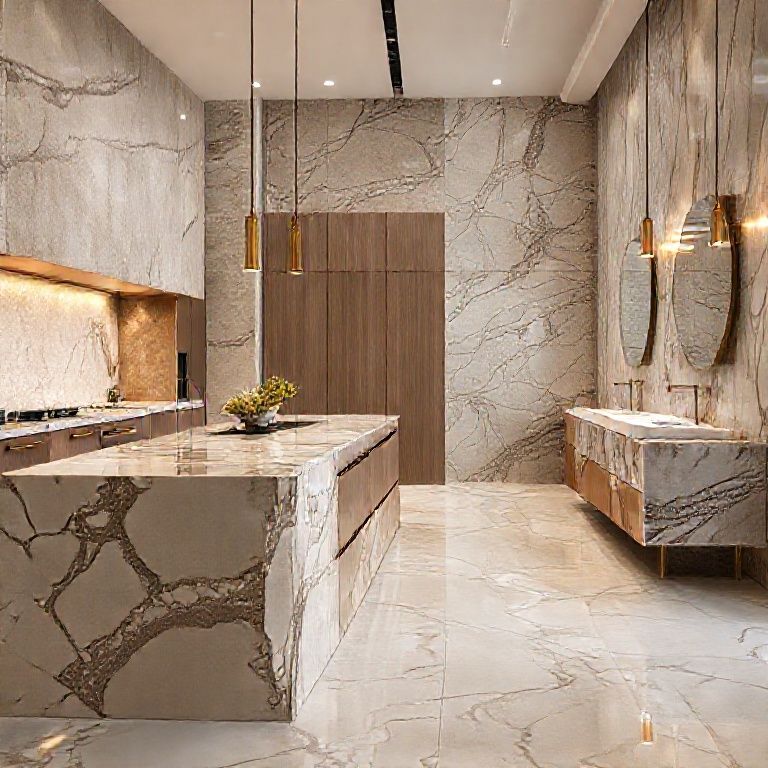
Furthermore, the formulation can be subtly adjusted to achieve a vast spectrum of colors, patterns, and textures. From the purest whites and deepest blacks to vibrant hues and intricate veining that mimics natural stone, Corian offers an almost limitless palette. Translucent versions also exist, allowing for dramatic backlighting effects that can transform a space, turning a simple countertop into a luminous work of art. This ability to mimic natural materials while offering superior performance is a key reason for its widespread adoption. Designers can achieve the aesthetic appeal of marble or granite without the associated maintenance challenges, the risk of staining, or the inherent porosity that can harbor bacteria. The consistency in color and pattern from batch to batch also ensures predictability and ease of matching for renovations or expansions, a practical consideration that is often overlooked in the initial design phase. The seamless integration of Corian is another hallmark of its design prowess. Because it is a solid, homogeneous material, seams can be virtually invisible. Using a specialized adhesive that chemically bonds with the Corian itself, pieces can be joined together to create expansive, continuous surfaces. This eliminates the unsightly grout lines or caulking found in other materials, offering a smooth, clean, and modern look. This seamless quality not only enhances the aesthetics but also contributes to its hygienic properties, as there are fewer places for dirt and grime to accumulate. The ability to create integrated sinks and backsplashes, all from the same material, further elevates the design possibilities and simplifies the installation and cleaning process.
The manufacturing process also allows for the incorporation of various effects. Tiny flecks, larger particulates, and veining patterns are all achievable through the careful control of the mixing and casting stages. This granular control over the material’s appearance is what sets it apart. It’s not merely a replication of nature; it’s an engineered artistry that offers a level of customization and consistency that natural materials simply cannot match. The development of Corian represented a significant leap forward in surfacing technology, moving beyond the limitations of traditional materials to offer a product that is as aesthetically pleasing as it is practical. It’s a material born from a deep understanding of chemistry and a visionary approach to design, capable of transforming ordinary spaces into extraordinary environments.
The versatility of Corian solid surface extends far beyond its fundamental composition. It’s a material that empowers designers and fabricators to push the boundaries of what’s possible in interior and exterior applications. Its inherent properties, stemming from that carefully crafted blend of acrylic polymer and alumina trihydrate, unlock a world of creative potential, making it a go-to choice for everything from residential kitchens to high-traffic commercial environments. One of the most celebrated aspects of Corian is its thermoformability. This means that under controlled heat, the solid sheets can be bent, curved, and molded into an astonishing array of shapes. This capability allows for the creation of seamless, flowing countertops that wrap around corners, custom-designed reception desks with organic contours, and even sculptural elements that become focal points in a room. Imagine a kitchen island that melts into a waterfall edge, or a vanity that curves gracefully to accommodate a specific space – these design dreams become tangible realities with Corian. This is a stark contrast to rigid materials like stone or laminate, which are limited to straight cuts and sharp angles.
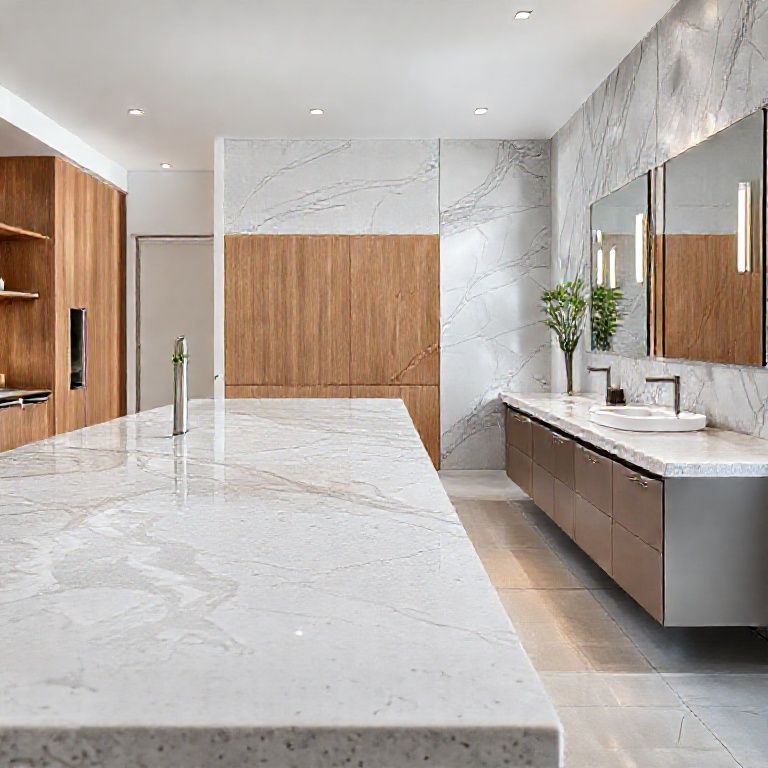
The non-porous nature of Corian is another significant advantage, particularly in environments where hygiene is a primary concern. In healthcare settings, for example, Corian is often chosen for laboratory benchtops, nurses’ stations, and patient room surfaces. Its impermeability to liquids means that spills, disinfectants, and bodily fluids do not penetrate the surface, preventing the growth of bacteria, mold, and viruses. This makes it incredibly easy to clean and maintain, contributing to a sterile and safe environment. Similarly, in food service establishments, Corian countertops and serving areas offer a hygienic and stain-resistant solution that can withstand the rigors of daily use and rigorous cleaning protocols. The absence of pores also means that Corian will not absorb odors, ensuring that kitchens remain fresh and free from lingering smells.
The aesthetic range of Corian is truly remarkable. Available in hundreds of colors, patterns, and textures, it can be tailored to complement any design scheme. From minimalist and modern to classic and traditional, there’s a Corian shade to fit every aesthetic. Beyond solid colors, Corian offers patterns that mimic the intricate veining of natural marble, the speckled appearance of granite, or the earthy tones of concrete. This allows designers to achieve the desired look of natural materials without the associated drawbacks, such as the potential for staining, the need for regular sealing, or the variability in natural stone. The consistency of Corian also ensures that colors and patterns remain uniform across different batches, a crucial factor for large-scale projects where matching is essential.
The seamless integration achievable with Corian is a game-changer for interior design. Through a specialized adhesive that chemically bonds with the material, separate pieces of Corian can be joined together to create continuous surfaces with virtually invisible seams. This eliminates the need for unsightly grout lines or caulking, resulting in a sleek, modern, and hygienic finish. This is particularly beneficial for countertops, shower walls, and backsplashes, where the absence of seams simplifies cleaning and enhances the overall aesthetic appeal. It also allows for the creation of integrated sinks and bowls, where the sink is formed from the same Corian material as the countertop, creating a unified and flowing design.
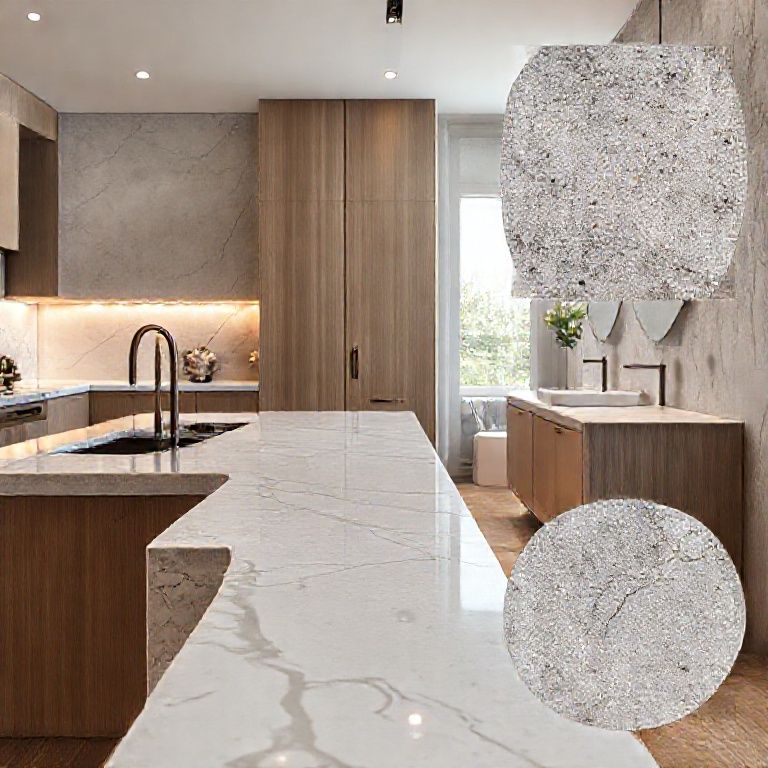
Beyond countertops and sinks, Corian’s applications are incredibly diverse. It’s used for wall cladding, creating durable and aesthetically pleasing surfaces in lobbies, bathrooms, and commercial spaces. In the healthcare sector, it’s employed for reception desks, patient care areas, and even surgical rooms due to its hygienic properties. Retail environments benefit from Corian’s ability to be shaped into eye-catching displays, shelving units, and checkout counters that combine durability with visual appeal. Furniture designers are increasingly incorporating Corian into their creations, utilizing its unique properties to craft tables, chairs, and decorative elements that are both functional and artistic. Even in exterior applications, such as building facades and signage, Corian demonstrates its resilience and weather resistance.
The repairability of Corian is another significant advantage that contributes to its long-term value. While incredibly durable, accidents can happen. However, minor scratches, chips, or even deeper damage can often be repaired by trained professionals. The solid, homogeneous nature of the material means that the repair blends seamlessly with the surrounding surface, restoring it to its original condition. This ability to repair rather than replace extends the lifespan of Corian installations and makes it a more sustainable choice in the long run. It’s this combination of formability, durability, hygiene, aesthetic flexibility, and repairability that solidifies Corian’s position as a premier surfacing material. It’s not just about what it is made of, but what it enables – the creation of spaces that are beautiful, functional, and enduring. From the intimate setting of a home kitchen to the demanding environment of a hospital, Corian proves itself to be a material that truly transforms spaces, offering a harmonious blend of art and science for the modern world.









