
The world of interior design is a constant dance between aesthetics and functionality, and nowhere is this more evident than in the selection of surfaces. For countertops, a focal point in kitchens and bathrooms, the choices can feel overwhelming. Among the most popular contenders are “artificial stone” and Corian. While both offer a sophisticated alternative to natural materials, their fundamental differences are significant and impact everything from their look and feel to their long-term performance. Understanding these distinctions is key to selecting the perfect material that aligns with your design vision and practical needs.

Let’s begin by demystifying the term “artificial stone.” This is a broad category that encompasses a range of man-made surfacing materials designed to mimic the appearance of natural stone like granite, marble, or quartz. The most common types of artificial stone fall into two main camps: engineered quartz and solid surface materials. Engineered quartz, for instance, is a composite material made from approximately 90-95% ground natural quartz crystals, mixed with polymer resins and pigments. This composition results in a highly durable, non-porous, and consistent surface that is remarkably resistant to stains, scratches, and heat. The manufacturing process allows for a vast array of colors and patterns, from those that closely resemble natural stone to entirely novel designs. Its inherent strength and low maintenance make it a perennial favorite for busy kitchens.
On the other hand, Corian, a brand name owned by DuPont, is a specific type of solid surface material. Solid surface, in general, is a composite material consisting of acrylic polymer and alumina trihydrate (ATH), derived from bauxite ore. This unique blend creates a material that is homogeneous throughout its thickness, meaning the color and pattern are consistent from top to bottom. This characteristic is a game-changer for repairs and customization. Unlike engineered quartz, which has a distinct top layer of design, Corian can be sanded and buffed to remove scratches or even deeper damage, effectively making it look new again. The acrylic resin component provides flexibility and thermoformability, allowing Corian to be shaped into curves, seamless sinks, and intricate designs that are often impossible with other materials.
The visual appeal of these materials also offers a point of divergence. Engineered quartz excels at replicating the natural beauty of stone. Its patterns can be incredibly detailed, featuring veins, speckles, and subtle color variations that mimic the organic imperfections of granite or marble with remarkable accuracy. The consistency of engineered quartz also means that what you see in the showroom is exactly what you’ll get in your home, offering a predictable and polished look. If you’re seeking the timeless elegance of natural stone but with enhanced durability and lower maintenance, engineered quartz is a compelling choice.
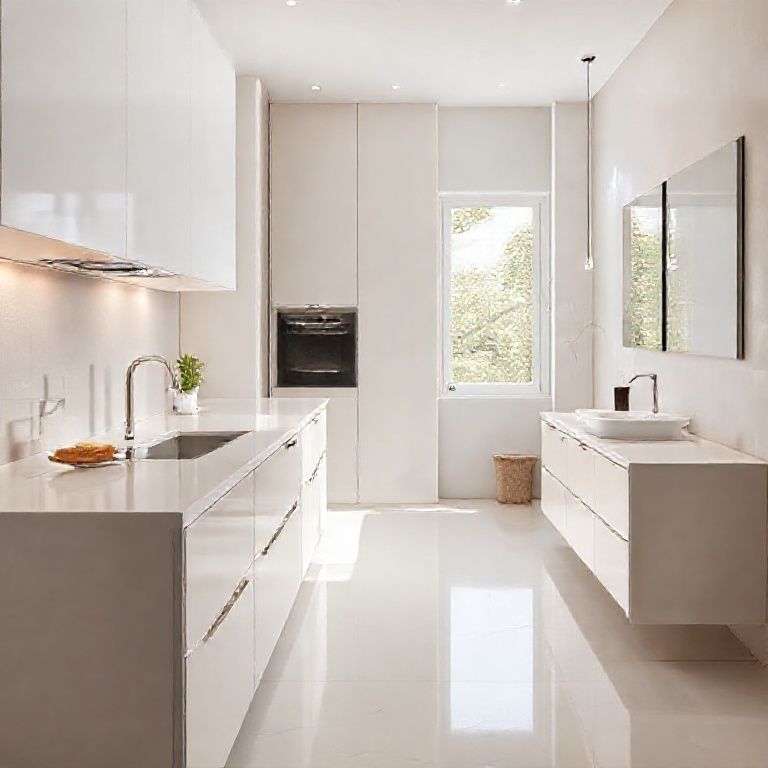
Corian, while it can also mimic stone, often presents a more uniform and contemporary aesthetic. Its strength lies in its ability to create seamless, flowing designs. Because it’s non-porous and solid throughout, it’s ideal for integrated sinks and backsplashes, creating a hygienic and visually uninterrupted surface. Corian is available in a spectrum of colors, from classic whites and subtle neutrals to vibrant hues and even translucent options that can be backlit for dramatic effect. While some engineered quartz products might feature bolder, more organic patterns, Corian often leans towards a sleeker, more modern finish, though its versatility allows it to adapt to various design styles. The choice here often hinges on whether you prioritize the realistic replication of natural stone or the innovative design possibilities offered by a truly uniform material.
Durability is another crucial differentiator. Engineered quartz is renowned for its exceptional hardness and resistance to wear and tear. Its high quartz content makes it incredibly scratch-resistant, so much so that cutting directly on its surface is generally not recommended, but it can withstand most everyday kitchen activities without showing significant marks. It’s also highly resistant to heat, capable of handling hot pots and pans for short periods. However, prolonged exposure to extreme heat can cause thermal shock and damage the resin binders. Its non-porous nature also means it’s virtually impervious to stains, making it ideal for kitchens where spills are common.
Corian, while durable, has a different strength profile. Its acrylic composition makes it more susceptible to scratches and heat damage than engineered quartz. While it can handle moderate heat, it’s advisable to always use trivets for hot cookware to prevent surface damage or discoloration. Scratches can occur with rough use, but as mentioned earlier, this is where Corian truly shines. Minor scratches can be buffed out with a mild abrasive cleaner or even a fine-grit sandpaper. Deeper gouges can be repaired by a professional, restoring the surface to its original condition without the need for replacement. This repairability is a significant advantage, especially in high-traffic areas or homes with children. While engineered quartz offers superior resistance to scratching and heat in its pristine state, Corian offers a long-term resilience through its inherent ability to be renewed. The decision between them often comes down to your tolerance for potential wear and tear versus the value you place on reparability.
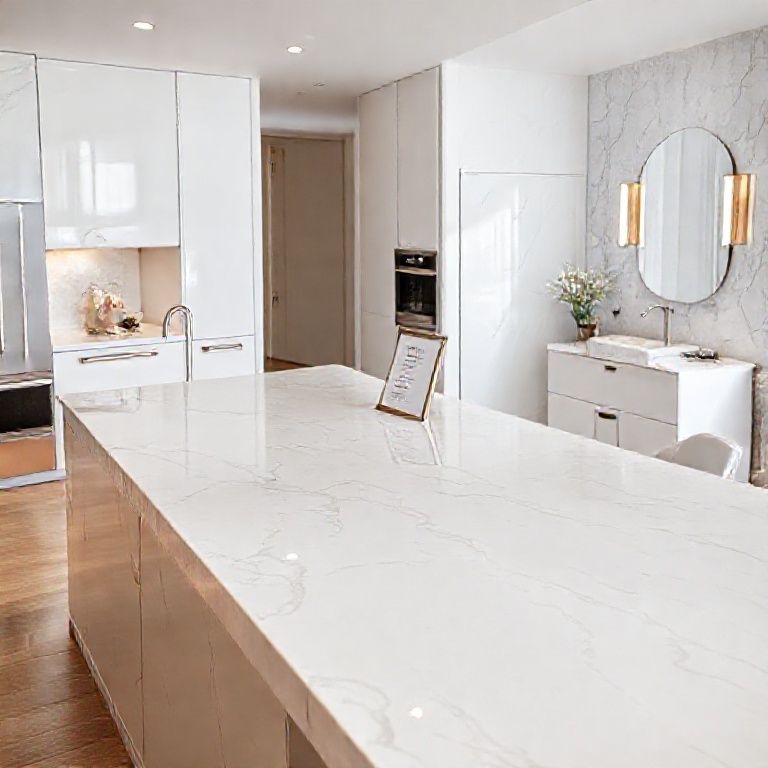
The maintenance requirements for both materials are generally low, but there are subtle differences to consider. Both engineered quartz and Corian are non-porous, which is a significant advantage for hygiene. This means they don’t harbor bacteria or mold and are resistant to common household stains like coffee, wine, and oil. For daily cleaning, a soft cloth with warm water and a mild soap is usually sufficient for both. Avoid abrasive cleaners or harsh chemicals, as these can dull the finish or damage the resin components over time.
For engineered quartz, regular wiping and occasional cleaning with a non-abrasive, pH-neutral cleaner will keep it looking its best. For tougher stains, a specialized quartz cleaner or a paste of baking soda and water can be effective. The key is to wipe up spills promptly, especially acidic ones like lemon juice or vinegar, to prevent any potential etching, though this is rare with quality engineered quartz. Because it’s so hard, engineered quartz is quite forgiving in terms of daily upkeep.
Corian requires a similar gentle approach. For everyday messes, soap and water are your best friends. For more stubborn marks or discoloration, a mild abrasive cleaner like Bar Keepers Friend or a paste of baking soda and water can be used. The repairability of Corian extends to its cleaning – if you accidentally use a cleaner that dulls the surface, you can often buff it back to its original sheen. The primary maintenance consideration for Corian is being mindful of heat and sharp objects. While it’s resilient, avoiding direct contact with extreme heat and sharp knives will prolong its pristine appearance and minimize the need for repairs. Both materials offer a low-maintenance lifestyle, but the degree of vigilance required differs slightly, with Corian demanding a little more care regarding heat and sharp edges to maintain its flawless appearance over the long haul.
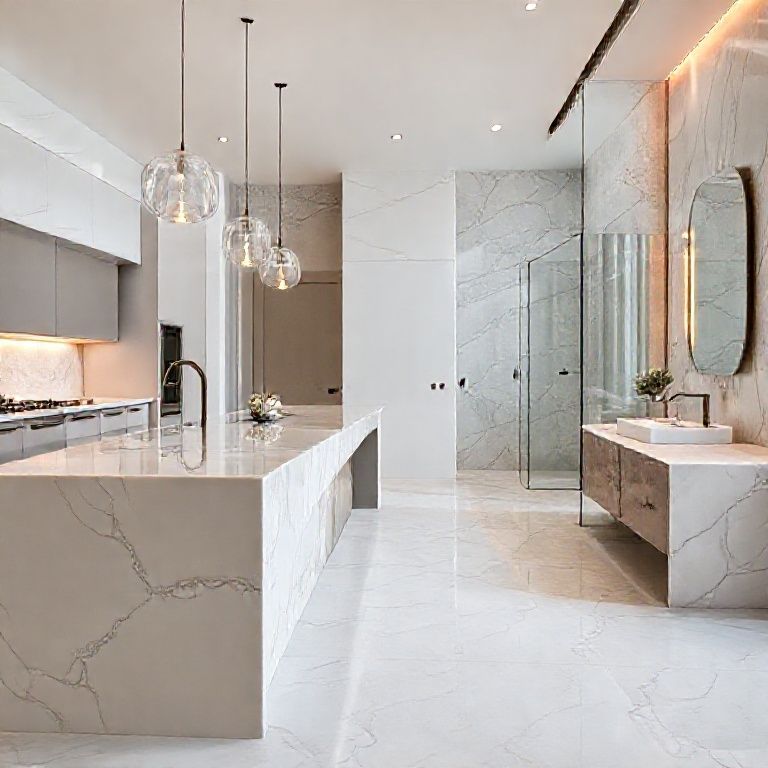
Continuing our exploration into the fascinating world of artificial surfacing materials, we delve deeper into the practicalities and aesthetic nuances that distinguish artificial stone (specifically engineered quartz) from Corian. Having established their compositional foundations and initial durability characteristics, let’s now focus on their applications, cost considerations, environmental impact, and the unique advantages they bring to different design scenarios. This comprehensive understanding will equip you with the insights needed to confidently choose the surface that best complements your lifestyle and aesthetic aspirations.
The range of applications for both engineered quartz and Corian is extensive, making them versatile choices for a multitude of projects. Engineered quartz is particularly favored for kitchen countertops, bathroom vanities, and as a material for flooring and wall cladding. Its consistent appearance and robust nature make it ideal for high-traffic areas where durability and stain resistance are paramount. The ability to create large, seamless slabs means fewer visible seams, contributing to a clean and sophisticated look. For commercial spaces like restaurants, hotels, and laboratories, engineered quartz offers a hygienic and low-maintenance solution that can withstand demanding conditions. Its aesthetic appeal also makes it a popular choice for decorative elements such as fireplace surrounds and custom furniture pieces.
Corian, with its unique properties, opens up a world of design possibilities, particularly where seamless integration and formability are desired. Beyond countertops and vanities, Corian is exceptionally well-suited for integrated sinks and bathtubs, creating a truly monolithic and hygienic bathing or kitchen area. Its thermoformable nature allows it to be shaped into dramatic curves, sculptural elements, and even furniture with organic forms. This makes it a designer’s dream for creating bespoke installations. In healthcare settings, Corian’s non-porous and seamless surface is highly valued for its ability to prevent the growth of bacteria and fungi, making it an excellent choice for operating rooms, laboratories, and patient care areas. It’s also used in retail environments for display cases, reception desks, and wall panels, offering both aesthetic appeal and practical durability. The choice between them in terms of application often comes down to whether you need the brute strength and stone-like replica of engineered quartz, or the seamless flow and creative molding capabilities of Corian.
When it comes to cost, the pricing of both engineered quartz and Corian can vary significantly based on brand, color, pattern complexity, and installation specifics. Generally, engineered quartz falls into a mid-to-high price range, often comparable to or slightly more expensive than some mid-grade natural stones. The price is influenced by the percentage of quartz content, the complexity of the veining or pattern, and the reputation of the manufacturer. High-end engineered quartz with intricate designs or unique colorations can command premium prices.
Corian, being a specific brand of solid surface, also occupies a mid-to-high price bracket. Its cost can be competitive with engineered quartz, though some very basic Corian colors might be more affordable than certain complex quartz patterns. However, the unique advantages of Corian, such as its seamless integration capabilities and thermoformability, can sometimes lead to higher installation costs, particularly for custom-designed sinks or curved elements. When comparing the base material cost, they are often in the same ballpark, but the final price tag can be heavily influenced by the complexity of the fabrication and installation required. It’s always advisable to get detailed quotes for both materials, factoring in the specific design and installation needs of your project.
The environmental impact of manufacturing and using surfacing materials is an increasingly important consideration for many consumers. Engineered quartz is made primarily from natural quartz, a readily available mineral. The manufacturing process involves energy-intensive steps, including crushing quartz and resin binding. However, many manufacturers are investing in sustainable practices, such as using recycled content in their products and optimizing energy efficiency in their plants. The durability and longevity of engineered quartz also contribute to its environmental profile, as it requires less frequent replacement.
Corian, as a solid surface material, is composed of acrylic polymers and ATH. The production of acrylics involves petrochemicals, which have their own environmental considerations. However, DuPont, the manufacturer of Corian, has made efforts to improve the sustainability of its products. This includes using recycled content in some Corian formulations and developing manufacturing processes that minimize waste and energy consumption. Corian’s repairability also plays a role in its environmental footprint, as it can be refurbished rather than replaced, extending its lifespan and reducing landfill waste. Furthermore, Corian is certified for low VOC (Volatile Organic Compound) emissions, contributing to better indoor air quality. Both materials have their environmental footprints, and it’s worth exploring specific brands and their sustainability certifications when making a choice.
The choice between engineered quartz and Corian ultimately hinges on a nuanced understanding of your priorities. If your heart is set on a material that flawlessly mimics the intricate beauty of natural stone with unparalleled scratch and heat resistance for a low-maintenance lifestyle, engineered quartz is likely your champion. Its solidity and consistent patterns offer a predictable and robust surface perfect for the demands of a busy kitchen or a modern bathroom where resilience is key.
On the other hand, if your design vision leans towards seamless integration, innovative forms, and the ability to craft truly unique, flowing spaces, Corian presents an unparalleled opportunity. Its inherent reparability means that minor cosmetic blemishes are not the end of the world, but rather a temporary inconvenience that can be effortlessly resolved. For applications where hygiene is paramount and the creation of a monolithic surface is desirable, such as integrated sinks or specialized commercial environments, Corian’s unique properties shine brightest.
In essence, engineered quartz offers a robust, aesthetically diverse, and low-maintenance replication of natural stone, while Corian provides a canvas for creative expression through its seamlessness, thermoformability, and reparability. Both are excellent choices, representing the pinnacle of man-made surfacing materials. The “best” choice is not an objective declaration but a subjective decision, tailored to the specific needs, aesthetic preferences, and functional demands of your personal space. By weighing their compositional differences, visual characteristics, durability profiles, maintenance requirements, application strengths, cost implications, and environmental considerations, you can confidently navigate this decision and select the surface that will not only adorn your home but also enhance your daily life for years to come.









