
The allure of a beautifully crafted countertop or a seamlessly integrated sink is undeniable. It’s the focal point of a kitchen, a sanctuary in a bathroom, and a canvas for culinary creativity or serene self-care. But when embarking on a renovation or designing a new space, the sheer variety of surfacing materials can feel overwhelming. Among the most popular contenders are acrylic solid surface and engineered stone (often referred to as quartz, though technically a broader category). While both offer stunning aesthetics and practical benefits, understanding their fundamental differences is key to selecting the perfect fit for your lifestyle and vision. This journey will demystify these two leading materials, peeling back the layers to reveal their unique characteristics, advantages, and ideal applications.

Acrylic solid surface, a composite material, is a marvel of modern material science. Its composition typically involves acrylic polymers (like PMMA) and alumina trihydrate (ATH), a mineral derived from bauxite ore, along with pigments. This unique blend results in a non-porous, homogeneous material that can be thermoformed, meaning it can be heated and molded into virtually any shape imaginable. This remarkable malleability is one of its most compelling attributes. Think of sweeping curves, integrated sinks with no visible seams, or even intricate architectural details. This seamless quality extends to its aesthetic too. Because the color and pattern run all the way through the material, any scratches or minor damage can often be repaired and buffed out, restoring the surface to its original glory. This “repairability” is a significant advantage for high-traffic areas or households with children and pets.
The non-porous nature of acrylic solid surface is a critical functional benefit. Unlike natural stone or even some other engineered materials, it does not absorb liquids. This means spills of wine, coffee, or juice are unlikely to stain. Furthermore, this lack of porosity makes it highly resistant to bacteria and mold growth, contributing to a more hygienic environment, especially in kitchens and bathrooms. Cleaning is typically a breeze – a simple wipe with soap and water is usually sufficient. For tougher messes, mild abrasive cleaners can often be used without fear of damaging the surface.
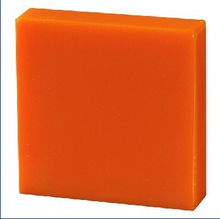
Aesthetically, acrylic solid surface offers a vast spectrum of possibilities. It can mimic the look of natural stone with remarkable fidelity, ranging from the subtle veining of marble to the granular texture of granite. However, it also excels in offering bold, solid colors and unique, contemporary patterns that might be difficult or impossible to find in natural stone. This versatility allows designers and homeowners to achieve a truly custom look, perfectly tailored to their aesthetic preferences. The material can also be backlit, creating a luminous effect that adds a touch of drama and sophistication to a space. The ability to achieve seamless integration is another design game-changer. Countertops can flow directly into backsplashes, sinks can be seamlessly integrated, eliminating those unsightly grout lines and difficult-to-clean crevices. This creates a streamlined, modern, and incredibly hygienic surface.
However, it’s important to acknowledge the trade-offs. While durable, acrylic solid surface is generally softer than engineered stone. This means it can be more susceptible to scratches from sharp objects or abrasive cleaning tools. While repairs are possible, frequent deep scratches might eventually impact the overall appearance. Similarly, while it possesses good heat resistance, it’s not impervious to extreme heat. Placing scorching hot pots directly from the stove onto an acrylic solid surface countertop is not recommended, as it can lead to discoloration or even damage. Using trivets is a wise practice. The price point can also vary significantly depending on the brand, color, and complexity of the design, but it generally sits in a mid-to-high range, offering a good balance of performance and aesthetic appeal for many.
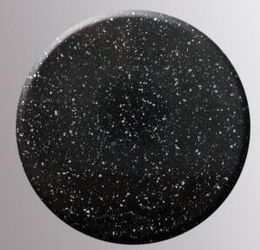
The installation process for acrylic solid surface is also noteworthy. Because it can be cut and shaped on-site, it offers flexibility during installation. Seams, when necessary, can be expertly glued and sanded to be virtually invisible, contributing to that coveted seamless look. This makes it an excellent choice for complex layouts or when integrating specialized features. The material’s lighter weight compared to some natural stones can also simplify installation and reduce structural requirements in some cases. Ultimately, acrylic solid surface presents itself as a highly adaptable, hygienic, and aesthetically flexible material, perfect for those seeking a seamless, customizable, and easy-to-maintain surface that can truly transform a space.
In contrast to the malleability of acrylic solid surface, engineered stone, predominantly quartz, is celebrated for its exceptional hardness, durability, and low maintenance. This material is a testament to precise engineering, typically composed of around 90-95% natural quartz crystals, bound together with polymers (resins) and pigments. The quartz provides the backbone of its strength, while the resins ensure its non-porous nature and contribute to its consistent appearance. The manufacturing process involves crushing natural quartz, mixing it with the resins and pigments, and then compressing and curing it under intense heat and pressure. This results in a material that embodies the best of both worlds: the natural beauty of stone with the added benefits of modern manufacturing.
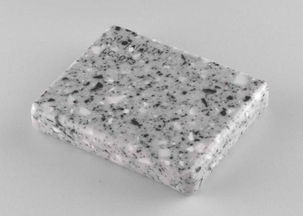
The defining characteristic of engineered stone, particularly quartz, is its unparalleled hardness. Quartz is one of the hardest minerals on Earth, and this translates directly to its resistance to scratching and chipping. It can withstand the rigors of daily kitchen life – chopping (though a cutting board is always recommended to preserve your knives!), dicing, and even accidental impacts – with remarkable resilience. This inherent toughness makes it an ideal choice for busy households where durability is paramount.
Just like acrylic solid surface, engineered stone is non-porous. This is a crucial advantage, as it means it will not absorb liquids, preventing stains from common culprits like red wine, coffee, and oil. This also means it’s highly resistant to bacteria and mold, contributing to a hygienic surface. Cleaning is straightforward; a damp cloth and mild detergent are usually all that’s needed. Because it’s so resistant to stains and acids, it requires very little in the way of special care products. This ease of maintenance is a major draw for homeowners who prefer a “set it and forget it” approach to their countertops.
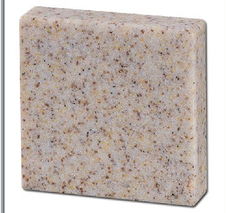
Aesthetically, engineered stone offers a vast and consistent palette. The manufacturing process allows for precise control over color and pattern. You can find surfaces that beautifully replicate the intricate veining of Calacatta marble, the earthy tones of travertine, or the speckled elegance of granite. Unlike natural stone, where no two slabs are exactly alike, engineered stone offers uniformity. This means if you fall in love with a particular pattern, you can be confident that the slab you receive will closely match the sample. This consistency is a significant benefit for large projects or when trying to achieve a precise visual effect. The range of colors and patterns extends beyond natural stone imitations, offering bold solids, unique abstract designs, and even finishes that mimic other materials like concrete or metal.
The durability of engineered stone also extends to its heat resistance. While not completely impervious to extreme, sudden temperature changes, it can generally withstand hot pans placed on it for short periods without immediate damage. However, as with any countertop material, using trivets or hot pads is always the safest practice to prevent potential thermal shock or discoloration over time.
However, engineered stone does have its limitations. While incredibly hard, its rigidity can make it more susceptible to chipping or cracking from sharp, direct impacts, especially on edges and corners, compared to the slight flexibility of solid surface. The resins used in its composition can also be sensitive to prolonged exposure to UV light, which can cause discoloration over time, making it less ideal for outdoor applications or areas with direct, intense sunlight. Furthermore, the seamless integration that is a hallmark of acrylic solid surface is not achievable with engineered stone. Seams are generally visible, although skilled fabricators can minimize their appearance by carefully matching patterns and using color-matched epoxy. The material is also heavier than acrylic solid surface, which may necessitate additional structural support during installation.
Installation of engineered stone typically involves precise templating and fabrication in a workshop, as it cannot be easily modified on-site. This requires careful planning and accurate measurements. Once fabricated, the slabs are transported to the site for installation. The consistency of the material can make installation more predictable, but its weight requires professional handling. Engineered stone is often perceived as a premium material, and its price point generally reflects its durability and aesthetic appeal, often falling into the mid-to-high to high-end of the market. For those prioritizing a virtually indestructible surface that is also aesthetically pleasing and remarkably easy to care for, engineered stone stands out as a compelling choice.
In conclusion, the choice between acrylic solid surface and engineered stone hinges on your priorities. If seamless integration, thermoforming capabilities, and ease of repair are at the top of your list, acrylic solid surface is a strong contender. For those who demand the utmost in hardness, scratch resistance, and minimal upkeep, engineered stone, particularly quartz, shines. Both materials offer beautiful surfaces that can elevate any space, but understanding their distinct personalities allows you to make a decision that will not only look stunning but also function flawlessly for years to come.









