
The world of interior design is a constant dance between form and function, aesthetics and endurance. When it comes to selecting the surfaces that define our living and working spaces – from gleaming kitchen countertops to sleek bathroom vanities – the choices can seem overwhelming. Among the most frequently considered materials are acrylic solid surface and engineered stone. While both fall under the broad umbrella of “artificial stone,” their composition, properties, and the very essence of their being are remarkably different. Understanding these distinctions is not merely an academic exercise; it’s the key to unlocking the perfect material for your unique vision and practical needs.

Let’s begin with acrylic solid surface, a material that has carved a significant niche for its seamless beauty and remarkable versatility. At its core, acrylic solid surface is a composite material, primarily composed of acrylic polymer and alumina trihydrate (ATH), a mineral derived from bauxite ore. These two components are blended together, along with pigments, to create a homogenous, non-porous substance. The “acrylic” in its name refers to the polymer binder, which lends the material its characteristic workability and ability to be thermoformed. Imagine a substance that can be molded, shaped, and joined with virtually invisible seams, creating a continuous, flowing surface. This is the magic of acrylic solid surface.
One of the most celebrated attributes of acrylic solid surface is its non-porous nature. This means that liquids, stains, and bacteria have no place to hide. Spills on a kitchen counter made of acrylic solid surface are easily wiped away, and it resists the absorption of odors, making it a highly hygienic choice for food preparation areas and healthcare settings. This inherent resistance to microbial growth is a significant advantage, offering peace of mind for busy households and environments where sanitation is paramount. Furthermore, its non-porosity means it is highly resistant to staining from common culprits like wine, coffee, and oil.
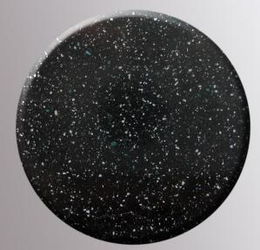
The seamlessness achievable with acrylic solid surface is another defining feature. When two pieces of this material are joined using a specialized adhesive that matches the material’s composition, the seam essentially disappears. This allows for the creation of expansive, uninterrupted surfaces that are not only visually stunning but also practical. Think of a large kitchen island with no awkward joints, or a reception desk that appears to be carved from a single block. This monolithic aesthetic can elevate the sophistication of any space. Moreover, the absence of grout lines in applications like backsplashes or shower walls means less cleaning and a more streamlined, modern look.
Fabrication is where acrylic solid surface truly shines in its adaptability. Unlike many other surfacing materials, it can be cut, routed, sanded, and even heated and bent into curves. This thermoforming capability opens up a world of design possibilities, allowing architects and designers to create bespoke shapes, intricate details, and organic forms that would be impossible with more rigid materials. From waterfall edges that flow seamlessly down a cabinet to integrated sinks that become one with the countertop, the design freedom is immense. This malleability also means that repairs are often straightforward. Minor scratches or chips can be sanded out, and larger damage can sometimes be repaired on-site, restoring the surface to its former glory without the need for a full replacement.
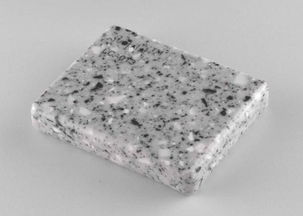
The aesthetic range of acrylic solid surface is also impressive. It’s available in a vast palette of colors, patterns, and textures, from solid, vibrant hues to intricate designs that mimic natural stone or introduce unique visual effects like translucency. This translucency is particularly intriguing, allowing for backlighting applications that can create dramatic and atmospheric effects, transforming a simple countertop into a luminous feature. The surface can also be made to feel warm to the touch, a subtle but pleasant tactile difference compared to the cooler feel of some other stone-based materials.
However, it’s important to acknowledge that with its strengths come certain considerations. While durable, acrylic solid surface is softer than engineered stone. This means it can be more susceptible to scratching from sharp objects or abrasive cleaning pads. Care must be taken during use, and it’s advisable to use cutting boards and avoid dragging heavy pots and pans across the surface. High heat can also be an issue. While it has a reasonable heat resistance, prolonged exposure to very hot cookware directly from a stove or oven can cause discoloration or thermal shock. Trivets and hot pads are recommended to protect the surface.
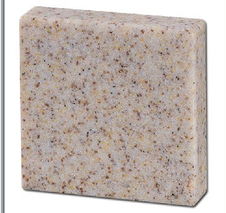
The cost of acrylic solid surface can vary widely depending on the brand, color, and complexity of fabrication. While some entry-level options can be quite competitive, premium brands and intricate designs can place it in a higher price bracket. Despite this, the long-term benefits of its low maintenance, repairability, and hygienic properties often justify the investment for many consumers and commercial clients. The continuous nature of the material, from production to installation, ensures a consistent quality and a predictable outcome, which is highly valued in large-scale projects.
In summary, acrylic solid surface is a marvel of material science, offering a unique blend of seamless aesthetics, hygienic properties, and unparalleled design flexibility. Its ability to be thermoformed and seamlessly joined makes it ideal for creating fluid, integrated spaces. While it requires mindful use to avoid scratches and heat damage, its repairability and low maintenance contribute to its long-term appeal and value. It’s a material that doesn’t just cover surfaces; it shapes them, offering a canvas for creativity and a commitment to practical, everyday living.

Moving from the pliable artistry of acrylic solid surface, we now turn our attention to engineered stone, a material that embodies strength, resilience, and a sophisticated mimicry of natural beauty. Unlike acrylic solid surface, engineered stone is not a single, homogenous entity that can be thermoformed. Instead, it’s a composite material that typically comprises a high percentage of crushed natural quartz crystals bound together with a resin system. This fusion creates a product that inherits the desirable characteristics of quartz while offering enhanced consistency and performance.
The primary component of most engineered stone, particularly what is often referred to as quartz surfaces, is natural quartz. Quartz is one of the hardest minerals on earth, second only to diamond in its mineral hardness. When these quartz crystals are ground down and mixed with a small percentage of polymer resins and pigments, the result is an exceptionally durable and dense material. The resin acts as a binder, holding the quartz particles together and providing the material with its characteristic sheen and impermeability. The percentage of quartz typically ranges from 90% to over 95%, with the remainder being resins and pigments. This high quartz content is crucial to its performance.
The most striking advantage of engineered stone is its unparalleled durability and resistance to wear and tear. Thanks to the inherent hardness of quartz, these surfaces are exceptionally resistant to scratching, chipping, and cracking. This makes them an ideal choice for high-traffic areas like kitchen countertops where knives, pots, pans, and everyday wear are common. The dense, non-porous nature of engineered stone means it’s also highly resistant to staining. Unlike natural stones that might require regular sealing to prevent absorption of liquids, engineered stone offers a maintenance-free defense against spills from wine, coffee, curry, and other common staining agents.
The consistency of engineered stone is another significant benefit. Natural stone, by its very definition, is variable. Each slab can have unique patterns, veining, and color variations. While this is often seen as a charm, for some projects, a predictable and uniform appearance is desired. Engineered stone offers just that. The manufacturing process allows for precise control over color and pattern, resulting in slabs that are virtually identical. This means you can be confident that the sample you choose will accurately represent the final installed product, and that multiple slabs used in a large project will match perfectly. This consistency is a boon for both designers and homeowners seeking a specific aesthetic.
The aesthetic range of engineered stone is vast and ever-evolving. Manufacturers have become incredibly adept at replicating the look of popular natural stones like marble and granite, often with greater consistency and fewer inherent flaws. Beyond imitation, they also offer a wide array of contemporary designs, from subtle, minimalist patterns to bold, dramatic veins and textures. The development of matte finishes and unique surface treatments has further expanded the creative possibilities, allowing engineered stone to complement a wide spectrum of interior design styles. The introduction of “veining” technology has enabled engineered stone to mimic the intricate, flowing patterns of marble with remarkable realism, offering a luxurious look without the high maintenance associated with natural marble.
When it comes to maintenance, engineered stone is a dream. Its non-porous surface means it doesn’t require sealing, a task that can be time-consuming and requires specialized products. Cleaning is as simple as wiping down the surface with a damp cloth and mild soap. Its resistance to stains and bacteria makes it a hygienic choice for kitchens and bathrooms. However, it’s important to note that while highly heat resistant, it’s not entirely impervious to extreme heat. Prolonged contact with extremely hot cookware directly from a stovetop or oven can potentially cause discoloration or damage to the resin binder. Therefore, using trivets and hot pads is still a recommended practice.
Fabrication of engineered stone is typically carried out by specialized workshops. While it can be cut and shaped, it is a much harder material to work with than acrylic solid surface. It cannot be thermoformed or bent into curves. Joints are visible and require careful seaming with epoxy adhesives that match the surrounding material. Repairs for significant chips or cracks can be more complex and may require professional intervention, often involving filling the damaged area with a matching epoxy. This contrasts with acrylic solid surface’s ability to be sanded and seamlessly repaired.
The price point of engineered stone can vary considerably based on brand, color, pattern complexity, and thickness. However, generally, it is often positioned as a premium material, with prices ranging from mid-to-high end. Its durability, low maintenance, and consistent aesthetic often make it a worthwhile investment for homeowners looking for a long-lasting and beautiful surfacing solution. The quality of the resins used and the percentage of quartz can also influence the price, with higher quartz content and advanced resin systems often commanding a higher cost.
In conclusion, engineered stone, particularly quartz surfaces, stands out for its exceptional strength, stain resistance, and consistent aesthetic appeal. Its high quartz content provides a robust and low-maintenance surface ideal for demanding environments. While it lacks the thermoforming capabilities of acrylic solid surface and requires careful handling of extreme heat, its durability, hygienic properties, and predictable beauty make it a highly sought-after material in modern interior design. It offers a compelling blend of natural material characteristics enhanced by modern manufacturing, providing a reliable and elegant foundation for any space.









