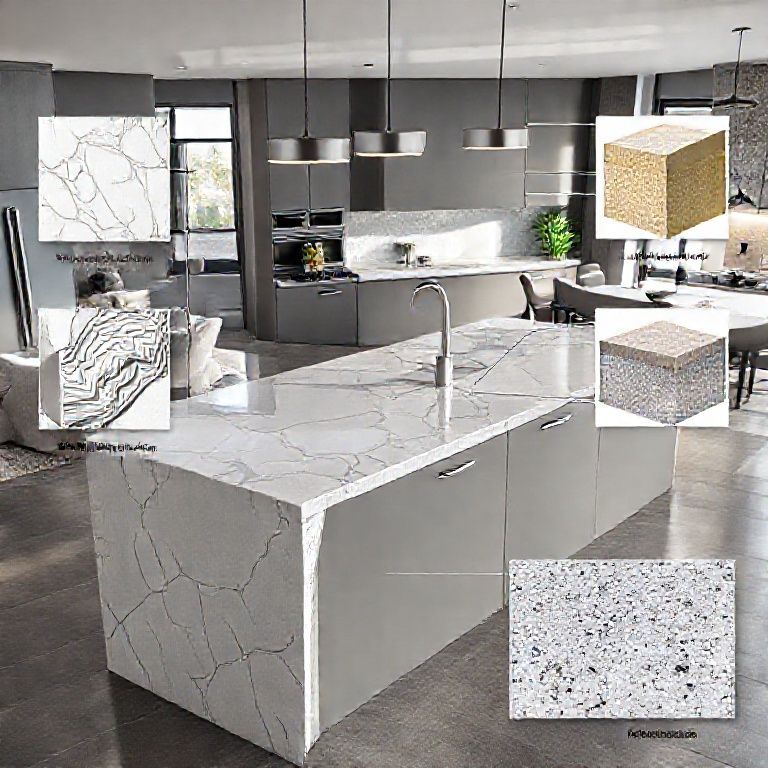
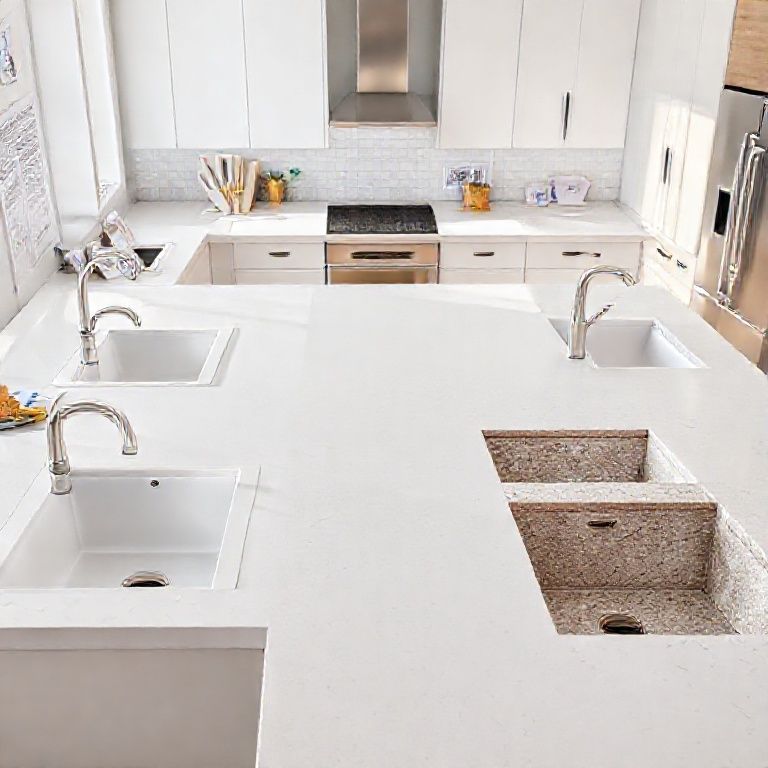
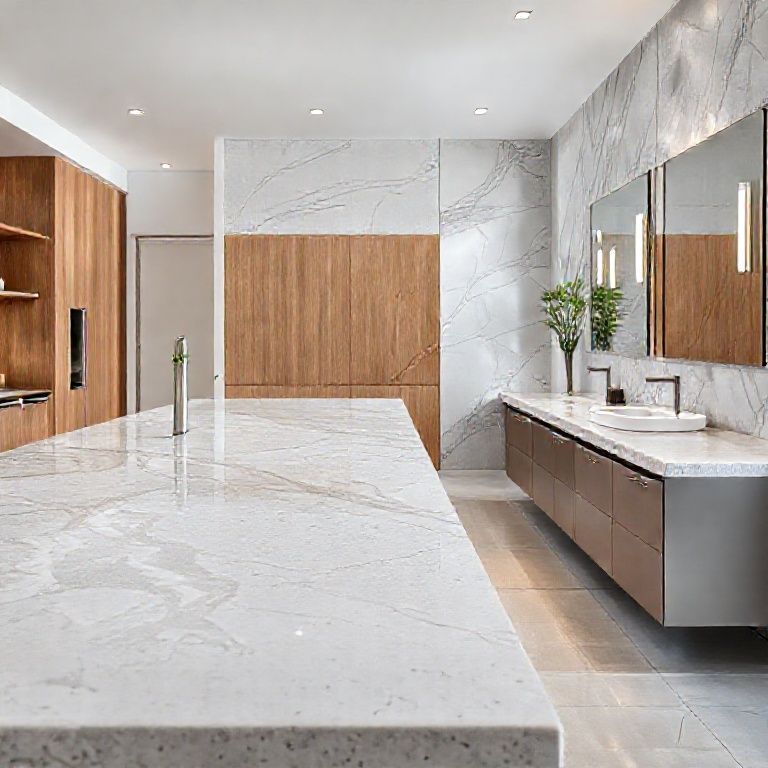
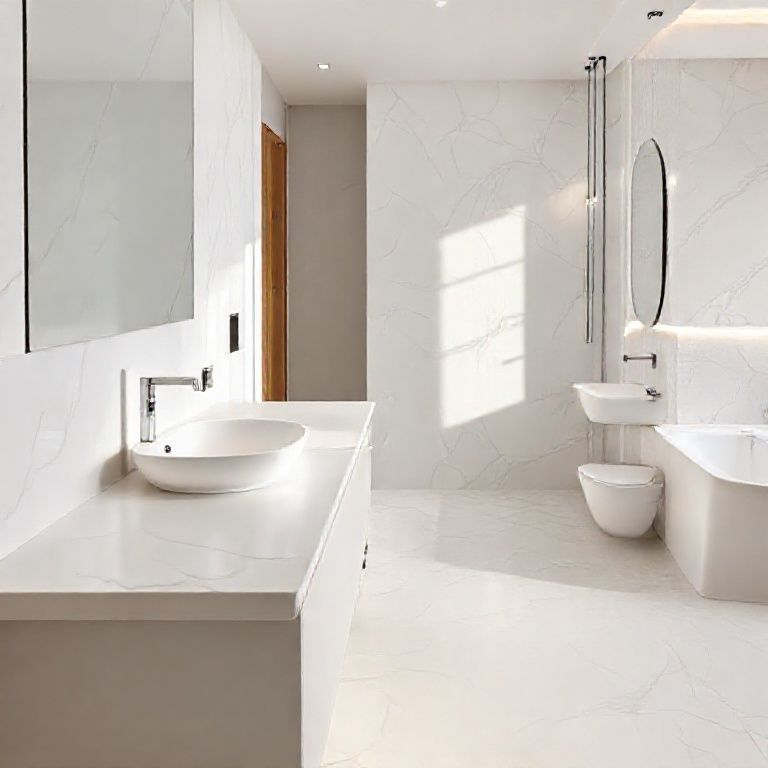
Discover the intricacies of maintaining your quartz countertops with our comprehensive guide. Dive deep into the effects of alcohol on quartz surfaces, learn the best cleaning practices, and explore alternatives for a pristine finish. This detailed article breaks down everything you need to know about keeping your quartz stone gleaming and durable.
quartz countertops, cleaning quartz countertops, alcohol on quartz, quartz maintenance, cleaning solutions for quartz, quartz surface care, how to clean quartz, best cleaners for quartz, quartz countertop tips
Part 1
Can You Use Alcohol to Clean Quartz Countertops? A Comprehensive Guide
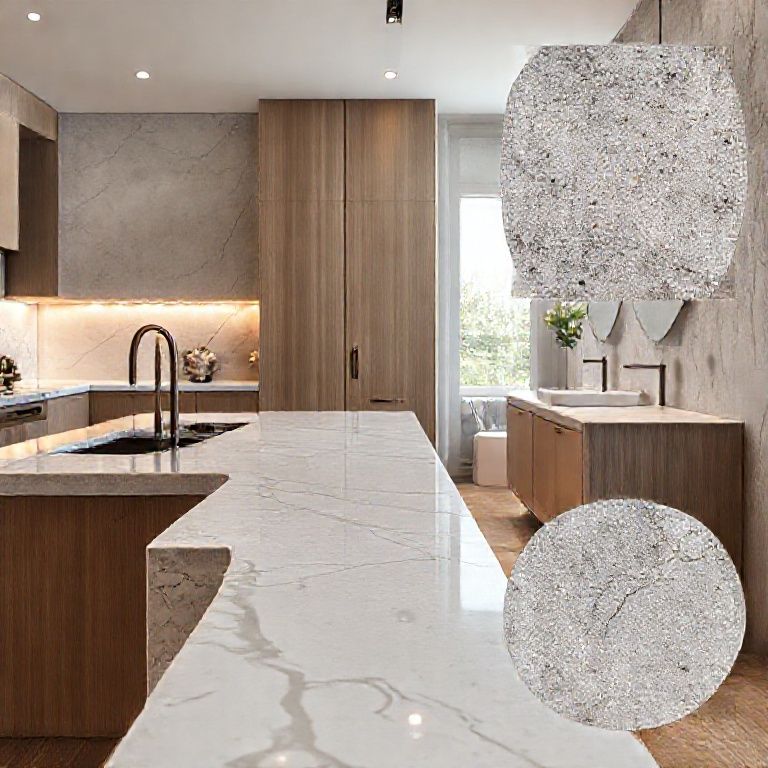
Quartz countertops have revolutionized modern kitchens and bathrooms with their stunning aesthetics and impressive durability. These surfaces are highly resistant to scratches, stains, and heat, making them a popular choice among homeowners. However, maintaining the pristine appearance of quartz requires careful attention to the cleaning methods used. One common question that arises is whether alcohol can be used to clean quartz countertops. In this section, we will explore the compatibility of alcohol with quartz surfaces and delve into the best practices for keeping your quartz countertop sparkling.
Understanding Quartz Countertops
Quartz countertops are composed of 94% pure quartz, combined with a binder to create a solid surface that is both beautiful and functional. This material is known for its strength, resistance to heat, and minimal maintenance requirements. Despite its durability, quartz is not entirely impervious to every cleaning agent. Some substances can potentially damage the surface or dull its shine. Therefore, it’s crucial to understand which cleaning products are safe and effective for maintaining the beauty and integrity of quartz countertops.
The Role of Alcohol in Cleaning
Alcohol, particularly isopropyl alcohol (rubbing alcohol), is a common household cleaner used for disinfecting and cleaning surfaces. It evaporates quickly and leaves no residue, which makes it a popular choice for many cleaning tasks. However, its effectiveness and safety when applied to quartz countertops are worth examining.
Pros of Using Alcohol on Quartz
Effective Against Bacteria and Viruses: Alcohol is known for its strong disinfecting properties, making it an effective choice for killing bacteria and viruses on the surface of quartz. Quick Drying: Alcohol evaporates rapidly, reducing the risk of water spots and leaving a streak-free finish. Minimal Residue: Unlike some cleaning agents, alcohol leaves no sticky or oily residue on the surface.
Cons of Using Alcohol on Quartz
Potential for Damage: While quartz is highly durable, it is not immune to damage from harsh chemicals. Alcohol, depending on its concentration, can sometimes cause minor etching or dulling on the surface if used excessively. Compatibility Issues: The compatibility of alcohol with quartz can vary depending on the type of alcohol and the specific formulation of the quartz countertop. Some formulations of quartz can be sensitive to alcohol, leading to potential discoloration or dullness.
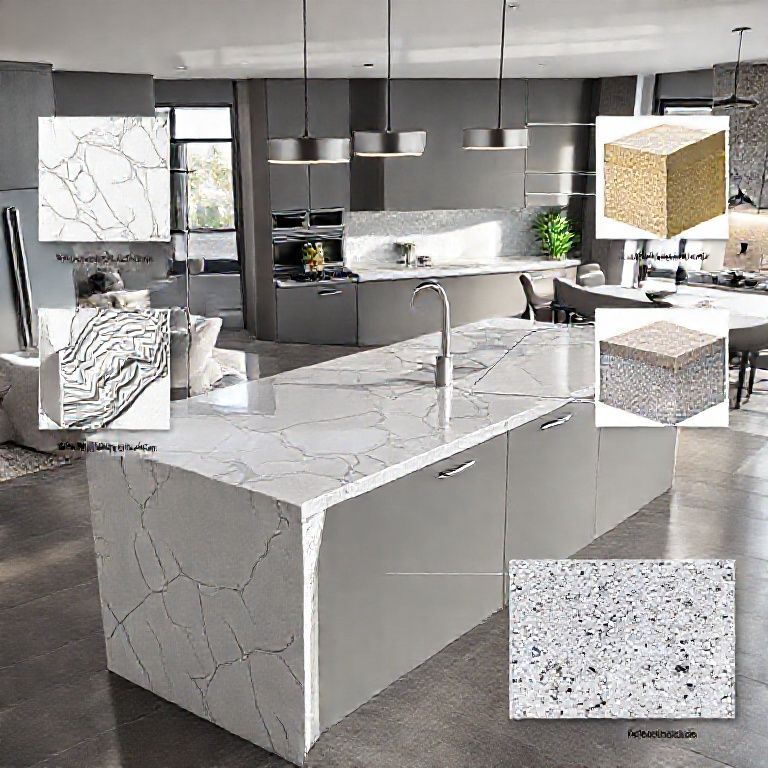
Best Practices for Cleaning Quartz Countertops
To maintain the beauty and longevity of your quartz countertops, it’s essential to follow best practices for cleaning. Here are some guidelines:
Daily Maintenance: Wipe down your quartz countertops with a soft, dry cloth to remove any dust, food particles, or spills immediately. This prevents stains and makes deep cleaning easier. Deep Cleaning: For a deeper clean, use a mild, pH-neutral cleaner specifically designed for stone surfaces. Avoid using harsh chemicals or abrasive scrubbers that can scratch the surface. Avoid Acidic and Abrasive Cleaners: Avoid using acidic cleaners (like vinegar) and abrasive materials (like steel wool) as they can damage the surface of the quartz. Test Cleaners First: Always test any new cleaning product on a small, inconspicuous area of the countertop before using it extensively.
Alternative Cleaning Solutions
If you’re concerned about using alcohol on your quartz countertops, there are several alternative cleaning solutions that are both safe and effective:
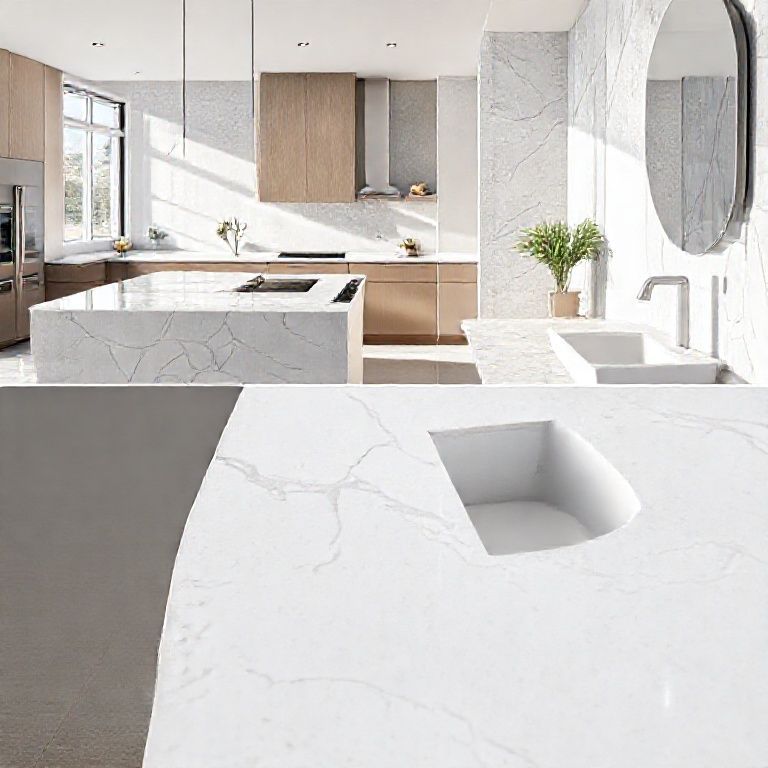
pH-Neutral Cleaners: Use a cleaner specifically formulated for stone surfaces, which will clean without the risk of damaging the quartz. White Vinegar: A diluted solution of white vinegar and water can be effective for cleaning and disinfecting without harming the quartz. Baking Soda: Baking soda mixed with water can create a paste that is gentle yet effective for cleaning tough stains. Commercial Granite Cleaners: Since quartz is similar to granite, using commercial granite cleaners can be a safe bet for maintaining your quartz countertops.
Conclusion
In conclusion, while alcohol can be used to clean quartz countertops, it’s essential to use it judiciously and with caution. For daily maintenance, a simple wipe-down with a soft cloth is usually sufficient. For deeper cleaning, opt for pH-neutral, stone-specific cleaners. By following these guidelines, you can ensure that your quartz countertops remain beautiful and durable for years to come.
Part 2
Can You Use Alcohol to Clean Quartz Countertops? A Comprehensive Guide
In the previous section, we explored the compatibility of alcohol with quartz countertops and the best practices for maintaining their pristine condition. Now, we’ll delve deeper into the nuances of cleaning quartz surfaces and discuss alternative methods that are safer and more effective.
The Chemistry of Quartz
Quartz countertops are made from a mixture of 94% natural quartz and 6% binder. This combination creates a material that is exceptionally hard, making it resistant to scratches and stains. However, the binder and the natural quartz composition can react differently to various cleaning agents. Understanding the chemical composition of quartz helps us comprehend why certain cleaning methods are preferred over others.
The Potential Risks of Using Alcohol
While alcohol is effective in disinfecting, its potential risks when used on quartz countertops should not be overlooked:
Etching and Discoloration: Depending on the concentration and the specific formulation of the alcohol, there is a risk of minor etching or discoloration on the quartz surface. This risk is especially pertinent if the alcohol is applied frequently or in large quantities. Surface Damage: Over time, frequent use of alcohol can lead to a dull finish or reduced shine on the quartz countertop, diminishing its aesthetic appeal.
Safe Cleaning Practices
To ensure the longevity and beauty of your quartz countertops, adhering to safe cleaning practices is crucial. Here are some detailed guidelines:
Daily Cleaning Routine: Use a dry, soft cloth to wipe down your countertops daily. This removes any minor spills, dust, or food particles that could lead to more significant stains if left unattended. Mild Cleaning Solutions: For regular cleaning, a mild, pH-neutral cleaner is ideal. Look for products specifically designed for stone surfaces, as these are formulated to be safe and effective without harming the quartz. Avoiding Abrasives: Never use abrasive cleaners or scrubbing pads on quartz countertops. These can scratch the surface and compromise the integrity of the material. Proper Drying: After cleaning, ensure the surface is properly dried to prevent water spots and streaks. Use a soft, dry cloth to gently wipe the surface.
Alternative Cleaning Methods
If you’re looking for safer alternatives to alcohol for cleaning your quartz countertops, consider these methods:
pH-Neutral Cleaners: Products designed for stone surfaces, such as granite and quartz cleaners, are specifically formulated to maintain the integrity of the material without causing damage. White Vinegar: A mixture of equal parts white vinegar and water can be an effective, natural cleaner and disinfectant. However, it should be used sparingly and with caution to avoid any potential chemical reactions. Baking Soda: Creating a paste from baking soda and water can help lift tough stains without scratching the surface. This method is gentle and effective for most cleaning tasks. Commercial Cleaners: There are many commercial cleaners available that are specifically designed for maintaining the beauty and durability of quartz countertops. These products are safe and effective when used according to the manufacturer’s instructions.
Expert Recommendations
According to cleaning experts, the following tips are recommended for maintaining quartz countertops:
Test First: Always test any cleaning product on a small, inconspicuous area before using it extensively to ensure there is no adverse reaction. Avoid Heat: High temperatures can cause some cleaning agents to evaporate too quickly, leaving residues or causing chemical reactions. It’s best to clean when the countertop is cool. Regular Maintenance: Regular maintenance with a mild cleaner helps prevent the buildup of stains and makes deep cleaning less frequent and less intensive. Professional Cleaning: For deep cleaning and maintenance, consider hiring professional cleaning services that use safe and effective methods to clean and polish quartz countertops.
Long-Term Care for Quartz Countertops
Long-term care for your quartz countertops involves more than just regular cleaning. Here are some additional tips to keep your quartz looking beautiful and maintain its durability:
Use Coasters and Trivets: To prevent heat damage and potential discoloration, always use coasters for hot drinks and trivets for hot dishes. Avoid Cutting on the Surface: Use cutting boards or specialized cutting mats to avoid scratches and potential damage from sharp objects. Sealants and Protectants: While quartz countertops do not require sealing like natural stone, using a protectant can add an extra layer of protection against potential stains and spills.
Conclusion
In conclusion, while it is possible to use alcohol to clean quartz countertops, it’s not always the best option due to the potential risks of etching and discoloration. By following safe cleaning practices and using mild, pH-neutral cleaners, you can maintain the beauty and durability of your quartz countertops without compromising their integrity. Remember, regular maintenance and proper care are继续深入探讨如何更好地保养和维护你的石英石台面,可以从以下几个方面进行:
1. 使用合适的清洁工具
软布和海绵:使用软布和海绵是最好的选择,因为它们不会对石英石台面造成划伤。 无绒布:有些专门设计的无绒布(如Microfiber Cloth)也非常适合清洁石英石台面,因为它们不会留下绒毛或纤维。
2. 定期擦拭和保养
即使石英石台面非常耐用,定期擦拭和保养仍然是必要的。这样可以防止污渍和积聚,从而减少深度清洁的频率。
每日擦拭:每天使用干净的软布擦拭台面,去除灰尘和轻微污渍。 每月保养:使用专用的石英石保养液或者一些市售的多用途石材保养液,每月进行一次全面的保养,可以增强石英石台面的光泽度和耐用性。
3. 处理溅洒物和污渍
当有食物溅洒或者其他污渍落在石英石台面上时,及时处理非常重要。
即时清理:使用湿布迅速擦拭干净新鲜的溅洒物,以防止污渍渗入台面。 酸性物质:对于酸性物质(如果汁、醋等),使用大量的水立即冲洗,然后用干净的软布擦拭干净,避免酸性物质对台面的长期损害。
4. 防止热损伤
石英石台面虽然耐热,但仍然需要注意热损伤。
使用烤盘垫或垫子:当放置热的烤盘或其他热物品时,使用烤盘垫或垫子来防止直接接触台面,避免热损伤。 立即移动:热的锅具或烤盘移动时应及时移动,以防止热液体溅到台面上。
5. 避免使用强力清洁剂
强力清洁剂,特别是含有研磨粒子或酸性成分的清洁剂,可能会损害石英石台面。
选择温和清洁剂:使用温和的清洁剂和水混合液进行清洁,避免使用含有研磨粒子或酸性成分的清洁剂。 专用清洁剂:市面上有专门为石英石设计的清洁剂,选择这些产品可以确保台面的安全和长久使用。
6. 专业清洁
虽然日常保养可以解决大多数问题,但有时候专业清洁是必不可少的。
每年一次:建议每年请专业人员进行一次深度清洁和保养,以确保台面的最佳状态。 专业设备:专业清洁人员通常使用特殊设备和产品,可以深入清洁和抛光台面,恢复其光泽和防污能力。
总结
石英石台面的优点在于其耐用性和易清洁性,但仍需要适当的护理和维护。通过使用正确的清洁工具和方法、定期保养、避免强力清洁剂和热损伤,你可以确保石英石台面保持其美观和功能,延长其使用寿命。如果你有任何疑问或特殊情况,建议咨询专业人员以获得最佳的保养建议。