Choosing Between Artificial Stone and Quartz Countertops: Which Is More Expensive?
Comparing Artificial Stone and Quartz Countertops
Introduction
In the realm of modern kitchen and bathroom design, countertops are a focal point that combines both functionality and aesthetic appeal. Among the plethora of options available, two standout choices are artificial stone and quartz. Both materials are renowned for their durability, style, and versatility, yet they have distinct differences that could influence your decision. This first part of our deep dive will explore the origins, cost, durability, and maintenance aspects of these two materials.
Origins and Composition
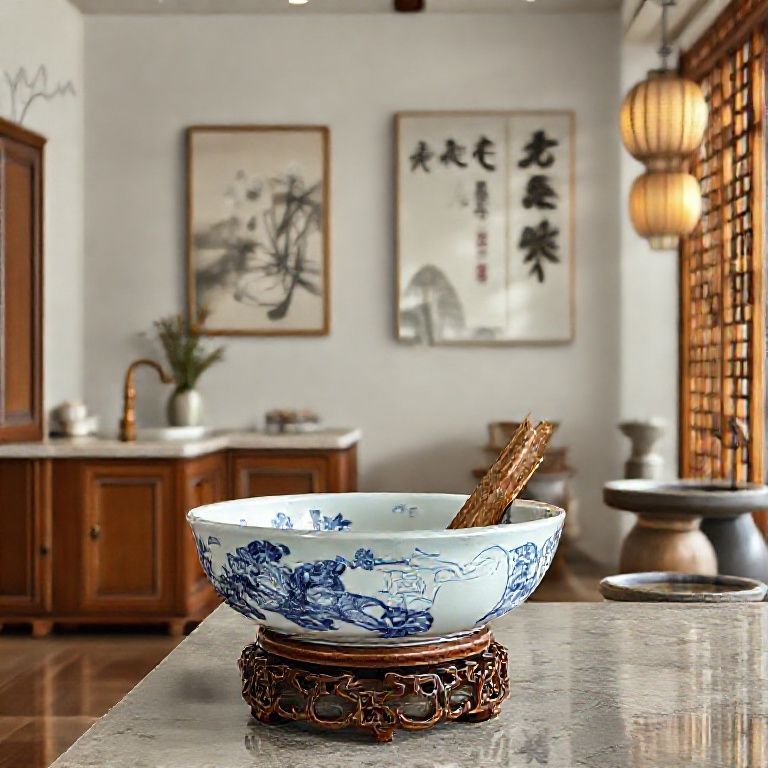
Artificial Stone: Artificial stone, also known as cultured stone, is a composite material made from a mixture of natural stone powder, resin, and other additives. It is crafted in a lab setting to mimic the appearance of natural stone such as marble, granite, and travertine. The process of creating artificial stone involves combining crushed stone powder with a polymer resin, which gives it the desired hardness and durability.
Quartz: Quartz, on the other hand, is a type of natural stone made from 94% crystalline silica. It is manufactured by a process called compression molding, where silica sand, polymer, pigments, and other additives are heated and pressed together. The result is a solid surface that is both sleek and durable. Quartz countertops are known for their consistent look and feel, free from the variations that occur naturally in stone.
Cost Analysis
When considering the cost of countertops, it’s essential to understand the price differences between artificial stone and quartz.
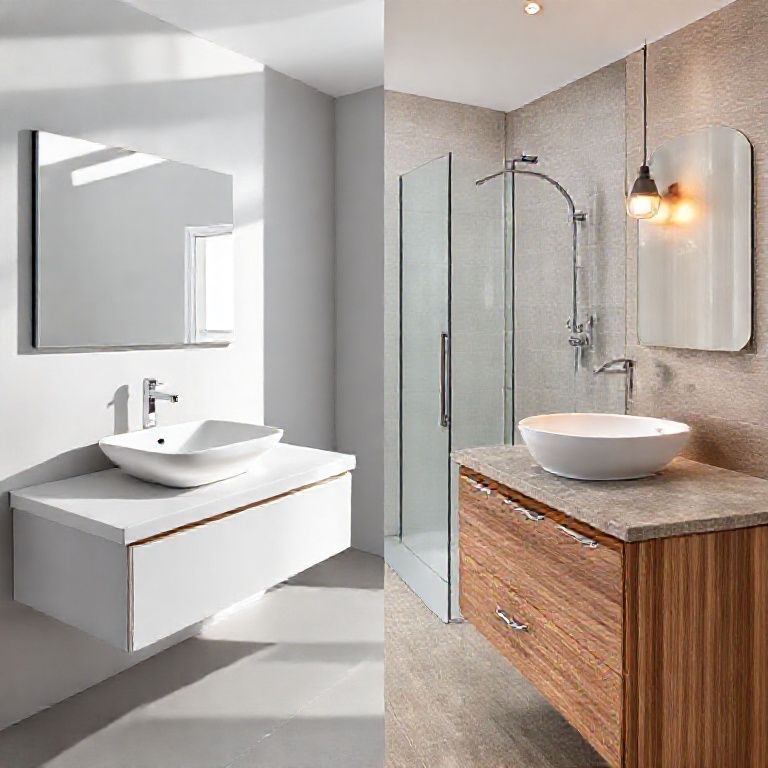
Artificial Stone: The cost of artificial stone countertops can vary widely depending on the brand, design, and intricacy of the patterns. On average, artificial stone can range from $40 to $70 per square foot. High-end designs and custom colors can push the price upwards, potentially reaching $100 per square foot or more.
Quartz: Quartz countertops typically range from $60 to $150 per square foot. The high-end luxury options can exceed $150 per square foot, depending on the design and specific color choices. The premium pricing of quartz is often justified by its superior durability and low maintenance requirements.
Durability and Strength
Artificial Stone: Artificial stone is known for its impressive durability and resistance to scratches and stains. However, it is not as hard as natural stone. While it can withstand most everyday wear and tear, it is not as scratch-resistant as quartz or granite.
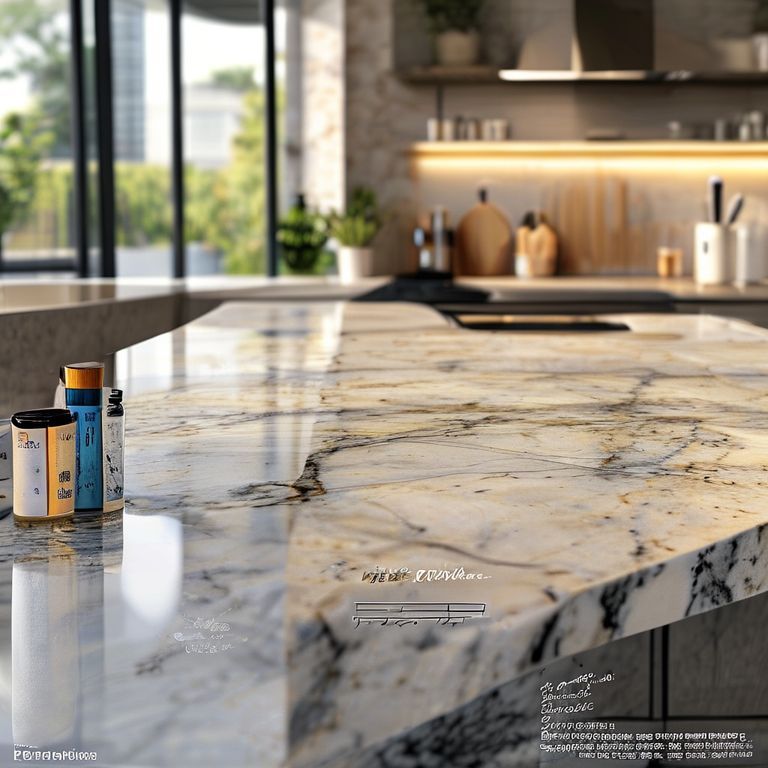
Quartz: Quartz is renowned for its unmatched durability. It boasts a Mohs hardness rating of 7, making it extremely resistant to scratches, stains, and scratches. This makes quartz an excellent choice for high-traffic areas like kitchens, where spills and daily use are common. Its chemical resistance ensures that most household cleaners and acidic foods do not damage the surface.
Maintenance Requirements
Artificial Stone: Artificial stone countertops require moderate maintenance. Regular cleaning with a soft, damp cloth and mild soap is generally sufficient. It is important to avoid using abrasive cleaners or tools, as they can scratch the surface. For deeper cleaning, a specialized cleaner for cultured stone can be used, but sparingly.
Quartz: Quartz countertops are incredibly low maintenance. They only require regular cleaning with a mild soap and water solution. Unlike artificial stone, quartz does not need special cleaners as it is resistant to most stains, scratches, and acids. This low maintenance nature adds to its appeal, especially for busy households.
Conclusion
Both artificial stone and quartz offer remarkable benefits that cater to different needs and preferences. While artificial stone provides a more affordable option with a wide range of design possibilities, quartz stands out for its unmatched durability and low maintenance requirements. The choice between the two largely depends on your budget, desired aesthetic, and maintenance preferences.
In the next part of our comparison, we will delve deeper into the aesthetic appeal, installation considerations, and long-term value of these countertops to help you make an even more informed decision.
Aesthetic Appeal, Installation, and Long-Term Value
Aesthetic Appeal
Artificial Stone: Artificial stone offers a vast array of design possibilities. Mimicking the look of natural stones such as marble, granite, and travertine, artificial stone can replicate the unique veins and patterns found in natural stone. This versatility allows for a wide range of color choices and finishes, providing flexibility in design. However, it is important to note that the appearance can vary based on the manufacturer and the specific formulation used.
Quartz: Quartz is celebrated for its sleek, modern look. Available in over 400 colors and finishes, quartz countertops offer a consistent, uniform appearance. The ability to blend seamlessly into various design schemes makes quartz a popular choice for both contemporary and traditional interiors. The high-gloss finish of quartz adds to its modern aesthetic appeal, making it a standout choice for those looking for a luxurious, high-end look.
Installation Considerations
Artificial Stone: The installation of artificial stone countertops can vary based on the design and thickness of the material. Typically, cultured stone slabs are cut to size in the factory and then installed on the countertop. Installation usually requires a thin adhesive to secure the slab to the countertop base. While professional installation is recommended to ensure a seamless look, the process is generally straightforward and does not require specialized skills.
Quartz: Quartz countertops are known for their ease of installation. The solid surface nature of quartz makes it straightforward to cut and install. Most quartz slabs are installed using a thin set mortar or a specialized adhesive that provides a seamless, invisible bond. The uniform thickness of quartz slabs also allows for a quick and precise installation process. Professional installation is highly recommended to ensure a flawless finish.
Long-Term Value
Artificial Stone: While artificial stone offers a cost-effective solution with a variety of design options, its long-term value is somewhat dependent on maintenance and potential wear over time. Despite its durability, artificial stone is not as scratch-resistant as quartz and requires regular cleaning to maintain its appearance. The longevity of artificial stone countertops can vary based on usage and maintenance.
Quartz: Quartz countertops provide exceptional long-term value due to their durability, low maintenance requirements, and resistance to stains and scratches. The longevity of quartz is virtually limitless, with many homeowners reporting that their quartz countertops remain in pristine condition for decades. The low maintenance nature of quartz, combined with its resistance to damage, makes it a highly cost-effective choice over time.
Environmental Impact
Artificial Stone: Artificial stone is an eco-friendly alternative to natural stone. The production process of cultured stone involves significantly less waste and energy compared to mining and processing natural stone. Additionally, artificial stone can incorporate recycled materials, further reducing its environmental impact.
Quartz: Quartz countertops also offer environmental benefits. The production process is designed to minimize waste and energy use, and the solid surface material is durable and long-lasting, reducing the need for frequent replacements. However, the energy-intensive process of manufacturing quartz from silica sand means that its environmental impact is somewhat higher compared to artificial stone.
Final Thoughts
Deciding between artificial stone and quartz countertops ultimately comes down to a balance between cost, design, durability, and maintenance. Artificial stone offers a more affordable option with versatile design possibilities, while quartz provides unmatched durability and low maintenance requirements. Considering these factors, it is clear that while both materials have their merits, quartz often edges out in terms of overall value and long-term benefits.
By weighing the aesthetic appeal, installation ease, and long-term value, you can make a well-informed decision that best suits your needs and preferences. Whether you opt for the cost-effective and versatile artificial stone or the durable and luxurious quartz, both materials offer high-quality, stylish solutions for your kitchen or bathroom countertops.
应用场景
人造石: 人造石因其仿制自然石的外观而广泛应用于各种装饰和建筑材料。它适用于:
厨房台面: 由于其相对较低的成本,人造石在厨房台面中非常常见。虽然它不如石英石那样耐用,但其多样的颜色和图案选择使其成为设计师的热门选择。 浴室台面: 在浴室中,人造石也常用于洗脸盆台面和其他需要耐水的表面。 室内装饰: 人造石板材也常用于室内装饰,如墙面、柜台、护栏等。
石英石: 石英石因其卓越的耐用性和美观性,广泛应用于:
厨房台面: 石英石台面在厨房中非常受欢迎,特别是在现代和时尚的设计中。它的高耐用性和易于清洁的特性使其成为厨房台面的理想选择。 浴室台面: 石英石台面也广泛用于浴室,尤其是浴缸、洗脸盆台面和其他高湿度区域。 商业空间: 在办公室、餐厅、酒店等商业空间,石英石台面以其高端的外观和易于维护的特性备受青睐。
耐用性和维护
人造石: 人造石在耐用性方面稍逊于石英石。虽然它具有一定的抗刮擦和抗污性,但它不如石英石那样耐高温和抗冲击。因此,人造石在高度使用的区域,如厨房和浴室,可能需要更频繁的维护和修复。人造石在长期暴露于酸性液体(如柠檬汁或醋)时可能会发生轻微腐蚀。
石英石: 石英石是一种极其耐用的材料,具有极高的抗刮擦、抗污和抗高温能力。它不会因为酸性或碱性物质的长期接触而损坏,这使其成为各种高流量和高使用频率的区域的理想选择。石英石的表面还经过特殊处理,以防止油污和污渍的渗入,只需简单的清洁即可保持其光泽和美观。
环境影响
人造石: 人造石的制造过程相对环保,因为它使用了大量的回收材料和再生石料。它的生产过程中产生的废弃物较少,并且可以在需要时进行回收和再利用。
石英石: 石英石的制造过程更加能源密集,因为它需要将大量的硅砂和其他成分高温压制。石英石台面的使用寿命长,减少了频繁更换的需求,从而在长远来看,其环境影响可能会相对较小。
总结
选择人造石还是石英石台面主要取决于您的具体需求、预算和设计偏好。人造石以其多样的颜色和图案,以及相对较低的成本,是一个经济实惠的选择。而石英石则以其卓越的耐用性、易于维护和高端的外观,吸引了那些追求高品质和长久使用的消费者。
无论选择哪种材料,都应考虑其在特定应用场景中的表现和维护需求,以确保获得最佳的使用体验。