Introduction to Artificial Stone and Quartz Countertops
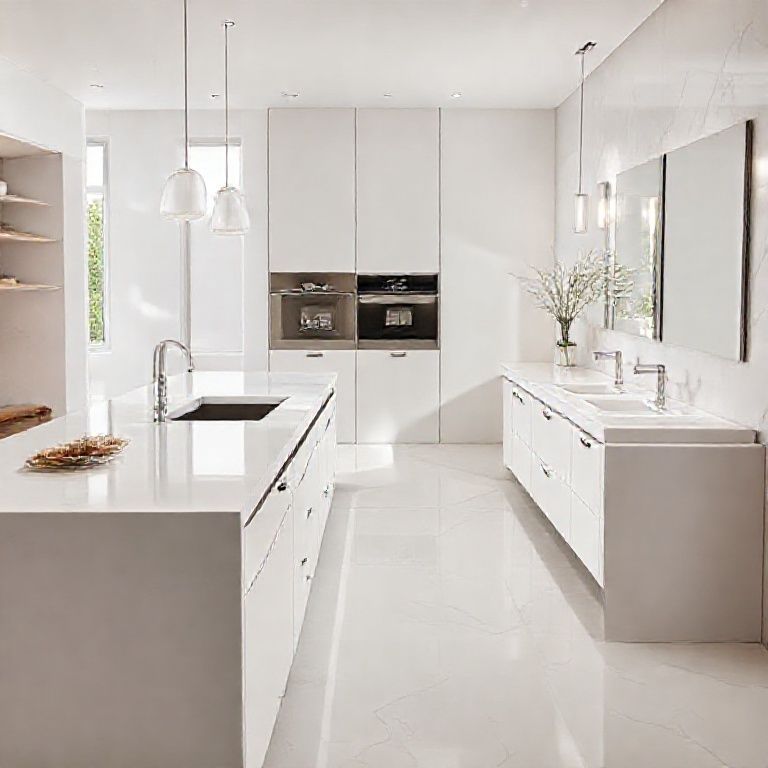
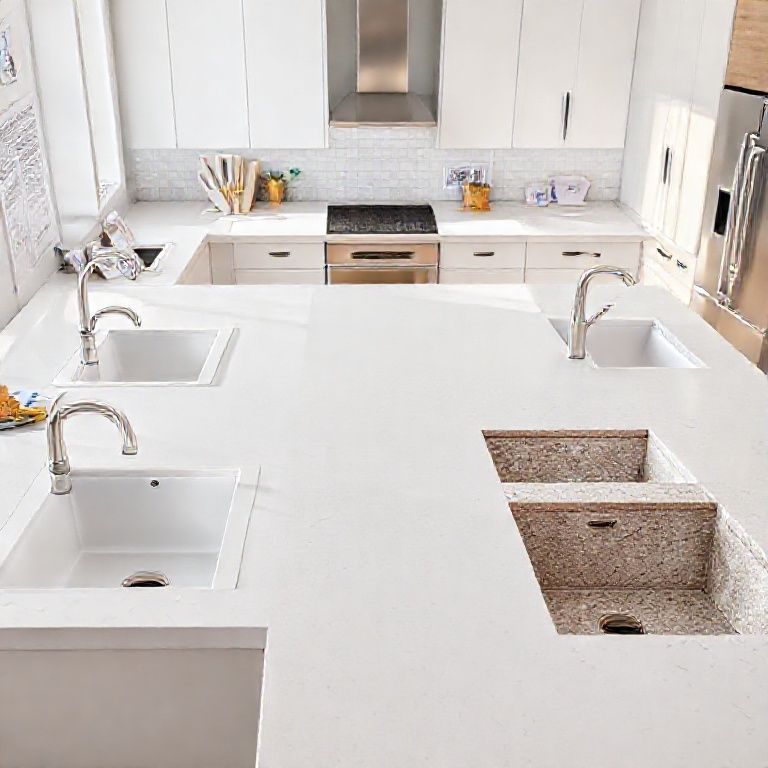
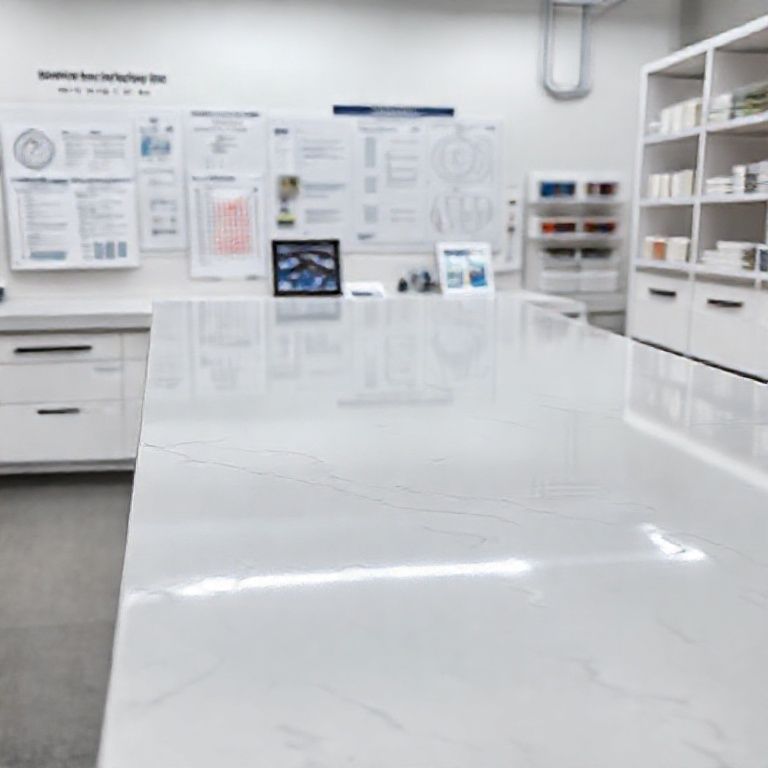
In the contemporary world of kitchen and bathroom design, countertop selection is a pivotal decision that impacts both functionality and aesthetics. Among the myriad options available, artificial stone and quartz countertops stand out for their durability, beauty, and versatility. But which one should you choose? To help you make an informed decision, we will explore the characteristics, advantages, and limitations of both materials.
Artificial Stone Countertops: A Blend of Tradition and Innovation
Artificial stone countertops, also known as cultured stone, are a blend of natural stone and resin. This combination creates a material that mimics the look and feel of natural stone while offering superior durability and flexibility. Let’s dive deeper into what makes artificial stone a popular choice.
Durability and Maintenance
One of the most significant advantages of artificial stone is its impressive durability. Unlike natural stone, which can be prone to chips and scratches, artificial stone is much more resistant to wear and tear. It is also less likely to develop stains and scratches, making it an excellent choice for high-traffic areas. This durability translates to a longer lifespan, reducing the need for frequent repairs or replacements.
In terms of maintenance, artificial stone countertops are relatively low-maintenance. They are easy to clean and do not require sealing or regular maintenance like natural stone. This simplicity makes them an attractive option for busy households.
Aesthetic Versatility
Artificial stone comes in a wide range of colors and patterns, allowing for a high degree of customization. You can choose from traditional marble looks to more contemporary designs. The flexibility in design means that artificial stone can complement a variety of styles, from rustic to modern, ensuring that it fits seamlessly into any kitchen or bathroom decor.
Cost-Effectiveness
Another significant benefit of artificial stone is its cost-effectiveness. Generally, artificial stone countertops are more affordable than their natural stone counterparts. This makes them accessible to a broader range of homeowners who want the look of luxury without the high price tag.
Quartz Countertops: A Modern Marvel
Quartz countertops, on the other hand, are a relatively new innovation that has quickly gained popularity due to their remarkable properties. Manufactured by combining 93% quartz crystals with resin, quartz offers a flawless, seamless look that is incredibly durable.
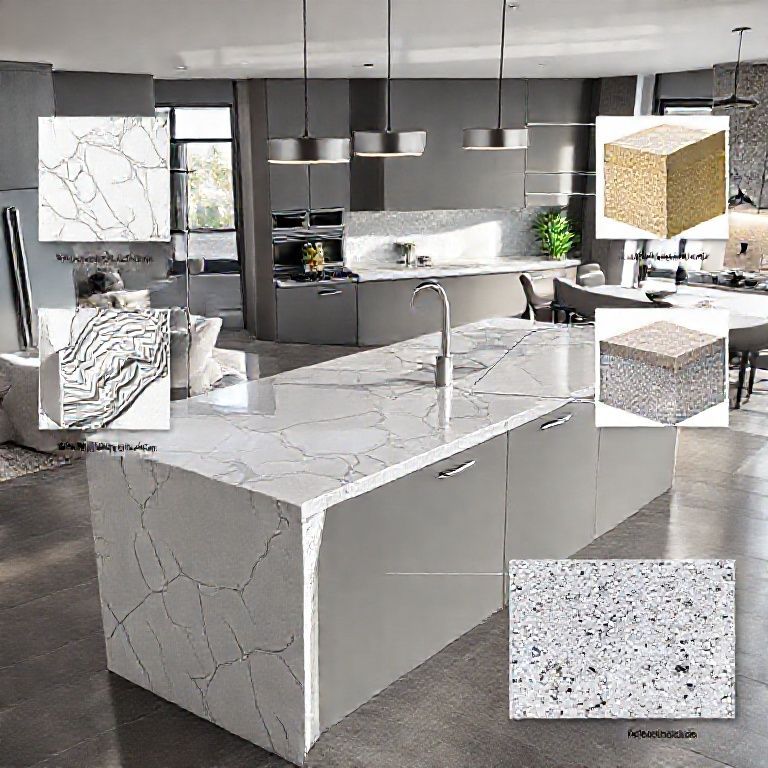
Unmatched Durability and Scratch Resistance
Quartz countertops are renowned for their durability. They are incredibly scratch-resistant, making them ideal for households with children or pets. Quartz does not stain, chip, or scratch, which means it maintains its pristine appearance over time. This durability makes quartz a long-lasting investment that can withstand heavy use without showing signs of wear.
Low Maintenance
In terms of maintenance, quartz is a dream to care for. It is non-porous, which means that spills and stains do not penetrate the surface. Cleaning a quartz countertop is as simple as wiping it down with a damp cloth and a mild soap solution. This low-maintenance feature is particularly appealing to busy homeowners who do not have the time or inclination for extensive cleaning routines.
Aesthetic Appeal
Quartz countertops offer an unparalleled aesthetic appeal. The material comes in a vast array of colors, patterns, and finishes, allowing for an infinite number of design possibilities. Whether you prefer a sleek, monochromatic look or a complex, multi-colored design, quartz can be customized to fit your vision perfectly.
Cost Considerations
While quartz countertops are generally more expensive than artificial stone, they offer excellent value for their durability and low maintenance. The initial investment is higher, but the long-term benefits often justify the cost. Additionally, the durability of quartz means fewer repairs and replacements over time, which can offset the higher upfront cost.
Conclusion
When choosing between artificial stone and quartz countertops, it’s essential to consider your specific needs and preferences. Both materials offer unique advantages that can enhance the beauty and functionality of your kitchen or bathroom. Artificial stone provides a cost-effective, versatile option with impressive durability, while quartz offers unmatched durability, low maintenance, and aesthetic versatility.
In the next part, we will delve deeper into specific scenarios where one material might be more advantageous than the other, providing you with a comprehensive understanding to make an informed decision.
Comparative Analysis: When to Choose Artificial Stone vs. Quartz
Having explored the individual characteristics of artificial stone and quartz countertops, let’s delve into specific scenarios where one material might be more advantageous than the other. This will provide you with a comprehensive understanding to make an informed decision based on your unique needs and preferences.
Scenario 1: Budget Constraints
If budget constraints are a significant concern, artificial stone is often the more cost-effective option. As previously mentioned, artificial stone countertops are generally more affordable than quartz. This makes them accessible to a wider range of homeowners who want to achieve a luxurious look without exceeding their budget.
Advantages of Artificial Stone in Budget Scenarios
Cost-Effectiveness: Artificial stone offers a range of beautiful designs at a lower price point. Accessibility: With its affordability, artificial stone allows for a higher budget allocation towards other home improvement projects.
Scenario 2: High-Traffic Areas
For high-traffic areas such as kitchens and dining rooms, where durability is paramount, both artificial stone and quartz offer impressive resistance to wear and tear. However, quartz generally edges out in terms of scratch and stain resistance.
Advantages of Quartz in High-Traffic Areas
Scratch and Stain Resistance: Quartz is virtually indestructible, maintaining its pristine appearance over time. Low Maintenance: The non-porous nature of quartz means it is easy to clean and maintain, making it ideal for busy households.
Advantages of Artificial Stone in High-Traffic Areas
Durability: Artificial stone is highly durable and resistant to wear and tear, making it suitable for areas with heavy use. Aesthetic Versatility: Artificial stone offers a wide range of designs, allowing for customization to fit specific needs and preferences.
Scenario 3: Design and Aesthetics
When it comes to design and aesthetics, both materials offer unique possibilities. Quartz, with its vast array of colors and patterns, allows for endless design options, making it ideal for those looking for a truly custom look. Artificial stone also offers a wide range of designs, but quartz’s seamless, flawless surface often provides a more modern, sleek appearance.
Advantages of Quartz for Design and Aesthetics
Vast Design Options: Quartz offers an extensive range of colors, patterns, and finishes, allowing for highly customized designs. Modern Look: The sleek, seamless appearance of quartz often complements modern and contemporary designs.
Advantages of Artificial Stone for Design and Aesthetics
Traditional and Contemporary Styles: Artificial stone can mimic traditional stone looks or offer contemporary designs, providing versatility. Customization: Artificial stone allows for a high degree of customization in terms of color and pattern.
Scenario 4: Environmental Impact
An increasingly important consideration for many homeowners is the environmental impact of their choices. Both artificial stone and quartz have their environmental implications, but quartz generally scores better in terms of sustainability.
Advantages of Quartz in Terms of Environmental Impact
Less Resource Intensive: Quartz is manufactured from natural quartz crystals and resin, making it a more sustainable option compared to the extraction and processing of natural stone used in artificial stone. Durability: The long lifespan of quartz reduces the need for frequent replacements, which is better for the environment.
Advantages of Artificial Stone in Terms of Environmental Impact
Recyclability: Some components of artificial stone can be recycled, contributing to a more sustainable production cycle.
Final Thoughts
When deciding between artificial stone and quartz countertops, it’s essential to weigh your specific needs, preferences, and budget. Artificial stone offers a cost-effective, versatile option with impressive durability, while quartz provides unmatched durability, low maintenance, and aesthetic versatility.
Ultimately, the choice between artificial stone and quartz countertops will depend on your individual priorities. Whether you are looking for budget-friendly options, superior durability, or a highly customizable design, both materials offer unique advantages that can enhance the beauty and functionality of your kitchen or bathroom.
In making your decision, consider the specific scenarios that apply to your home and lifestyle. By doing so, you can choose the material that best fits your needs and provides the long-lasting beauty and functionality you desire.
This comprehensive guide should help you make an informed decision about whether artificial stone or quartz countertops are the right choice for your home. Both materials have their unique strengths and can offer exceptional value depending on your specific requirements.