Choosing Between Artificial Stone Countertops and Quartz Stone Countertops
When it comes to selecting countertops for your kitchen or bathroom, the choices can be overwhelming. Among the most popular options are artificial stone and quartz stone countertops. Both materials offer unique benefits and have their own set of drawbacks. Let’s explore these two materials in detail to understand their advantages and disadvantages, helping you make an informed decision.
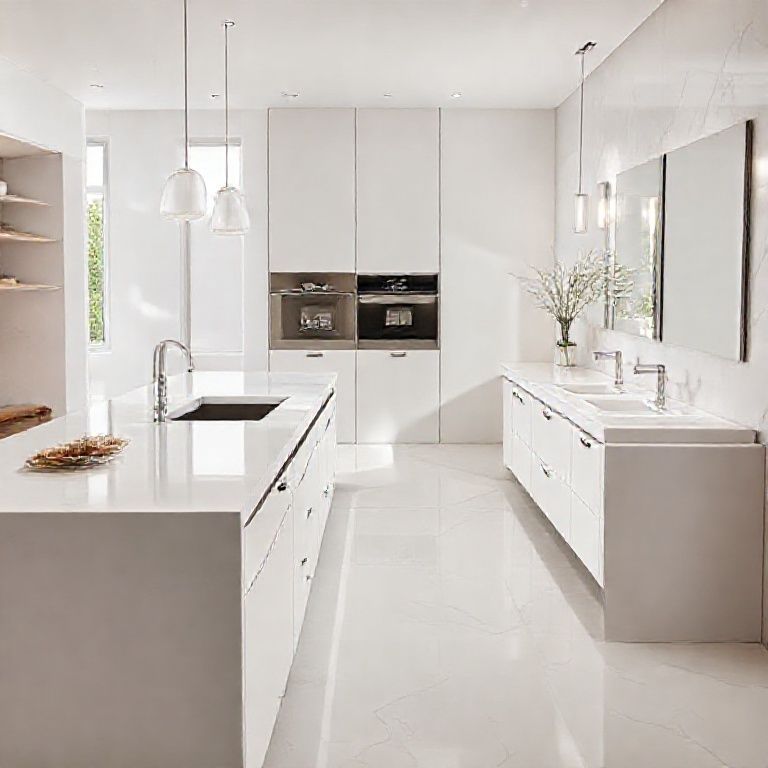
Artificial Stone Countertops
Durability: Artificial stone, also known as cultured marble, is made from a mixture of limestone, quartz, and other minerals, bonded together with resin. This combination creates a dense material that is surprisingly durable. While not as tough as natural stone, artificial stone countertops are resistant to scratches, stains, and chips. They offer a good balance between durability and cost.
Maintenance: One of the standout features of artificial stone is its low maintenance requirements. Unlike natural stone, which needs regular sealing to maintain its appearance and repel stains, artificial stone only requires occasional cleaning with a mild detergent and water. This makes it an excellent choice for busy households.
Design Versatility: Artificial stone countertops come in a wide range of colors and patterns, allowing for a high degree of design flexibility. This makes it easier to match your countertops with existing cabinetry and fixtures. Additionally, artificial stone can be cut into any shape, making it suitable for custom designs and unique layouts.
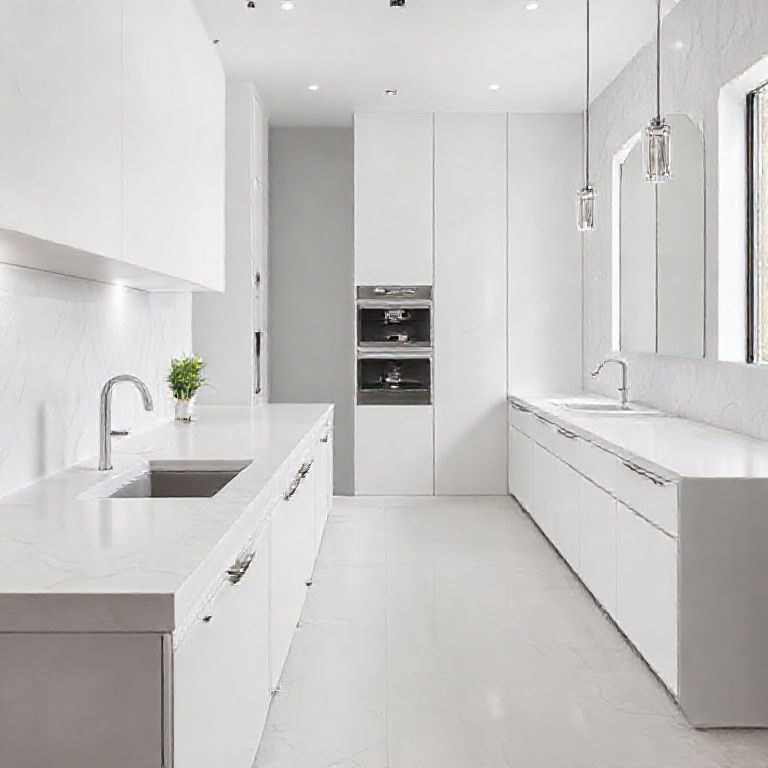
Cost: Artificial stone countertops are generally more affordable than quartz and many other natural stone options. This makes them a popular choice for those looking for high-quality countertops without breaking the bank.
Drawbacks: While artificial stone is durable, it is not as scratch-resistant as quartz. It can also develop light stains over time, which may require professional cleaning to remove. Additionally, the resin used in artificial stone can sometimes emit volatile organic compounds (VOCs), which might cause indoor air quality issues.
Quartz Stone Countertops
Durability: Quartz is a synthetic stone made from 93% quartz powder and bonded with resin. This composition gives quartz countertops an exceptional level of durability. They are highly scratch-resistant and can withstand heavy use without showing signs of wear. Quartz is also resistant to stains, making it a popular choice for high-traffic areas.
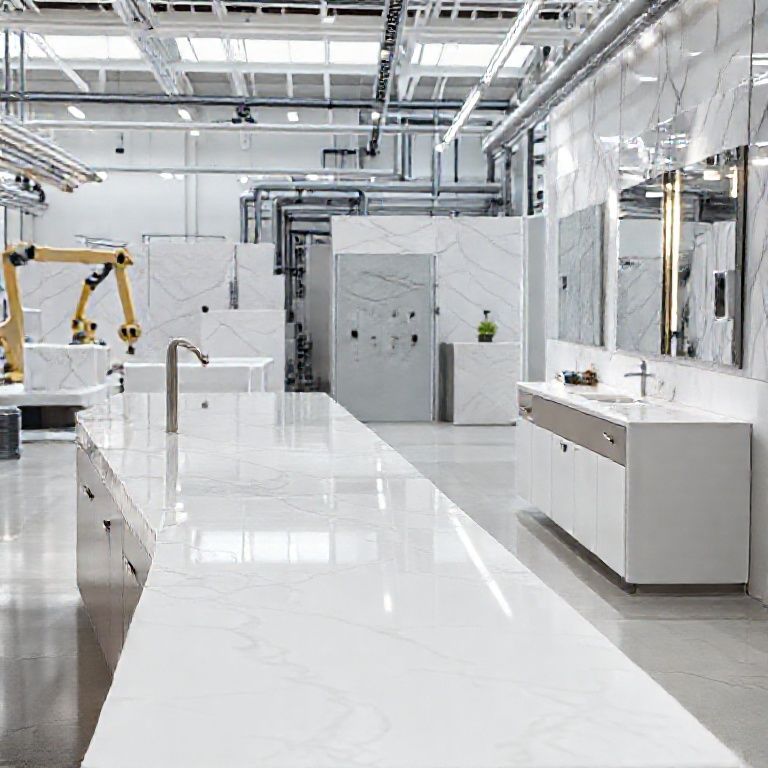
Maintenance: Quartz countertops require minimal maintenance. They are easy to clean with mild soap and water, and because they are resistant to stains, they maintain their appearance over time. Regular cleaning will keep them looking pristine and new.
Design Versatility: Quartz countertops offer an extensive range of colors and patterns, often exceeding those available in artificial stone. The material’s uniform nature allows for seamless integration with various design styles, from modern to traditional. Quartz’s versatility makes it suitable for any aesthetic preference.
Cost: While quartz countertops are more expensive than artificial stone, the investment is often justified by their durability and low maintenance. High-quality quartz countertops can last for decades, making them a long-term investment.
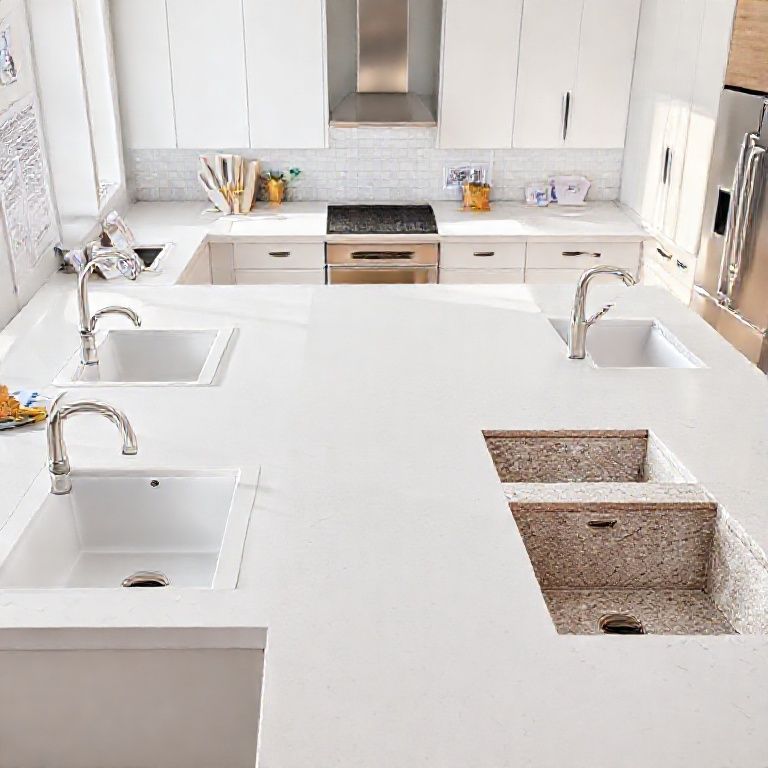
Drawbacks: The main drawback of quartz countertops is their cost. They are significantly more expensive than artificial stone and many other countertop materials. Additionally, since quartz is a harder material, it can be more challenging to cut and shape, which may increase installation costs.
Conclusion
Choosing between artificial stone and quartz stone countertops depends on various factors, including durability, maintenance, design versatility, and cost. Artificial stone offers a good balance of durability and cost-effectiveness, with easy maintenance and a wide range of design options. On the other hand, quartz stone provides superior durability, low maintenance, and an extensive range of aesthetic possibilities, albeit at a higher cost.
In the next part, we will further compare these two materials based on specific scenarios such as kitchen use, bathroom use, and long-term investment considerations. By understanding the detailed benefits and drawbacks of each, you will be better equipped to make an informed decision that suits your needs and preferences.
Making the Final Decision: Artificial Stone vs. Quartz Stone Countertops
After delving into the details of artificial stone and quartz stone countertops in part one, it’s time to make a more nuanced comparison. This final part will focus on specific scenarios, including kitchen use, bathroom use, and long-term investment considerations, to help you determine which material is the best fit for your home.
Kitchen Use
Artificial Stone: In the kitchen, where countertops are subject to heavy use, spills, and grease, artificial stone offers a practical solution. Its durability, combined with low maintenance requirements, makes it a reliable choice for kitchen surfaces. The variety of colors and patterns available allows for a personalized kitchen design. However, the slight vulnerability to light stains and scratches should be considered.
Quartz Stone: Quartz countertops are highly durable and resistant to scratches and stains, making them ideal for kitchens. They can handle the constant exposure to food, liquids, and cooking oils without showing signs of wear. Their low maintenance requirement ensures that they will remain looking new over time. The only downside is the higher cost and potential difficulty in cutting and installation.
Bathroom Use
Artificial Stone: In bathrooms, where countertops are frequently exposed to water and cleaning agents, artificial stone’s low maintenance and durability are advantageous. It is resistant to mold and mildew, which is essential in a humid environment. However, the potential for light stains and the slightly higher cost compared to some other materials should be weighed.
Quartz Stone: Quartz countertops are also excellent for bathrooms due to their resistance to water and cleaning agents. They do not absorb moisture, which makes them ideal for areas prone to spills and splashes. Their scratch and stain resistance ensure that they maintain their pristine look even in high-moisture environments. The primary consideration here is the higher cost.
Long-Term Investment
Artificial Stone: Artificial stone provides a good balance between cost and durability. While it may not last as long as quartz, it offers a cost-effective solution that can still provide many years of service. The low maintenance requirements further reduce long-term costs associated with cleaning and upkeep. However, potential issues like light stains and VOCs should be factored into the long-term investment.
Quartz Stone: For those looking at a long-term investment, quartz countertops are unmatched in terms of durability and low maintenance. They can last for decades, which makes them a highly cost-effective choice in the long run. The initial higher cost is offset by the longevity and minimal upkeep required. While the installation and cutting costs might be higher, the overall savings in maintenance and potential replacement costs make it a wise investment.
Final Thoughts
When deciding between artificial stone and quartz stone countertops, consider the specific needs and conditions of the space where the countertops will be installed. For kitchens and bathrooms, both materials offer distinct advantages and drawbacks.
Artificial Stone is an excellent choice for those seeking a cost-effective, low-maintenance option with good durability and a wide range of design possibilities. It’s perfect for those who want a practical, easy-to-clean surface without a significant upfront cost.
Quartz Stone stands out for its unmatched durability, scratch and stain resistance, and long-term investment benefits. While it comes with a higher price tag, the low maintenance and longevity make it worth the investment for those looking for a premium, low-maintenance surface.
By carefully weighing these factors and considering your specific needs and budget, you can make an informed decision that will enhance the beauty and functionality of your home for years to come.
In conclusion, both artificial stone and quartz stone countertops offer unique benefits that cater to different preferences and needs. Whether you prioritize cost, durability, or maintenance, there is a countertop material that will meet your requirements and elevate your home’s aesthetic.