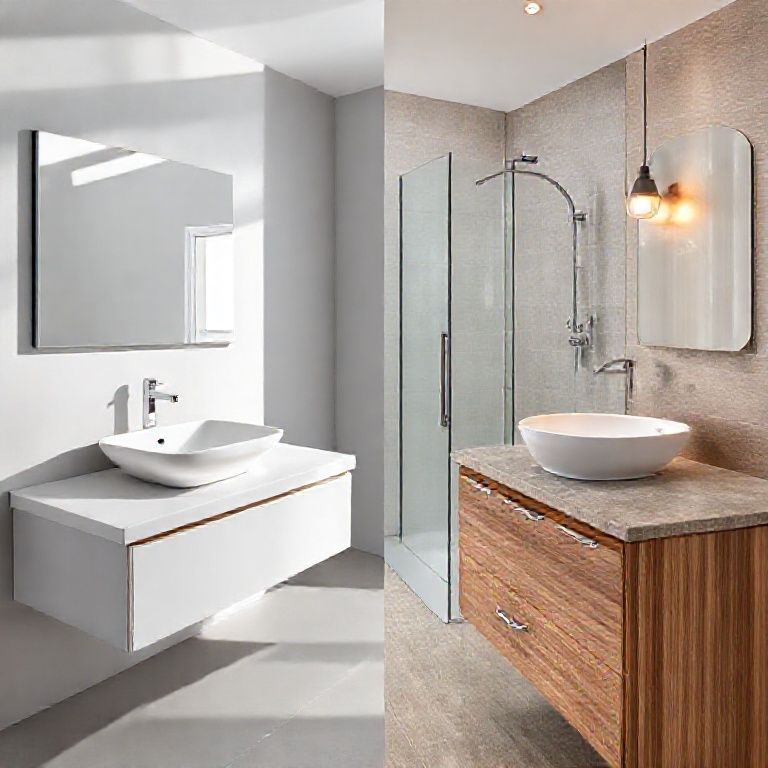
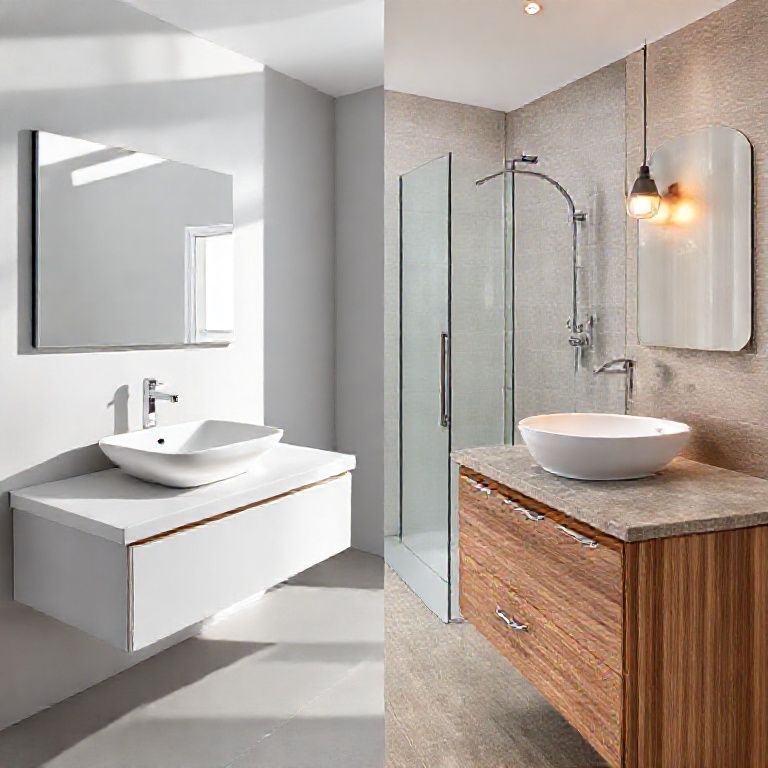
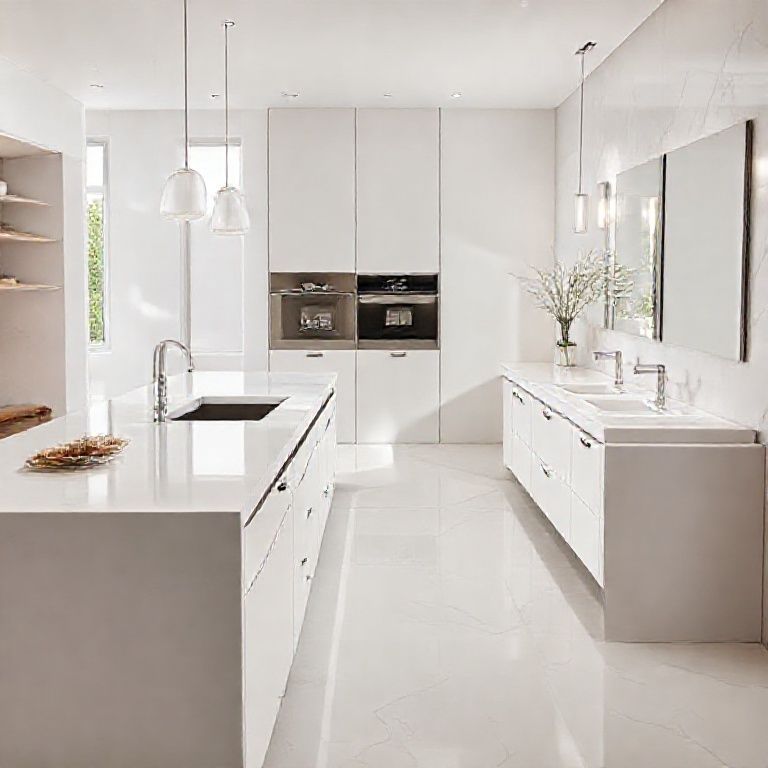
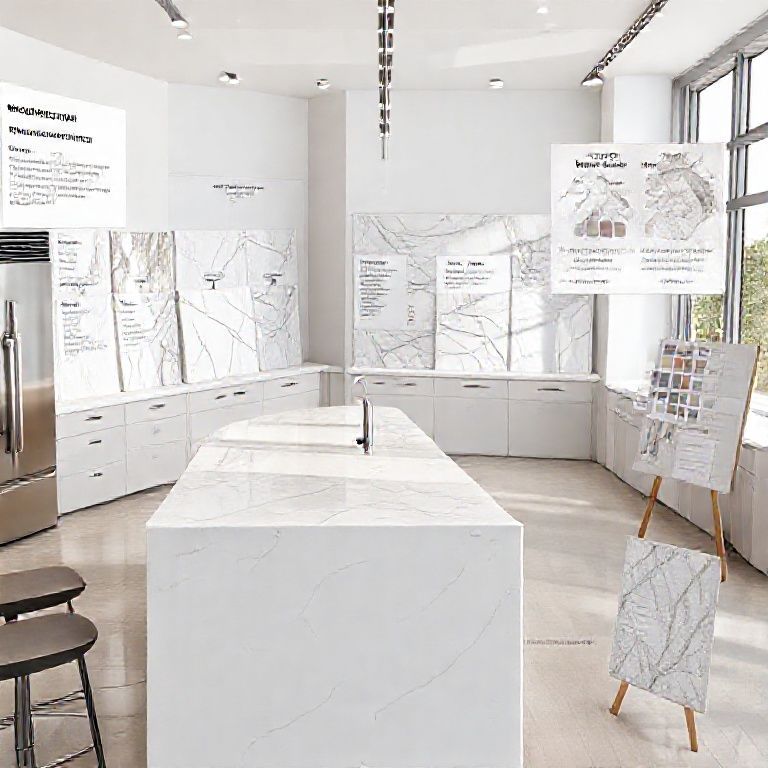
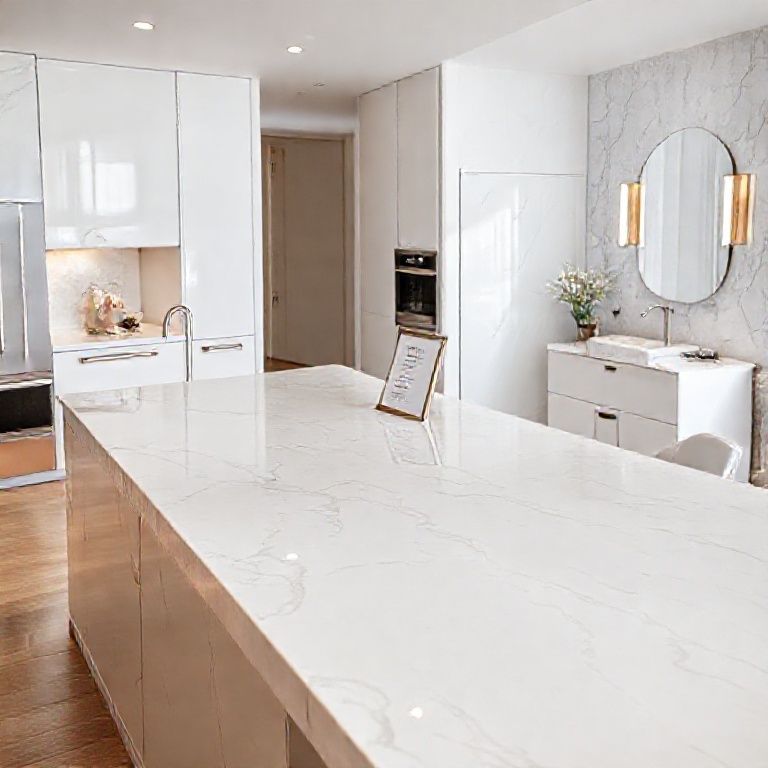
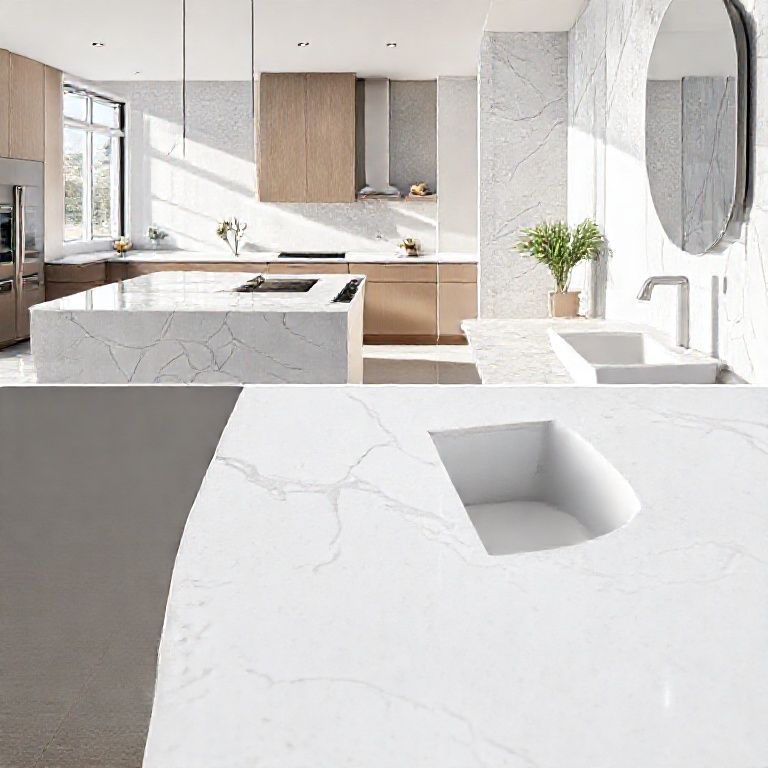
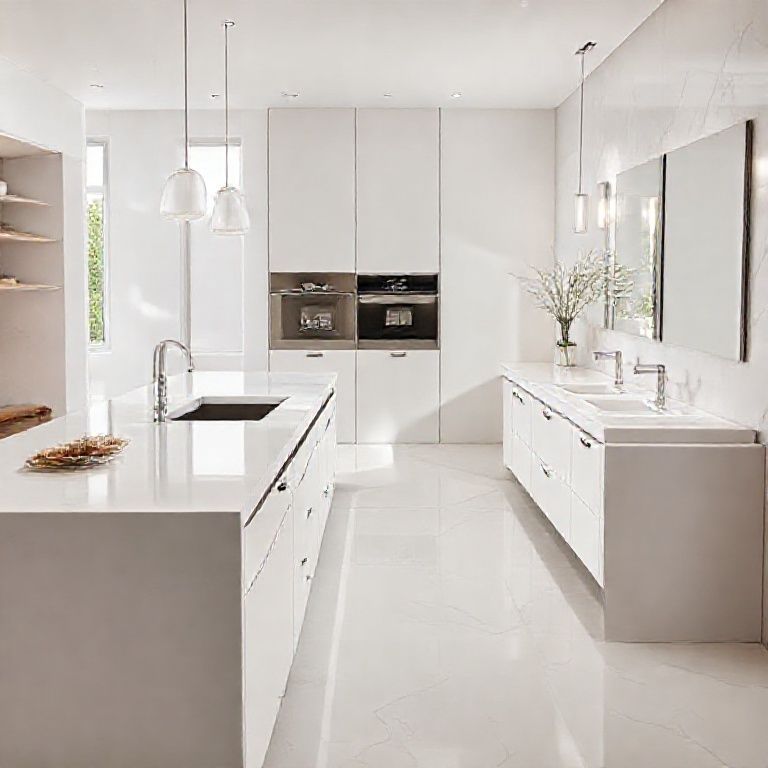
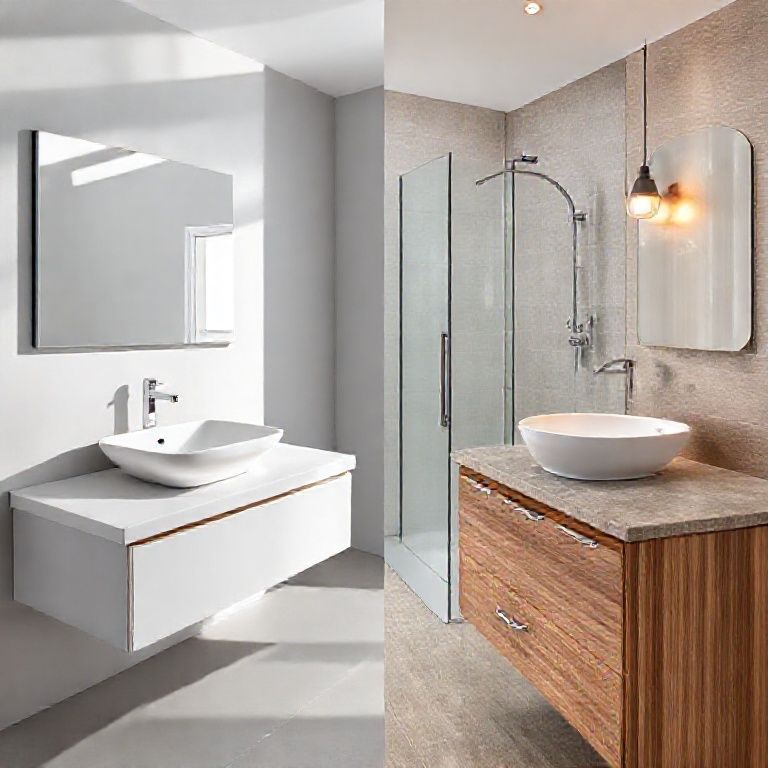
In the world of interior design and home improvement, selecting the right flooring type is crucial for both aesthetic appeal and practical benefits. This article delves into a detailed comparison between cantilever and slab flooring, exploring their unique features, advantages, and suitability for various spaces. Discover which flooring option might be the perfect fit for your home in two captivating parts.
cantilever flooring, slab flooring, flooring comparison, flooring options, interior design, durable flooring, modern flooring, home improvement, flooring benefits, best flooring
Cantilever vs. Slab Flooring: Unveiling the Intricacies
When it comes to flooring choices for modern homes, two popular options often stand out: cantilever flooring and slab flooring. Each type offers unique benefits that cater to different design aesthetics and functional requirements. This first part of our detailed comparison will explore the intricacies of these two flooring types, helping you understand their fundamental characteristics, installation processes, and initial costs.
Cantilever Flooring: An Overview
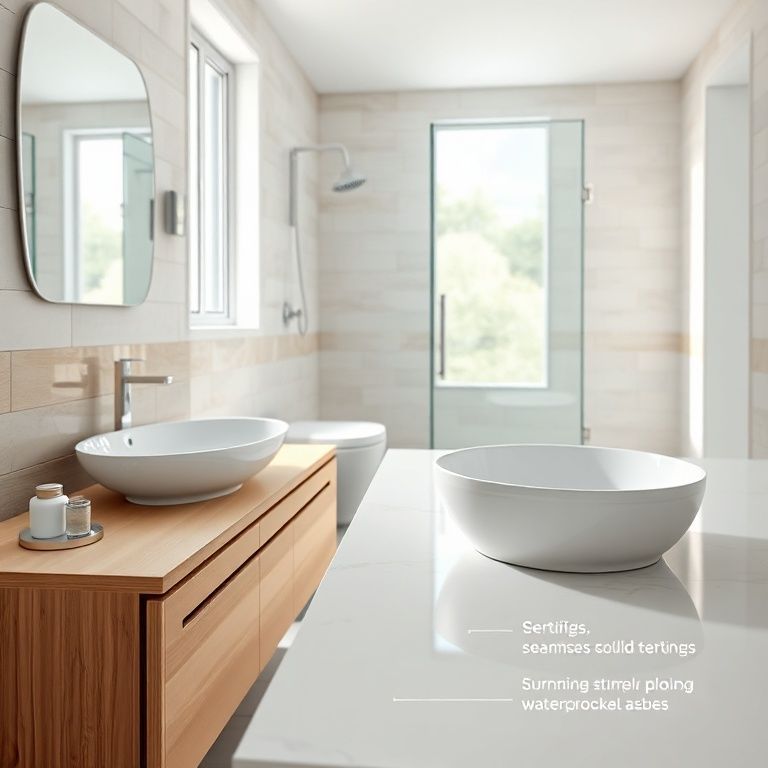
Cantilever flooring, often referred to as cantilevered or floating flooring, is a type of flooring system where the planks or tiles appear to float above the ground without visible support. This is achieved through a precise installation process that ensures the flooring components are perfectly aligned and secured to the subfloor without visible fasteners.
Advantages of Cantilever Flooring:
Aesthetic Appeal: Cantilever flooring provides a sleek, modern look that enhances the visual appeal of a space. The absence of visible fasteners or supports creates a clean, uninterrupted surface that looks elegant and contemporary.
Ease of Installation: The installation process for cantilever flooring is relatively straightforward. It often involves sliding the planks or tiles into place and securing them with specialized connectors, making it a user-friendly option for both professionals and DIY enthusiasts.
Flexibility in Design: Cantilever flooring allows for greater flexibility in design. It can easily accommodate different shapes, sizes, and patterns, enabling homeowners to create unique and customized floor layouts.
Slab Flooring: A Robust Option
Slab flooring, on the other hand, is a type of flooring where the floor surface is made from a single, continuous slab of material, often concrete. This type of flooring is known for its durability, longevity, and low maintenance.
Advantages of Slab Flooring:
Durability: One of the primary benefits of slab flooring is its exceptional durability. Made from materials like concrete, it can withstand heavy traffic, wear, and tear, making it an ideal choice for high-traffic areas.
Low Maintenance: Slab flooring is easy to clean and maintain. Unlike other flooring types that may require regular waxing or polishing, slab flooring only needs periodic cleaning with a damp cloth.
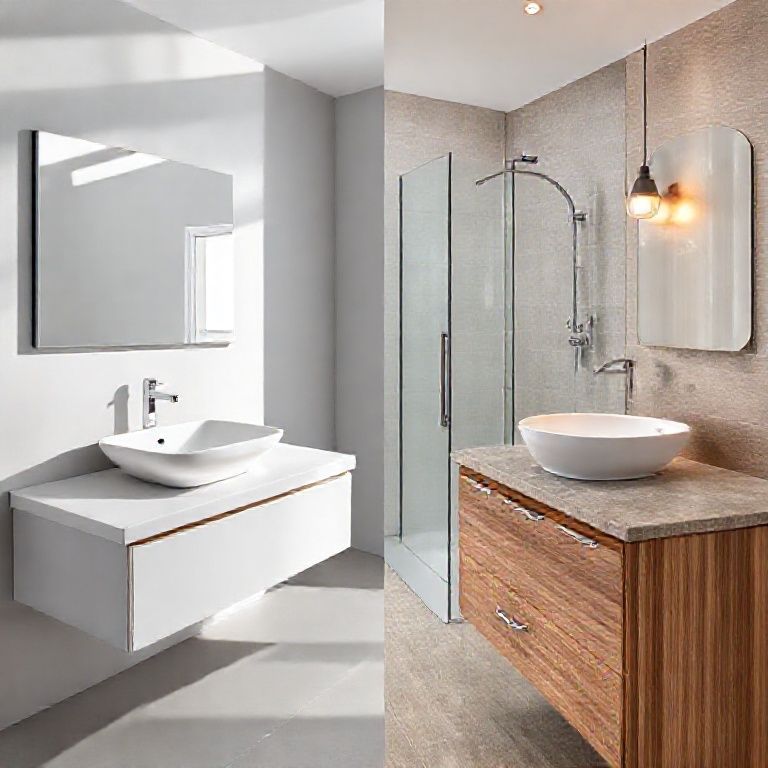
Cost-Effectiveness: In terms of long-term costs, slab flooring is often more economical. Its durability means it requires less frequent replacement, leading to significant savings over time.
Installation Processes and Initial Costs
Both cantilever and slab flooring have distinct installation processes and initial costs that can influence your decision.
Cantilever Flooring Installation:
The installation of cantilever flooring typically involves:
Preparing the subfloor to ensure it is level and free of imperfections. Aligning and securing the planks or tiles using specialized connectors. Ensuring a consistent gap between planks to allow for expansion and contraction.
The initial cost of cantilever flooring can vary depending on the materials used and the complexity of the installation. High-quality materials and professional installation can drive up the cost, but the aesthetic benefits often justify the expense.
Slab Flooring Installation:
Slab flooring installation usually includes:
Pouring a concrete mixture to create the slab. Allowing the concrete to cure and harden. Finishing the surface to achieve the desired texture and appearance.
The initial cost for slab flooring is generally lower than cantilever flooring, primarily due to the use of concrete and the simplicity of the installation process. However, the cost can vary based on the finishing techniques and the quality of the concrete used.
Conclusion
Understanding the fundamental differences between cantilever and slab flooring is essential for making an informed decision. While cantilever flooring offers a sleek, modern aesthetic with ease of installation and design flexibility, slab flooring provides unmatched durability, low maintenance, and cost-effectiveness. The next part of this comparison will delve deeper into the long-term benefits, maintenance requirements, and specific suitability of each flooring type for different environments.
Long-Term Benefits and Suitability: Which Flooring Wins?
Having explored the initial characteristics, advantages, and installation processes of cantilever and slab flooring in part one, we now turn our attention to the long-term benefits, maintenance requirements, and specific suitability of each flooring type for different environments. This final part will provide a comprehensive analysis to help you determine which flooring option is the best fit for your space.
Long-Term Benefits
Cantilever Flooring:
Aesthetic Longevity: While the initial appearance of cantilever flooring is modern and sleek, it is important to consider its long-term aesthetic appeal. Over time, scratches, dents, and wear can become more noticeable, especially if the flooring is not properly maintained. Regular maintenance, such as cleaning and minor repairs, can help preserve the look of cantilever flooring.
Warranty and Guarantees: Many cantilever flooring products come with warranties that cover defects in materials and workmanship. These warranties can provide peace of mind, knowing that any issues can be addressed at no additional cost.
Slab Flooring:
Durability and Longevity: The primary long-term benefit of slab flooring is its exceptional durability. Concrete slabs can last for decades with minimal maintenance. This longevity translates to long-term savings as there is less need for replacement and repairs.
Low Maintenance: The low maintenance aspect of slab flooring continues to be a significant benefit over time. The durability of concrete means that cleaning and upkeep are straightforward and infrequent, reducing ongoing costs and effort.
Maintenance Requirements
Cantilever Flooring Maintenance:
Cleaning: Regular cleaning of cantilever flooring is essential to maintain its appearance. Vacuuming or sweeping to remove dirt and debris is recommended. For deeper cleaning, specialized floor cleaners designed for the specific material of the cantilever flooring should be used.
Repairs: Over time, minor repairs such as replacing loose planks or fixing scratches may be necessary. Professional assistance might be required for more extensive repairs to ensure the integrity of the flooring is maintained.
Slab Flooring Maintenance:
Cleaning: Cleaning slab flooring is simple and can be done with a damp cloth and a mild cleaning solution. For tougher stains, specialized concrete cleaners can be used. Regular cleaning helps to prevent the buildup of dirt and grime, which can damage the surface over time.
Repairs: While slab flooring is durable, it is not immune to damage. Cracks, chips, and scratches can occur, especially in high-traffic areas. These issues can often be repaired using concrete patching compounds or by resurfacing the slab for a fresh, new look.
Suitability for Different Environments
Cantilever Flooring Suitability:
Residential Homes: Cantilever flooring is highly suitable for residential homes, especially in areas where a modern, minimalist aesthetic is desired. It works well in living rooms, bedrooms, and hallways where a clean, floating appearance is appealing.
Commercial Spaces: Cantilever flooring can also be used in commercial spaces such as offices, retail stores, and restaurants. Its aesthetic appeal can enhance the overall look of these environments, making them more inviting and modern.
Slab Flooring Suitability:
High-Traffic Areas: Slab flooring is ideal for high-traffic areas such as kitchens, bathrooms, and hallways where durability is paramount. The concrete material can withstand heavy use and frequent cleaning, making it a practical choice for these spaces.
Outdoor Spaces: For outdoor spaces like patios, porches, and driveways, slab flooring is an excellent choice. Its durability ensures it can endure the elements, and its low maintenance requirements make it easy to care for even in outdoor environments.
Conclusion
In conclusion, both cantilever and slab flooring offer unique benefits that cater to different design preferences and functional needs. Cantilever flooring excels in providing a sleek, modern aesthetic with ease of installation and design flexibility, making it suitable for residential and commercial spaces where appearance is a priority. On the other hand, slab flooring stands out for its exceptional durability, low maintenance, and cost-effectiveness, making it ideal for high-traffic areas and outdoor spaces where longevity and practicality are paramount.
Ultimately, the choice between cantilever and slab flooring depends on your specific needs, preferences, and the environment in which the flooring will be installed. By considering the long-term benefits, maintenance requirements, and suitability for different spaces, you can make an informed decision that will enhance the beauty and functionality of your home or business.
This comprehensive comparison should help you decide which flooring option is best suited for your unique needs and preferences. Whether you are looking for a modern, floating aesthetic or a durable, low-maintenance solution, understanding the nuances of cantilever and slab flooring will guide you to the perfect choice for your space.