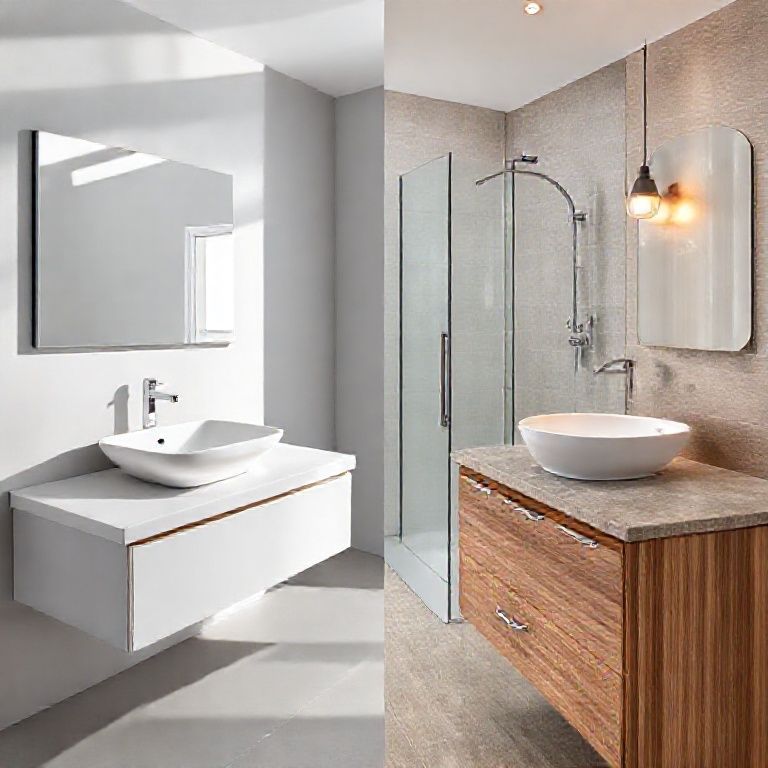
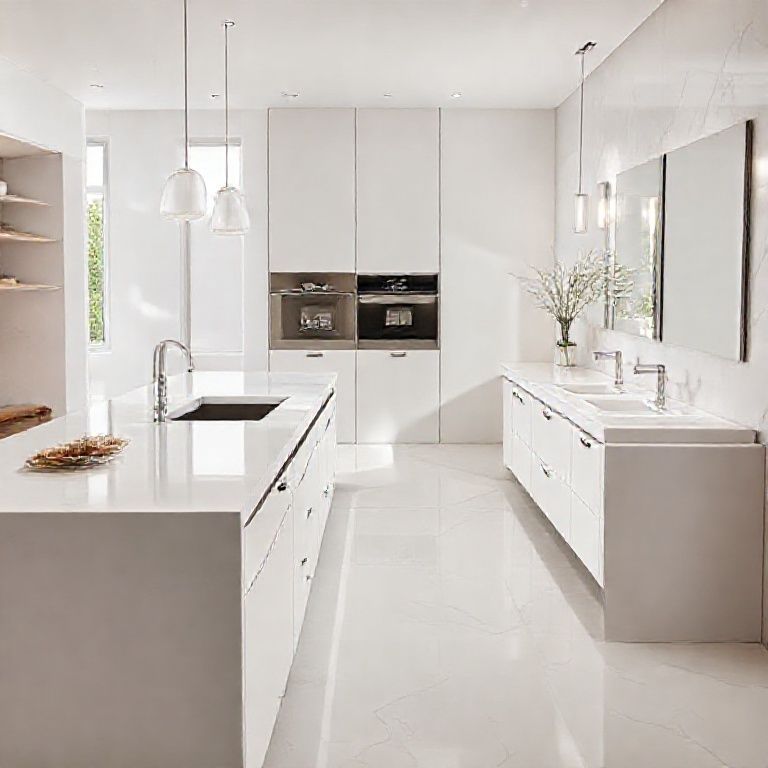
Ceramic sink countertops and stone slabs are two popular choices when it comes to bathroom renovation projects. Each material has its unique set of benefits and drawbacks, making it essential to understand their characteristics thoroughly before making a decision. This article explores the intricate details of ceramic sink countertops and stone slabs, focusing on durability, maintenance, aesthetics, and cost.
Ceramic Sink Countertops: An Overview
Ceramic sink countertops are crafted from a mixture of clay, minerals, and water, which is then molded and fired in a kiln. This process results in a robust, hard surface that is both durable and aesthetically pleasing.
Durability
Ceramic materials are known for their impressive durability. They are highly resistant to scratches, stains, and chips, making them an excellent choice for busy households. Ceramic sink countertops are less prone to breaking compared to stone slabs, which can crack under pressure.
Maintenance
One of the most significant advantages of ceramic sink countertops is their low maintenance requirements. These countertops are easy to clean and can withstand everyday spills and stains. A simple wipe with a damp cloth or a mild cleaner usually suffices to maintain their pristine look. Additionally, ceramic surfaces do not absorb water, which reduces the risk of mold and mildew growth.
Aesthetics
Ceramic sink countertops come in a wide range of colors and finishes, allowing for a high degree of customization to match your bathroom’s design. They are available in classic white, vibrant colors, or even intricate patterns, making them versatile for various aesthetic preferences. Ceramic can be designed to mimic other materials like stone, adding an element of realism to your bathroom design.
Cost
Ceramic countertops are generally more affordable than stone slabs. The cost varies depending on the quality, design, and brand. However, they usually offer a more budget-friendly option, especially for those looking for an elegant yet cost-effective solution.
Stone Slabs: An Overview
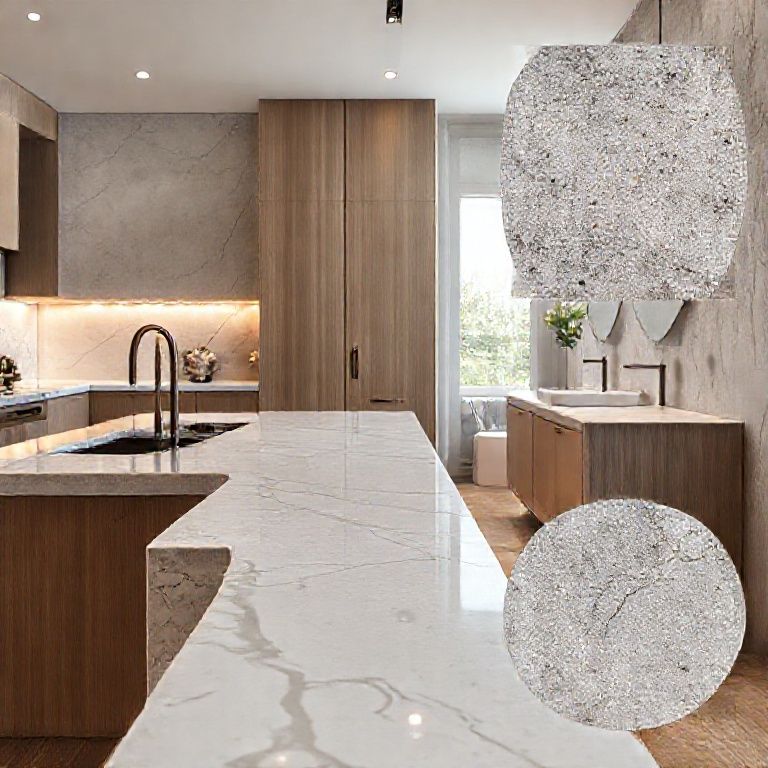
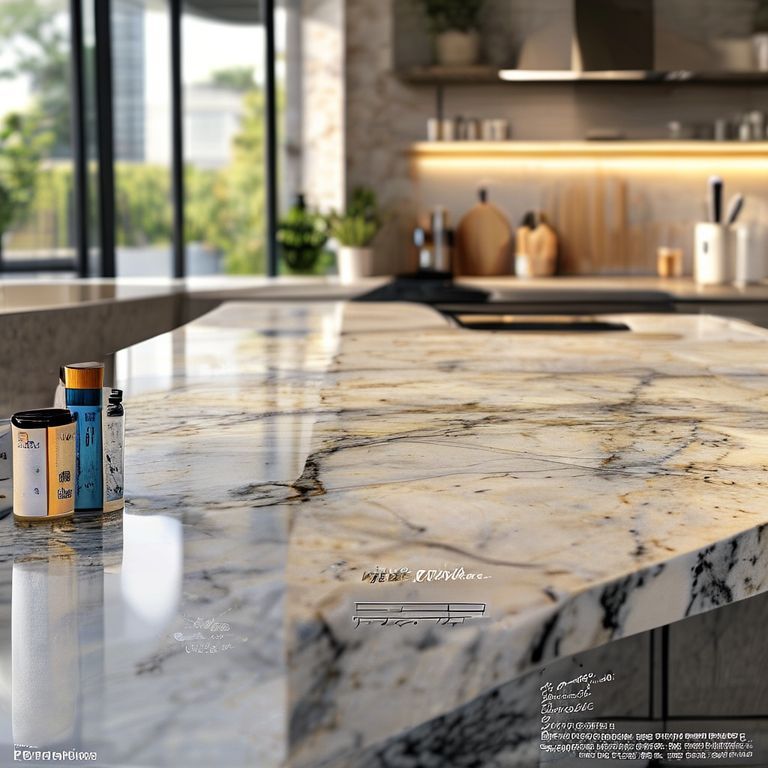
Stone slabs, derived from natural stone materials like granite, marble, or quartz, are known for their luxurious appearance and high-end appeal. They offer a unique and timeless look that can elevate the overall design of your bathroom.
Durability
While stone slabs are incredibly beautiful, they are not as durable as ceramic counterparts. Stone can be susceptible to scratches, stains, and chips, especially when it comes to softer stones like marble. However, harder stones like granite and quartz are more resistant to scratches and stains. Regular sealing is required to maintain the protective qualities of stone slabs.
Maintenance
Maintaining stone slabs requires more effort compared to ceramic countertops. Due to their porous nature, stone surfaces can absorb liquids and stains, necessitating regular cleaning and sealing. It’s crucial to use specialized stone cleaners and avoid acidic substances like citrus juices and vinegar, which can damage the stone.
Aesthetics
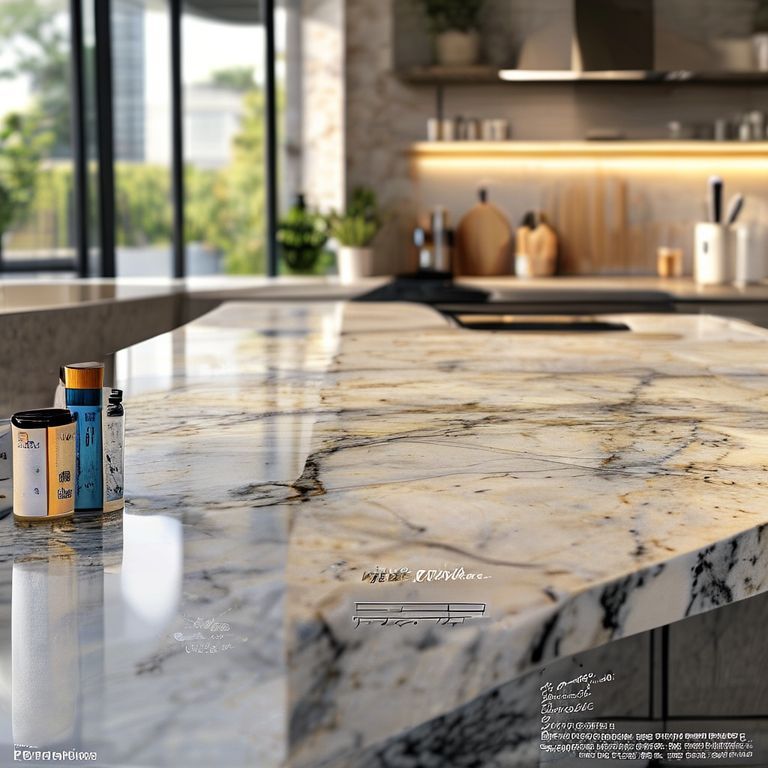
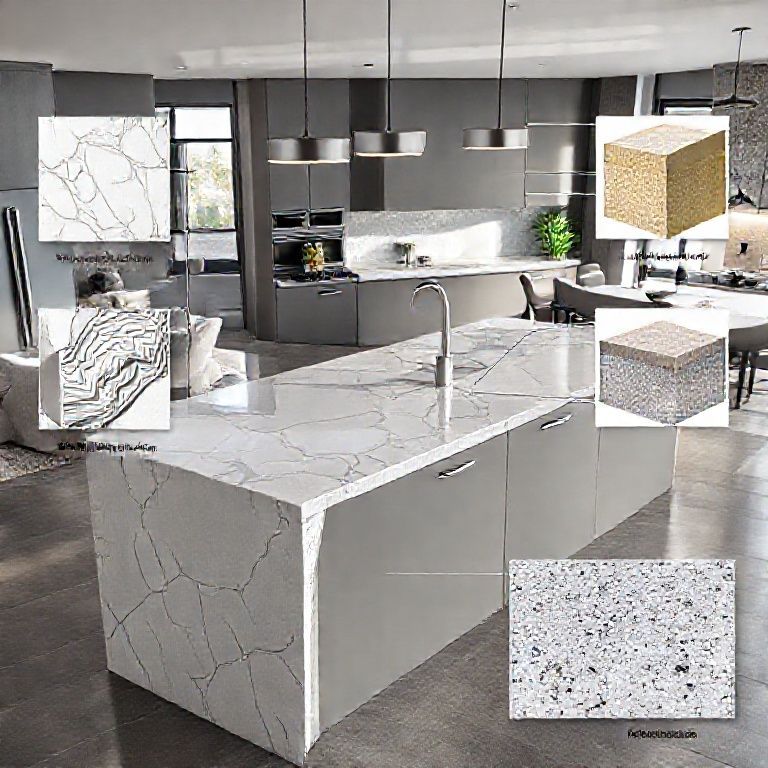
Stone slabs offer unparalleled beauty and elegance. The natural veins and patterns in stone slabs provide a unique and bespoke look that is difficult to replicate. Each slab is distinct, adding a touch of individuality to your bathroom design. Stone slabs are perfect for those looking to create a luxurious and sophisticated atmosphere.
Cost
Stone slabs are generally more expensive than ceramic countertops. The cost depends on the type of stone, quality, and labor involved in installation. High-end stones like marble and onyx can be particularly pricey. However, the premium cost often reflects the superior aesthetic and long-lasting nature of stone slabs.
Conclusion
Choosing between ceramic sink countertops and stone slabs ultimately depends on your specific needs, preferences, and budget. Ceramic offers durability, low maintenance, and affordability, making it an excellent choice for those seeking a practical and budget-friendly option. On the other hand, stone slabs provide unmatched beauty and luxury, although they come with higher maintenance and cost.
In the next part of our article, we will delve deeper into the installation process, long-term considerations, and additional factors to consider when deciding between ceramic sink countertops and stone slabs for your bathroom.
In the second part of our comprehensive guide on choosing between ceramic sink countertops and stone slabs for your bathroom, we will explore the installation process, long-term considerations, and additional factors that can influence your decision. Understanding these aspects will help you make an informed choice tailored to your bathroom renovation needs.
Installation Process
The installation process for both ceramic and stone slabs is relatively straightforward but requires careful attention to detail to ensure a seamless finish.
Ceramic Sink Countertops
Installing ceramic sink countertops is generally a straightforward process. The countertop can be set on top of a vanity or integrated into the cabinet structure. Due to their hardness, ceramic materials can be trimmed and shaped with relative ease using standard tools. The primary concern during installation is ensuring a tight seal around the edges to prevent water ingress, which can lead to mold and mildew growth.
Stone Slabs
Installing stone slabs requires more precision due to their natural texture and weight. Stone slabs need to be securely fastened to the cabinet or vanity to prevent movement and potential damage. The installation often involves using specialized adhesives and mechanical fasteners. Additionally, due to their porous nature, stone slabs may require a grout line to seal the joints and prevent liquid absorption.
Long-Term Considerations
Long-term considerations play a crucial role in determining the longevity and performance of your bathroom countertop.
Ceramic Sink Countertops
Ceramic sink countertops are highly durable and resistant to everyday wear and tear. They maintain their appearance and functionality over the long term, making them a reliable choice for many years. Ceramic’s resistance to scratches and stains ensures that your countertop will look as good as new, even after years of use.
Stone Slabs
Stone slabs offer a timeless and elegant look but require more maintenance to preserve their beauty and durability over time. Regular sealing and cleaning are essential to maintain the protective qualities of the stone and prevent stains and chips. While stone slabs can last a long time, their susceptibility to damage means they may require more frequent upkeep compared to ceramic counterparts.
Additional Factors
When deciding between ceramic sink countertops and stone slabs, several additional factors come into play, including design flexibility, environmental impact, and ease of replacement.
Design Flexibility
Ceramic sink countertops offer a high degree of design flexibility. They come in a wide range of colors, textures, and finishes, allowing for extensive customization. Ceramic can mimic the appearance of other materials like wood or stone, providing a versatile option for various design styles.
Stone slabs, while offering unique natural beauty, have limited design flexibility. Each stone slab is unique due to its natural veins and patterns, which means achieving a uniform look across multiple slabs can be challenging. However, the natural beauty of stone can add character and individuality to your bathroom design.
Environmental Impact
Considering the environmental impact is increasingly important in today’s world. Ceramic materials are typically manufactured in a controlled environment, which can lead to a higher carbon footprint compared to natural stone. However, advancements in ceramic manufacturing have improved the sustainability of this material.
Natural stone slabs, on the other hand, are sourced from quarries, and the extraction process can have significant environmental impacts. However, the durability and longevity of stone slabs can offset some of these impacts over time. Additionally, using reclaimed stone or opting for sustainably sourced stone can mitigate environmental concerns.
Ease of Replacement
If you ever decide to replace your countertop, ceramic sinks are easier to replace due to their availability and standard sizes. Ceramic materials are widely produced, making it easier to find a replacement that matches your existing design.
Stone slabs are more challenging to replace due to their unique nature. Finding a stone slab that matches the color, texture, and pattern of the existing one can be difficult. Moreover, the cost of replacement can be significantly higher due to the specialized nature of stone materials.
Conclusion
Choosing between ceramic sink countertops and stone slabs for your bathroom involves weighing various factors, including durability, maintenance, aesthetics, cost, installation process, long-term considerations, design flexibility, environmental impact, and ease of replacement. Ceramic offers practical benefits with its durability, low maintenance, and affordability. In contrast, stone slabs provide unparalleled beauty and luxury, though they come with higher maintenance and cost.
Ultimately, the decision should align with your personal preferences, lifestyle, and budget. For those seeking a practical and cost-effective solution, ceramic sink countertops are an excellent choice. For those looking to create a luxurious and timeless look, stone slabs offer unmatched elegance and beauty. By understanding the intricacies of each material, you can make an informed decision that enhances the functionality and aesthetics of your bathroom.
In this journey towards bathroom renovation, remember that your choice reflects your personal style and priorities. Whether you opt for the durability of ceramic or the elegance of stone, the end result will be a bathroom that is both functional and visually stunning.