Choosing Between Countertops: Artificial Stone vs. Quartz – Which Is the Best?
When it comes to choosing the perfect countertop for your kitchen or bathroom, you’re likely faced with a plethora of options. Among the most popular choices today are artificial stone and quartz countertops. Both offer unique benefits and cater to different preferences and needs. In this comprehensive guide, we will explore the key attributes of artificial stone and quartz countertops, helping you make an informed decision based on durability, aesthetics, maintenance, and overall cost.
Durability: The Unwavering Backbone
One of the most significant factors in choosing countertops is durability. Both artificial stone and quartz are known for their robust nature, but they differ in how they achieve this.
Artificial Stone Countertops: Artificial stone, often referred to as cultured stone, is a composite material made from a mixture of natural stone powder (like marble or limestone), bonding agents, and pigments. This combination results in a product that is highly durable, able to withstand heavy use, scratches, and even some chemical spills. However, artificial stone is not entirely impervious to impacts and can chip or crack under extreme force.
Quartz Countertops: On the other hand, quartz is a composite material made from 93% natural stone powder and bonded with industrial-grade resin. Its durability is unmatched in the countertop world. Quartz is incredibly resistant to scratches, stains, and heat. Unlike artificial stone, quartz does not absorb water or liquids, making it an excellent choice for high-traffic areas. Its ability to withstand extreme temperatures makes it ideal for both kitchen and bathroom settings.
Aesthetics: The Visual Allure
The visual appeal of countertops is crucial in setting the tone of your kitchen or bathroom. Both artificial stone and quartz offer impressive aesthetic versatility.
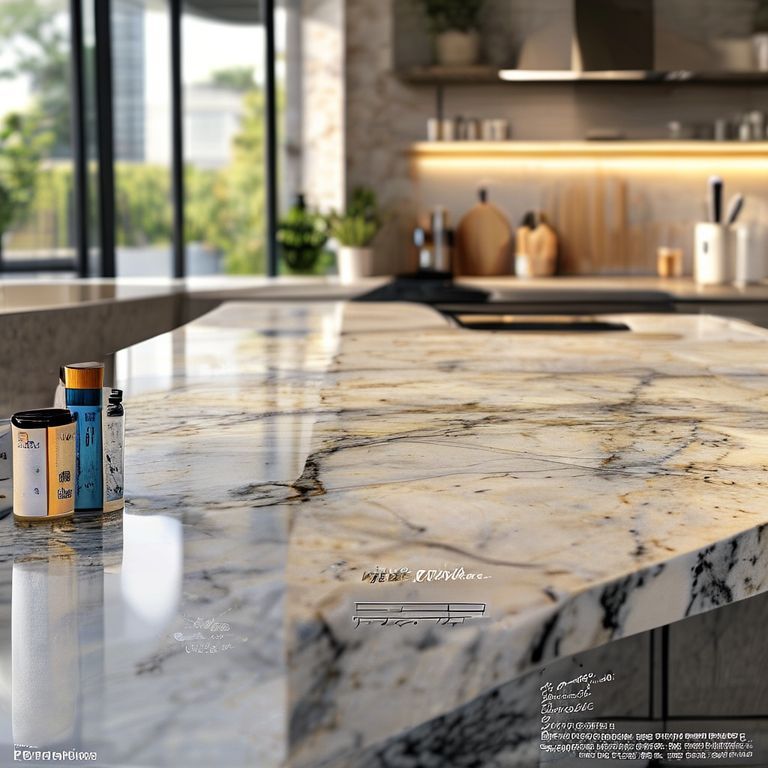
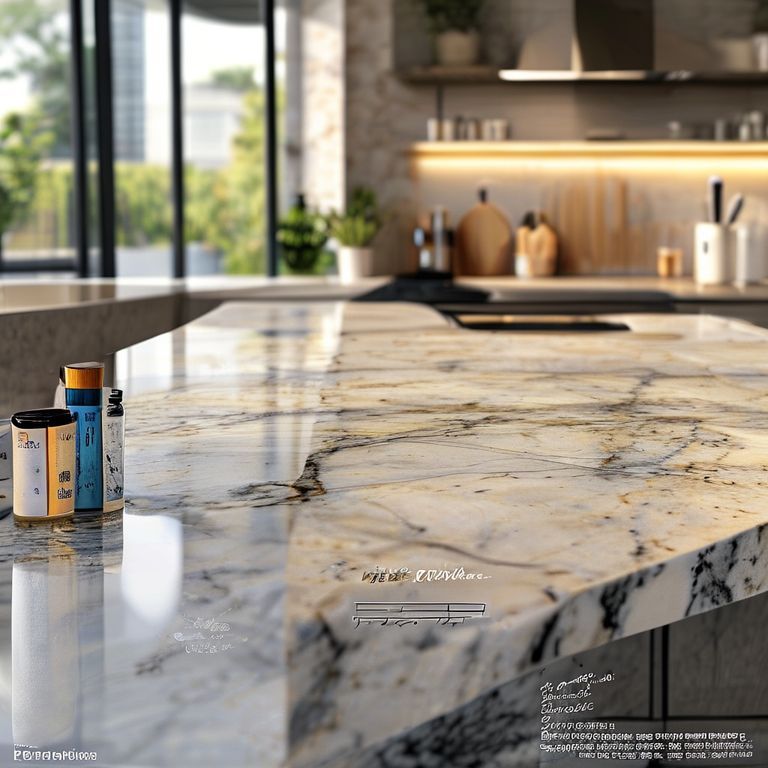
Artificial Stone Countertops: Artificial stone can mimic a variety of natural stone textures, from marble to granite. Its versatility allows for a wide range of designs and colors, enabling homeowners to select a countertop that closely matches existing decor. The craftsmanship in artificial stone often results in a unique, veined appearance that can add a touch of elegance to any space. However, the patterns and colors can sometimes be less consistent compared to natural stone.
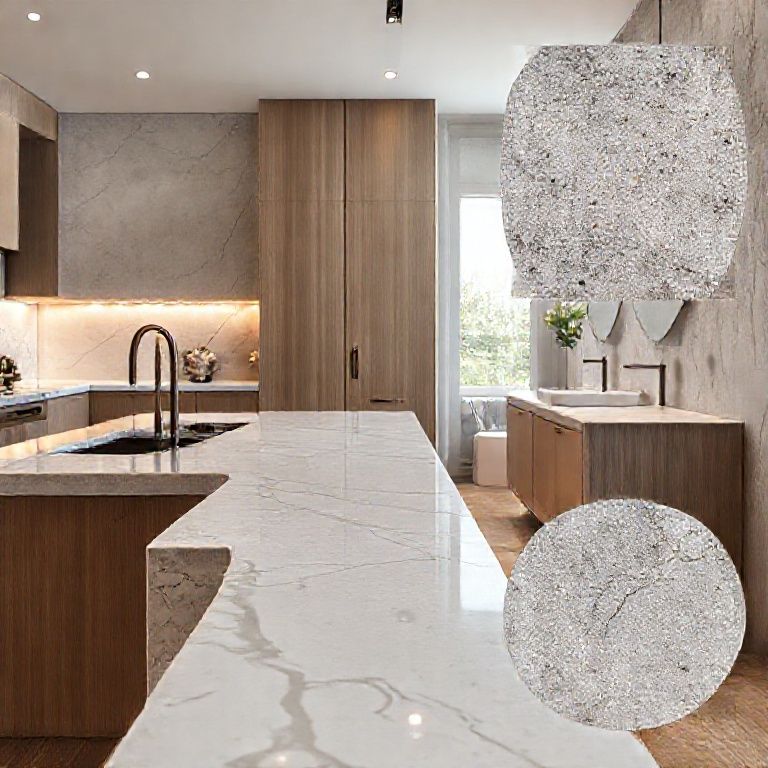
Quartz Countertops: Quartz offers an even broader spectrum of colors and patterns. The manufacturing process allows for seamless, ultra-realistic designs that can perfectly replicate the look of any natural stone. Quartz’s aesthetic appeal lies in its ability to offer a flawless finish that looks incredibly natural but is more consistent in color and texture. Whether you’re looking for a classic marble look or a bold, modern design, quartz can deliver with precision.
Maintenance: Low-Effort Living
Maintenance is a crucial consideration for many homeowners, especially those who prefer a hassle-free lifestyle. Both artificial stone and quartz are designed to be low-maintenance, but they do have their unique care requirements.
Artificial Stone Countertops: Artificial stone is relatively low-maintenance. Regular cleaning with mild soap and water is usually sufficient to keep the surface looking fresh. However, it’s important to use a soft cloth to avoid scratching the surface. Artificial stone is more prone to absorbing odors, so it’s best to avoid leaving food or drinks on the countertop for extended periods.
Quartz Countertops: Quartz countertops are renowned for their low maintenance. The resin bond creates a non-porous surface that resists stains, scratches, and water absorption. Cleaning a quartz countertop is as simple as wiping it down with a mild soap and water solution. The surface is also resistant to heat and won’t discolor from hot pots or pans. Even the toughest spills will simply wipe away, leaving your quartz countertop looking pristine.
Cost: Balancing Budget and Quality
When it comes to countertops, cost is often a significant factor in the decision-making process. Both artificial stone and quartz offer various price points, but they cater to different budgets.
Artificial Stone Countertops: Artificial stone countertops are generally more affordable than quartz. The cost can vary depending on the design and complexity of the pattern, but they offer a cost-effective solution for those looking to mimic natural stone without breaking the bank. While the initial cost is lower, it’s important to consider that artificial stone may require more frequent replacement due to its slightly lower durability.
Quartz Countertops: Quartz, being a higher-end product, comes with a steeper price tag. However, the long-term savings and durability make it a worthwhile investment. Quartz countertops are resistant to the wear and tear that can lead to costly repairs, making them a more economical choice in the long run. The initial investment is higher, but the low maintenance and longevity provide excellent value for money.
Versatility and Customization
Both artificial stone and quartz offer incredible versatility, but they cater to different customization needs.
Artificial Stone Countertops: Artificial stone is highly versatile and can be cut and shaped to fit various designs. It’s ideal for those who want a customized look that closely resembles natural stone. The ability to create intricate patterns and designs allows for a high degree of creativity.
Quartz Countertops: Quartz also offers a high level of customization. Its seamless, ultra-realistic designs can be tailored to fit any vision, from traditional to ultra-modern. Quartz can be cut into various shapes and sizes, making it suitable for unique designs and custom installations. The material’s consistency ensures that the final product will look exactly as planned.
Conclusion
Choosing between artificial stone and quartz countertops ultimately depends on your specific needs and preferences. Both materials offer remarkable durability, aesthetics, and low maintenance, but they cater to different priorities.
Artificial stone is an excellent choice for those looking for an affordable, customizable option that closely mimics natural stone. It’s perfect for those who value creativity and want a countertop that fits well with existing decor.
Quartz, on the other hand, stands out for its unmatched durability, aesthetic versatility, and low maintenance. It’s ideal for those who prioritize longevity, want a high-end look, and are willing to invest in a premium product.
By understanding the key differences and benefits of each, you can make an informed decision that best suits your kitchen or bathroom design goals.
Choosing Between Countertops: Artificial Stone vs. Quartz – Which Is the Best?
In the second part of our comprehensive guide, we will delve deeper into the specifics of artificial stone and quartz countertops. We’ll explore the unique advantages and considerations for each material, providing a detailed comparison to help you make the best choice for your kitchen or bathroom.
Installation and Design Flexibility
When it comes to installation and design flexibility, both artificial stone and quartz offer unique benefits that cater to different design needs.
Artificial Stone Countertops: Artificial stone is known for its ease of installation. It can be cut to fit various shapes and sizes, making it versatile for custom designs. The material is relatively lightweight, which simplifies the installation process. Additionally, artificial stone can be crafted to mimic a wide range of natural stone patterns, offering designers and homeowners a broad spectrum of design options.
Quartz Countertops: Quartz countertops also provide excellent design flexibility. The material’s consistency and seamless appearance allow for intricate and realistic designs that can closely replicate natural stone. Quartz slabs can be cut to any size, making them suitable for both standard and custom installations. The ability to create seamless, ultra-realistic designs means that quartz can be used in a variety of applications, from kitchen islands to bathroom vanities and even tabletops.
Environmental Impact and Sustainability
With growing concerns about environmental impact, the sustainability of materials has become a significant consideration for many homeowners.
Artificial Stone Countertops: Artificial stone is made from a combination of natural stone powder, resin, and pigments. While it reduces the need for quarrying natural stone, the production process still involves the use of resins and other chemicals. The environmental impact of artificial stone is relatively low compared to traditional natural stone, but it’s important to consider the sourcing of natural stone powder and the manufacturing process.
Quartz Countertops: Quartz countertops are highly sustainable due to their high percentage of natural stone content. The manufacturing process for quartz involves minimal use of chemicals and produces less waste compared to artificial stone. Additionally, the durability of quartz means that it will last longer, reducing the need for frequent replacements and minimizing environmental impact over time.
Long-Term Value and Cost Efficiency
Understanding the long-term value and cost efficiency of each material can help you make a more informed decision.
Artificial Stone Countertops: While artificial stone offers an affordable initial cost, its durability is slightly lower compared to quartz. This means that over time, artificial stone may require more frequent replacements, which can add to the overall cost. However, the material’s versatility and ability to closely mimic natural stone make it a cost-effective choice for those who want a high-quality look without the premium price of natural stone.
Quartz Countertops: Quartz countertops, with their high durability and resistance to stains, scratches, and heat, offer excellent long-term value. The material’s longevity means that you’ll likely experience fewer replacements and repairs over timeLong-Term Value and Cost Efficiency
Quartz Countertops: Quartz countertops, with their high durability and resistance to stains, scratches, and heat, offer excellent long-term value. The material’s longevity means that you’ll likely experience fewer replacements and repairs over time, making quartz a more economical choice in the long run despite its higher initial cost.
Warranty and Guarantees
Warranties and guarantees are crucial when considering the long-term commitment of a countertop installation. Both artificial stone and quartz offer varying levels of warranties, but there are notable differences.
Artificial Stone Countertops: Artificial stone typically comes with a warranty that covers defects in workmanship and materials for a period ranging from 5 to 10 years. However, the warranty may not cover damage from impacts or heavy use. Given its slightly lower durability compared to quartz, artificial stone warranties tend to focus more on workmanship rather than the material itself.
Quartz Countertops: Quartz countertops often come with a 20-year warranty that covers the material against surface scratches, stains, and waterspots. This extensive warranty reflects the material’s exceptional durability and resistance to various forms of damage. The warranty on quartz also generally covers workmanship, providing comprehensive protection for the installation.
Installation and Maintenance Considerations
The ease of installation and maintenance is another important factor to consider when choosing between artificial stone and quartz.
Artificial Stone Countertops: Artificial stone is relatively easy to install due to its lightweight nature and manageable size. It can be cut to fit custom shapes and designs, offering flexibility for different installation needs. However, the installation process requires careful handling to avoid cracking or chipping. Regular maintenance with mild soap and water is sufficient, but it’s important to avoid using abrasive cleaners that can scratch the surface.
Quartz Countertops: Quartz is also easy to install, often requiring minimal preparation. Its high hardness and non-porous nature make it ideal for seamless installations. The installation process for quartz is straightforward, and the material can be cut and shaped to fit various designs. For maintenance, quartz countertops are incredibly low-maintenance. Simply wiping them down with a mild soap and water solution keeps them looking pristine, and the non-porous surface ensures that spills do not penetrate or stain the countertop.
Aesthetic Versatility
Both artificial stone and quartz offer a wide range of aesthetic options, but they cater to different design preferences.
Artificial Stone Countertops: Artificial stone’s versatility lies in its ability to closely mimic the look of natural stone. It can replicate the veined patterns and colors of marble, granite, and other natural stones. This makes artificial stone a popular choice for those looking to achieve a high-end, natural stone appearance without the premium price. The craftsmanship in artificial stone often results in unique, veined designs that add a touch of elegance to any space.
Quartz Countertops: Quartz offers an even broader spectrum of aesthetic versatility. Its manufacturing process allows for seamless, ultra-realistic designs that can perfectly replicate the look of any natural stone. Quartz can be found in an extensive range of colors, patterns, and finishes, from classic marble to bold, modern designs. The consistency and precision of quartz make it an ideal choice for those seeking a flawless, ultra-realistic look.
Environmental Considerations
With increasing environmental awareness, the sustainability of materials has become a significant consideration.
Artificial Stone Countertops: Artificial stone reduces the need for quarrying natural stone, which is beneficial for the environment. However, the production process still involves the use of resins and other chemicals. The sourcing of natural stone powder also contributes to environmental impact, although it’s less than that of traditional natural stone countertops.
Quartz Countertops: Quartz is highly sustainable due to its high percentage of natural stone content. The manufacturing process for quartz produces less waste compared to artificial stone and involves minimal use of chemicals. Additionally, the durability of quartz means that it will last longer, reducing the need for frequent replacements and minimizing environmental impact over time.
Conclusion
Choosing between artificial stone and quartz countertops ultimately depends on your specific needs, preferences, and priorities. Both materials offer remarkable benefits, but they cater to different aspects of countertop selection.
Artificial Stone Countertops are an excellent choice for those looking for an affordable, customizable option that closely mimics natural stone. They offer versatility, ease of installation, and a wide range of aesthetic options, making them ideal for those who value creativity and want a high-quality look without the premium price of natural stone.
Quartz Countertops stand out for their unmatched durability, aesthetic versatility, and low maintenance. They are perfect for those who prioritize longevity, want a high-end look, and are willing to invest in a premium product. The extensive warranty, environmental sustainability, and exceptional resistance to damage make quartz a more economical choice in the long run.
By understanding the key differences and benefits of each, you can make an informed decision that best suits your kitchen or bathroom design goals.
In conclusion, both artificial stone and quartz countertops offer unique advantages that cater to different priorities and preferences. Whether you prioritize affordability, aesthetic versatility, or long-term durability, there is a countertop option that will meet your needs. By carefully considering the factors discussed, you can make a well-informed choice that enhances the beauty and functionality of your kitchen or bathroom.