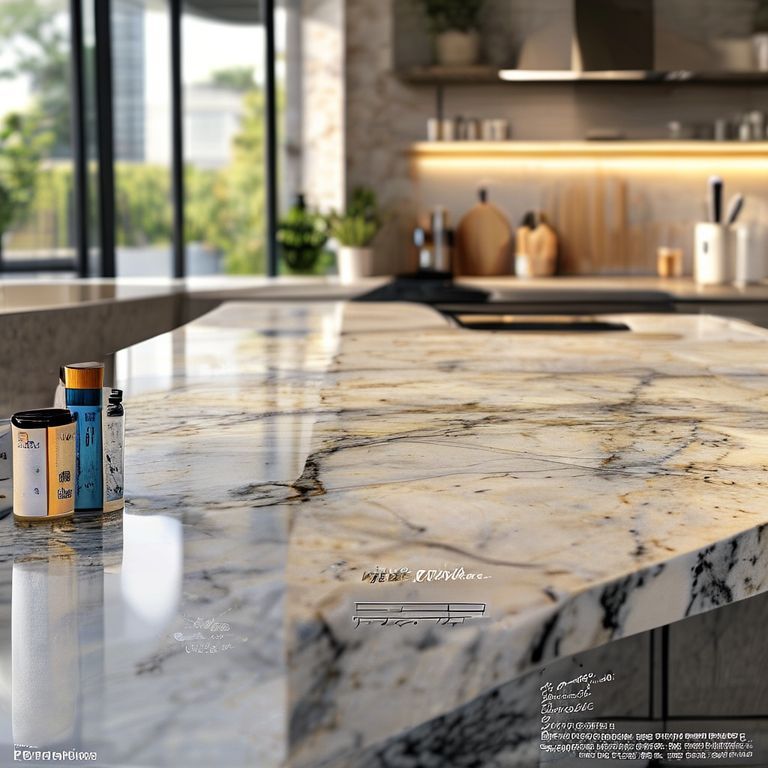
Engineered Quartz vs. Marble Countertops: A Comprehensive Guide
When selecting the perfect countertop for your kitchen or bathroom, the choices can seem overwhelming. Two of the most popular options are engineered quartz and marble. Both materials come with their own unique set of advantages and disadvantages, making it crucial to weigh these factors carefully. This first part of our comprehensive guide will delve into the core characteristics of engineered quartz and marble, including durability, maintenance, cost, and aesthetics.
Durability and Strength
Engineered quartz is renowned for its durability. Composed of 93% pure quartz and 7% resin, it boasts impressive hardness, ranking 7 on the Mohs scale, which is comparable to granite. This high level of hardness makes engineered quartz highly resistant to scratches, making it an excellent choice for high-traffic areas where durability is paramount. Unlike natural stone, engineered quartz is also impervious to stains, making it easy to clean and maintain.
Marble, on the other hand, is a natural stone that comes with its own set of benefits and drawbacks. Marble has a relatively lower hardness, ranking between 3 to 4 on the Mohs scale. While this makes it susceptible to scratches, it also gives marble its distinctive, elegant appearance. However, the downside is that marble is highly porous, which means it can easily absorb stains and liquids. This necessitates regular sealing to prevent long-term damage.
Maintenance
The maintenance requirements for engineered quartz and marble could not be more different. Engineered quartz countertops require minimal upkeep. They are easy to clean with a simple wipe down using a mild soap and water solution. Because they are not porous, they do not need sealing like natural stone countertops. This low maintenance makes engineered quartz an attractive choice for busy households and those who prefer a hassle-free countertop.
Marble countertops, however, demand more rigorous care. Given their porous nature, marble requires regular sealing to prevent staining. Additionally, acidic substances such as lemon juice, vinegar, and coffee can cause permanent etching if not cleaned immediately. Regular cleaning with a soft cloth and a mild soap solution is essential, and specialized marble cleaner can be used to maintain its pristine appearance.
Cost
Cost is often a significant factor in the decision-making process for countertops. Engineered quartz countertops are generally more affordable than marble. The manufacturing process for quartz is cost-effective, and this translates to a lower price point for consumers. However, it’s worth noting that the cost can vary depending on the design and finish you choose.
Marble countertops are usually more expensive due to their natural origin and the intricate veining patterns that make each piece unique. The cost of marble can range widely based on the type of marble, its color, and the quality of the veining. While marble offers a timeless and luxurious look, the higher upfront cost might be a deterrent for some.
Aesthetics
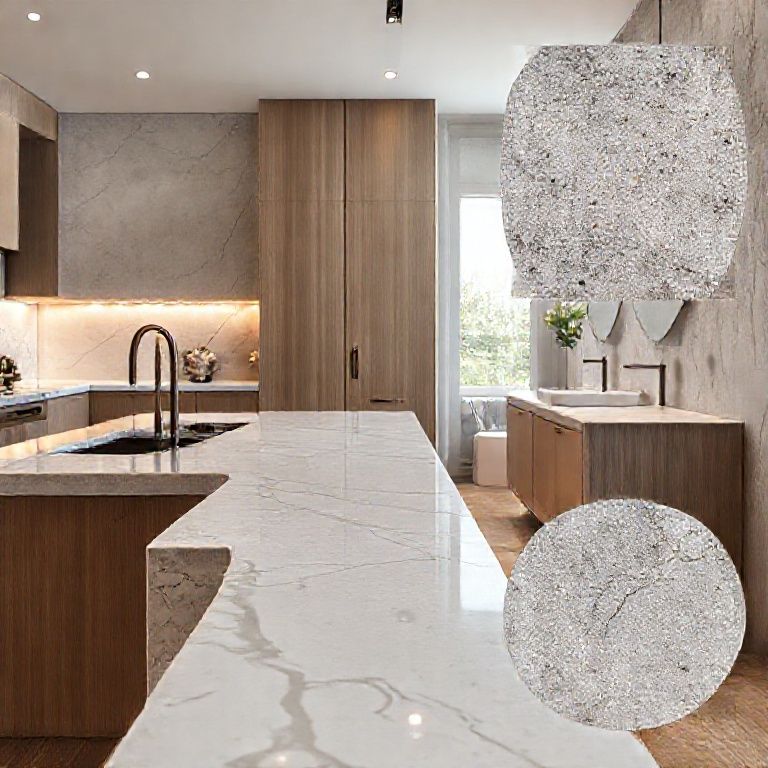
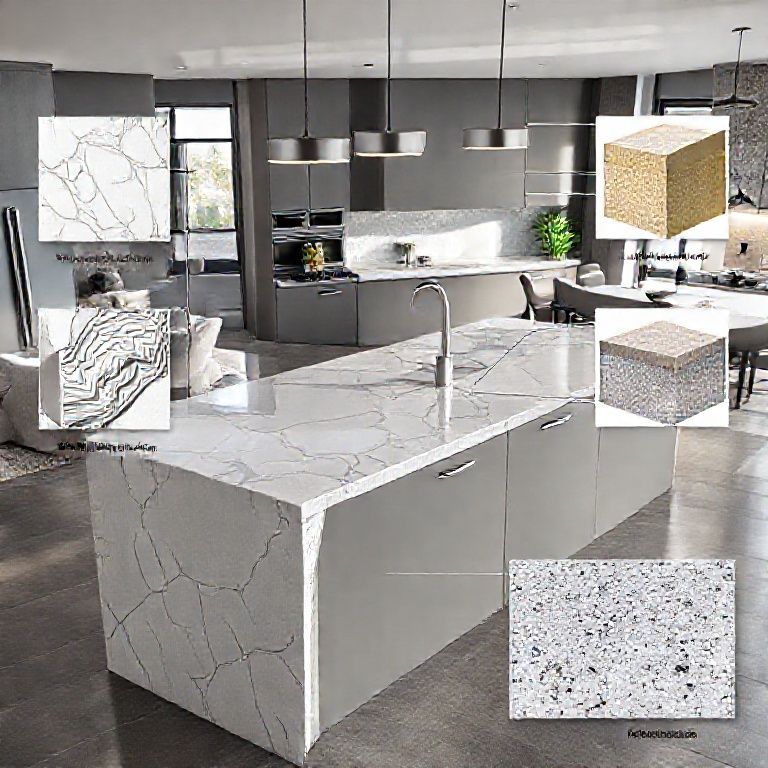
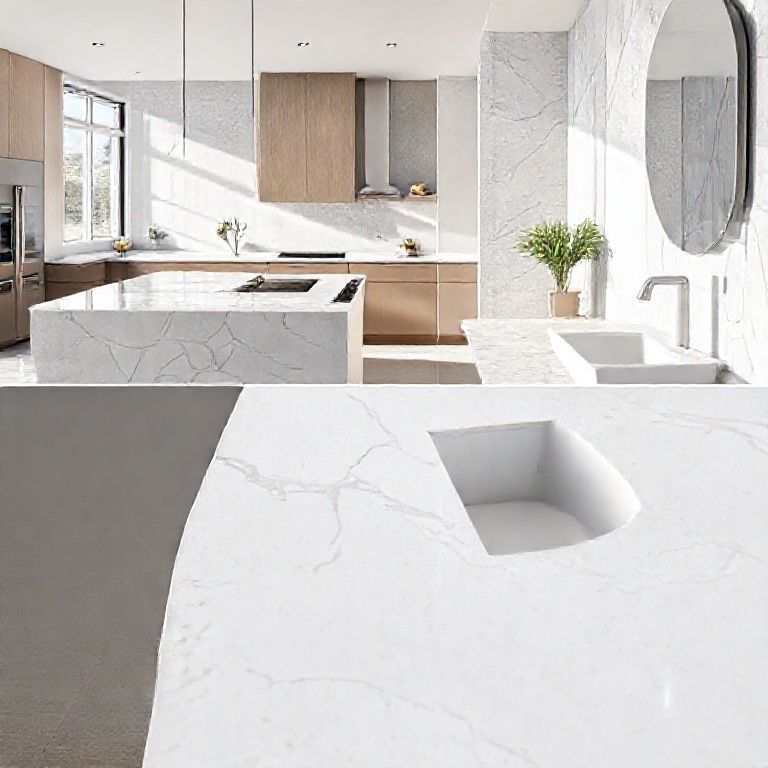
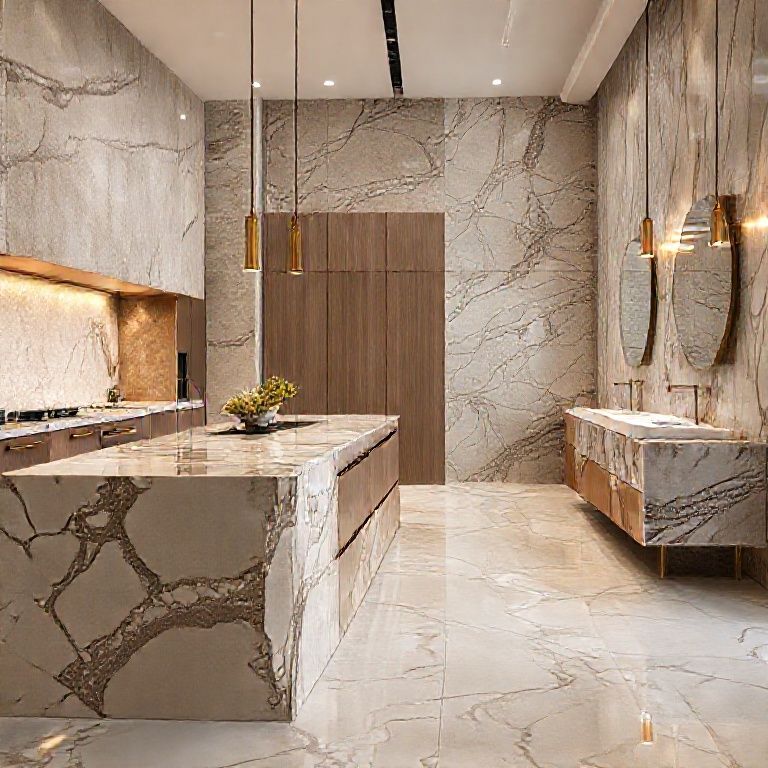
Both engineered quartz and marble offer stunning aesthetic appeal, but they cater to different tastes. Engineered quartz is available in an extensive range of colors and patterns, allowing for a high degree of customization. Manufacturers can mimic the look of various natural stones, including granite and marble, with engineered quartz. This flexibility makes it a popular choice for those looking to replicate the look of high-end natural stone at a more accessible price point.
Marble, with its natural veining and unique patterns, offers a one-of-a-kind aesthetic. The beauty of marble lies in its natural, organic look, which can add a touch of elegance and luxury to any space. Each piece of marble is unique, which means that no two countertops are exactly alike. This individuality can be a significant advantage for those looking to add a touch of natural beauty and sophistication to their home.
Conclusion
In the first part of our guide, we’ve explored the fundamental aspects of engineered quartz and marble countertops, focusing on durability, maintenance, cost, and aesthetics. Both materials have their own unique advantages and considerations that make them suitable for different preferences and needs. In the next part, we will delve deeper into specific scenarios where one material might be more advantageous than the other, helping you make an even more informed decision.
Engineered Quartz vs. Marble Countertops: A Comprehensive Guide
In the second part of our comprehensive guide, we will explore more specific scenarios where one countertop material might be more advantageous than the other. We will look at factors such as functionality, design flexibility, environmental impact, and suitability for different spaces. This will provide you with a well-rounded understanding of how engineered quartz and marble can fit into your specific needs and lifestyle.
Functionality
When it comes to functionality, engineered quartz holds a significant edge. Its non-porous nature means it does not absorb spills or stains, making it an excellent choice for kitchens and bathrooms where spills are common. This resistance to stains and scratches means that your countertop will maintain its appearance over time, requiring minimal maintenance and no sealing.
Marble, while beautiful, is not as functional for high-traffic areas. Its porous nature means it can easily absorb liquids and stains, which can be difficult to remove. While the natural beauty of marble can be stunning, its functionality in areas where spills are frequent might not be as practical. Regular cleaning and sealing are necessary to maintain its appearance, which can add to the maintenance burden.
Design Flexibility
Engineered quartz offers a high level of design flexibility. It can be customized to mimic the look of various natural stones, and its surface can be finished in numerous ways to achieve different textures and effects. Whether you want a sleek, modern look or a more traditional appearance, engineered quartz can be tailored to suit your design preferences.
Marble, with its unique veining and natural patterns, offers its own form of design flexibility. However, it is more limited compared to engineered quartz. Each piece of marble is unique, which can be a challenge when trying to create a uniform look in a large space. While you can select pieces with similar veining patterns, achieving a perfectly cohesive look might be more difficult.
Environmental Impact
The environmental impact of your countertop choice is an increasingly important consideration. Engineered quartz is manufactured, which means it involves a manufacturing process that consumes energy and resources. However, the production of engineered quartz is generally more sustainable compared to the extraction and transportation processes required for natural stone like marble.
Marble is a natural stone that is extracted from quarries. This process can have a significant environmental impact, including habitat disruption and the use of large amounts of water and energy. Additionally, transporting natural stone can be more carbon-intensive compared to the production of manufactured materials.
Suitability for Different Spaces
When considering the suitability of engineered quartz and marble for different spaces, it’s essential to think about the specific needs of each area in your home. Engineered quartz is ideal for kitchens and bathrooms where durability and low maintenance are critical. Its ability to withstand heat and resist stains makes it a versatile choice for these high-use areas.
Marble is often favored for spaces where aesthetics take precedence over functionality. It is commonly used in dining areas, living rooms, and bathrooms where a touch of elegance and luxury can enhance the overall design. However, due to its porosity, it is less practical for high-traffic areas where spills are frequent.
Long-Term Considerations
When looking at long-term considerations, engineered quartz generally offers better value. Its durability and resistance to stains mean that it will maintain its appearance and functionality over a long period, requiring minimal upkeep. This longevity can result in significant cost savings over time, as you won’t need to invest in frequent resealing or repairs.
Marble, while beautiful, might require more long-term maintenance to keep it looking its best. The need for regular sealing and careful handling can add to the maintenance burden. Over time, this might result in higher costs, especially if the natural beauty of marble starts to fade or if stains become more difficult to remove.
Conclusion
In the second part of our guide, we have explored more specific scenarios where one countertop material might be more advantageous than the other. From functionality and design flexibility to environmental impact and suitability for different spaces, we have provided a detailed look at how engineered quartz and marble can fit into your specific needs and lifestyle. By considering all these factors, you can make an informed decision that will best suit your preferences and long-term goals.
Final Thoughts
Choosing between engineered quartz and marble countertops is a decision that hinges on various factors, including durability, maintenance, cost, aesthetics, functionality, design flexibility, environmental impact, and suitability for different spaces. Both materials offer unique advantages and considerations that make them suitable for different preferences and needs. Ultimately, the best choice will depend on your specific requirements, lifestyle, and design preferences.
By carefully weighing all these aspects, you can make an informed decision that will enhance your home’s beauty and functionality for years to come. Whether you choose the durability and low maintenance of engineered quartz or the timeless elegance of marble, both materials offer a high-quality option for your countertop needs.