Durability and Maintenance
Engineered Quartz vs. Natural Marble: A Battle of Durability
When it comes to durability, engineered quartz and natural marble present very different propositions. Engineered quartz, composed of 93% quartz by weight, is a composite material that is bonded together with resin. This high percentage of quartz gives it remarkable strength and durability, making it highly resistant to scratches, stains, and heat. Unlike natural marble, which can be easily scratched by even a simple metal object, engineered quartz maintains its pristine appearance for years.
Heat Resistance: A Key Advantage
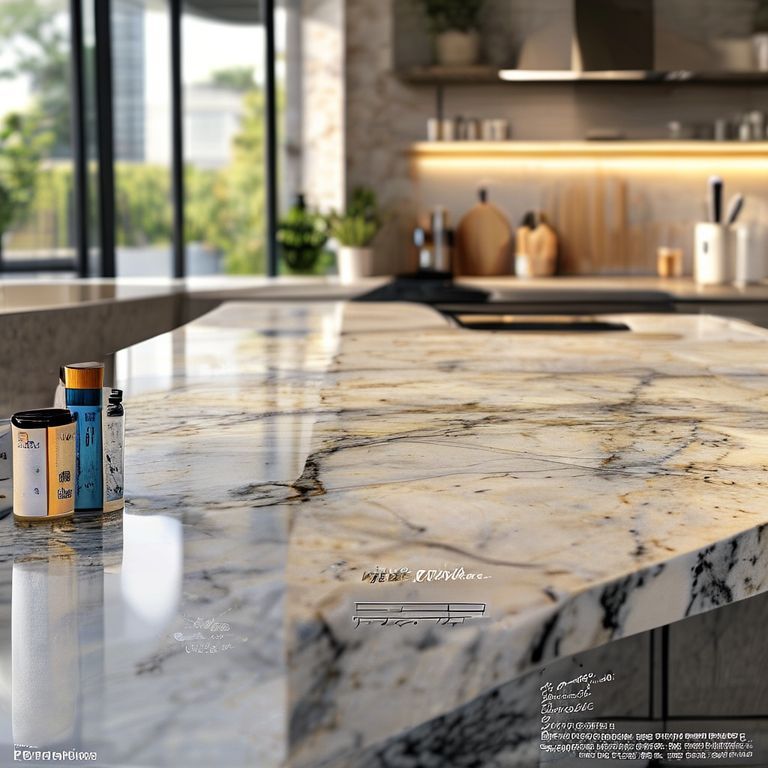
One of the standout features of engineered quartz is its superior heat resistance. Marble, on the other hand, is not heat resistant and can crack or discolor under high temperatures. Engineered quartz countertops can withstand the heat of cooking pots and pans without any issues. This makes them an excellent choice for busy kitchens where high-temperature cooking is frequent.
Maintenance: Effortless Care
Maintaining engineered quartz countertops is incredibly simple. A mild dish soap and warm water are usually sufficient to keep them looking pristine. Unlike natural marble, which requires a specialized marble cleaner and sealing to prevent staining and etching, engineered quartz does not need to be sealed or re-sealed over time. This means less maintenance and a lower risk of damage, making it a practical choice for many homeowners.
Natural Marble: The Enduring Appeal
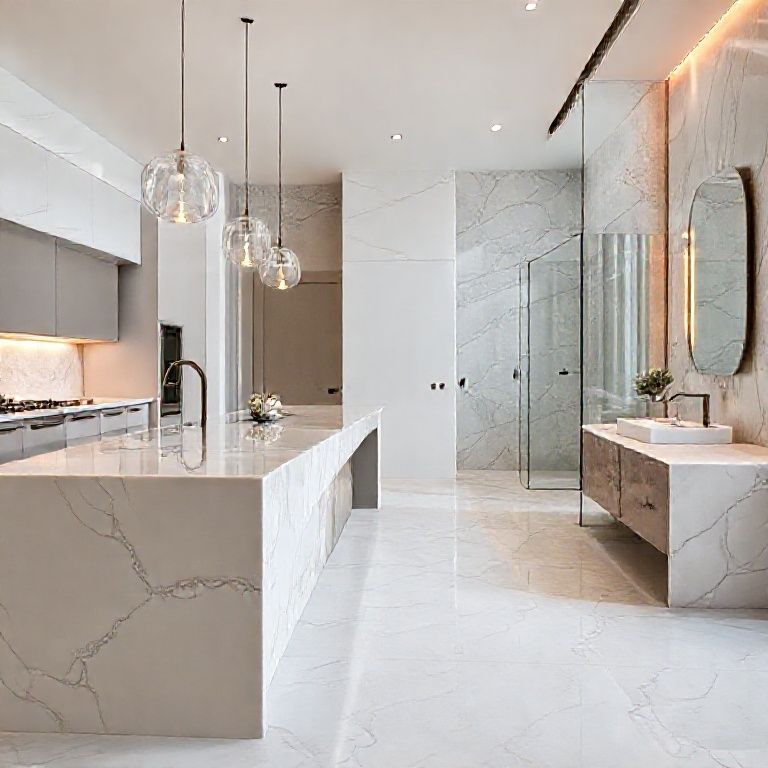
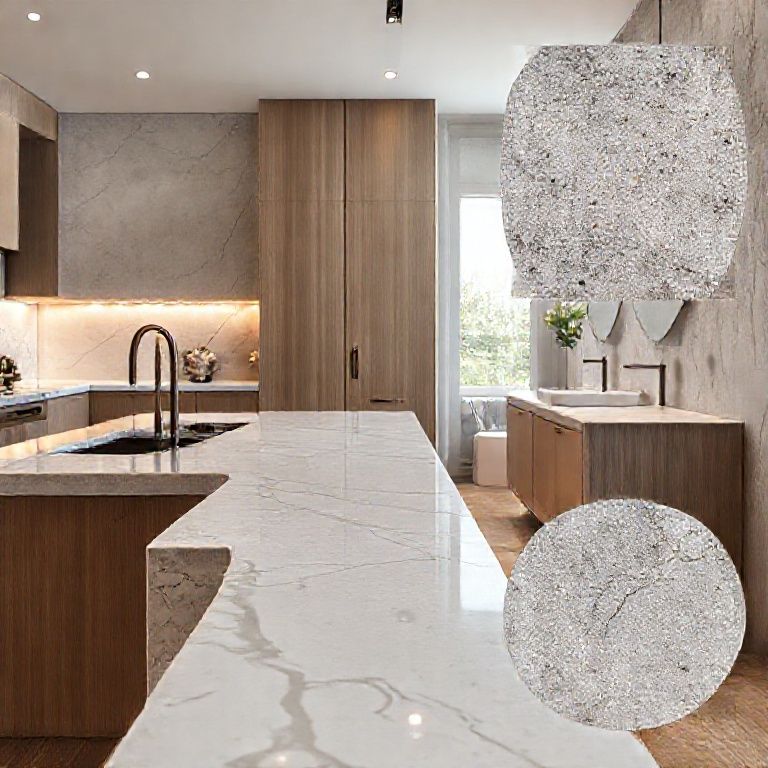
Natural marble, however, offers a unique beauty that is unmatched by engineered quartz. Marble is a natural stone known for its luxurious appearance and timeless elegance. Each piece of marble is unique, featuring intricate veining and color patterns that can be quite striking. The beauty of natural marble lies in its natural imperfections, which many people find aesthetically pleasing.
Maintenance: The Care Required
Despite its aesthetic appeal, natural marble requires more care and maintenance compared to engineered quartz. To keep the stone looking its best, it needs to be regularly cleaned with a mild soap and water solution, followed by a marble-specific sealant. This is necessary to prevent staining and etching, which can occur from acidic substances like fruit juices, wine, and coffee. While this might seem like a lot of upkeep, many people find the effort worthwhile for the beauty and character that natural marble brings to their space.
Aesthetics and Design Flexibility
Engineered Quartz: Versatility in Design
Engineered quartz offers unparalleled versatility in terms of design. Available in a wide range of colors and patterns, it can mimic the look of almost any natural stone, including marble. This makes it a popular choice for those who want a marble-like appearance without the higher cost and maintenance of natural stone. The material is also available in various thicknesses and shapes, allowing for custom designs that can perfectly fit the unique needs of a space.
Natural Marble: Timeless Beauty
Natural marble is prized for its timeless beauty and luxurious feel. The unique veining and colors of each piece make it a focal point in any room. Whether you’re looking for a classic white marble for a modern kitchen or a rich, colored marble for an elegant dining room, natural marble offers a level of sophistication that is hard to replicate. The natural beauty of marble can add a sense of luxury and grandeur to any space, making it a favorite for high-end interiors.
Cost and Long-Term Value
Cost Considerations
When considering the cost of engineered quartz versus natural marble, it’s important to take into account both the initial purchase price and the long-term value. Engineered quartz typically comes with a higher upfront cost compared to some other materials like granite or laminate. However, its durability and low maintenance requirements often result in lower long-term costs.
Natural Marble: The Price of Elegance
Natural marble, on the other hand, can range widely in price depending on the type and quality of the stone. High-end marbles like Carrara or Travertine can be very expensive, but they offer a level of elegance and beauty that is hard to match. The initial cost of natural marble can be significant, and it also requires periodic sealing and maintenance to maintain its beauty and value.
Long-Term Value
Engineered Quartz: A Smart Investment
Engineered quartz is often considered a smart investment due to its durability and low maintenance. The fact that it does not require sealing means that there are fewer costs associated with upkeep over time. Additionally, because it is resistant to scratches, stains, and heat, it maintains its appearance and value for many years. This makes engineered quartz a cost-effective choice in the long run, even though the initial cost might be higher.
Natural Marble: A Timeless Treasure
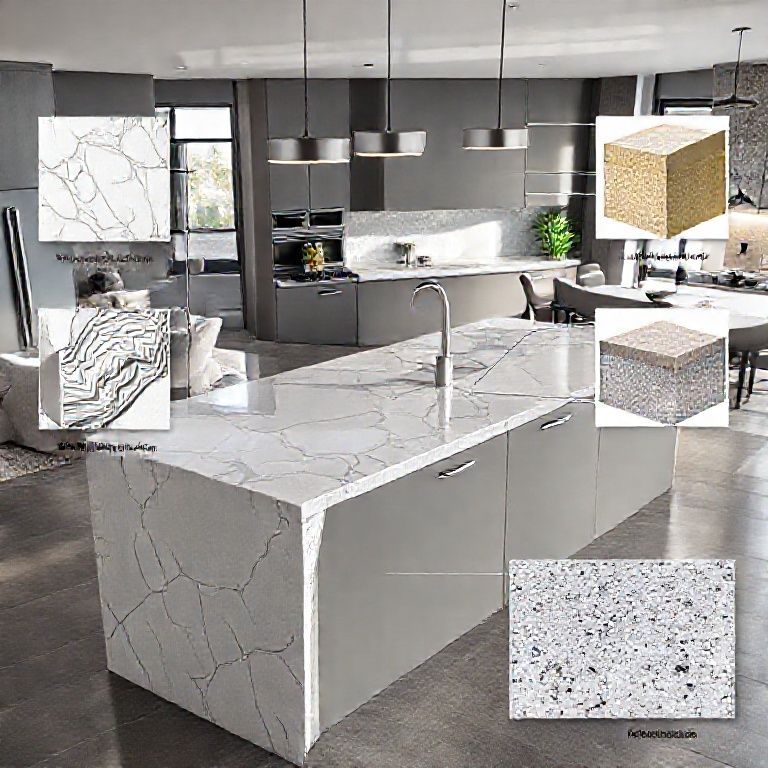
Natural marble’s value lies in its timeless beauty and the unique characteristics of each piece. While it might have a higher initial cost and require more maintenance, the aesthetic appeal and luxury it brings to a space often justify the investment. High-quality marble can add significant value to a property and is often seen as a worthwhile expense for those looking to create a lavish and elegant environment.
Environmental Impact and Sustainability
Engineered Quartz: Manufacturing Considerations
Engineered quartz is manufactured, which involves the use of resin and other synthetic materials. This process can have environmental implications, including the release of volatile organic compounds (VOCs) during production and installation. However, many manufacturers are working to improve the sustainability of their products by reducing VOCs and using more eco-friendly materials.
Natural Marble: Sustainable Sourcing
Natural marble, being a natural stone, has a different set of environmental considerations. The extraction of marble can have a significant environmental impact, including habitat destruction and the release of dust and other pollutants. However, there are efforts to source marble sustainably, with some quarries implementing practices that minimize their environmental footprint. Additionally, marble is a non-renewable resource, which means that responsible sourcing is crucial to ensure that we are not depleting this valuable material.
Conclusion: Making the Final Choice
Choosing between engineered quartz and natural marble ultimately comes down to your specific needs, preferences, and budget. Engineered quartz offers unmatched durability, low maintenance, and design flexibility, making it a practical and cost-effective choice for many. On the other hand, natural marble provides a unique and luxurious aesthetic that can add timeless elegance to any space, though it comes with higher maintenance and cost considerations.
By weighing the pros and cons of each material, you can make an informed decision that best suits your lifestyle and design goals. Whether you prioritize durability and low maintenance or the beauty and character of natural stone, both engineered quartz and natural marble have their place in the world of high-quality countertops.