Choosing Between Ke Li Nai and Ceramic Tubs: A Comprehensive Guide
When it comes to selecting a bathtub for your home, the decision can feel overwhelming. With so many options available, understanding the differences between Ke Li Nai and ceramic tubs is crucial. In this first part of our guide, we will explore the intricacies of each type, focusing on durability, design, and initial cost. By the end, you’ll have a clearer idea of which type aligns best with your preferences and needs.
Durability: A Long-Term Commitment
One of the primary considerations when choosing a bathtub is its durability. Both Ke Li Nai and ceramic tubs have their own strengths in this area.
Ke Li Nai Tubs
Ke Li Nai tubs are known for their remarkable durability. Crafted from high-quality acrylic materials, these tubs offer exceptional resistance to scratches, chips, and other forms of damage. The acrylic used in Ke Li Nai tubs is also highly resistant to water stains, which makes them a popular choice for families and homes with children. Over time, Ke Li Nai tubs maintain their pristine appearance, ensuring that they remain a beautiful addition to your bathroom for many years to come.
Ceramic Tubs
Ceramic tubs, on the other hand, are made from ceramic tiles that are fused together. This process creates a solid, monolithic structure that is incredibly durable. Ceramic tubs are highly resistant to scratches, stains, and even minor impacts. Their durability is enhanced by their ability to withstand high temperatures and pressure, making them suitable for a variety of bathroom settings. However, they do require careful handling to avoid any potential damage from impacts.
Design: Aesthetics and Style
Design is another critical factor in the decision-making process. Ke Li Nai and ceramic tubs offer different styles and aesthetic possibilities.
Ke Li Nai Tubs
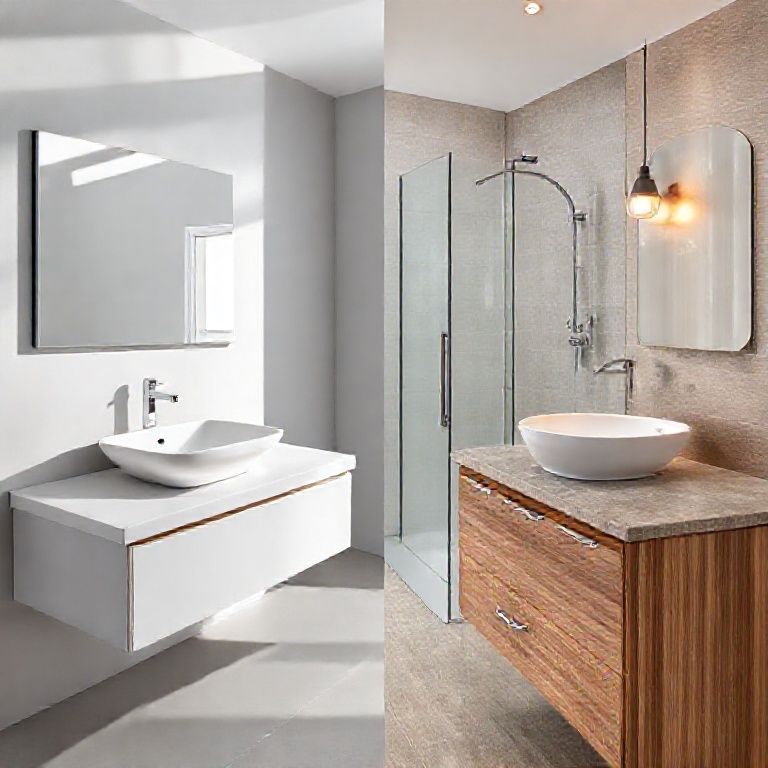
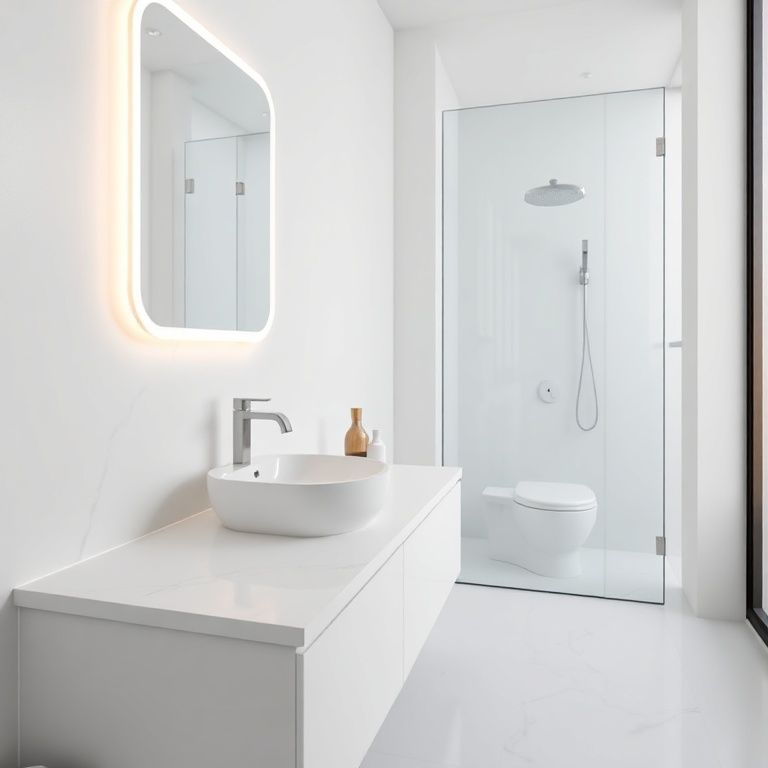
Ke Li Nai tubs come in a wide range of designs, from sleek and modern to classic and ornate. Their versatility allows for a great deal of customization, enabling homeowners to choose tubs that perfectly match their bathroom decor and personal style. The smooth, seamless surface of Ke Li Nai tubs also makes them ideal for contemporary designs that emphasize clean lines and minimalist aesthetics.
Ceramic Tubs
Ceramic tubs often feature intricate designs and patterns that can add a touch of elegance and sophistication to any bathroom. Whether you prefer a traditional mosaic, a modern geometric pattern, or a natural stone look, ceramic tubs offer a variety of options to suit any taste. Their ability to mimic the look of natural materials like stone and wood also makes them a popular choice for those who want a more organic feel in their bathroom.
Initial Cost: What to Expect
When considering the initial cost of a bathtub, it’s essential to weigh the upfront investment against long-term benefits and maintenance.
Ke Li Nai Tubs
Ke Li Nai tubs generally fall in the mid to high-end price range. The cost varies based on the design, size, and additional features like built-in jets or hydrotherapy options. However, their durability and low maintenance often justify the initial investment. Ke Li Nai tubs also offer the advantage of customizable options, which can affect the overall cost.
Ceramic Tubs
Ceramic tubs typically range from moderate to high in price, depending on the complexity of the design and the materials used. The cost of ceramic tubs can be influenced by the labor required for installation and the need for specialized maintenance. However, their long-lasting nature and aesthetic appeal often make them a worthwhile investment.
Conclusion
When deciding between Ke Li Nai and ceramic tubs, it’s clear that both have distinct advantages. Ke Li Nai tubs excel in durability and design versatility, while ceramic tubs offer unmatched aesthetic options and long-term resilience. The next part of this guide will delve deeper into maintenance, installation, and overall value to provide you with a complete picture of what to expect from each type of tub.
Choosing Between Ke Li Nai and Ceramic Tubs: A Comprehensive Guide
In the second part of our guide, we will continue our exploration of Ke Li Nai and ceramic tubs by focusing on maintenance, installation, and overall value. Understanding these aspects will help you make a more informed decision based on your lifestyle, budget, and long-term goals.
Maintenance: Keeping Your Tub in Pristine Condition
Maintenance is a significant factor in the long-term value of any bathtub. Both Ke Li Nai and ceramic tubs require specific care routines to ensure they remain in excellent condition.
Ke Li Nai Tubs
Ke Li Nai tubs are generally low-maintenance. Their smooth, seamless acrylic surface makes it easy to clean and resists the buildup of soap scum and water stains. Regular cleaning with mild soap and water is usually sufficient to keep Ke Li Nai tubs looking new. However, it’s important to avoid abrasive cleaners or scrubbers that could scratch the surface. For added protection, some homeowners opt for a clear acrylic sealant, which provides an extra layer of defense against scratches and stains.
Ceramic Tubs
Ceramic tubs require more diligent maintenance due to their intricate designs and porous surface. Regular cleaning with a mild detergent and a soft sponge is essential to prevent water spots and soap scum buildup. It’s also important to rinse thoroughly to avoid any residue that could lead to stains. To protect the surface, applying a ceramic sealant can help prevent scratches and water damage. However, because ceramic tubs are made of porous material, they require more careful handling to avoid any potential chips or cracks.
Installation: Ease and Expertise Required
The installation process for Ke Li Nai and ceramic tubs varies significantly, influencing the overall ease of installation and the expertise required.
Ke Li Nai Tubs
Ke Li Nai tubs are typically easier to install than ceramic tubs. Their lightweight and prefabricated nature means that they can often be installed by professionals with minimal adjustments. The installation process is generally straightforward, involving the placement of the tub on a prepared base and securing it with appropriate hardware. Because Ke Li Nai tubs are often manufactured in a factory setting, they can be shipped directly to the installation site, reducing the need for extensive on-site preparation.
Ceramic Tubs
Ceramic tubs are generally heavier and more complex to install. The installation process often requires more expertise and can be more time-consuming. Ceramic tubs are typically made on-site using a combination of tiles and grout, which necessitates careful alignment and curing to ensure a seamless finish. The installation process may involve cutting tiles to fit specific spaces and ensuring that the grout lines are perfectly aligned. Given the complexity of the installation, it’s often recommended to hire experienced professionals to ensure the tub is installed correctly and securely.
Overall Value: Cost vs. Benefits
When evaluating the overall value of Ke Li Nai and ceramic tubs, it’s important to consider both the initial cost and the long-term benefits.
Ke Li Nai Tubs
Ke Li Nai tubs offer a compelling blend of durability, design flexibility, and low maintenance. Their ability to withstand everyday use without showing signs of wear makes them a great value over time. The initial cost, while higher than some alternatives, is often justified by their longevity and the minimal upkeep required. Ke Li Nai tubs also provide the added benefit of customizable options, allowing for a truly unique and personalized bathroom experience.
Ceramic Tubs
Ceramic tubs, with their timeless beauty and durability, represent a significant investment that can yield long-term value. Their aesthetic appeal and ability to mimic natural materials add considerable value to the home. However, the higher initial cost and more complex installation process can be a deterrent for some. The maintenance requirements for ceramic tubs also mean that they may not be the best choice for those who prefer low-effort upkeep.
Conclusion
In conclusion, the decision between Ke Li Nai and ceramic tubs ultimately boils down to your specific needs, preferences, and priorities. Ke Li Nai tubs offer exceptional durability, design flexibility, and low maintenance, making them a great choice for those who value practicality and ease of care. Ceramic tubs, on the other hand, provide unparalleled aesthetic appeal and durability, ideal for those who prioritize beauty and timeless design.
By considering the factors of maintenance, installation, and overall value, you can make a well-informed decision that will enhance your bathroom experience for years to come. Whether you choose Ke Li Nai or ceramic, both options offer unique benefits that can transform your home into a luxurious and comfortable retreat.
By thoroughly understanding the differences and advantages of Ke Li Nai and ceramic tubs, you’ll be better equipped to make a choice that best suits your lifestyle and preferences.