KeLiNai vs Quartz: Durability and Aesthetic Appeal
When it comes to selecting the perfect countertop material, durability and aesthetic appeal are two crucial factors that often take center stage. Both KeLiNai and Quartz have made significant inroads in this competitive market, each boasting unique attributes that cater to different tastes and needs.
Durability: The Battle of Toughness
KeLiNai, a high-quality engineered stone, combines the best features of natural stone with advanced manufacturing techniques. This results in a countertop that is incredibly tough, resistant to scratches, and has a high compressive strength. Unlike traditional stone, KeLiNai is not susceptible to water absorption, making it an excellent choice for kitchens and bathrooms where moisture is a constant.
On the other hand, Quartz, a naturally occurring metamorphic rock, is known for its impressive durability. Its unique composition allows it to be crafted into a wide variety of colors and patterns, offering a high level of customization. Quartz is also highly resistant to scratches, stains, and heat, which makes it an excellent choice for areas where heavy use is the norm.
When comparing durability, both materials hold their own. However, KeLiNai’s advanced manufacturing process gives it a slight edge in terms of longevity and consistent quality.
Aesthetic Appeal: Crafting the Perfect Look
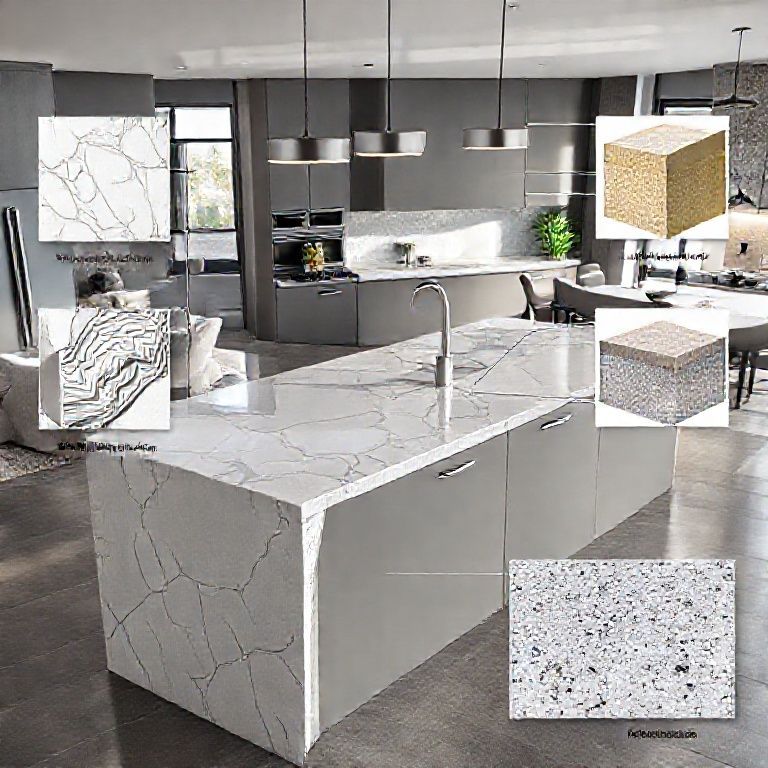
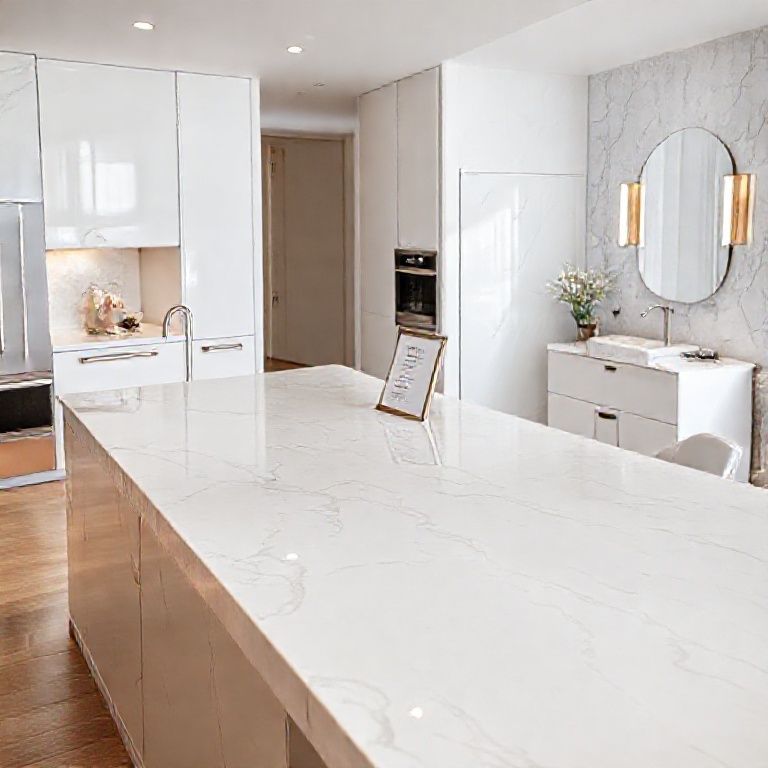
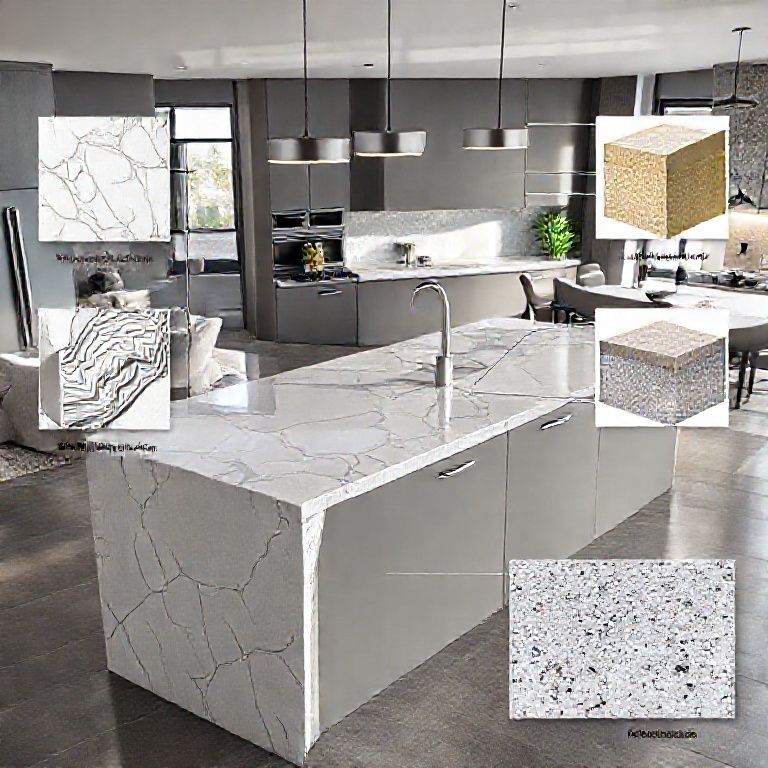
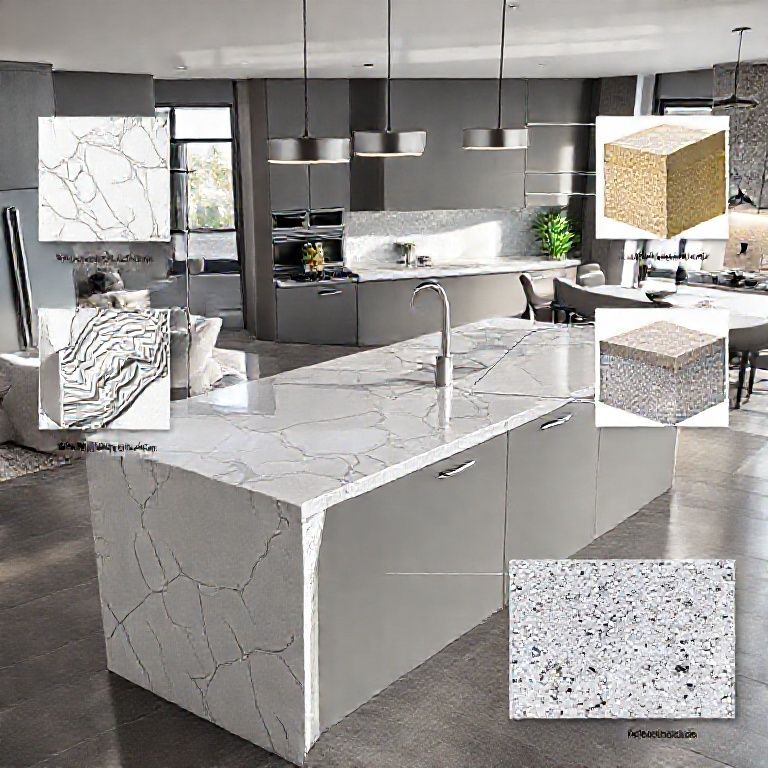
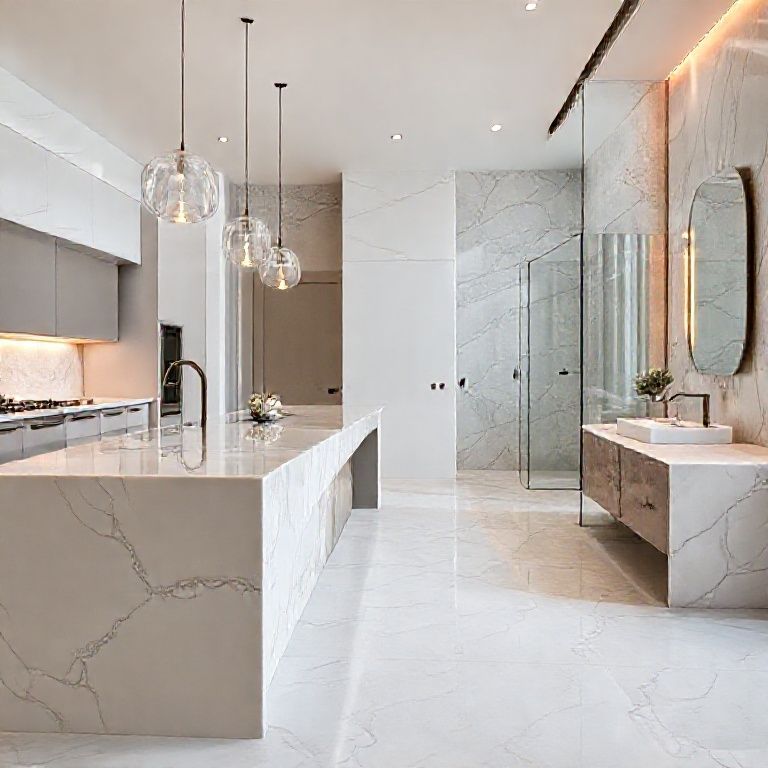
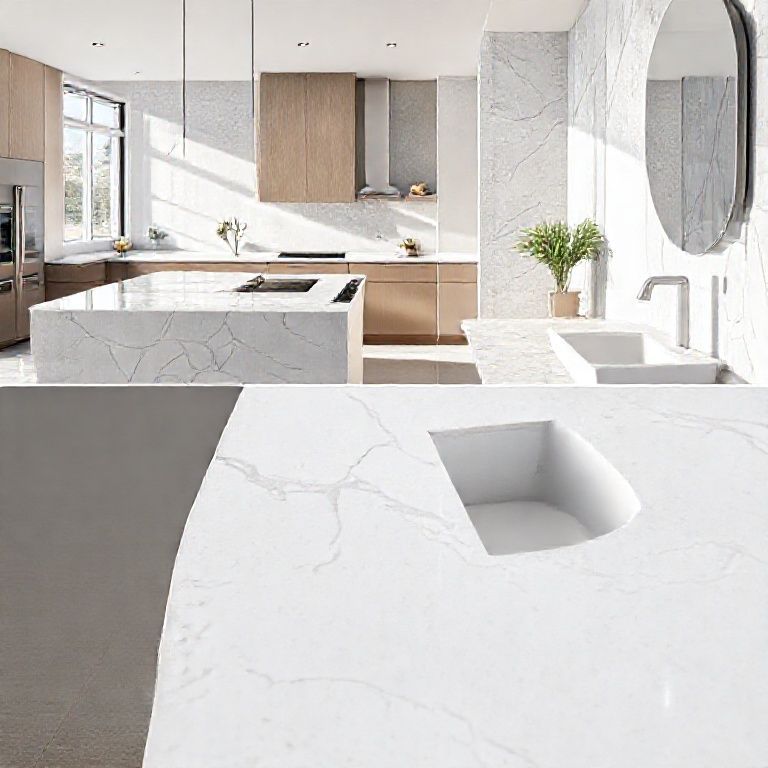
One of the most compelling aspects of KeLiNai is its versatility. With its ability to mimic the look of natural stone, marble, and even wood, KeLiNai offers a broad spectrum of visual options. Its consistency in color and texture makes it ideal for designers looking for a flawless finish. Moreover, KeLiNai’s surface is so smooth that it allows for intricate designs and seamless integration with other materials.
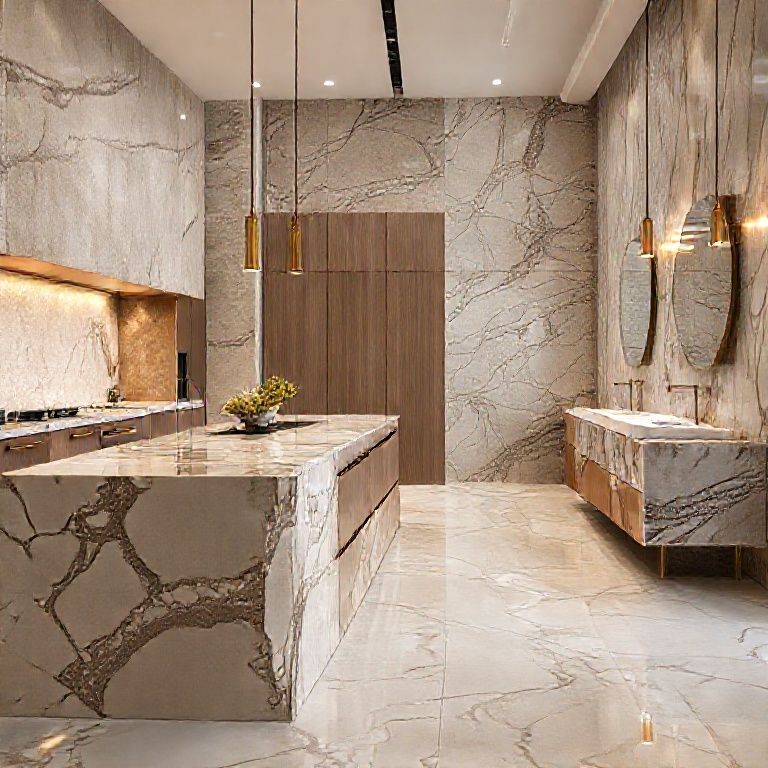
Quartz, with its natural stone roots, offers an unparalleled level of customization. The natural veins and patterns that occur during its formation give Quartz a unique, one-of-a-kind appearance. This characteristic is particularly appealing to those who prefer a more organic, less manufactured look. Quartz countertops are available in over 1,000 color variations, allowing for a nearly limitless range of aesthetic possibilities.
In terms of aesthetic appeal, Quartz has a distinct edge due to its natural beauty and uniqueness. However, KeLiNai’s advanced manufacturing process can closely mimic these natural features, providing a high-quality, consistent finish.
Maintenance: The Low-Effort Option
Both KeLiNai and Quartz are low-maintenance materials, but they have different requirements when it comes to upkeep.
KeLiNai, being a non-porous material, resists stains and scratches, which means it requires minimal maintenance. A simple wipe-down with a mild detergent and warm water is usually sufficient to keep it looking pristine. Its resistance to water absorption means spills pose no risk of staining or warping, adding to its low-maintenance appeal.
Quartz also requires minimal upkeep. Its surface is smooth and non-porous, which makes it easy to clean. A simple wipe-down with a damp cloth and a mild cleaner will usually suffice. However, due to its natural stone composition, Quartz is slightly more susceptible to etching from acidic substances, so it’s important to use caution with items like lemon juice or vinegar-based cleaners.
Cost: Value for Money
When considering the cost, KeLiNai and Quartz present different scenarios. KeLiNai’s manufacturing process, which combines natural stone with polymer resins, makes it a more affordable option. This advanced technology allows for a wide range of designs at competitive prices, making KeLiNai accessible to a broader audience.
Quartz, while slightly more expensive due to its natural stone composition, offers a premium look and feel. The cost of Quartz countertops generally reflects their superior quality and durability, making them a worthwhile investment for those who prioritize high-end aesthetics and performance.
In conclusion, both KeLiNai and Quartz offer excellent durability and aesthetic appeal, but the choice ultimately depends on your specific needs and preferences. KeLiNai stands out for its consistency and affordability, while Quartz shines with its natural beauty and customization options.
KeLiNai vs Quartz: Installation, Environmental Impact, and Long-Term Considerations
When it comes to choosing between KeLiNai and Quartz, several additional factors come into play, including installation complexity, environmental impact, and long-term considerations. These aspects are crucial for making an informed decision that aligns with your overall goals and values.
Installation: Ease and Expertise
Installation is another critical factor that can influence your decision between KeLiNai and Quartz. Both materials have distinct installation requirements that can affect the overall project timeline and cost.
KeLiNai, being an engineered stone, is relatively easy to install. Its solid surface nature means it can be cut and shaped with standard tools, making it accessible for both professional installers and DIY enthusiasts. The material’s uniform thickness and smooth surface also mean it can be installed quickly and with minimal waste.
Quartz, due to its natural stone composition, requires more expertise for installation. Its uneven thickness and intricate patterns mean it often requires more precise cutting and fitting. Professional installers typically handle Quartz installations to ensure the best results. While this adds to the overall cost, it also ensures a flawless finish that highlights the material’s natural beauty.
Environmental Impact: Sustainability Considerations
In today’s world, sustainability is an essential consideration for many. Both KeLiNai and Quartz offer unique advantages in terms of environmental impact.
KeLiNai is manufactured using a process that combines natural stone with polymer resins, which means it’s a more sustainable option in terms of resource usage. The production process minimizes waste and uses fewer natural resources compared to traditional stone quarrying. Additionally, KeLiNai’s durability means it requires less frequent replacement, further reducing its environmental footprint.
Quartz, being a natural stone, has its own sustainability considerations. While it is a renewable resource, the process of quarrying and transporting natural stone can have significant environmental impacts. However, advancements in responsible mining practices have helped mitigate some of these concerns. Quartz’s durability also means it offers a long-lasting option, reducing the need for frequent replacements and thus contributing to a lower overall environmental impact.
Long-Term Considerations: Durability and Value Retention
Long-term considerations include the durability and value retention of each material. Both KeLiNai and Quartz are known for their longevity, but their performance over time can vary based on usage and maintenance.
KeLiNai’s advanced manufacturing process ensures consistent quality and durability. Its non-porous surface means it resists stains and scratches, maintaining its appearance over the long term. KeLiNai also offers a warranty that typically covers any manufacturing defects, providing peace of mind for homeowners.
Quartz, with its natural stone composition, offers excellent durability. Its resistance to scratches, stains, and heat means it retains its appearance and value over time. Quartz countertops are known for their longevity, often lasting the lifetime of a home with proper care. The natural beauty and customization options of Quartz also contribute to its value retention.
Conclusion: Making the Final Choice
Choosing between KeLiNai and Quartz ultimately comes down to your specific needs, preferences, and values. Here’s a quick recap of the key points:
Durability: Both materials offer impressive durability, with KeLiNai’s advanced manufacturing process giving it a slight edge in longevity and consistent quality. Aesthetic Appeal: Quartz stands out for its natural beauty and customization options, while KeLiNai offers versatility and consistency in design. Maintenance: Both materials are low-maintenance, but KeLiNai’s non-porous surface provides extra resistance to stains and scratches. Cost: KeLiNai is generally more affordable, while Quartz offers a premium look at a higher price point. Installation: KeLiNai is easier to install, whereas Quartz requires more expertise for a flawless finish. Environmental Impact: KeLiNai’s manufacturing process is more sustainable, but Quartz’s durability also contributes to a lower environmental impact over time. Long-Term Considerations: Both materials offer excellent long-term durability and value retention, with KeLiNai’s consistent quality and Quartz’s natural beauty.
By weighing these factors, you can make a well-informed decision that aligns with your home improvement goals and design preferences. Whether you choose KeLiNai for its affordability and versatility or Quartz for its natural beauty and customization, both materials offer exceptional quality and performance that will enhance your home for years to come.