Choosing Between Quartz Countertops and Stainless Steel for Your Kitchen Island
When it comes to selecting the ideal material for your kitchen island’s countertop, the decision between quartz and stainless steel can be quite challenging. Each material brings a unique set of advantages and disadvantages that could significantly influence your kitchen design and functionality. Here, we delve into the details of both options to help you make a well-informed decision.
Quartz Countertops: The Modern Marvel
Quartz countertops have gained immense popularity in recent years due to their impressive durability and aesthetic appeal. Produced by mixing 93% quartz with a resin binder, these countertops offer an array of benefits that make them a preferred choice for many homeowners.
Durability and Hardness
One of the most notable features of quartz countertops is their remarkable durability. The high quartz content provides a robust, scratch-resistant surface that can withstand heavy use and daily wear and tear. This durability makes quartz an excellent choice for high-traffic areas like kitchen islands where they are subject to constant use.
Maintenance and Hygiene
Quartz countertops are also known for their low maintenance requirements. Because quartz is non-porous, liquids simply bead up instead of seeping into the surface, making it easy to clean. This characteristic also means that quartz countertops are less likely to harbor bacteria and other contaminants, providing a hygienic option for food preparation areas.
Aesthetic Versatility
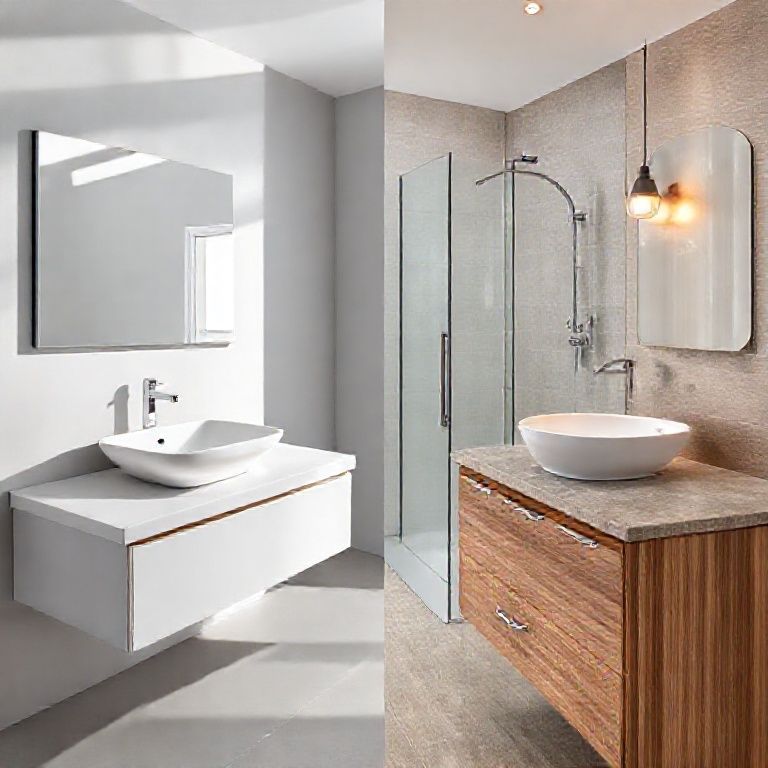
Another advantage of quartz is its versatility in terms of aesthetics. Quartz countertops are available in an extensive range of colors, patterns, and finishes, allowing homeowners to customize their kitchen design to suit their personal taste. Whether you prefer a sleek, minimalist look or an intricate, natural stone appearance, quartz offers a customizable solution.
Cost-Effectiveness
While quartz countertops may have a higher upfront cost compared to some other materials, they often offer excellent value for money. Their durability and low maintenance needs mean that you won’t need to spend as much on repairs or replacements over time. Additionally, the vast array of design options available can allow for more creative and personalized kitchen designs.
Stainless Steel: The Classic Choice
On the other hand, stainless steel countertops have long been a classic choice for kitchen islands due to their durability, functionality, and sleek appearance. Made from a blend of stainless steel and synthetic resins, these countertops have a timeless appeal that continues to attract many homeowners.
Durability and Strength
Stainless steel is renowned for its strength and durability. It’s highly resistant to scratches, dents, and impact, making it a reliable choice for kitchen islands where heavy pots and pans are regularly placed. The resilience of stainless steel also means that it can withstand years of intensive use without showing signs of wear and tear.
Maintenance and Hygiene
Stainless steel countertops are known for their easy maintenance. The smooth, non-porous surface of stainless steel makes it simple to clean and sanitize. Spills and stains can be wiped away easily, and the material’s resistance to corrosion ensures that it remains in good condition over time. This makes stainless steel a practical choice for those who prefer a low-maintenance kitchen.
Aesthetic Appeal
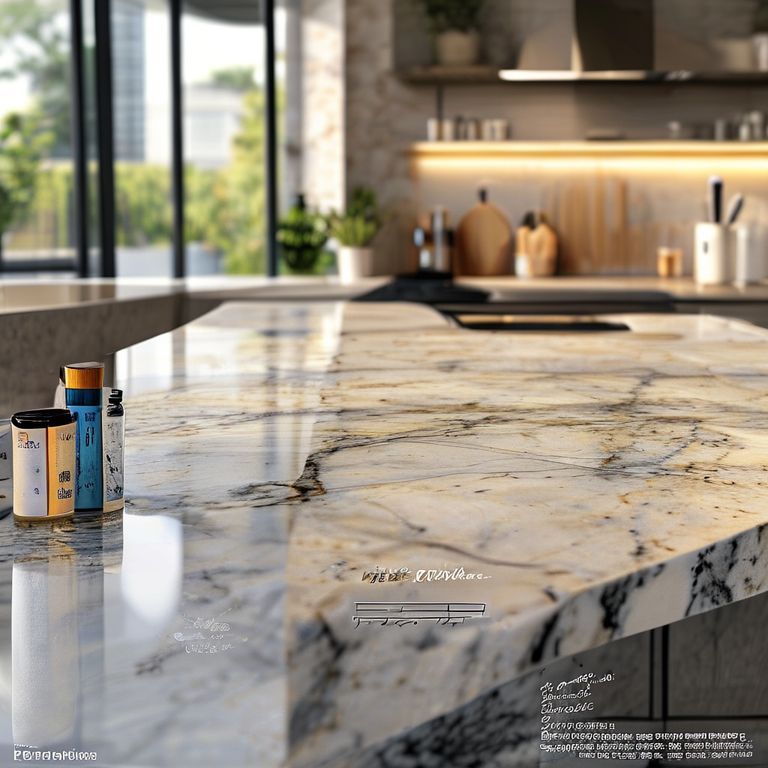
Stainless steel offers a sleek, modern look that can complement a variety of kitchen styles, from industrial to contemporary. The material’s brushed or polished finishes can add a touch of elegance to any kitchen. Additionally, the high-gloss finish of stainless steel can create a visually striking effect that enhances the overall aesthetic appeal of your kitchen island.
Cost Considerations
While stainless steel countertops can have a higher upfront cost, particularly when considering custom designs and finishes, they often offer good value due to their durability and low maintenance needs. Over time, the longevity of stainless steel means that you may not need to invest in as many replacements or repairs as you would with other materials.
Pros and Cons Comparison
To further assist in your decision-making process, here’s a detailed comparison of the pros and cons of quartz and stainless steel countertops:
Quartz Countertops:
Pros:
Highly durable and scratch-resistant Low maintenance due to non-porous surface Wide range of colors and patterns Hygienic and less likely to harbor bacteria Cost-effective over time due to durability and low maintenance
Cons:
Higher upfront cost compared to some materials Slightly heavier than some alternatives Installation can be more complex
Stainless Steel Countertops:
Pros:
Extremely durable and resistant to impact Easy to clean and maintain Sleek, modern aesthetic appeal Good value due to durability and low maintenance Available in various finishes and styles
Cons:
Higher upfront cost, especially for custom designs Can show fingerprints and smudges Requires regular cleaning to maintain shine
Conclusion
Choosing between quartz and stainless steel for your kitchen island’s countertop ultimately comes down to your personal preferences, lifestyle, and design goals. Quartz offers unmatched durability, low maintenance, and a vast array of aesthetic options, making it a modern and versatile choice. Stainless steel, on the other hand, provides timeless strength, easy maintenance, and a sleek, contemporary look that can enhance the overall design of your kitchen.
By considering the pros and cons of each material, you can make a well-informed decision that will enhance the functionality and beauty of your kitchen island for years to come.
Choosing Between Quartz Countertops and Stainless Steel for Your Kitchen Island
In this second part of our comprehensive guide, we continue to explore the intricate details of quartz and stainless steel countertops, focusing on their installation, long-term performance, and specific use-case scenarios to help you make the best choice for your kitchen island.
Installation and Professional Expertise
When it comes to installation, both quartz and stainless steel countertops require professional expertise to ensure a seamless and durable finish.
Quartz Countertops:
The installation of quartz countertops typically involves securing the material to your kitchen island using a suitable adhesive or mechanical fasteners. While quartz is generally easier to install than some other stone materials, the process can be more complex compared to stainless steel due to the material’s density and weight. Professional installers are recommended to achieve a flawless installation that maximizes the durability and longevity of your quartz countertop.
Stainless Steel Countertops:
Stainless steel countertops are often more straightforward to install, as they are typically lighter and more manageable than quartz. The installation process usually involves securing the countertop to the island using brackets or other mounting hardware. The smooth, flat surface of stainless steel also makes it easier to achieve a seamless integration with your kitchen island, reducing the need for extensive finishing work.
Long-Term Performance and Durability
Both quartz and stainless steel are known for their exceptional durability, but their long-term performance can vary based on usage and maintenance.
Quartz Countertops:
Quartz is highly resistant to scratches, dents, and impact, making it a durable choice for kitchen islands that experience heavy use. The material’s non-porous surface ensures that it remains hygienic over time, reducing the risk of bacteria growth and odors. However, the installation process can be more intricate, and the material’s density means it may require careful handling to avoid damage during installation and use.
Stainless Steel Countertops:
Stainless steel’s durability is primarily due to its strength and resistance to corrosion. The material’s resilience makes it suitable for high-traffic areas like kitchen islands, where it can withstand the daily wear and tear of cooking and food preparation. However, stainless steel can show fingerprints and smudges, which may require regular cleaning to maintain its appearance. Over time, the material can develop a patina, which some may find appealing while others may prefer a consistently shiny surface.
Use-Case Scenarios
To help you determine the best material for your kitchen island, let’s consider some specific use-case scenarios and how each material performs in these situations.
Heavy Cooking and Food Preparation:
For kitchen islands that are heavily used for cooking and food preparation, both quartz and stainless steel are excellent choices due to their durability and resistance to heat and spills. Quartz offers a non-porous surface that is easy to clean and hygienic, making it ideal for areas where food is frequently prepared. Stainless steel, with its smooth, easy-to-clean surface, also provides a practical solution for busy cooking areas, although regular maintenance may be required to keep it looking pristine.
Casual Dining and Everyday Use:
If your kitchen island is used for casual dining and everyday activities, both quartz and stainless steel can provide a functional and aesthetically pleasing surface. Quartz’s wide range of colors and patterns allows for a personalized look that can complement various kitchen styles. Stainless steel’s sleek, modern appearance can add a touch of elegance to any kitchen, making it suitable for both casual and formal dining spaces.
Budget Considerations
Budget is often a significant factor when choosing between quartz and stainless steel countertops. Here’s a closer look at the cost considerations for each material.
Budget Considerations
When deciding between quartz and stainless steel countertops, budget is often a significant factor. Both materials offer high-quality options, but their cost can vary based on factors such as design, thickness, and installation complexity.
Quartz Countertops:
Quartz countertops typically have a higher upfront cost compared to some other materials. This is due to the quality of the material and the extensive range of colors, patterns, and finishes available. On average, quartz countertops can range from $40 to $80 per square foot, depending on the specific design and quality of the material used.
However, the higher cost of quartz often translates to a more durable and low-maintenance option, which can save you money on repairs and maintenance over time. Additionally, the ability to customize the appearance of quartz countertops can provide a higher return on investment by allowing you to create a unique and personalized kitchen design.
Stainless Steel Countertops:
Stainless steel countertops generally offer a more budget-friendly option compared to quartz. The cost of stainless steel countertops typically ranges from $20 to $50 per square foot, depending on the type of steel used and any additional features or finishes applied.
While stainless steel may have a lower upfront cost, it’s important to consider the potential for higher maintenance costs over time. Stainless steel can show fingerprints, smudges, and may require regular cleaning to maintain its shine and appearance. However, the material’s durability and strength make it a cost-effective choice for long-term use.
Environmental Considerations
Both quartz and stainless steel have distinct environmental impacts that are worth considering when making your decision.
Quartz Countertops:
Quartz is a natural stone that is sustainably sourced, and its production process is generally less harmful to the environment compared to some synthetic materials. However, the transportation of quartz stone from quarries to manufacturing facilities can have a significant carbon footprint.
Additionally, while quartz is durable and low maintenance, the adhesives and other materials used in its installation can release harmful chemicals into the environment if not properly managed. Choosing a reputable manufacturer and installer can help mitigate these concerns.
Stainless Steel Countertops:
Stainless steel is a recyclable material, which makes it a more environmentally friendly option compared to many non-recyclable materials. The production process for stainless steel involves less energy consumption compared to quartz, and it can be recycled and reused multiple times without losing quality.
However, the mining and processing of the raw materials used in stainless steel can have environmental impacts, including land disturbance and water pollution. Choosing sustainably sourced and responsibly produced stainless steel can help reduce these environmental concerns.
Conclusion
Choosing between quartz and stainless steel countertops for your kitchen island ultimately depends on your personal preferences, lifestyle, budget, and environmental considerations. Quartz offers unmatched durability, low maintenance, and a wide range of aesthetic options, making it a modern and versatile choice. Stainless steel provides timeless strength, easy maintenance, and a sleek, contemporary look that can enhance the overall design of your kitchen.
By carefully considering the pros and cons of each material, installation requirements, long-term performance, and specific use-case scenarios, you can make a well-informed decision that will enhance the functionality and beauty of your kitchen island for years to come.
Whether you opt for the modern elegance of quartz or the timeless strength of stainless steel, both materials offer high-quality options that can transform your kitchen into a space that meets your needs and reflects your personal style.