Characteristics, Advantages, and Maintenance
In the world of kitchen design, choosing the right material for your cabinet countertops is crucial. Slate and quartz are two popular options that stand out for their unique characteristics and benefits. Let’s explore these in detail to help you decide which one is the best fit for your kitchen.
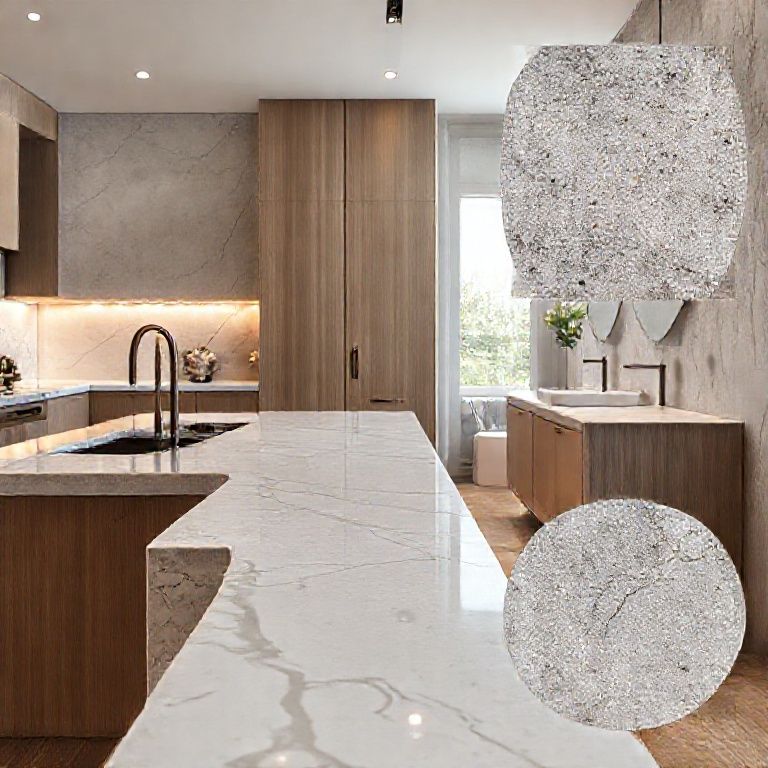
Slate: The Timeless Appeal of Natural Stone
Characteristics: Slate is a natural stone that is known for its durability and unique, veined appearance. It’s formed from metamorphic rocks that have been subjected to pressure and heat, resulting in a dense and robust material.
Advantages:
Aesthetic Appeal: Slate offers a classic and timeless look that adds elegance to any kitchen. Its natural veining and color variations create a unique, one-of-a-kind appearance. Durability: Slate is incredibly hard and resistant to scratches, making it a long-lasting option. It can withstand daily use without showing wear and tear easily. Heat Resistance: Slate can withstand high temperatures, making it a safe choice for kitchens where appliances generate a lot of heat.
Maintenance: Slate is generally low-maintenance, but it does require some care. Here’s what you need to know:
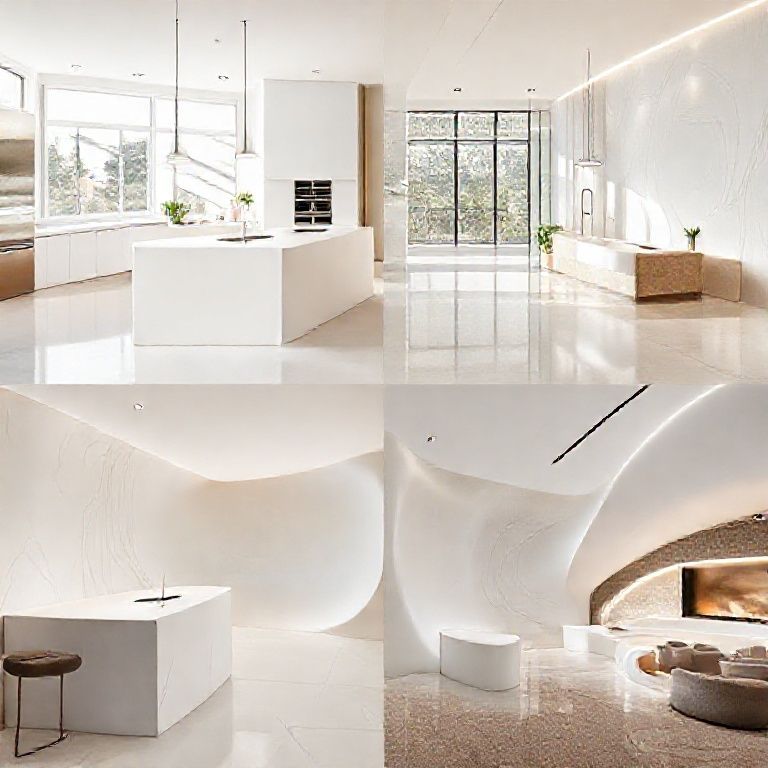
Cleaning: Use a damp cloth with mild soap and water to clean slate countertops. Avoid using abrasive cleaners or sponges that can scratch the surface. Sealing: While slate doesn’t typically need to be sealed, it’s a good idea to apply a food-grade sealant periodically to enhance its durability and protect against stains. Avoiding Sharp Objects: To prevent scratches, avoid placing sharp objects directly on the surface.
Quartz: The Modern Marvel of Countertops
Characteristics: Quartz is a synthetic material made from 90% quartz powder and other minerals, bonded together under high pressure and temperature. This process creates a solid surface that is both beautiful and highly functional.
Advantages:
Aesthetic Versatility: Quartz comes in a wide array of colors and patterns, allowing for virtually limitless design possibilities. It can mimic the look of natural stone, wood, or metal, making it suitable for any style. Low Maintenance: Quartz countertops are incredibly easy to clean and maintain. A simple wipe with a damp cloth and mild soap is usually sufficient. They are also resistant to stains, scratches, and dents. Durability: Quartz is incredibly strong and resistant to heat, making it a great choice for modern, high-traffic kitchen areas.
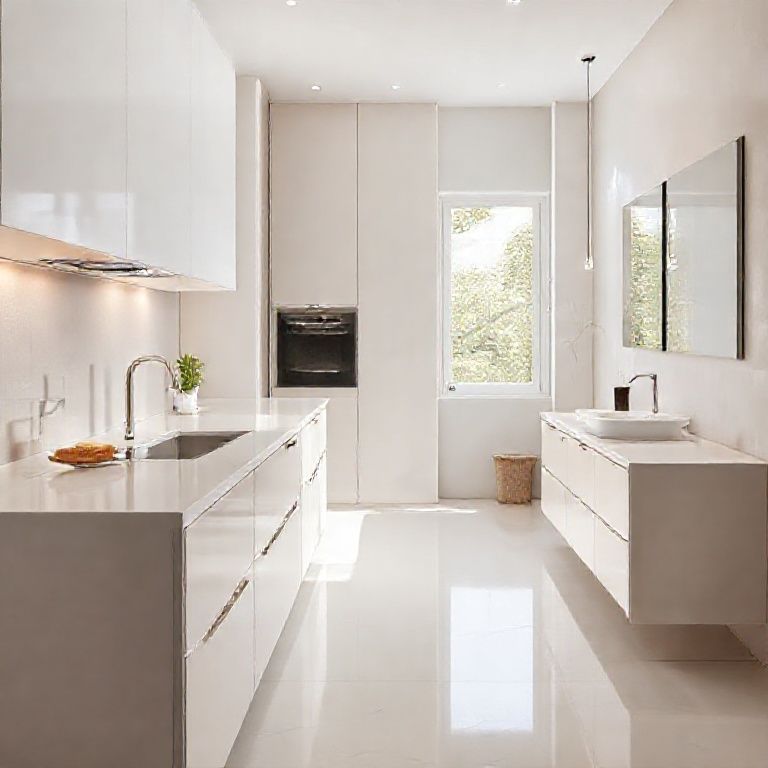
Maintenance: Given its synthetic nature, quartz requires minimal maintenance:
Cleaning: Regular cleaning with a damp cloth and mild soap will keep your quartz countertop looking new. Avoiding Heat Sources: While quartz can withstand high temperatures, it’s best to avoid placing hot pots and pans directly on the surface to prevent thermal damage. No Sealing Needed: Unlike natural stone, quartz does not require sealing to maintain its integrity.
Comparison: Slate vs. Quartz
Both slate and quartz have their own set of unique advantages that make them appealing for different reasons. Here’s a side-by-side comparison to help you make an informed decision:
Durability:
Slate: Highly durable and resistant to scratches and daily wear. Quartz: Extremely durable, resistant to scratches, dents, and stains.
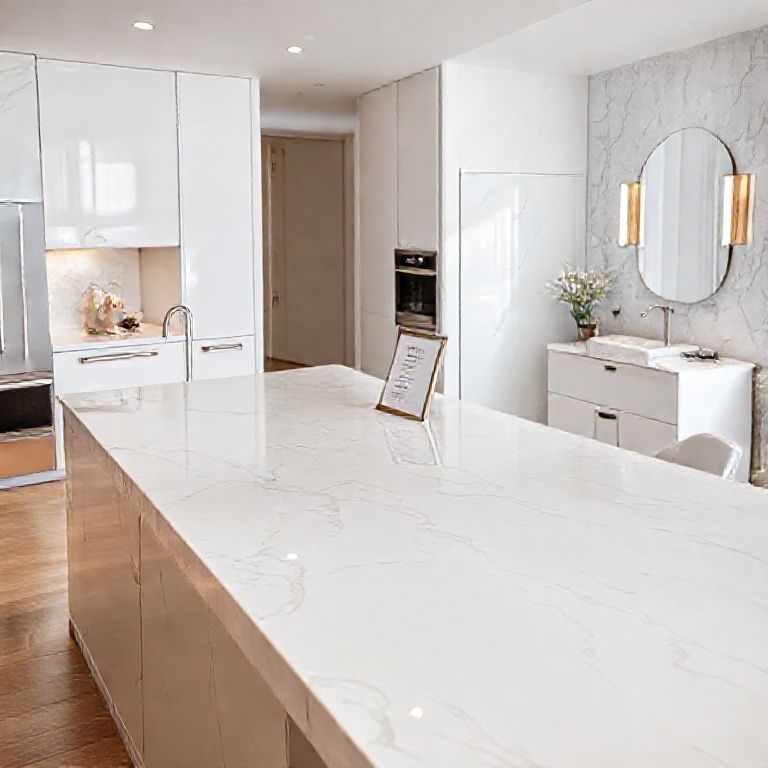
Maintenance:
Slate: Low maintenance but requires periodic sealing and care to avoid scratches. Quartz: Very low maintenance, easy to clean, and requires no sealing.
Design Flexibility:
Slate: Offers a classic, natural look with unique veining and color variations. Quartz: Provides a wide range of design options with customizable colors and patterns.
Cost:
Slate: Generally more expensive than quartz due to its natural stone composition. Quartz: More affordable with a wide range of price points based on design and quality.
Conclusion: Both slate and quartz offer remarkable benefits that cater to different preferences and needs. Slate’s timeless appeal and natural beauty make it a cherished choice for those who value classic elegance. On the other hand, quartz’s versatility, durability, and low maintenance make it an ideal option for modern, design-focused kitchens.
In the next part, we will delve deeper into the cost, durability, and overall aesthetic appeal of slate and quartz, providing you with a comprehensive understanding of these two popular countertop materials.
Cost, Durability, and Aesthetic Appeal
In the previous part, we delved into the characteristics, advantages, and maintenance of slate and quartz as countertop materials. Now, let’s take a closer look at their cost, durability, and overall aesthetic appeal to help you make a well-informed decision.
Cost: A Comparative Analysis
When considering the cost of slate and quartz countertops, it’s essential to understand that both materials offer different price ranges and value propositions.
Slate:
Initial Cost: Slate countertops are generally more expensive than quartz due to their natural stone composition and the artisanal process involved in cutting and shaping the slabs. Long-Term Value: While the initial cost is higher, slate’s durability and timeless appeal often result in a longer lifespan, reducing the need for frequent replacements. Customization: Slate slabs are typically cut to size on-site, which can lead to additional costs based on the complexity of the design and the amount of material needed.
Quartz:
Initial Cost: Quartz countertops are more affordable, with a wide range of price points based on design, quality, and customization options. Long-Term Value: Quartz’s durability and low maintenance make it a cost-effective choice over time, especially considering its resistance to scratches, stains, and dents. Customization: Quartz can be molded into a variety of shapes and sizes, offering extensive customization options without the added cost of on-site cutting.
Durability: Long-Term Benefits
Both slate and quartz offer impressive durability, but their long-term benefits can vary.
Slate:
Scratch Resistance: Slate’s natural hardness makes it highly resistant to scratches, which ensures that the surface remains pristine over time. Heat Resistance: Its ability to withstand high temperatures means that it can handle the heat generated by various kitchen appliances without damage. Aging Well: Slate’s natural appearance can age beautifully, with its unique veining and color variations developing a richer, more refined look over time.
Quartz:
Scratch and Stain Resistance: Quartz’s synthetic nature makes it incredibly resistant to scratches, stains, and dents. This ensures that the countertop maintains its appearance and functionality for many years. Heat Resistance: Like slate, quartz is highly heat-resistant, making it suitable for modern, high-traffic kitchen areas. Consistency: Quartz’s uniform composition means that it does not age or change appearance over time, providing a consistent look that remains vibrant and new.
Aesthetic Appeal: Design and Functionality
The aesthetic appeal of slate and quartz is where they truly shine, offering distinct design options that cater to various tastes and styles.
Slate:
Timeless Elegance: Slate’s natural veining and color variations offer a classic, timeless look that adds elegance to any kitchen. Its unique appearance makes it a standout choice for traditional and rustic designs. Warmth: The warm tones of slate can create a cozy and inviting kitchen atmosphere, perfect for those who appreciate natural materials and traditional aesthetics. Customization: While slate slabs are often cut to size on-site, the natural variations in each piece mean that no two slate countertops are exactly alike, adding a touch of uniqueness to your kitchen.
Quartz:
石板(Slate):
优点:
天然美观:石板具有独特的天然纹理和色彩,能够为橱柜台面增添一种古典和自然的美感。 耐用性强:石板具有很高的耐磨性和耐刮擦性,能够长时间保持其外观。 抗热性好:石板能够承受高温,不会因热量变形或损坏。
缺点:
成本高:由于其天然石材的特点,石板的价格通常比石英石高。 维护要求高:虽然石板的耐用性强,但仍需要定期保养,如使用食品级密封剂来防止污渍渗入。 重量大:石板比石英石重,可能增加安装难度和成本。
石英石(Quartz):
优点:
高度定制化:石英石可以模仿各种材料的外观,如大理石、木材、金属等,满足各种设计需求。 易于维护:石英石表面光滑,不易粘污,只需简单擦拭即可保持清洁。 价格适中:相比天然石材,石英石的价格通常较为亲民,提供了更多的预算选择。 轻便:石英石比石板轻,安装更为方便。
缺点:
抗冲击性较差:虽然石英石耐刮擦,但它对于硬物撞击较为敏感,可能会产生裂痕或划痕。 热敏感:尽管石英石耐热,但直接放置热物品可能会导致表面变形或损坏。
在不同设计风格和预算下的适用性:
传统和古典设计:石板适合于传统和古典风格的厨房设计,因为它的天然纹理和色彩能够增添历史感和温暖感。 现代和简约设计:石英石非常适合现代和简约风格的厨房设计,尤其是那些追求多样化和定制化外观的设计。 预算有限:对于预算有限的消费者来说,石英石通常是更好的选择,因为它的价格相对实惠,同时提供了多种选择。
预算充足:对于那些追求高品质和独特性的消费者,石板可能是更好的选择,尤其是当他们希望拥有一种独一无二的、经典而耐久的外观。
石板和石英石各有优缺点,适合不同的设计风格和预算需求。选择哪一种材料应基于个人喜好、预算以及对橱柜台面的具体要求。