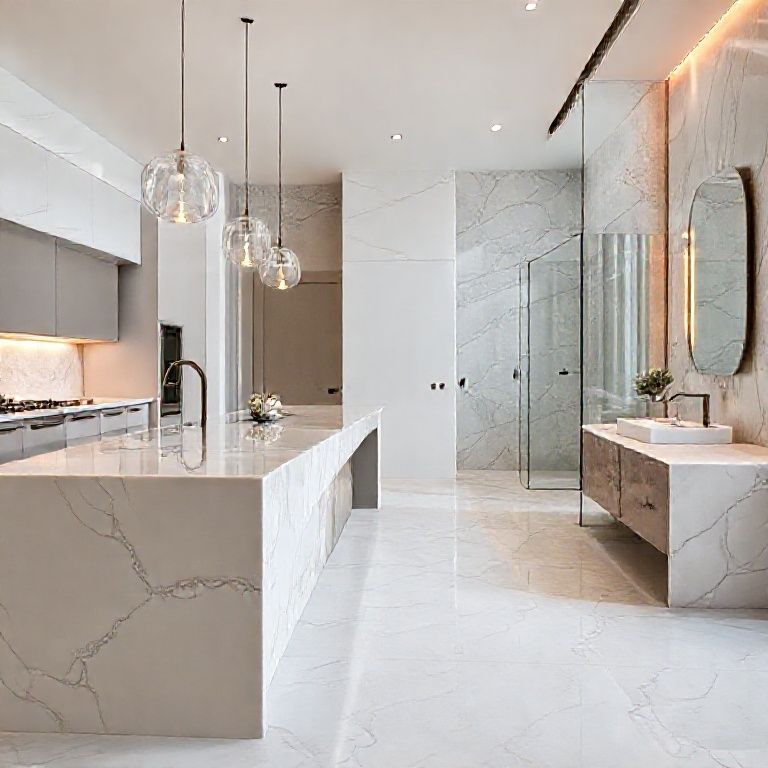
Synthetic Quartz vs. Synthetic Marble: The Battle for Luxury and Durability
When it comes to creating a high-end kitchen or bathroom space, the choice between synthetic quartz and synthetic marble is a pivotal one. Both materials have their unique advantages and cater to different design preferences. This part of our comparison will explore the intricate details of these two exquisite materials, shedding light on their costs, aesthetics, and practical benefits.
1. The Aesthetic Appeal: A Designer’s Dream
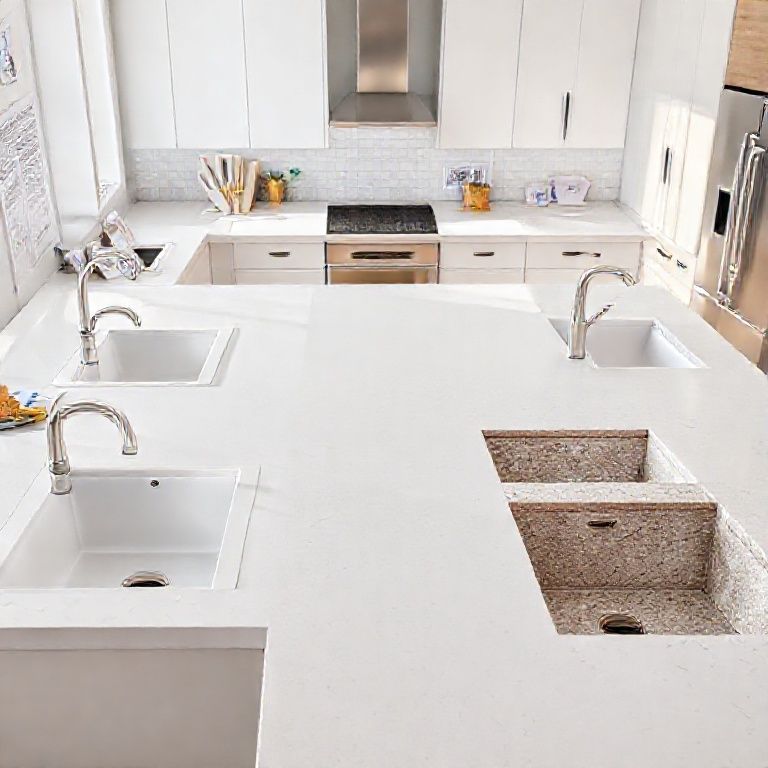
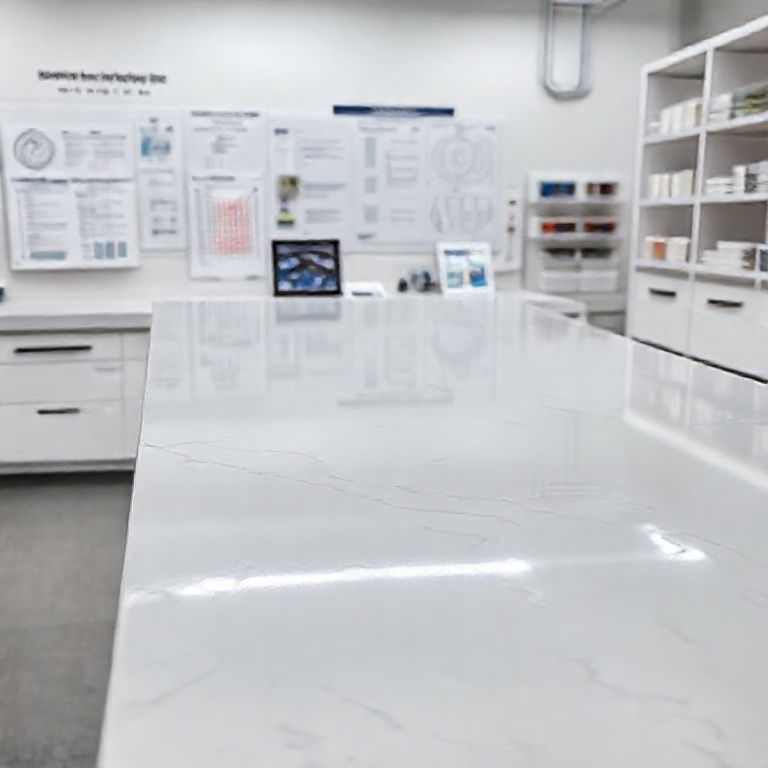
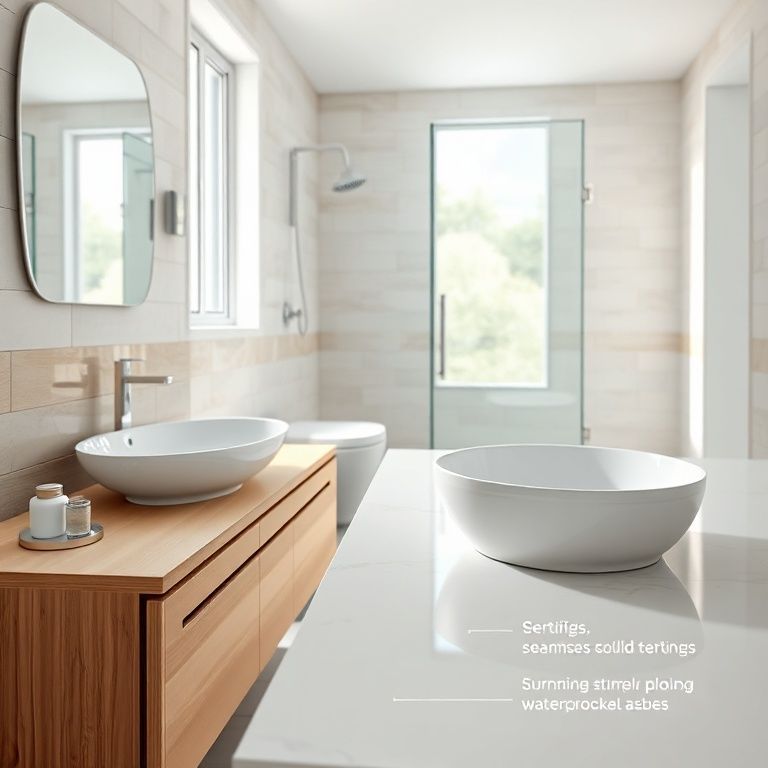
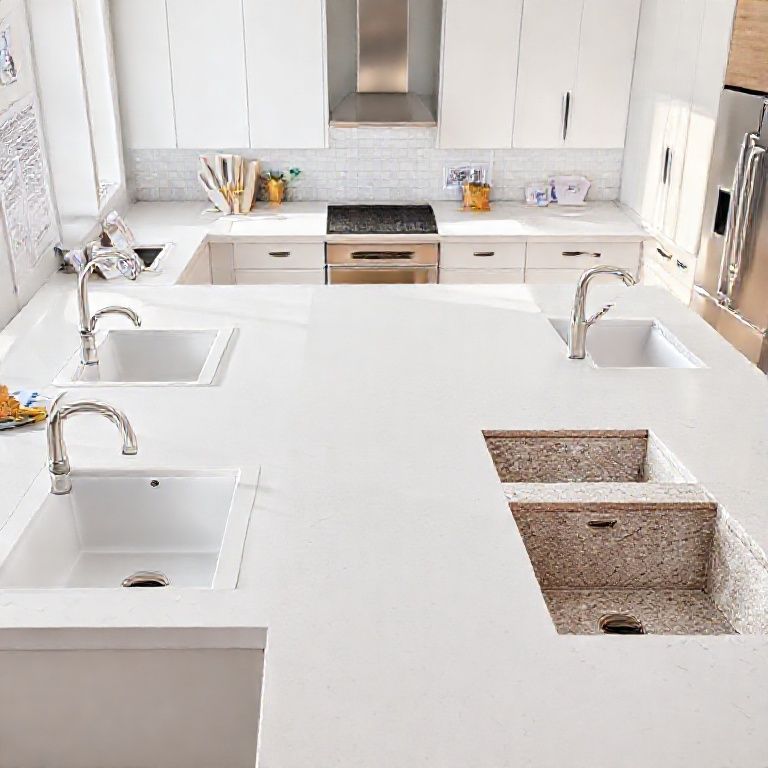
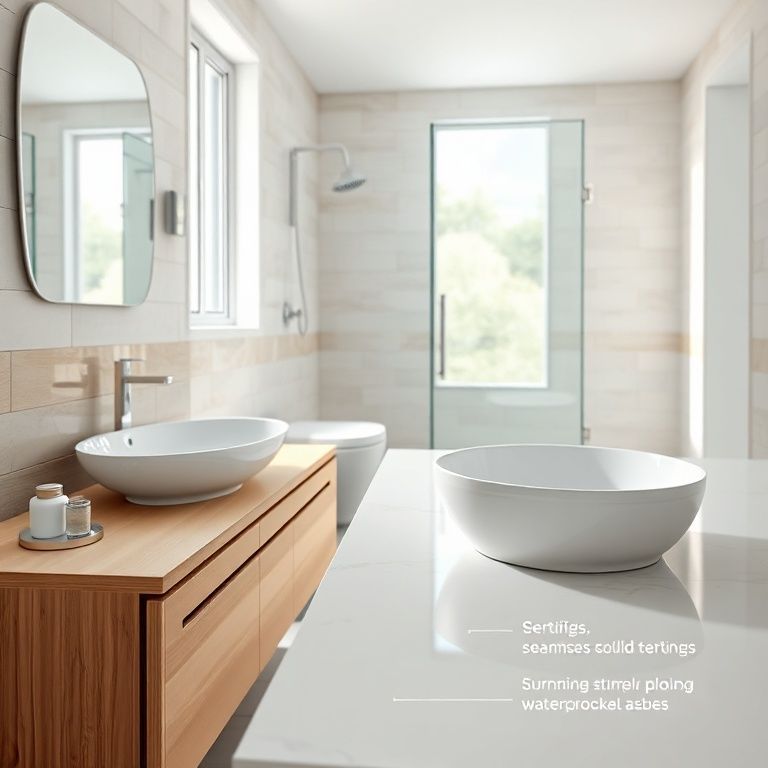
Synthetic quartz and synthetic marble both boast a striking visual appeal that can transform any space. Quartz countertops are renowned for their flawless, crystalline appearance. The material is a blend of 93% natural quartz and a binding agent, resulting in a surface that mirrors the beauty of natural quartz while being more durable and easier to work with.
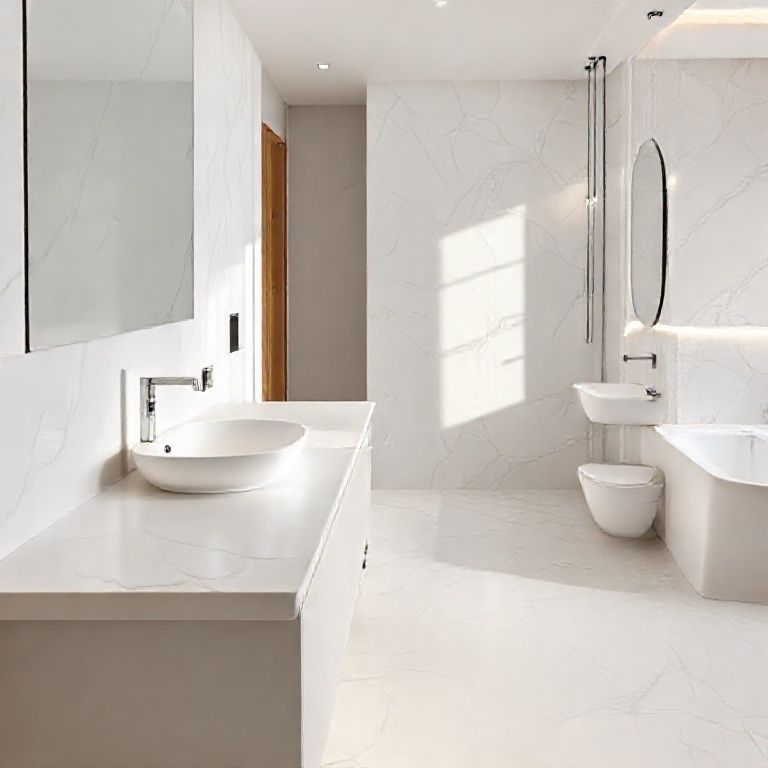
On the other hand, synthetic marble, although not made from natural marble, offers a stunning marble-like finish that can mimic various types of natural marble. Its ability to replicate the intricate veining and color variations found in natural marble makes it a popular choice for those seeking a luxurious yet affordable option.
2. Durability and Maintenance: The Practical Side
Durability is a crucial factor when choosing between synthetic quartz and synthetic marble. Both materials are incredibly hard, ranking high on the Mohs scale, which makes them resistant to scratches, stains, and scratches. However, they handle different types of wear and tear differently.
Synthetic quartz is virtually indestructible. It does not chip, crack, or scratch easily, and it does not react to acidic substances. This makes it an excellent choice for high-traffic areas where durability is paramount. Additionally, quartz countertops are low-maintenance; they only require regular cleaning with mild soap and water to maintain their pristine look.
Synthetic marble, while also highly durable, requires a bit more care. Although it’s resistant to most stains, it can be scratched if exposed to sharp objects. It’s also slightly more susceptible to acidic substances compared to quartz. Therefore, it’s important to use cutting boards and other items that might scratch the surface carefully. Regular cleaning with a mild soap and water solution can help maintain its beauty.
3. Cost Considerations: Balancing Luxury with Budget
When comparing synthetic quartz and synthetic marble, cost is often a major consideration. Both materials offer luxurious finishes at a fraction of the price of their natural counterparts. However, synthetic quartz tends to be on the higher end of the cost spectrum.
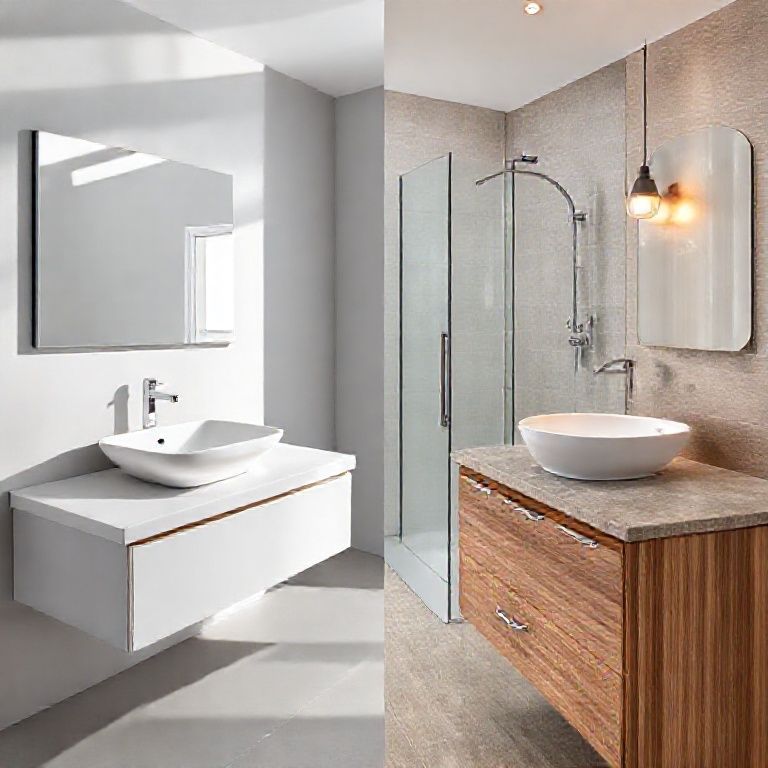
The cost of synthetic quartz countertops typically ranges from $40 to $70 per square foot. This higher price point is reflective of its superior durability, aesthetic appeal, and low maintenance requirements. Additionally, quartz surfaces are available in a myriad of colors and patterns, offering extensive design possibilities.
Synthetic marble, on the other hand, is more budget-friendly, with prices generally ranging from $20 to $50 per square foot. This makes it an attractive option for those looking to achieve a marble-like finish without breaking the bank. There are also many color and pattern options available for synthetic marble, ensuring that it can match various design styles.
4. Installation and Versatility
Both synthetic quartz and synthetic marble are designed for easy installation, which is another factor that can influence your decision. The installation process is relatively straightforward, and these materials can be used in a variety of applications beyond kitchen and bathroom countertops.
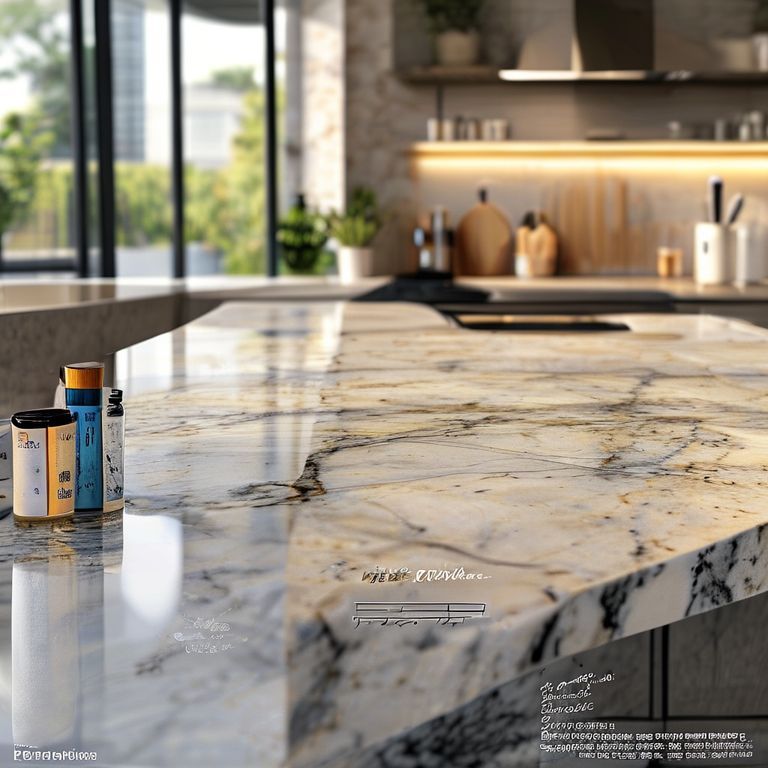
Synthetic quartz is versatile and can be used for various applications, including backsplashes, vanities, and even flooring. Its non-porous nature makes it suitable for areas that require a high level of hygiene, such as kitchens and bathrooms.
Synthetic marble is equally versatile and can be used for similar applications. Its ability to replicate natural marble’s veining makes it a popular choice for countertops, but it can also be used for vanities, backsplashes, and decorative elements in home decor.
5. Environmental Impact
In today’s eco-conscious world, the environmental impact of the materials we choose is a significant consideration. Synthetic quartz and synthetic marble both offer environmentally friendly options compared to natural quartz and marble.
Synthetic quartz is produced using a process that conserves natural quartz resources, as it only requires a small percentage of the natural material. Additionally, it is a closed-cell material, meaning it does not absorb water or odors, which makes it a healthier choice for indoor environments.
Synthetic marble also conserves natural marble resources since it does not require the extraction of natural marble. It is made from a combination of minerals and a resin binder, making it a sustainable alternative to natural marble.
Synthetic Quartz vs. Synthetic Marble: Detailed Insights and Final Thoughts
In the second part of our comparison, we will dive deeper into the nuanced aspects of synthetic quartz and synthetic marble. We will examine their long-term benefits, potential drawbacks, and specific use cases to provide a comprehensive understanding of these luxurious materials.
1. Long-Term Benefits: Durability and Consistency
One of the most compelling long-term benefits of synthetic quartz is its unparalleled durability. The material’s high resistance to scratches, stains, and thermal damage makes it an ideal choice for high-traffic areas where wear and tear are inevitable. The consistency of synthetic quartz also means that it maintains its appearance over time without fading or discoloration.
Synthetic marble, while also highly durable, may not match the longevity of synthetic quartz in all scenarios. Its resistance to scratches and stains is excellent, but it can still be affected by sharp objects and acidic substances. Over time, synthetic marble may also develop minor scratches or stains that are less noticeable but can impact its overall appearance.
2. Thermal Resistance: A Safety Concern
Thermal resistance is another critical factor to consider when choosing between synthetic quartz and synthetic marble. Synthetic quartz excels in this area due to its high thermal resistance. It can withstand temperatures up to 400°F without warping or cracking, making it safe for use in areas where hot pans and dishes are common.
Synthetic marble also has good thermal resistance, but it may not perform as well as synthetic quartz in extremely high-temperature scenarios. While it can handle typical kitchen temperatures, it’s advisable to avoid placing extremely hot items directly on the surface to prevent potential damage.
3. Chemical Resistance: A Practical Advantage
Chemical resistance is another advantage of synthetic quartz. It does not react to most chemicals, including cleaning agents, which makes it easier to clean and maintain. This is particularly beneficial in commercial kitchens where various cleaning chemicals are used regularly.
Synthetic marble, while resistant to many chemicals, can be affected by strong acids and solvents. It’s important to use appropriate cleaning solutions to avoid potential damage to the surface.
4. Design Flexibility: Tailoring to Your Needs
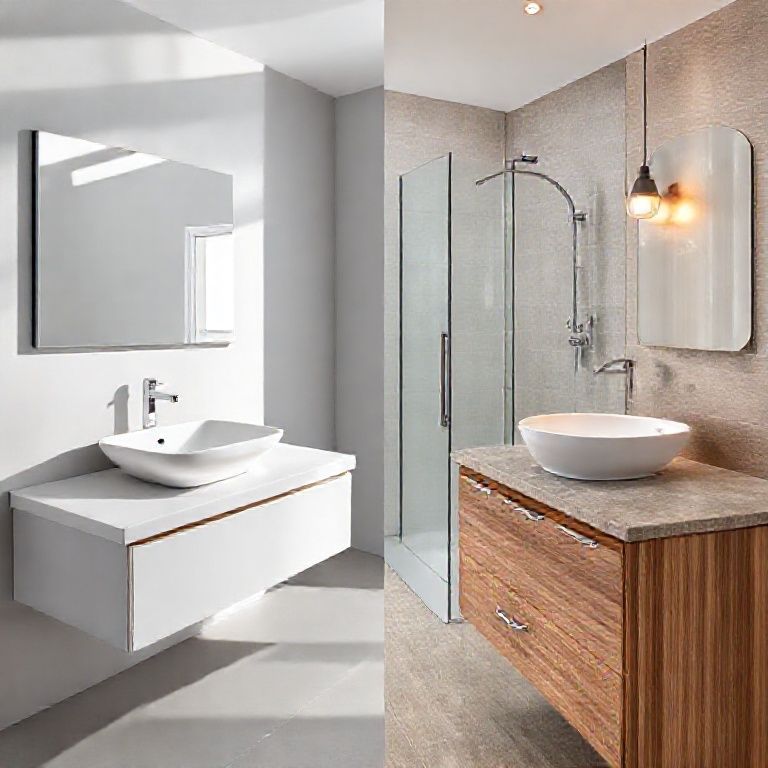
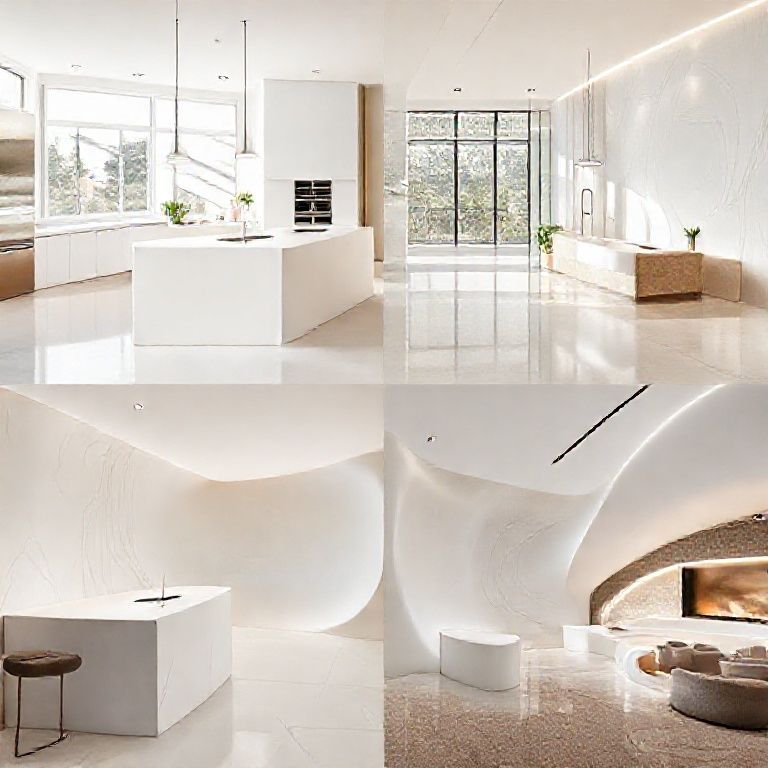
Both synthetic quartz and synthetic marble offer extensive design flexibility, but they cater to slightly different design needs. Synthetic quartz’s wide range of colors and patterns allows for extensive customization, making it suitable for modern, minimalist, and contemporary designs. Its ability to mimic natural quartz while being more durable and affordable makes it a versatile choice for various applications.
Synthetic marble, with its marble-like veining and color variations, offers a more traditional and classic aesthetic. It’s ideal for designs that seek to replicate the timeless beauty of natural marble while providing a cost-effective and durable alternative. Its versatility makes it suitable for both traditional and modern design styles.
5. Installation and Maintenance: Ease and Efficiency
The installation process for both synthetic quartz and synthetic marble is relatively straightforward, which is a significant advantage for homeowners and designers. Both materials can be installed by professional contractors or DIY enthusiasts, depending on their experience and the complexity of the project.
Regular maintenance for both materials is minimal. A gentle cleaning with mild soap and water is usually sufficient to keep them looking pristine. However, it’s important to avoid using abrasive cleaners or scrubbing pads that could scratch the surface.
6. Cost-Effectiveness: Value for Money
When considering cost-effectiveness, synthetic quartz and synthetic marble offer excellent value for money. While synthetic quartz tends to be on the higher end of the cost spectrum, its durability, aesthetic appeal, and low maintenance requirements make it a worthwhile investment.
Synthetic marble offers a more budget-friendly option without compromising on quality or appearance. Its lower price point makes it accessible to a wider range of homeowners and designers, while still providing a luxurious finish.
7. Environmental Sustainability: A Modern Approach
In an era where sustainability is a key concern, both synthetic quartz and synthetic marble offer eco-friendly alternatives to natural quartz and marble. The production of these synthetic materials conserves natural resources and reduces the environmental impact associated with the extraction and processing of natural materials.
8. Final Thoughts: Making the Right Choice
Choosing between synthetic quartz and synthetic marble ultimately depends on your specific needs, preferences, and budget. Both materials offer stunning aesthetics, durability, and practical benefits that can enhance any space.
Synthetic quartz stands out for its superior durability, thermal resistance, and chemical resistance, making it an excellent choice for high-traffic areas. Its wide range of colors and patterns also allows for extensive design possibilities.
Synthetic marble offers a more budget-friendly选择和其高仿真的大理石外观。对于那些追求传统美感的人来说,它也是一个不错的选择。无论选择哪种材料,都可以确保你的厨房和浴室具有令人惊叹的外观和耐用性。
8. Industry Trends: The Future of Synthetic Countertops
The industry of synthetic countertops is continually evolving, with advancements in technology leading to new innovations. Companies are investing in research and development to create materials that not only look stunning but also offer even greater durability, functionality, and sustainability.
Synthetic Quartz:
Future Innovations: Expect synthetic quartz to become even more advanced with improved color options and finishes. Enhanced thermal and chemical resistance will make it suitable for a wider range of applications. Sustainability: Efforts are being made to make the production process even more eco-friendly, reducing waste and energy consumption.
Synthetic Marble:
Future Innovations: Synthetic marble is likely to continue improving in terms of mimicking natural marble’s appearance more closely. Innovations may include better texture replication and enhanced durability. Sustainability: As demand for sustainable materials grows, synthetic marble production will likely incorporate more environmentally friendly practices.
9. Conclusion: Making an Informed Decision
When deciding between synthetic quartz and synthetic marble, consider the following factors:
Design Aesthetics: Choose synthetic quartz for a modern, minimalist look with a wide range of color options. Opt for synthetic marble for a classic, timeless appearance that mimics natural marble. Durability and Maintenance: Synthetic quartz offers superior durability, thermal resistance, and chemical resistance. Synthetic marble is durable but may require more careful handling to avoid scratches and stains. Budget: Synthetic marble is generally more budget-friendly, making it a great option for those looking to achieve a luxurious look without a high price tag. Synthetic quartz, while more expensive, offers excellent value due to its durability and low maintenance. Installation and Maintenance: Both materials are relatively easy to install and maintain, but synthetic quartz requires less care overall. Long-Term Value: While synthetic quartz might have a higher upfront cost, its durability and low maintenance make it a more cost-effective choice in the long run.
By weighing these factors, you can make an informed decision that aligns with your design vision, budget, and lifestyle needs. Whether you choose synthetic quartz or synthetic marble, both materials promise to enhance the beauty and functionality of your kitchen and bathroom spaces.
10. Additional Resources: Where to Learn More
For those interested in learning more about synthetic quartz and synthetic marble, here are some additional resources:
Manufacturer Websites: Visit the official websites of leading manufacturers such as Cosentino, Cambria, and Stonecraft to explore their product lines, installation tips, and maintenance guidelines. Home Improvement Blogs: Numerous home improvement blogs provide detailed reviews and comparisons of synthetic countertops, offering insights from professionals and homeowners. Professional Installation Services: Consult with professional installation services to get expert advice on choosing the best material for your specific needs and to ensure a flawless installation. Industry Publications: Subscribe to industry publications and magazines that focus on kitchen and bathroom design to stay updated on the latest trends and innovations in synthetic materials.
By leveraging these resources, you can gain a deeper understanding of synthetic quartz and synthetic marble, ensuring that your choice aligns with the highest standards of quality and design.
In conclusion, whether you opt for synthetic quartz or synthetic marble, both materials offer exceptional benefits that can elevate the aesthetics and functionality of your kitchen and bathroom. With careful consideration of your design preferences, budget, and long-term value, you can make a well-informed decision that will serve you for years to come.