Aesthetic Appeal and Initial Cost
Introduction: The decision between wooden and marble materials for window sills is not just a question of functionality but also one of aesthetics and personal preference. Each material offers distinct advantages and unique characteristics that can significantly impact the overall design and feel of your home. In this first part, we’ll explore the aesthetic appeal, initial cost, and some initial maintenance considerations for both materials.
Aesthetic Appeal:
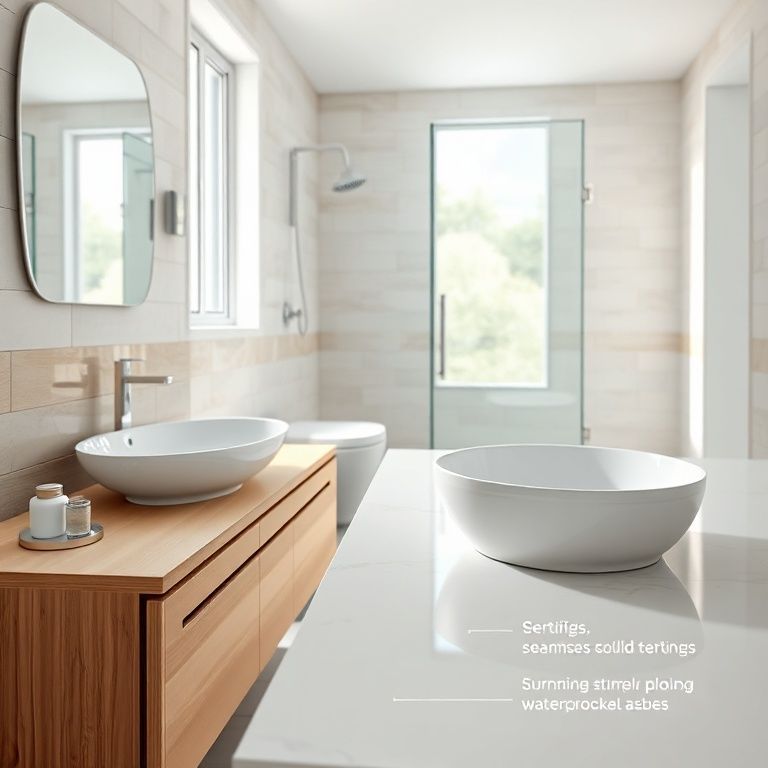
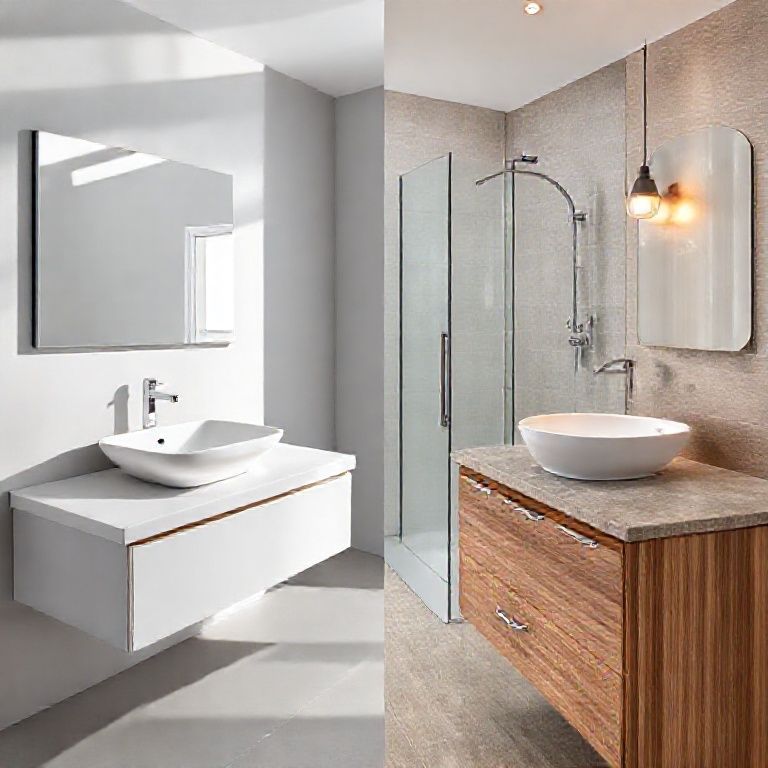
Wooden Window Sills: Wood has long been revered for its natural beauty and versatility. Different types of wood offer a range of colors, textures, and grains that can complement various interior styles. Hardwoods like oak, walnut, and mahogany bring a rich, warm tone that can add a cozy, inviting atmosphere to a room. Conversely, lighter woods such as pine or cedar can offer a fresh, airy feel, perfect for contemporary or minimalist designs.
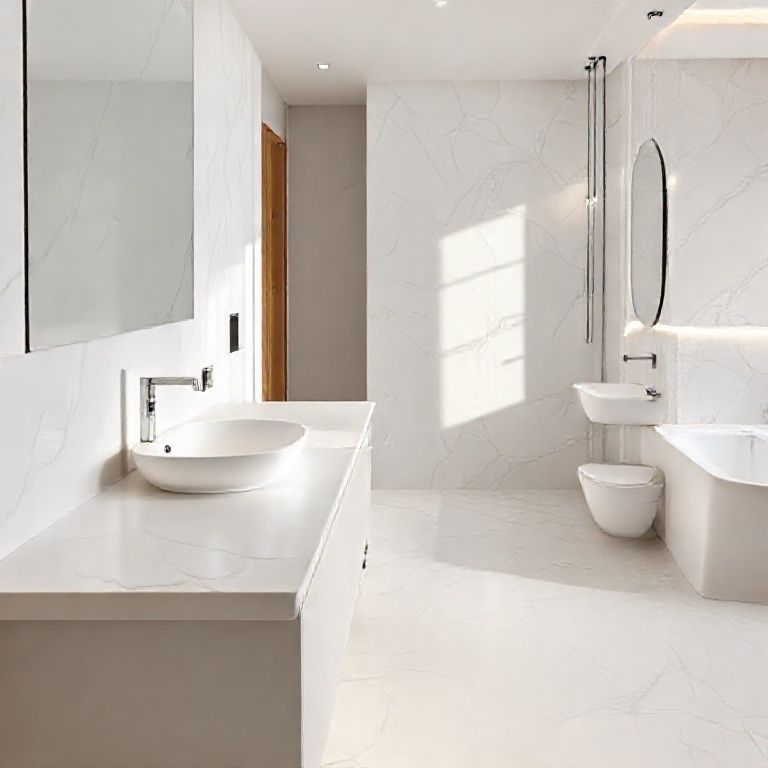
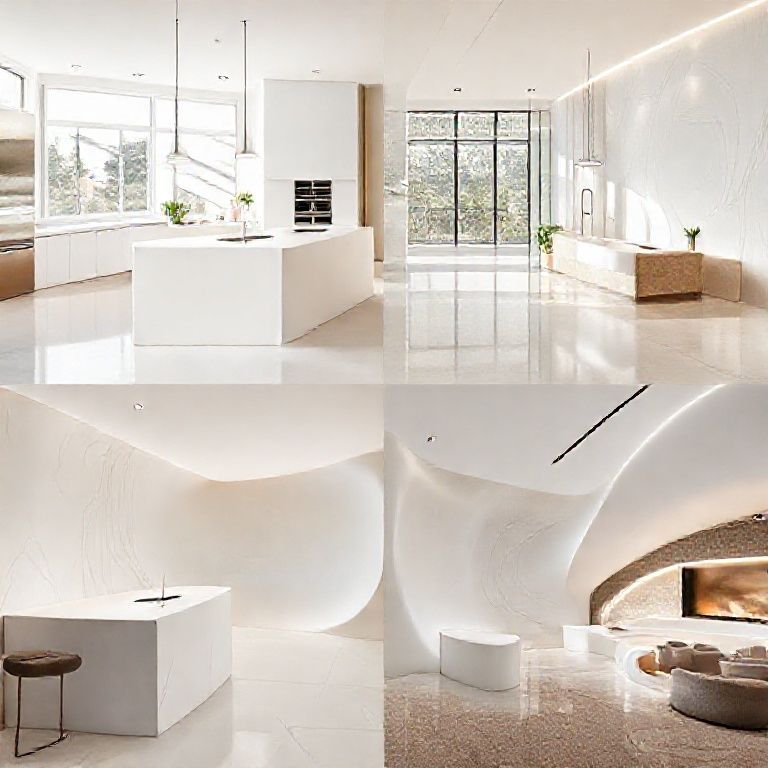
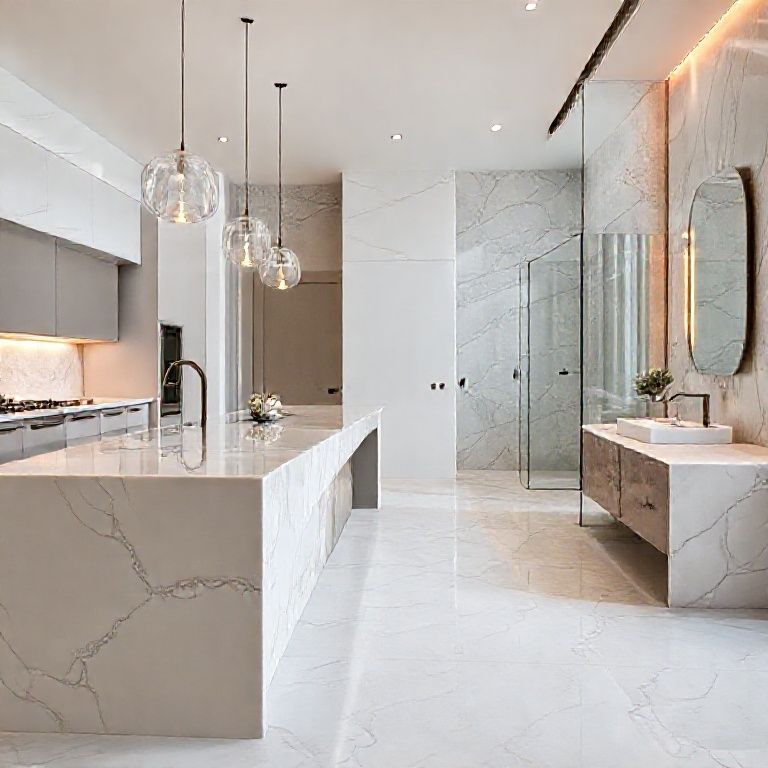
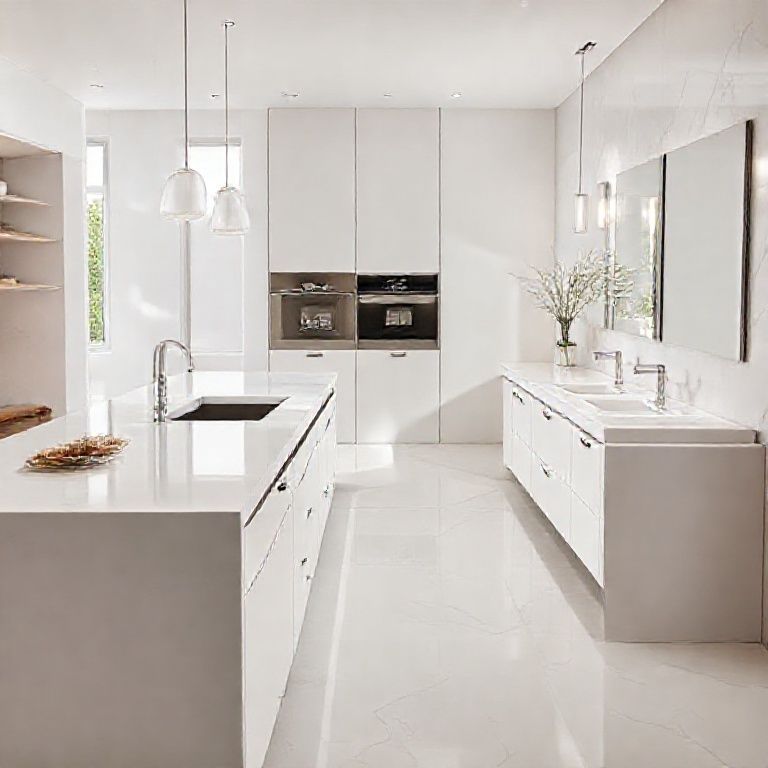
Marble Window Sills: Marble, on the other hand, offers a luxurious and timeless elegance. Its striking veining and polished finish can transform a simple window sill into a focal point of beauty and sophistication. Marble comes in numerous colors and patterns, from the classic white Carrara to vibrant shades like black slate and colorful exotic marbles. This material can add a sense of opulence and refinement to any space, making it ideal for homes that prioritize high-end aesthetics.
Initial Cost:
Wooden Window Sills: The cost of wooden window sills varies widely based on the type of wood used, the quality, and the complexity of the design. Generally, wooden sills are more affordable than marble, making them a cost-effective option for many homeowners. Budget-friendly options like pine and cedar can be found for relatively low prices, while premium hardwoods like walnut and mahogany will have a higher price tag.
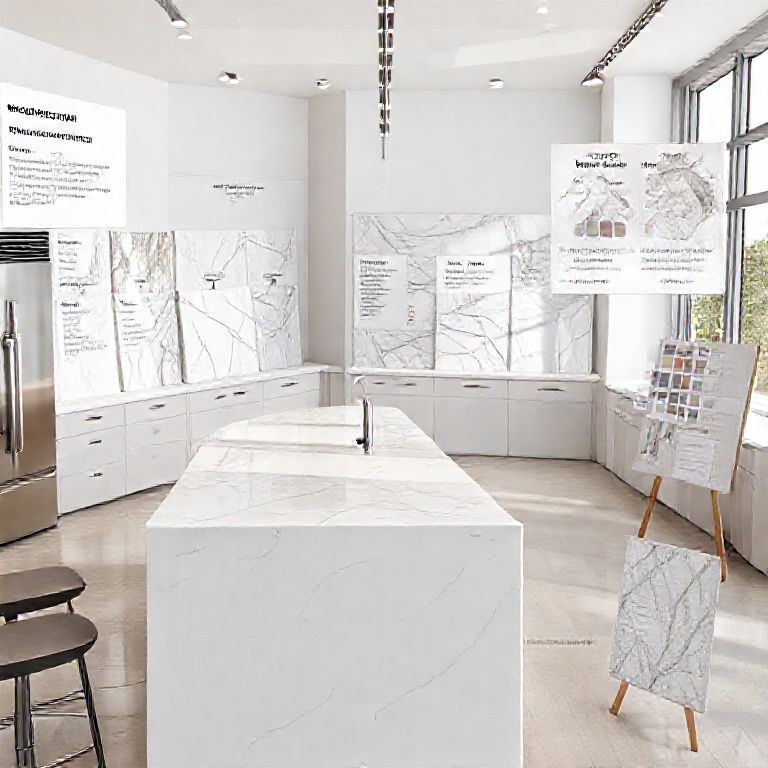
Marble Window Sills: Marble is typically more expensive than wood due to its natural origin and the intricate process involved in its installation. High-quality marble sills can cost significantly more, especially if custom designs or unique patterns are desired. However, the investment often pays off in terms of the sill’s long-lasting beauty and the premium feel it brings to a room.
Maintenance Considerations:
Wooden Window Sills: Wood is susceptible to moisture, which can lead to warping, splitting, or even rotting over time. Therefore, wooden sills require regular maintenance to protect against the elements. This includes periodic sealing and refinishing to maintain their appearance and integrity. However, with proper care, wooden sills can last for many years and offer a charming, rustic look.
Marble Window Sills: Marble is more durable than wood but still requires careful maintenance to prevent damage. Marble is naturally porous and can stain easily if not properly sealed. Regular cleaning with pH-neutral cleaners and sealing treatments are essential to maintain its pristine look. While marble sills may require more upfront effort in maintenance, they typically withstand wear and tear better than wood over the long term.
Conclusion: When it comes to aesthetics and initial cost, both wooden and marble window sills offer compelling advantages. Wooden sills provide versatility and affordability, making them a popular choice for a wide range of interior styles. Marble sills, on the other hand, offer unmatched elegance and luxury, perfect for homes that prioritize high-end design. The choice ultimately depends on your personal preferences, budget, and long-term maintenance considerations.
Durability, Sustainability, and Long-Term Impact
Introduction: Having explored the aesthetic appeal and initial cost of wooden and marble window sills in the first part, we now delve deeper into their durability, sustainability, and long-term impact on your home’s interior. This part of the article will provide a detailed comparison to help you make an informed decision based on these crucial factors.
Durability:
Wooden Window Sills: While wood is a beautiful material, it is not as durable as marble when it comes to withstanding wear and tear. Wooden sills are prone to scratching, dents, and even termite damage if not properly treated. Over time, exposure to moisture can cause wood to warp, split, or decay, requiring frequent repairs and maintenance. However, with proper care, including regular sealing and refinishing, wooden sills can last for many years and provide a charming, rustic appeal.
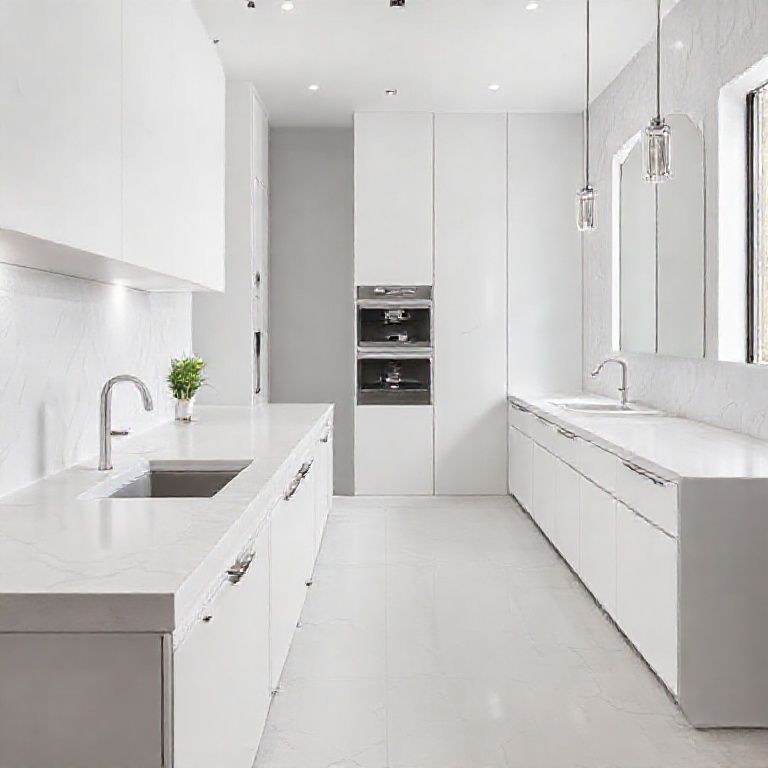
Marble Window Sills: Marble is inherently more durable than wood and can withstand significant wear and tear without losing its structural integrity. It is resistant to scratches, dents, and minor impacts, making it an excellent choice for high-traffic areas. However, marble is prone to staining and etching from acidic substances like fruit juices, vinegar, and some cleaning agents. To maintain its pristine appearance, marble sills require regular cleaning and sealing treatments. Despite these needs, marble’s durability ensures that it can provide a long-lasting and elegant solution for your window sills.
Sustainability:
Wooden Window Sills: Wood is a renewable resource, and when sourced sustainably, it can be an environmentally friendly choice. Many wood products are certified by organizations like the Forest Stewardship Council (FSC), ensuring that they come from responsibly managed forests. However, it’s important to note that not all wood is created equal. Hardwoods typically have a longer lifespan and require less replacement, which can reduce waste over time. Additionally, reclaimed or recycled wood can offer a unique, sustainable alternative that reduces demand for new lumber.
Marble Window Sills: Marble is a natural stone that is not renewable, as it takes thousands of years to form. While it can be sourced responsibly, the extraction process can have significant environmental impacts. The transportation of marble, particularly exotic varieties, can also contribute to a higher carbon footprint. However, once installed, marble sills have a long lifespan, reducing the need for frequent replacements and minimizing waste over time.
Long-Term Impact:
Wooden Window Sills: The long-term impact of wooden window sills depends largely on their maintenance. With proper care, wooden sills can enhance the home’s aesthetic appeal for many years, adding warmth and character to the interior. However, without adequate maintenance, wooden sills may deteriorate quickly, leading to a need for frequent repairs or replacement. Over time, this can result in additional costs and a less desirable appearance.
Marble Window Sills: Marble sills have a significant long-term impact due to their durability and timeless elegance. Once installed, they can provide a luxurious and sophisticated look that remains largely unchanged over time. The initial investment in marble sills can be higher, but the reduced need for maintenance and long lifespan often makes them a cost-effective choice in the long run. Additionally, marble’s classic appeal ensures that it remains a stylish choice for many years to come.
Conclusion: When considering the durability, sustainability, and long-term impact of wooden and marble window sills, it’s clear that each material offers distinct benefits and drawbacks. Wooden sills provide a versatile, affordable option that can enhance the character of a home with proper care. Marble sills, while more expensive, offer unmatched durability, sustainability, and timeless elegance. Ultimately, the best choice depends on your priorities, budget, and long-term vision for your home’s interior design. By weighing these factors carefully, you can make an informed decision that enhances both the beauty and functionality of your window sills.