Choosing the Best Kitchen Countertop Material: A Comprehensive Guide
When it comes to designing a kitchen, the countertop is one of the most critical elements. Not only does it serve as the primary workspace for cooking and food preparation, but it also adds to the overall aesthetic appeal of the kitchen. With so many options available, choosing the right material can be overwhelming. This first part will explore the most popular kitchen countertop materials on the market today, focusing on their durability, aesthetics, and maintenance.
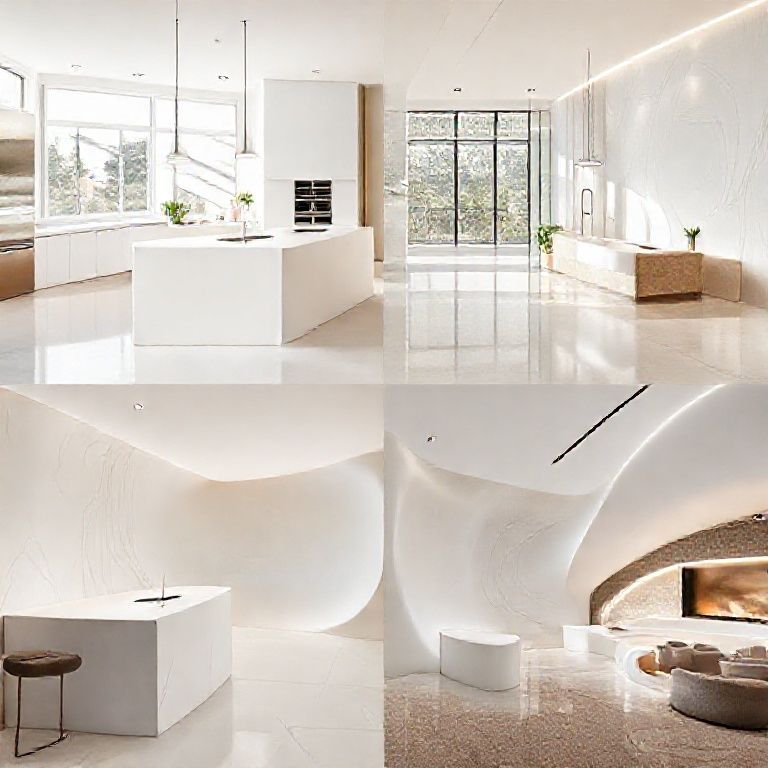
Granite: The Timeless Classic
Granite is perhaps the most iconic and classic material for kitchen countertops. Originating from natural stone, granite is renowned for its timeless elegance and durability.
Pros:
Durability: Granite countertops are incredibly durable and can withstand heavy use. They are also highly resistant to scratches and stains, making them easy to maintain. Aesthetics: Available in a vast array of colors and patterns, granite offers a natural and luxurious look that can complement any kitchen design. Heat Resistance: Granite can withstand high temperatures, making it suitable for placing pots and pans directly on the countertop.
Cons:
Cost: Granite is one of the more expensive materials, with costs varying depending on the type and quality of the stone. Installation: The installation process can be complex and may require professional expertise. Maintenance: While granite is low-maintenance, it does require sealing periodically to protect against stains.
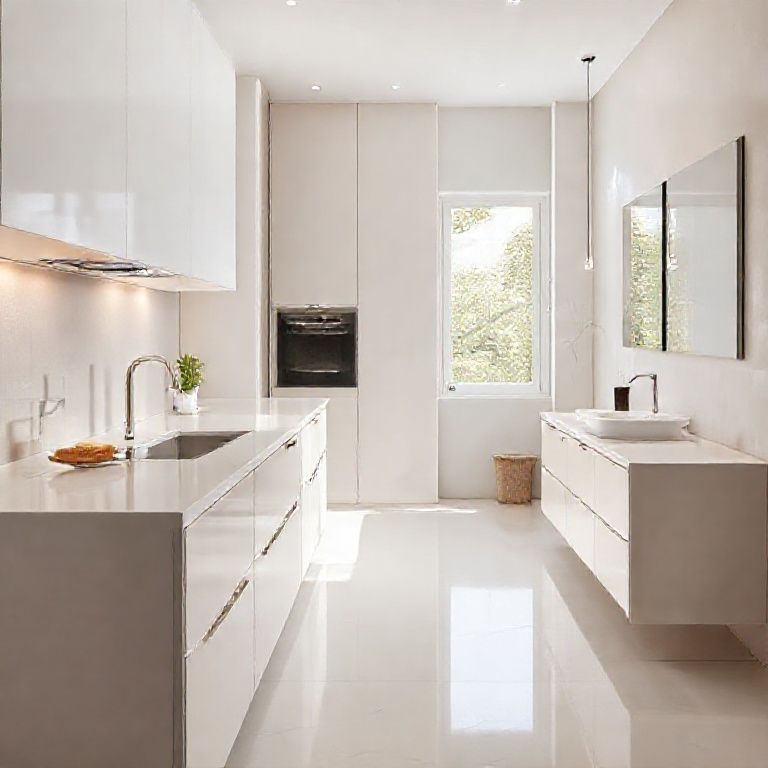
Quartz: The Modern Marvel
Quartz, a relatively new material in the countertop market, has rapidly gained popularity due to its versatility and high-performance qualities.
Pros:
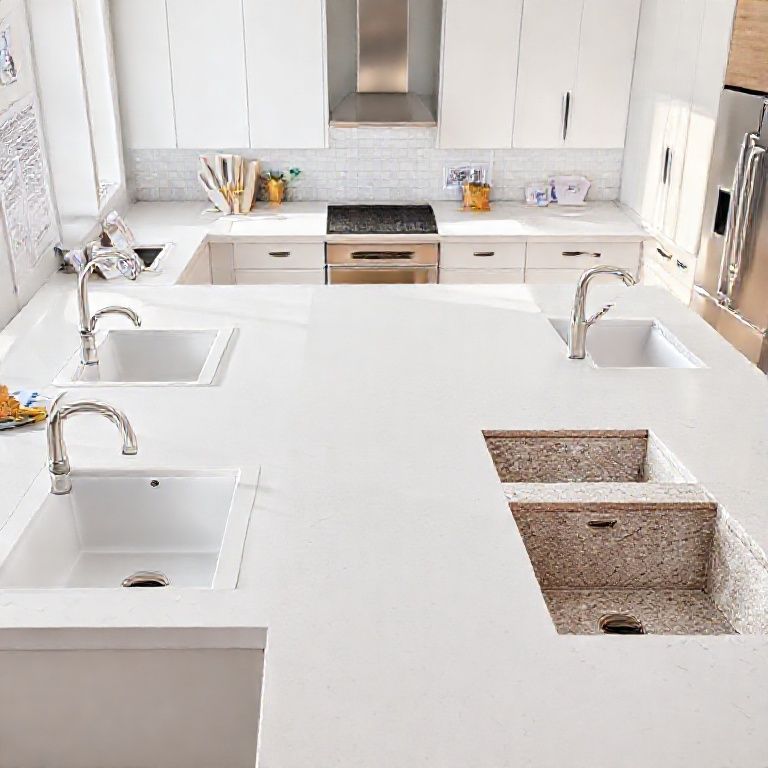
Durability: Quartz is known for its scratch and stain resistance, making it a low-maintenance option. It is also highly durable and can withstand heavy use. Aesthetics: Quartz offers an extensive range of colors and finishes, allowing for creative and unique designs. Affordability: Compared to granite and marble, quartz is more affordable, making it a popular choice for many homeowners.
Cons:
Weight: Quartz countertops can be heavy, which may pose installation challenges. Heat Resistance: While quartz is heat-resistant, it should not be exposed to open flames or direct heat sources for extended periods.
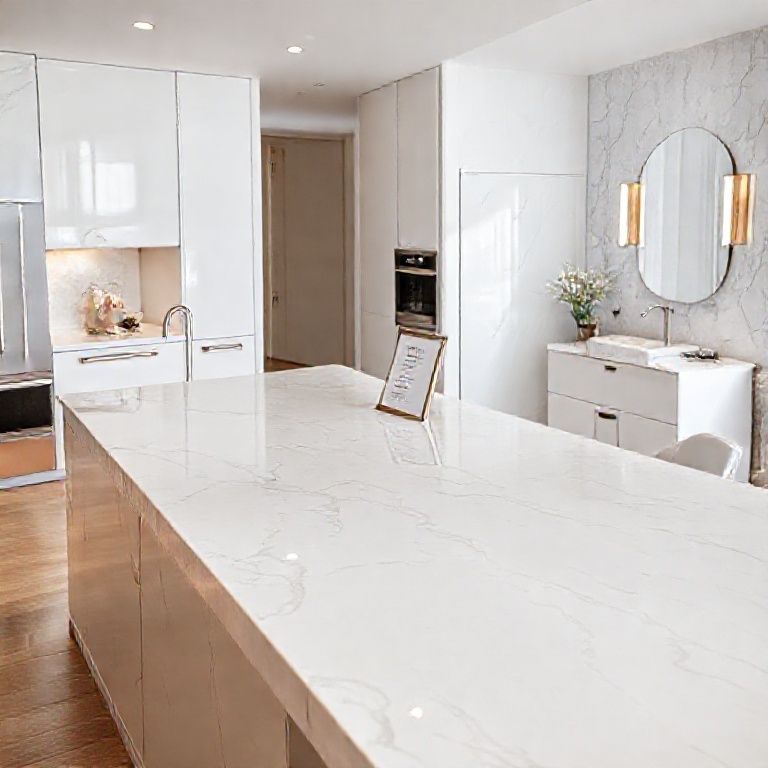
Composite Stone: The Budget-Friendly Option
Composite stone, also known as engineered stone, is a blend of natural stone and resin. This material offers a cost-effective alternative to natural stone countertops.
Pros:
Affordability: Composite stone is generally more affordable than natural stone options like granite and marble. Durability: It is scratch and stain-resistant, making it a low-maintenance option. Versatility: Available in a variety of colors and finishes, composite stone can mimic the look of natural stone while being more budget-friendly.
Cons:
Weight: Like quartz, composite stone is heavy, which can complicate the installation process. Heat Resistance: It is generally heat-resistant but should not be exposed to open flames or direct heat sources for extended periods.
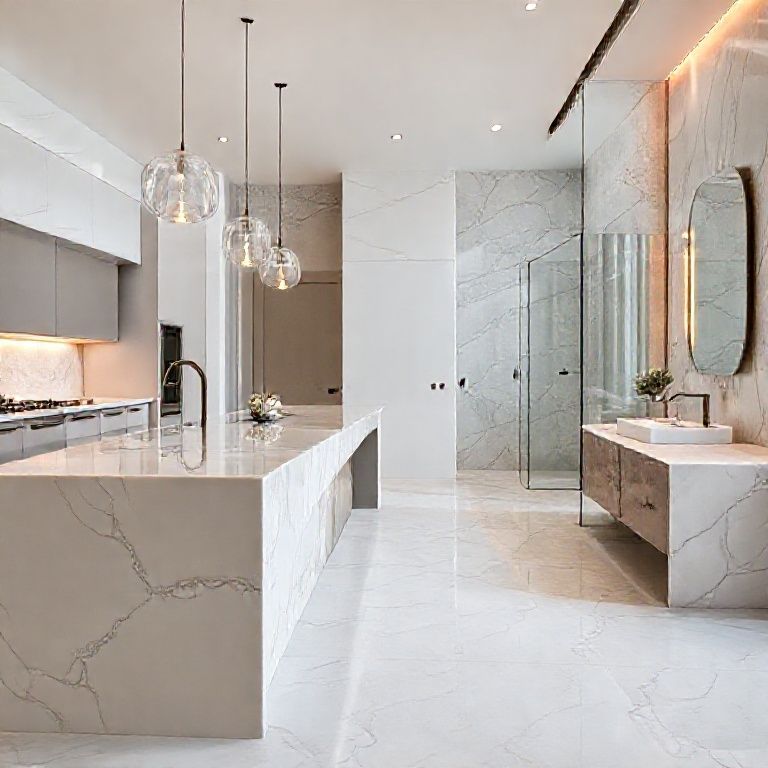
Solid Surface: The Versatile Choice
Solid surface materials, such as Corian and C-stone, are made from acrylic or polyester resin. They offer a versatile and customizable option for kitchen countertops.
Pros:
Customizability: Solid surface materials can be molded into various shapes and designs, offering endless possibilities for customization. Durability: These materials are highly durable and resistant to scratches, stains, and heat. Affordability: Solid surface countertops are generally more affordable than natural stone options.
Cons:
Weight: Solid surface materials are heavy, which can make installation more complex. Heat Resistance: While heat-resistant, they should not be exposed to open flames or direct heat sources for extended periods.
Laminate: The Affordable and Easy Option
Laminate countertops are made from layers of paper and resin compressed together. They are one of the most affordable options available.
Pros:
Affordability: Laminate is the most budget-friendly option among kitchen countertops. Ease of Installation: Laminate countertops are easy to install and can be cut to size on-site. Design Variety: Available in numerous colors and patterns, laminate offers a wide range of design options.
Cons:
Durability: Laminate is not as durable as other materials and can scratch easily. Heat Resistance: Laminate is not heat-resistant and should not be exposed to high temperatures. Maintenance: Laminate countertops are prone to staining and may require regular maintenance.
Conclusion
Choosing the right kitchen countertop material depends on various factors, including durability, aesthetics, and budget. Granite and quartz offer premium options with high durability and a wide range of design possibilities. Composite stone and solid surface provide excellent alternatives that are more budget-friendly and customizable. Laminate, while affordable, may not be the best choice for those seeking long-lasting and high-performance countertops.
In the next part of this series, we will delve deeper into the installation process, maintenance tips, and additional considerations to help you make an informed decision when selecting the best kitchen countertop material for your home.
Choosing the Best Kitchen Countertop Material: A Comprehensive Guide
In the second part of our series, we will explore the installation process, maintenance tips, and additional considerations to help you make an informed decision when selecting the best kitchen countertop material for your home. We will also discuss how to budget for your kitchen renovation project and the importance of professional installation.
Installation Process
The installation process for kitchen countertops can vary depending on the material chosen. Here’s a brief overview of what to expect for some of the most popular materials:
Granite
Professional Installation: Granite countertops typically require professional installation due to their weight and the need for precise cutting and sealing. It’s important to hire an experienced installer to ensure a flawless finish.
Cutting: Granite countertops are usually cut to size on-site, but pre-cut options are available for those who prefer a more straightforward installation process.
Quartz
Professional Installation: Quartz countertops are relatively easier to install than granite, but professional help is still recommended, especially for custom shapes and sizes.
Cutting: Quartz can be cut on-site, but pre-cut options are also available for convenience.
Composite Stone
Professional Installation: Similar to quartz, composite stone countertops can often be installed by a professional or DIY if you are comfortable with cutting and shaping.
Cutting: Composite stone is versatile and can be molded into various shapes, making it easier to cut and fit to your kitchen’s design.
Solid Surface
Professional Installation: Solid surface countertops generally require professional installation due to their weight and the need for precise cutting and shaping.
Cutting: Solid surface materials are often cut to size on-site, but pre-cut options are available for specific dimensions.
Laminate
Professional Installation: Laminate countertops are typically the easiest to install, often requiring minimal professional help.
Cutting: Laminate can be cut on-site with basic tools, making it an excellent DIY option for those on a budget.
Maintenance Tips
Proper maintenance is crucial to keep your kitchen countertops looking their best and to extend their lifespan. Here are some general maintenance tips for different materials:
Granite
Sealing: Granite requires periodic sealing to protect against stains. It’s recommended to seal the countertop every 6-12 months, depending on usage.
Cleaning: Use mild dish soap and a soft cloth to clean granite countertops. Avoid using acidic cleaners, which can etch the surface.
Quartz
Cleaning: Quartz countertops are easy to clean. Use mild dish soap and a soft cloth for daily cleaning. Avoid using abrasive cleaners.
Sealing: Quartz does not require sealing, but it’s a good idea to use a water-repellent spray to maintain its appearance.
Composite Stone
Cleaning: Clean composite stone countertops with mild dish soap and a soft cloth. Avoid using abrasive cleaners.
Sealing: Composite stone does not require sealing, but using a water-repellent spray can help maintain its appearance.
Solid Surface
Cleaning: Use mild dish soap and a soft cloth to clean solid surface countertops. Avoid using abrasive cleaners.
Maintenance: Solid surface does not require sealing, but regular cleaning will keep it looking new.
Laminate
Cleaning: Clean laminate countertops with mild dish soap and a soft cloth. Avoid using abrasive cleaners, which can scratch the surface.
Maintenance: Laminate does not require sealing, but regular cleaning will keep it looking fresh.
Budgeting for Your Kitchen Renovation
When planning a kitchen renovation, budgeting is a crucial step. Here are some tips to help you create a realistic budget:
Material Costs
Research: Take the time to research the costs of different countertop materials. Prices can vary significantly based on quality, brand, and type.
材料的环保性和耐用性 不同材料在环保性和耐用性方面有什么区别? 哪些材料对健康更友好? 设计风格 如何选择与整体家居风格相协调的厨房台面? 现代、北欧、工业风等风格的台面材料推荐? 预算和成本 如何在有限的预算内选择性价比高的台面材料? 不同材料的长期成本和维护费用是怎样的? 安装和维护 各种材料的安装复杂度如何? 每种材料的日常维护要求是什么?