Choosing the best material for your kitchen countertop is a crucial decision that impacts both the aesthetics and functionality of your kitchen. The right countertop material can elevate your kitchen’s design, enhance its longevity, and even improve your cooking experience. Let’s dive into the most popular materials available, each with its unique set of advantages and drawbacks.
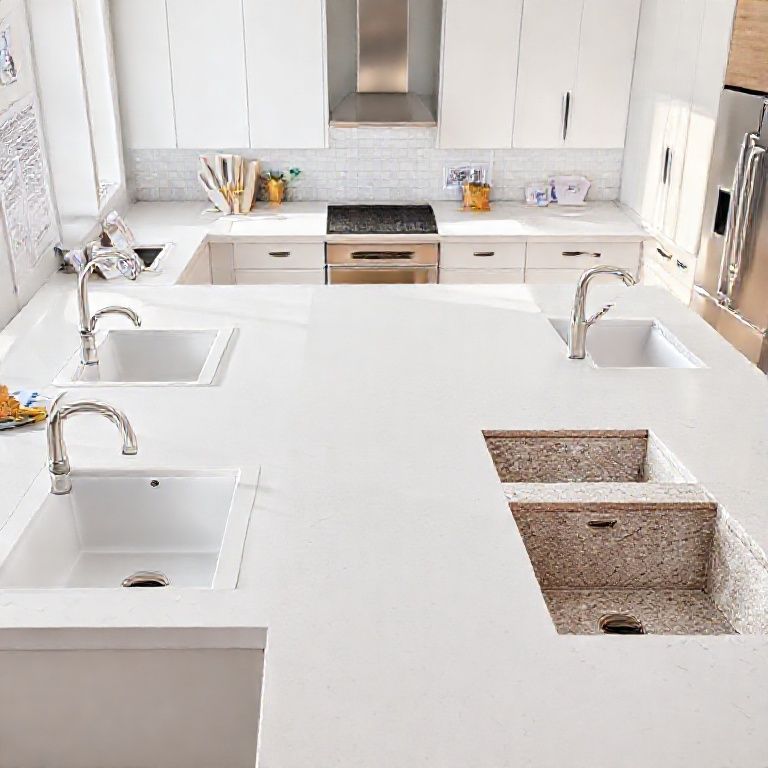
1. Granite:
Granite is a classic choice for kitchen countertops, renowned for its durability and striking appearance. Originating from natural stone, granite countertops come in a wide array of colors and patterns, offering limitless design possibilities.
Pros:
Durability: Granite is highly resistant to scratches, stains, and heat. Its natural stone composition makes it one of the toughest options available. Low Maintenance: Granite countertops require minimal upkeep. A simple wipe with a mild soap solution suffices for everyday cleaning. Longevity: With proper care, granite countertops can last for decades, often outlasting other countertop materials.
Cons:
Cost: Granite is generally more expensive than other materials, especially high-end varieties. Weight: Granite slabs are heavy, which may require professional installation. Sealing Requirement: Granite needs to be sealed periodically to maintain its protective qualities.
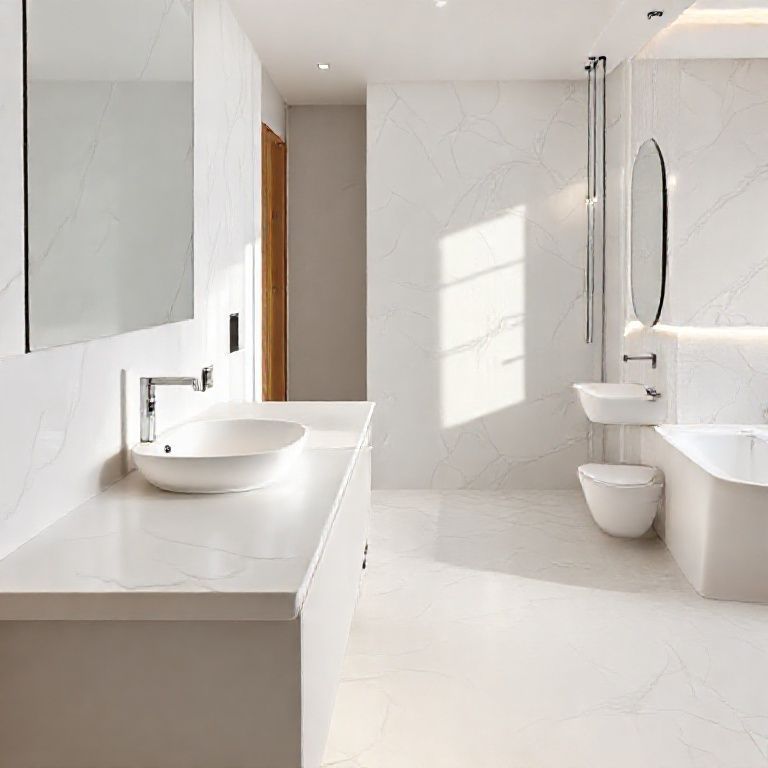
2. Quartz:
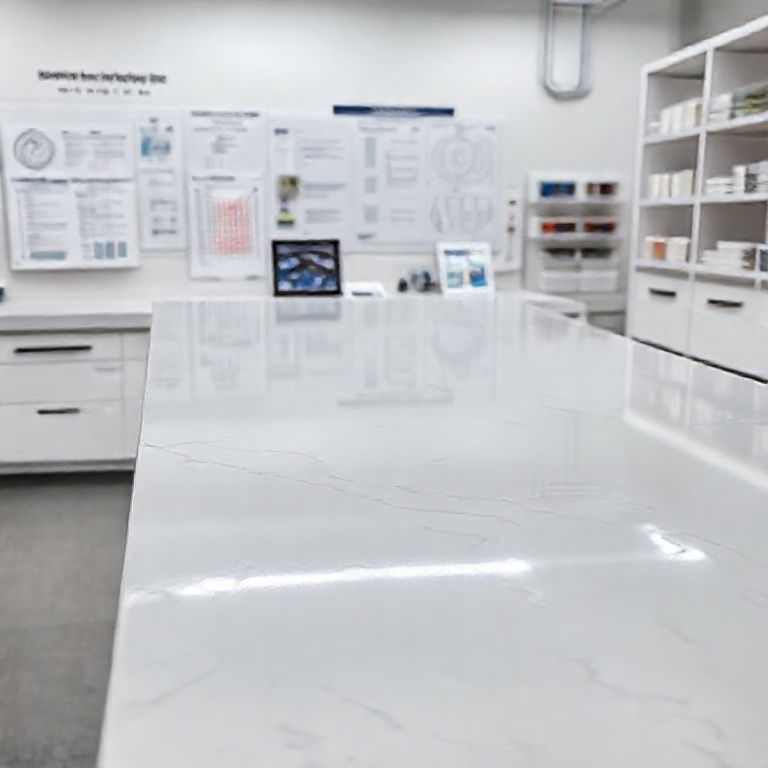
Quartz countertops have surged in popularity due to their impressive combination of durability and affordability. Manufactured from 90% quartz and other natural stone minerals, quartz offers a flawless, solid-surface material.
Pros:
Durability: Quartz is known for its scratch and stain resistance, making it an excellent choice for high-traffic areas. Low Maintenance: Similar to granite, quartz requires minimal cleaning and maintenance. Affordability: Quartz is significantly more affordable than granite, offering a cost-effective luxury feel. Customization: Quartz comes in an extensive range of colors and patterns, allowing for highly customized designs.
Cons:
Heat Sensitivity: While quartz is resistant to scratches and stains, it can still be damaged by high heat. It’s important to use hot pads when placing hot pots or pans. Installation: Like granite, quartz countertops can be heavy and may require professional installation.
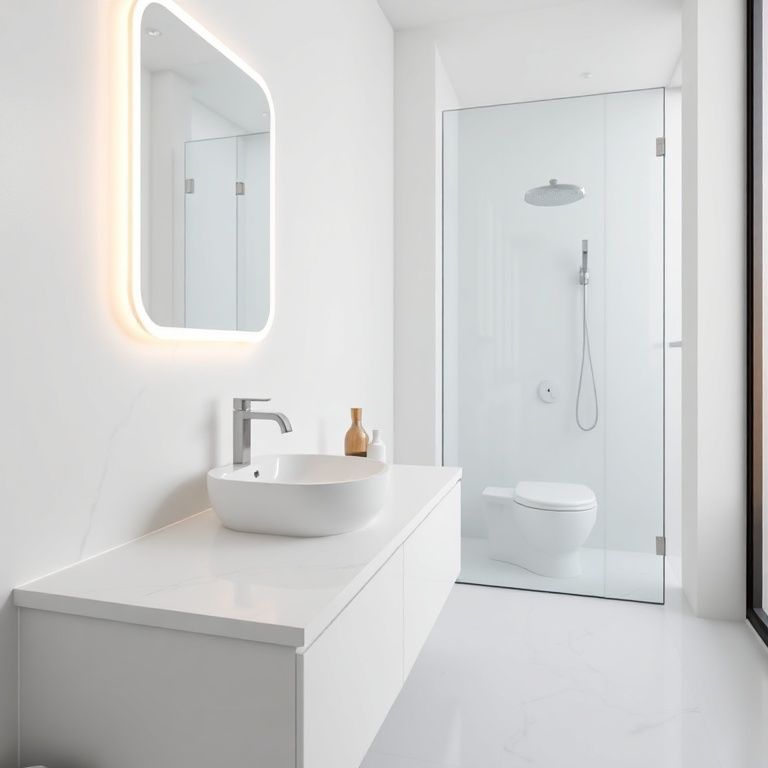
3. Marble:
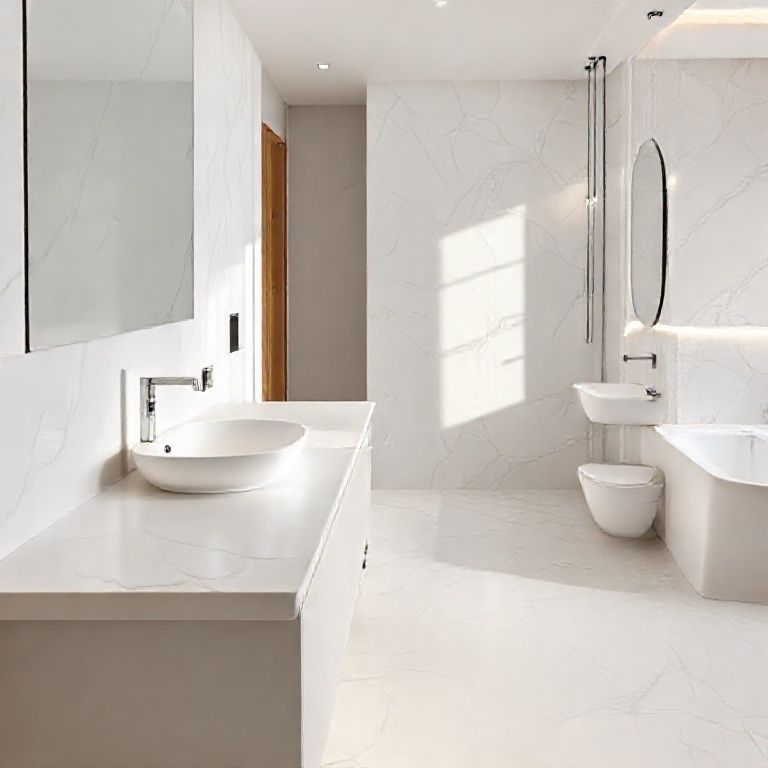
Marble offers a timeless elegance that is unmatched by many other materials. Known for its beautiful veins and patterns, marble countertops exude luxury and sophistication.
Pros:
Aesthetic Appeal: Marble’s unique, natural patterns make it highly desirable for those looking for a luxurious look. Durability: While marble is softer than granite or quartz, high-quality marble can still be very durable.
Cons:
Maintenance: Marble is prone to staining and etching, requiring regular sealing and maintenance to keep its beauty intact. Cost: Marble countertops can be expensive, especially when considering the cost of professional installation. Fragility: Marble is softer and can be scratched more easily than other materials, which may not be ideal for kitchens with young children.
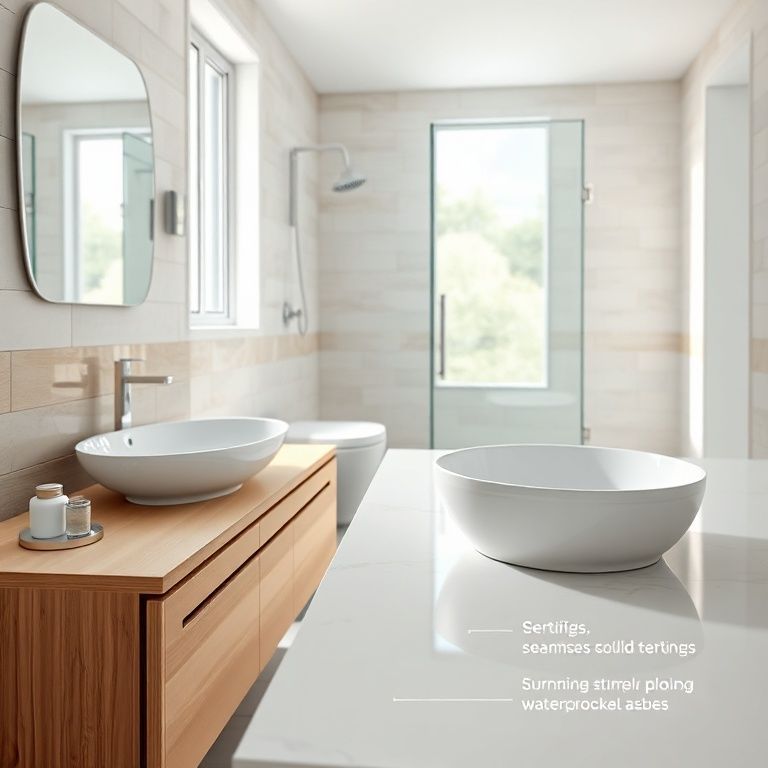
4. Solid Surfaces:
Solid surface materials like Formica, Corian, and CPVC are engineered composites that offer a range of design options and excellent durability.
Pros:
Design Flexibility: Solid surfaces come in countless colors and patterns, offering virtually limitless design possibilities. Durability: These materials are highly resistant to scratches, stains, and even some chemicals. Affordability: Generally more affordable than natural stone options, making them accessible to a broader audience.
Cons:
Maintenance: While easy to clean, solid surfaces can sometimes be more susceptible to small cuts and scratches. Longevity: While durable, solid surfaces may not last as long as natural stone options like granite or marble. Installation: May require professional installation due to their weight and complex installation processes.
5. Laminate:
Laminate countertops are made from multiple layers of wood veneer glued together under high pressure. They are an affordable and versatile option that offers a variety of designs.
Pros:
Cost-Effective: Laminate is generally more affordable than many other countertop materials. Design Options: Available in a variety of colors and patterns to suit any kitchen design.
Cons:
Durability: Laminate is less durable than natural stone or solid surfaces. It can scratch and chip easily. Maintenance: Requires regular maintenance to prevent water damage and maintain its appearance. Heat Sensitivity: Laminate can warp or discolor when exposed to high heat.
Conclusion:
Choosing the right countertop material for your kitchen involves balancing aesthetics, durability, and budget. Granite and quartz offer unmatched durability and style, while marble provides an elegant touch at a higher cost. Solid surfaces and laminates offer design flexibility and affordability, respectively, albeit with some trade-offs in durability and maintenance. Understanding these factors will help you make an informed decision that best suits your kitchen’s needs and your personal preferences.
Stay tuned for part two, where we’ll delve deeper into specific maintenance tips, installation considerations, and innovative design ideas to help you create the perfect kitchen countertop.
In part two of our comprehensive guide on selecting the best material for your kitchen countertop, we will explore in-depth maintenance tips, installation considerations, and innovative design ideas to help you create the perfect kitchen countertop that meets your functional and aesthetic needs.
Maintenance Tips:
Proper maintenance is crucial to ensure the longevity and beauty of your kitchen countertop. Here’s a detailed guide to maintaining different countertop materials.
1. Granite:
Granite requires regular sealing to maintain its protective qualities and prevent staining.
Maintenance Tips:
Sealing: Use a high-quality granite sealer every six to twelve months, depending on usage and exposure to stains. Cleaning: Wipe with a mild soap solution and water for daily cleaning. For tougher spots, use a granite-specific cleaner. Avoiding Damage: Use hot pads when placing hot items on the countertop to prevent thermal shock.
2. Quartz:
Quartz is highly durable and low-maintenance, but it’s important to protect it from high heat.
Maintenance Tips:
Cleaning: Use a mild soap solution and water for daily cleaning. Avoid using abrasive cleaners. Avoiding Damage: Use hot pads to place hot items on the countertop to prevent cracking from thermal shock. Sealing: While not necessary, sealing quartz can enhance its protective qualities.
3. Marble:
Marble’s beauty comes with a higher maintenance cost, requiring regular sealing and care.
Maintenance Tips:
Sealing: Seal marble countertops every six months to maintain their protective qualities and prevent staining. Cleaning: Use a mild soap and water solution. Avoid acidic cleaners that can etch the stone. Avoiding Damage: Use hot pads when placing hot items to prevent thermal shock.
4. Solid Surfaces:
Solid surfaces are highly durable but require some care to maintain their appearance.
Maintenance Tips:
Cleaning: Use a mild soap solution and water for daily cleaning. Avoid abrasive cleaners that can scratch the surface. Avoiding Damage: Handle with care to prevent small cuts and scratches. Repair: Small scratches can often be repaired with specialized kits.
5. Laminate:
Laminate countertops require regular maintenance to prevent water damage and maintain their appearance.
Maintenance Tips:
Cleaning: Use a mild soap solution and water. Avoid acidic or abrasive cleaners. Avoiding Damage: Use hot pads to place hot items to prevent warping. Waterproofing: Keep water spills to a minimum to prevent warping and fading.
Installation Considerations:
Choosing the right installation method is crucial for ensuring your kitchen countertop fits perfectly and lasts long.
1. Professional Installation:
Most countertop materials benefit from professional installation to ensure a perfect fit and avoid damage.
Considerations:
Weight: Heavier materials like granite and marble require professional installation to handle their weight safely. Cutting: Professionals can accurately cut the countertop to fit your cabinet space. Sealing and Finishing: Professionals can apply the necessary seals and finishes to protect the countertop.
2. DIY Installation:
For some materials, DIY installation is a cost-effective option, but it requires careful planning and execution.
Considerations:
Material: Solid surfaces and laminates are more suitable for DIY installation due to their lighter weight and simpler installation processes. Tools: Ensure you have the right tools, such as a saw for cutting and a level for ensuring a straight installation. Instructions: Follow the manufacturer’s instructions carefully for best results.
3. Custom Fit:
For a perfect fit, custom countertops can be made to measure.
Considerations:
Design: Work with a professional to design the countertop to your exact specifications. Material: Choose a durable material that can withstand daily use. Installation: Ensure the professional has experience with custom installations to avoid any issues.
Innovative Design Ideas:
Your kitchen countertop is not just a functional surface but also a focal point in your kitchen design. Here are some innovative design ideas to help you create a stunning and functional kitchen countertop.
1. Color and Pattern Trends:
Stay ahead of the design trends by choosing a countertop color and pattern that complements your kitchen’s overall aesthetic.
Color Trends:
Neutral Tones: Soft grays, beiges, and taupes offer a timeless look that pairs well with various kitchen styles. Bold Colors: Bright colors like emerald green, cobalt blue, or vibrant red can add a pop of personality to your kitchen. Custom Colors: Work with a designer to create a custom color that reflects your personal style.
Pattern Trends:
Geometric Patterns: Modern kitchens often feature geometric patterns that add visual interest. Floral and Nature-Inspired: Subtle floral or nature-inspired patterns can bring a touch of elegance and tranquility. Abstract Designs: Bold, abstract designs can make a statement and add a contemporary feel.
2. Multifunctional Countertops:
Incorporate multifunctional elements into your countertop design to maximize space and utility.
Innovative Ideas:
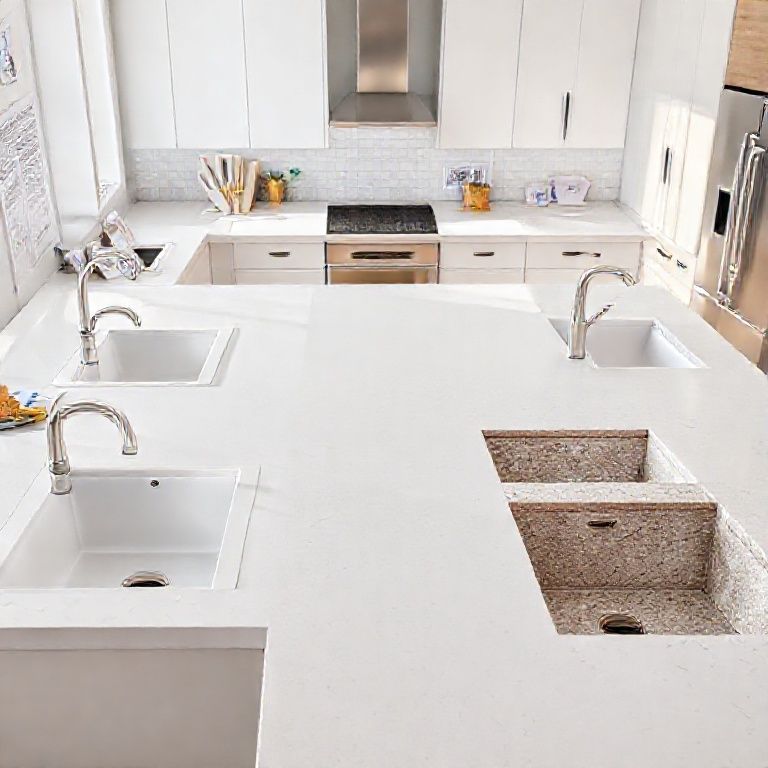
Built-In Sinks: A sink built into the countertop can save space and add a seamless look. Storage Compartments: Design built-in storage compartments within the countertop for utensils, spices, or other kitchen essentials. Island Countertops: A kitchen island with a large countertop can serve as a workspace, dining area, and prep station all in one.
3. Unique Shapes and Forms:
Don’t be afraid to break away from traditional rectangular or square countertops. Unique shapes can add character and make a statement.
Shape Ideas:
Curved Edges: Curved or rounded edges can add a modern and organic feel to your kitchen. Custom Shapes: Design custom shapes to fit the unique layout of your kitchen, such as a U-shape or an L-shape. Corner Countertops: Extend your countertop into corners to maximize space and create a more open feel.
4. Combining Materials:
Combining different materials can create a stunning and unique countertop design.
Combination Ideas:
Stone and Wood: Combine the durability of stone with the warmth of wood for a balanced look. Glass and Metal: Incorporate glass for sleek, modern lines and metal elements for a touch of industrial chic. Different Stones: Use different types of stone in combination to create a textured and visually interesting surface.
5. Sustainable and Eco-Friendly Options:
Incorporate sustainable and eco-friendly materials into your countertop design to reduce your environmental impact.
Sustainable Ideas:
Recycled Materials: Use countertops made from recycled materials like recycled glass or reclaimed wood. Low VOC Products: Choose products with low volatile organic compound (VOC) emissions to improve indoor air quality. Natural Stone: Natural stone options like granite and quartz are durable and have a lower environmental impact compared to synthetic materials.
Conclusion:
Choosing the perfect material for your kitchen countertop involves balancing durability, aesthetics, and budget. Granite and quartz offer unmatched durability and style, while marble provides elegance at a higher cost. Solid surfaces and laminates offer design flexibility and affordability, and laminate is cost-effective but less durable. Proper maintenance, professional installation, and innovative design ideas are essential to ensure your kitchen countertop not only looks great but also functions well for years to come.
By considering these factors and exploring the various options available, you can create a kitchen countertop that enhances your culinary space and reflects your personal style.
Feel free to reach out if you have any specific questions or need further assistance in selecting the perfect material for your kitchen countertop!