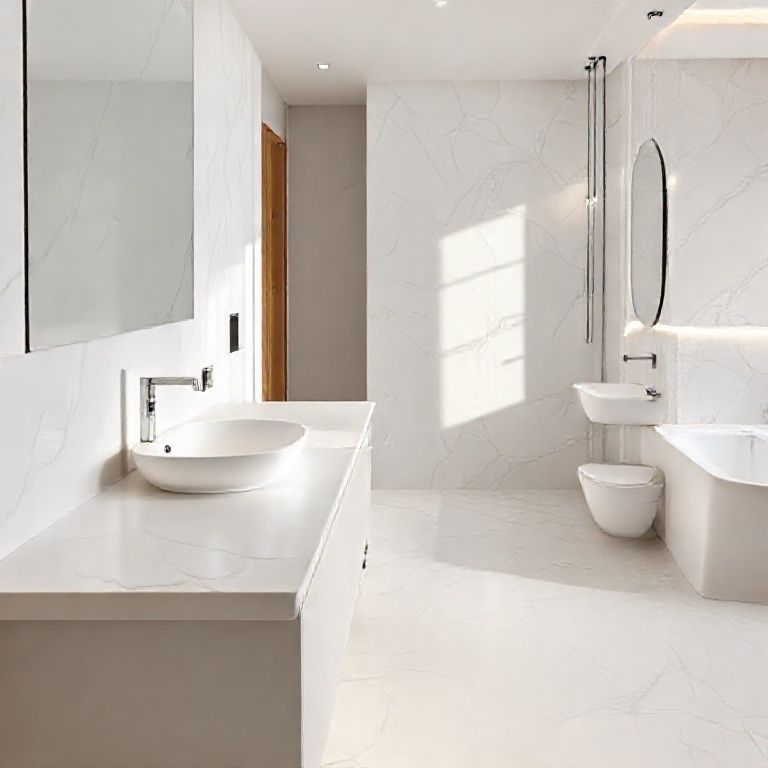
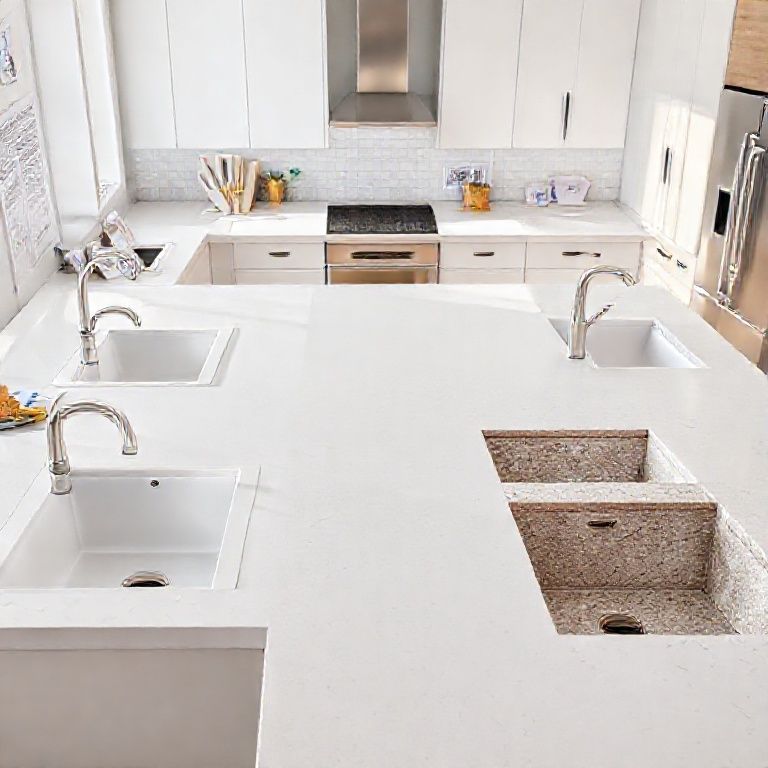
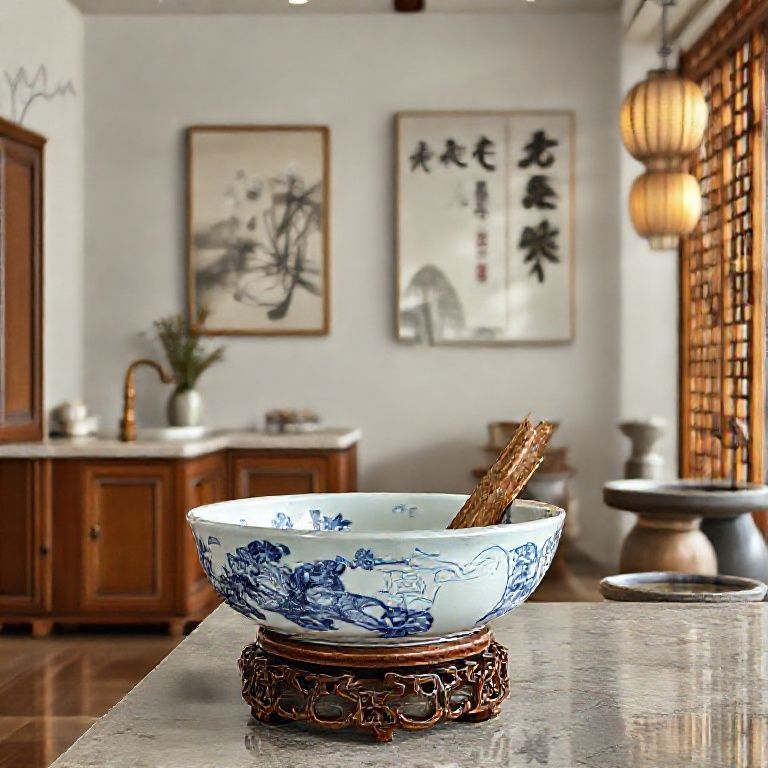
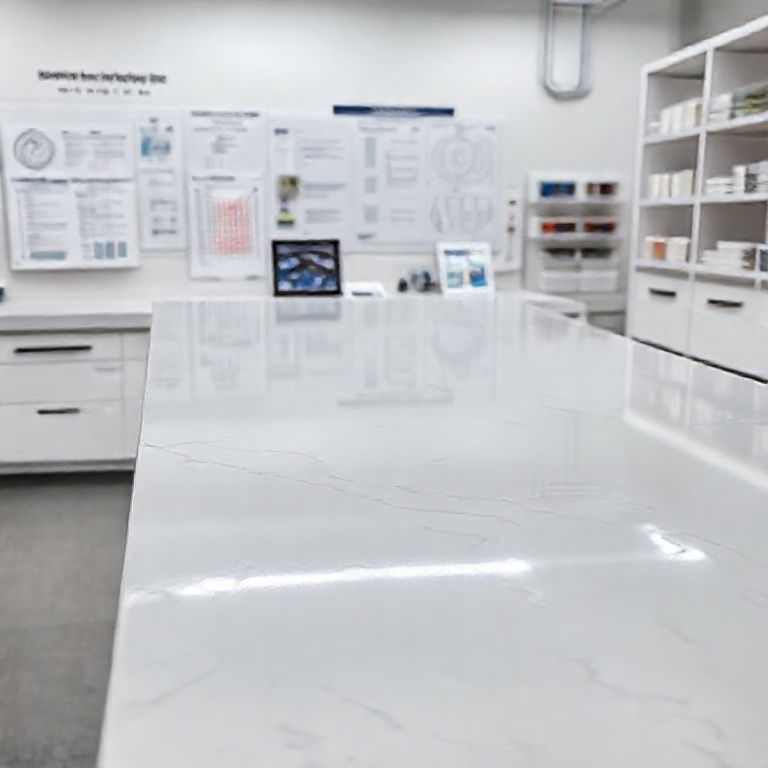
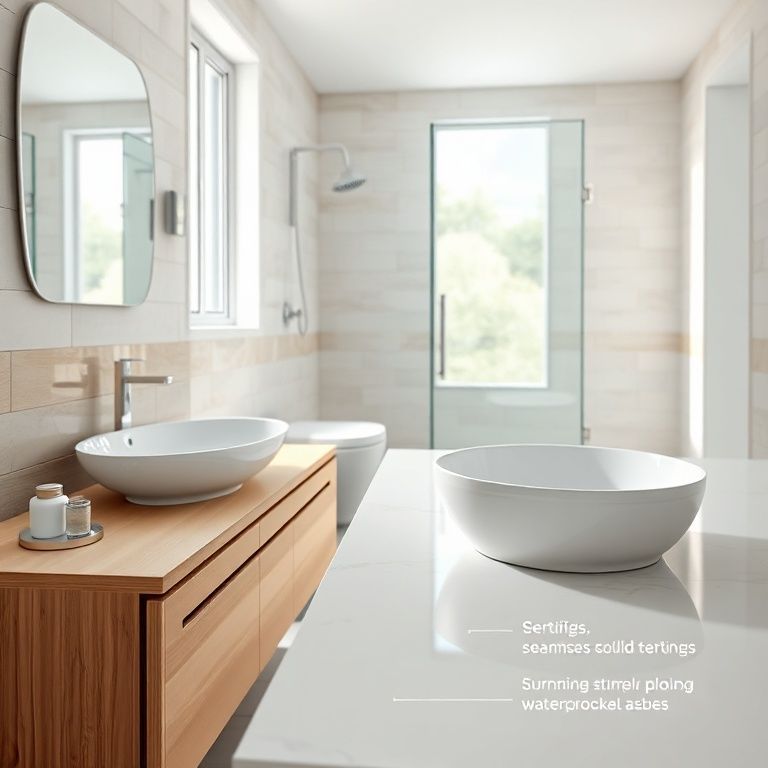
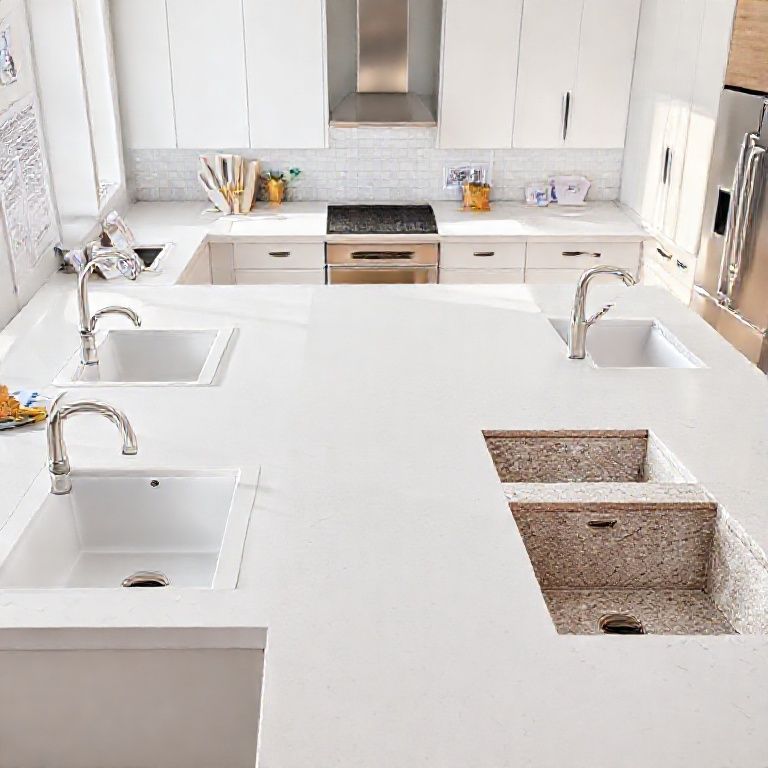
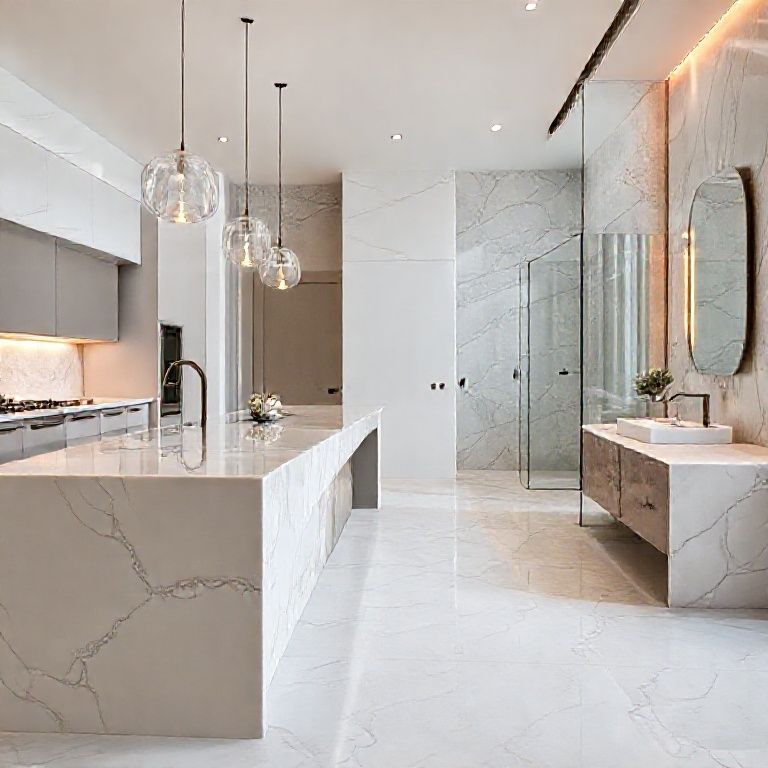
In the quest for the perfect kitchen, the choice of cabinet countertops plays a pivotal role in both aesthetics and functionality. The material you choose for your cabinet countertop can significantly impact the durability, maintenance, and overall style of your kitchen. This comprehensive guide explores various materials that are ideal for cabinet countertops, helping you make an informed decision that suits your home and lifestyle.
Laminate Countertops
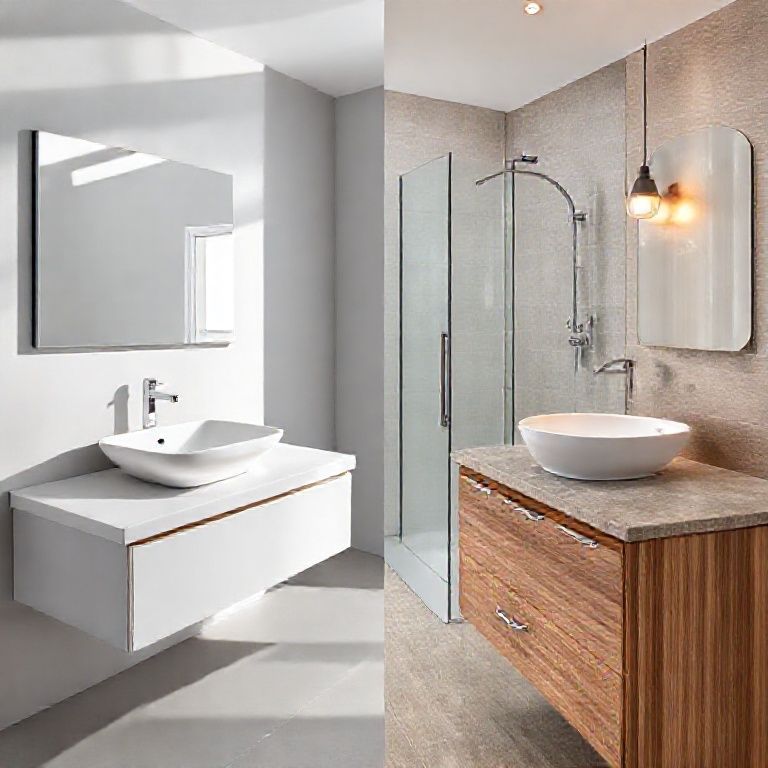
Laminate countertops are one of the most popular choices for cabinet surfaces. They are made by layering a thin layer of decorative paper over a core material, typically made of high-density fiberboard. This combination creates a surface that is both attractive and affordable.
Pros:
Affordability: Laminate countertops are generally more budget-friendly compared to other options like granite or marble. This makes them an excellent choice for those looking to maximize their budget without compromising on style.
Design Variety: Laminates offer an extensive range of colors, patterns, and textures. You can choose from a variety of designs to match your kitchen decor perfectly.
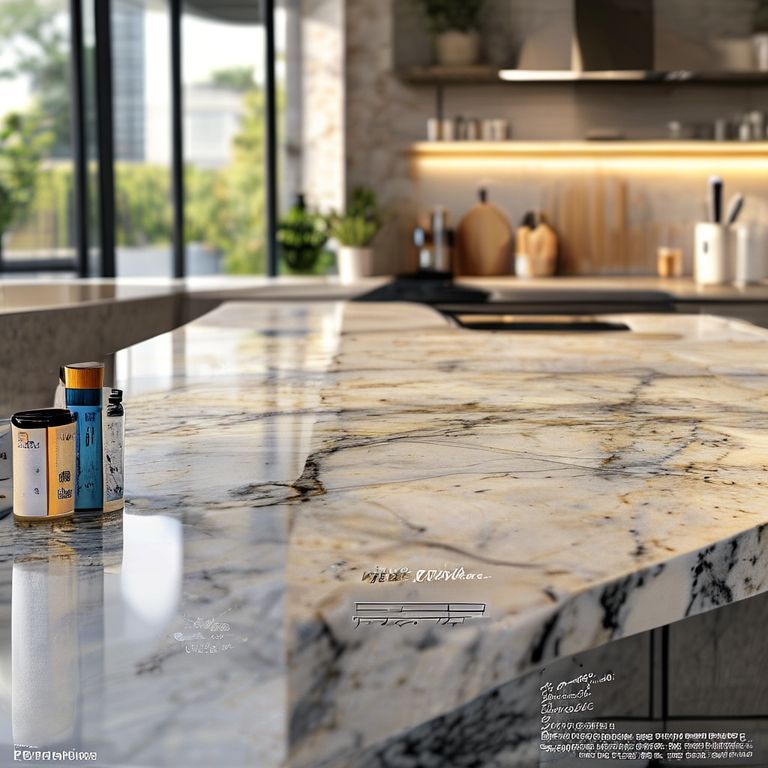
Low Maintenance: Laminate surfaces are easy to clean and maintain. They are resistant to scratches, dents, and stains, which makes them a practical choice for busy households.
Ease of Installation: Laminate countertops are relatively easy to install, often requiring minimal professional help.
Cons:
Durability: While laminates are resistant to scratches and stains, they are not as durable as some other materials. They can be prone to heat damage if not protected by a backsplash or tri-fold.
Water Resistance: Laminates are not completely waterproof. Prolonged exposure to water can lead to warping or bubbling of the surface.
Quartz Countertops
Quartz countertops are a modern innovation that has revolutionized the world of kitchen design. Composed of 90% natural stone and 10% resin, quartz offers a combination of beauty and practicality.
Pros:
Durability: Quartz is incredibly durable and resistant to scratches, stains, and heat. It’s also highly resistant to bacteria, making it an excellent choice for kitchens.
Low Maintenance: These countertops are easy to clean and maintain. A simple wipe with a damp cloth and mild soap is usually sufficient.
Design Versatility: Quartz offers an array of colors and textures that can mimic various natural stones, including granite and marble, providing endless design possibilities.
Affordability: Compared to other natural stone options like granite and marble, quartz is more affordable while still offering high-quality aesthetics.
Cons:
Installation: Quartz countertops require professional installation to ensure a seamless and professional finish.
Weight: Quartz slabs are heavier than some other countertop materials, which can pose a challenge for installation and movement.
Granite Countertops
Granite is a popular choice for those seeking a luxurious and durable countertop material. This natural stone is known for its striking appearance and impressive durability.
Pros:
Durability: Granite is one of the hardest natural stones available, making it highly resistant to scratches, stains, and heat. This makes it an excellent choice for high-traffic areas.
Aesthetic Appeal: Granite offers a wide range of colors and patterns, providing a unique and visually stunning look for your kitchen.
Longevity: Granite countertops have a long lifespan and can add significant value to your home.
Low Maintenance: Granite is relatively easy to clean and maintain. Regular sealing can extend its lifespan and maintain its beauty.
Cons:
Cost: Granite is generally more expensive than other countertop materials, which can be a significant upfront cost.
Maintenance: While granite is low maintenance, it does require regular sealing to protect against stains and maintain its appearance.
Weight: Like quartz, granite is heavy and can pose installation challenges.
Marble Countertops
Marble countertops offer a classic and elegant touch to any kitchen. Known for its beautiful veining and luxurious feel, marble is a popular choice for those looking to add a touch of sophistication.
Pros:
Aesthetic Appeal: Marble’s unique veining and colors provide a stunning and timeless look that enhances the beauty of any kitchen.
Durability: Marble is hard and can withstand scratches and minor impacts, although it is not as hard as granite or quartz.
Uniqueness: Each marble slab is unique, offering a one-of-a-kind design that cannot be replicated.
Cons:
Maintenance: Marble is porous and can be stained by acidic foods and beverages. Regular sealing is necessary to maintain its beauty and prevent staining.
Cost: Marble countertops can be expensive, especially high-end varieties like Italian or Brazilian marble.
Fragility: While durable, marble can be prone to chipping and cracking if subjected to heavy impacts.
Solid Wood Countertops
Solid wood countertops are a natural and warm choice for cabinet surfaces. Made from a single piece of wood, these countertops offer a rustic and timeless appeal.
Pros:
Aesthetic Appeal: Solid wood countertops provide a natural and warm aesthetic that adds character to your kitchen.
Durability: High-quality solid wood countertops are durable and can withstand daily wear and tear.
Customization: Solid wood can be stained, painted, or finished in various ways to suit your personal style.
Eco-friendliness: Using solid wood is often seen as more eco-friendly compared to synthetic materials.
Cons:
Maintenance: Solid wood requires regular maintenance, including cleaning, polishing, and refinishing to prevent damage and maintain its appearance.
Cost: High-quality solid wood countertops can be expensive, especially with exotic wood varieties.
Sensitivity to Temperature and Humidity: Wood can expand and contract with changes in temperature and humidity, potentially leading to warping or cracking.
Engineered Wood Countertops
Engineered wood countertops are a hybrid of wood and synthetic materials, offering the best of both worlds in terms of durability and design flexibility.
Pros:
Durability: Engineered wood is more durable than solid wood due to its layered construction, which makes it resistant to scratches, dents, and warping.
Design Versatility: These countertops offer a wide range of colors, patterns, and textures, providing endless design possibilities.
Cost-Effective: Engineered wood is generally more affordable than solid wood, making it a cost-effective option for those looking for a high-quality wood-like surface.
Low Maintenance: Similar to laminate, engineered wood countertops are easy to clean and maintain.
Cons:
Aesthetic: While versatile, engineered wood may not have the same natural beauty as solid wood.
Installation: Professional installation is often required for a seamless finish.
By understanding the pros and cons of each material, you can make a well-informed decision that aligns with your budget, lifestyle, and aesthetic preferences. In the next part of this guide, we will delve deeper into some additional materials and considerations to help you finalize your choice for the perfect cabinet countertop for your kitchen.
Building on the information from the previous part, we now turn our focus to additional materials, maintenance tips, and other critical considerations to help you make an informed decision when selecting the best material for your cabinet countertops. Whether you are a DIY enthusiast or looking for professional advice, this comprehensive guide aims to provide you with all the information you need.
Composite Countertops
Composite countertops are made from a mixture of natural stone and resin, providing a balance of aesthetics and durability.
Pros:
Durability: Composites are highly durable and resistant to scratches, stains, and heat, similar to quartz and granite.
Aesthetic Versatility: These countertops offer a wide range of colors and patterns that can mimic various natural stones, providing versatile design options.
Low Maintenance:Pros:
Durability: Composites are highly durable and resistant to scratches, stains, and heat, similar to quartz and granite.
Aesthetic Versatility: These countertops offer a wide range of colors and patterns that can mimic various natural stones, providing versatile design options.
Low Maintenance: Composite countertops are easy to clean and maintain. Regular cleaning with a damp cloth and mild soap is usually sufficient.
Cons:
Cost: While more affordable than some natural stone options, composite countertops can still be more expensive than laminate or engineered wood.
Installation: Professional installation is recommended to ensure a seamless and professional finish.
Stone Countertops
Stone countertops include a variety of natural stone options such as travertine, onyx, and slate. Each type offers unique characteristics that can enhance your kitchen’s aesthetic.
Pros:
Durability: Natural stone countertops are highly durable and resistant to scratches and stains. Each type of stone has its unique strengths.
Aesthetic Appeal: The natural beauty and unique patterns of stone countertops provide a stunning and timeless look.
Longevity: Stone countertops have a long lifespan and can add significant value to your home.
Cons:
Maintenance: Natural stone countertops require regular sealing to prevent staining and maintain their appearance.
Cost: Depending on the type of stone, these countertops can be quite expensive.
Weight: Stone countertops are heavy, which can pose installation challenges.
Additional Considerations
Installation
Choosing the right material is only half the battle. Proper installation is crucial to ensure the longevity and appearance of your countertop. Here are some tips for installation:
Professional Help: For materials like granite, marble, and stone, professional installation is highly recommended. These materials require specialized tools and expertise to install correctly.
Laminate and Composite: While laminate and composite countertops can be installed by a DIY enthusiast, professional installation is still advisable for a seamless finish.
Backsplash Protection: Regardless of the countertop material, a backsplash can protect against heat and water damage, especially for laminate and composite options.
Maintenance Tips
Regular maintenance is essential to keep your cabinet countertops looking their best. Here are some maintenance tips for each material:
Laminate: Wipe with a damp cloth and mild soap. Avoid using harsh chemicals that can damage the surface.
Quartz: Clean with a damp cloth and mild soap. Avoid acidic foods and beverages that can damage the surface.
Granite: Clean with a mild soap and water solution. Regularly seal to prevent staining.
Marble: Clean with a mild soap and water solution. Avoid acidic foods and beverages. Regularly seal to prevent staining.
Solid Wood: Clean with a mild soap and water solution. Polish and refinish regularly to prevent damage.
Engineered Wood: Clean with a damp cloth and mild soap. Avoid harsh chemicals that can damage the surface.
Composite: Clean with a damp cloth and mild soap. Avoid acidic foods and beverages.
Budget Considerations
When selecting a countertop material, budget is often a significant factor. Here’s a rough guide to help you understand the cost range for each material:
Laminate: $15-$30 per square foot.
Quartz: $50-$200 per square foot.
Granite: $100-$400 per square foot.
Marble: $80-$400 per square foot.
Solid Wood: $20-$150 per square foot.
Engineered Wood: $20-$50 per square foot.
Composite: $30-$150 per square foot.
Style and Design
The aesthetic appeal of your countertop should also align with the overall design of your kitchen. Consider the following when choosing a style:
Modern: Quartz and composite countertops often work well with a modern design.
Classic: Granite and marble offer timeless elegance that complements classic kitchen designs.
Rustic: Solid wood and engineered wood countertops provide a warm and rustic look.
Conclusion
Selecting the best material for your cabinet countertops involves considering factors such as durability, maintenance, style, budget, and installation. By understanding the pros and cons of each material, you can make an informed decision that enhances both the functionality and aesthetic of your kitchen. Whether you opt for the affordability and versatility of laminate, the durability and low maintenance of quartz, the timeless elegance of granite and marble, or the natural beauty of solid wood, there’s a perfect material to suit your needs and preferences. Remember to also consider professional installation and regular maintenance to ensure your countertop looks its best for years to come.